In the olden days, you had aircraft whose fueselage were generally painted to reflect the environment and the underside usually painted sky blue (or white) to “look like” the sky when viewed from below..

later you had jets like the P-80, F-86, this MiG-15, etc that often were in a metallic looking finish.. although I can’t really think of any benefits towards using it :confused:

but the trend to use camouflage that reflected the environment was still used..such as this “mud mover” scheme with F-4s… and similar colors (although much lighter) were found on MiG-23s..

then come the late 70s and 80s, more and more aircraft begin using a “grey” camouflage.. however there was still frequent use of “bright” colored insignias, unit badges, etc

that changes when more air forces adopt an even more “low viz” grey with blander or greyish colored insignias like on this Harrier

nowadays I start seeing these, primarily on American aircraft like the F-22, F-15, and Korean aircraft.. Grey but with dark grey spots.. I’m not sure of the reason to switch to that is :confused:

for some of the short lived types.. there was one with a “disrputive” paint scheme? not sure what it was called..but it was practiced by both the US and the Soviets. Essentially different shades of colors painted at various angles.. some even sported a fales canopy under neath. I was wondering why this one never picked up for mass use..

then there’s the “splinter” scheme, which was used by the Swedes and continue to be used by the Russians and Ukranians.. is there much benefit over this style compared to the other curvier/traditional camouflage?

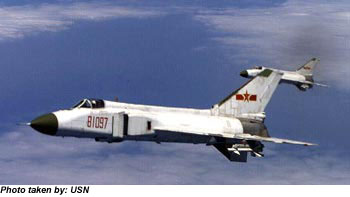
some are painted white.. not sure why? They say the waters over the South China sea tend to look “bright” and white..
I would love to hear/see more on other camouflages and what particular effects it is trying to achieve..


 Sign In








 June 10, 2004 at 8:15 am