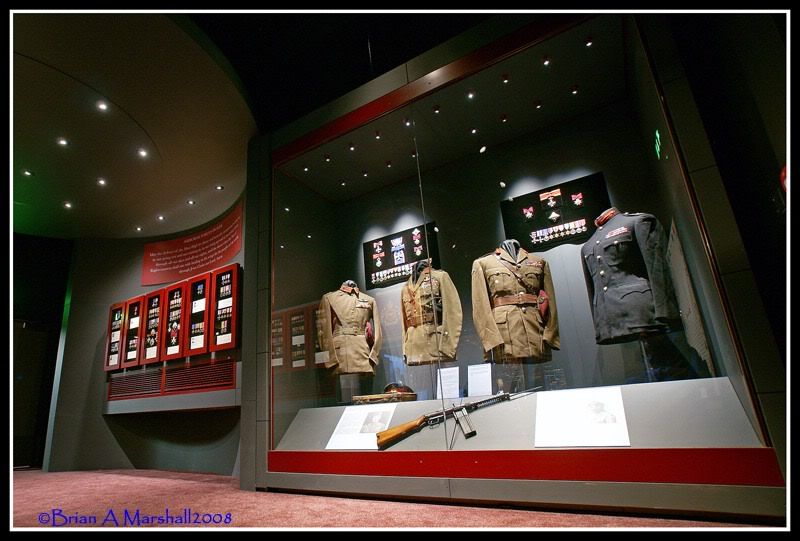
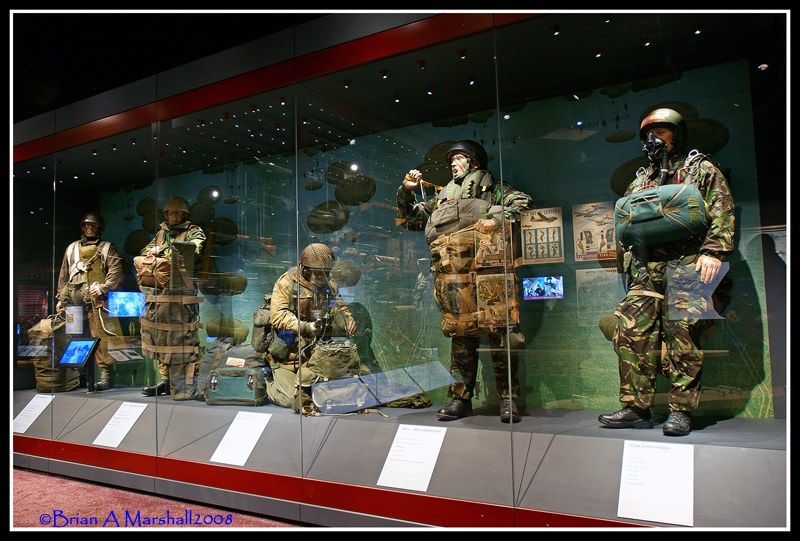
Despite the wind, the cold, the rain with snow, the new Airborne Assault display that was opened by HRH P. Charles last Monday, I ventured down to Duxford to try out my Sony 11-18mm wide angle lens.
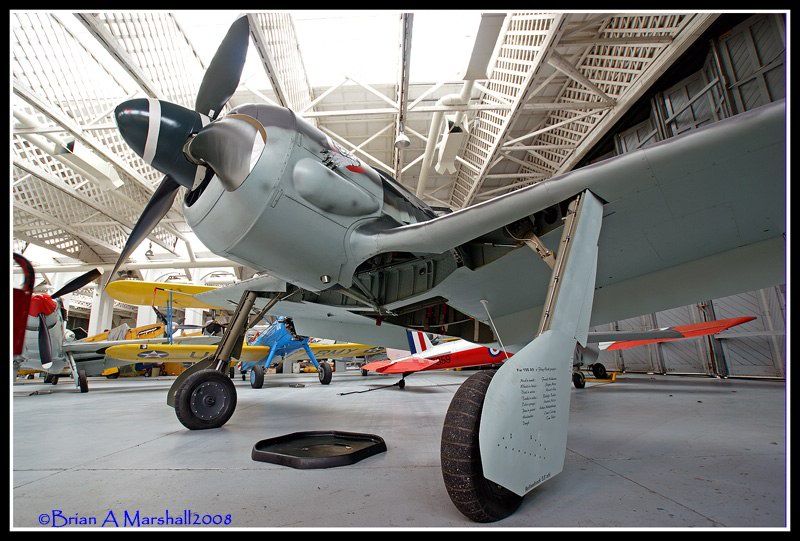
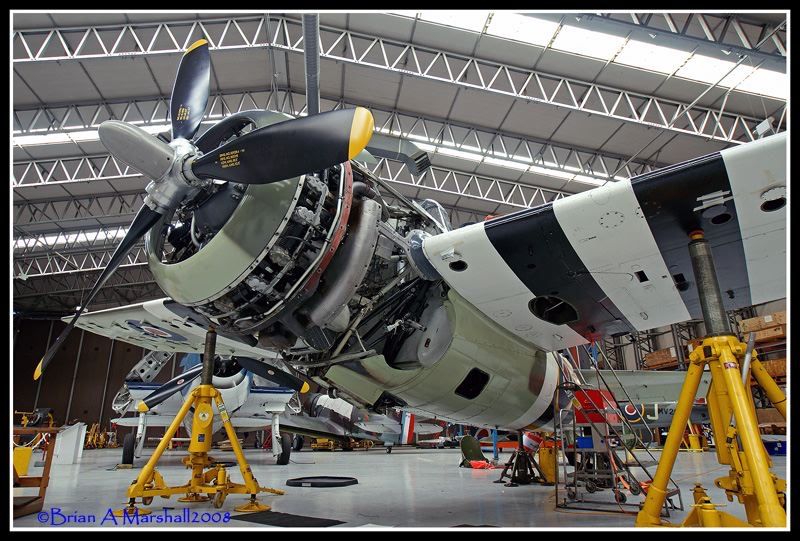
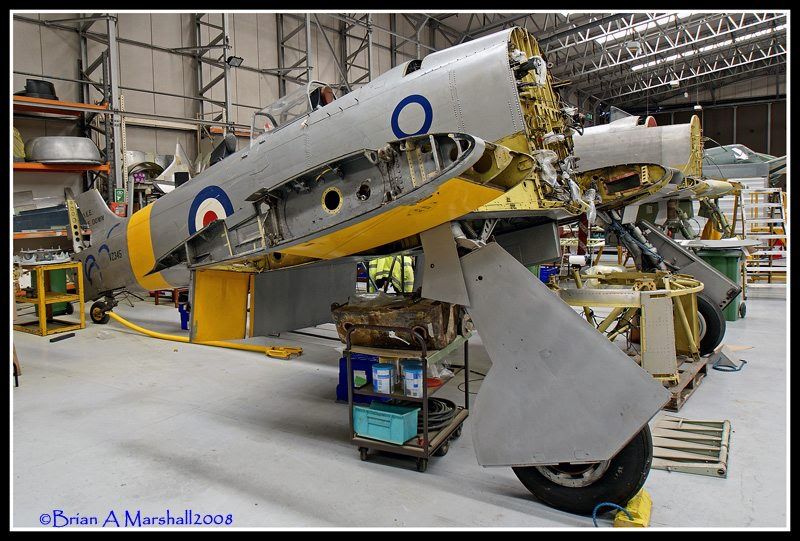
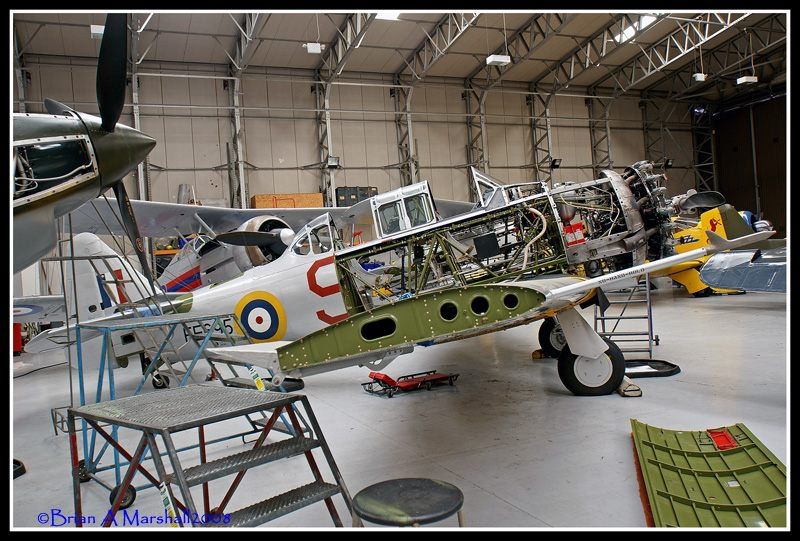
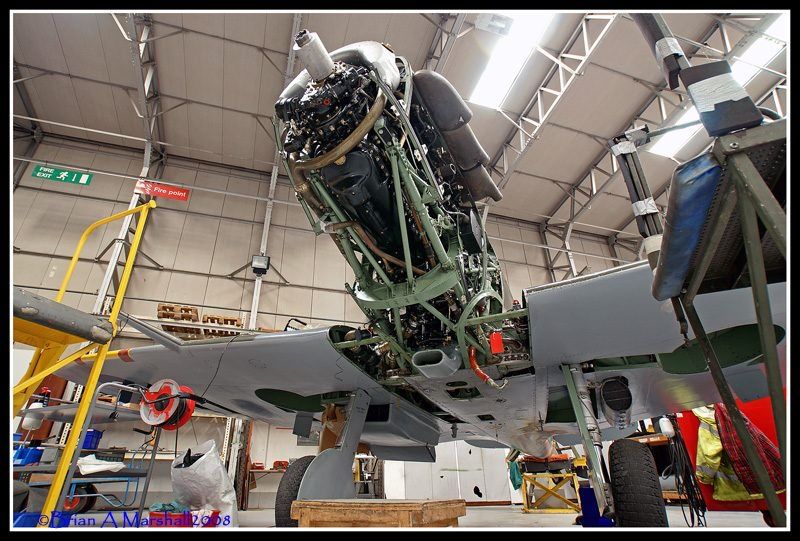
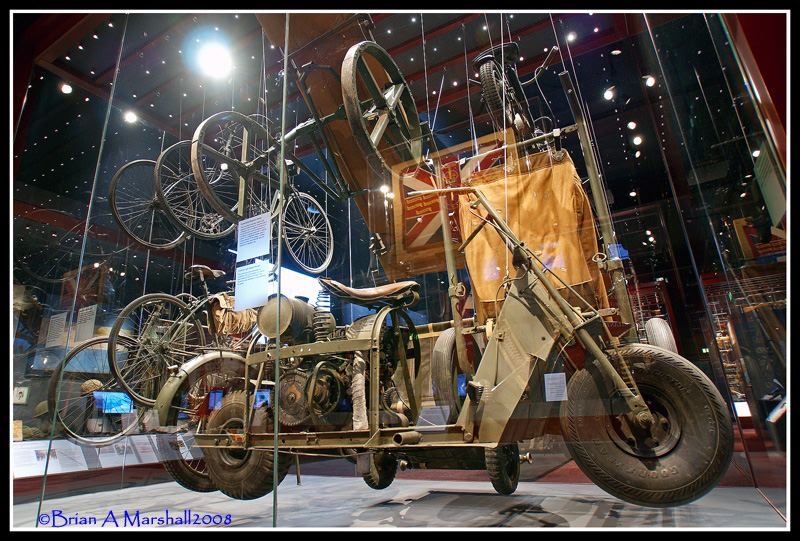
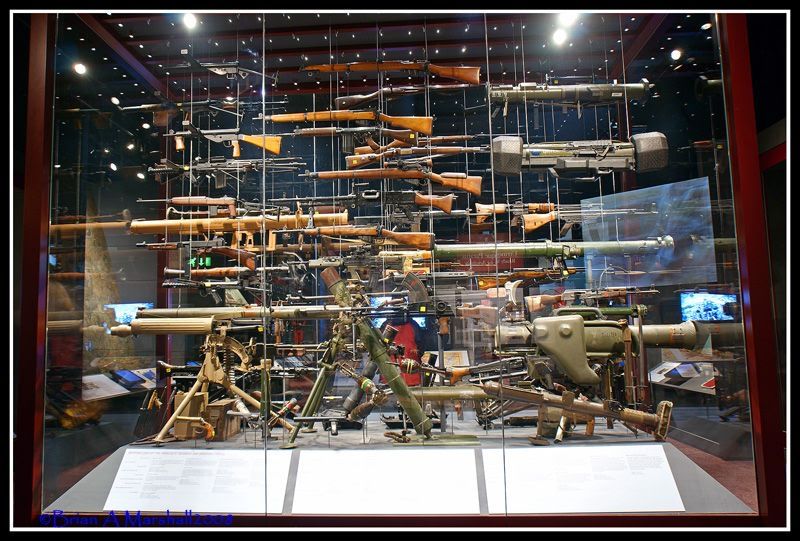
The spray bay in hanger 5 has been partly cleared and aircraft lifting gantry have been positioned and according to one of the high-viz coats, P-51 ‘Miss Helen’ was about to take up a short residence as it would be stripped down for road running. The FW-190 is back in 3 hanger and it’s my favourite time in the TFC hanger. Fighters stripped down and in pieces. Mmmm. The entrance to the Airborne Assault display is opposite the Lancaster in AirSpace and I was quite impressed with the amount of kit and equipment displayed in a small area. It’s quite dark in there but there are enough fixed seats about to rest a camera on for the long exposures but there is a lot of reflections off the glass.
More Piccies HERE
Brian

By: DazDaMan - 15th December 2008 at 09:15
Interesting stuff! Thanks for that 🙂
By: Pen Pusher - 14th December 2008 at 23:42
Great stuff, Brian.
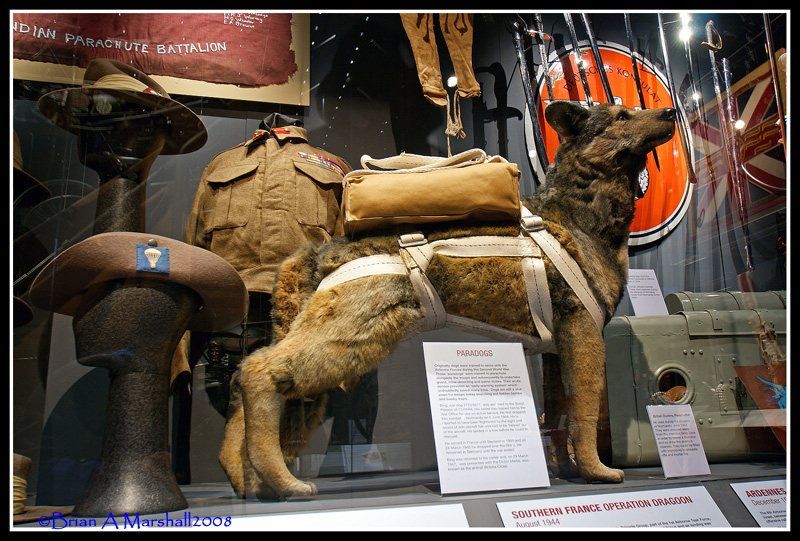
I have to ask – what’s the story behind the dog and what appears to be a parachute pack on its back? :confused:
The board under the dog reads…….
PARADOGS
Originally dogs were trained to serve with the Airborne Forces during the Second World War. These ‘paradogs’ were trained to parachute alongside the troops and subsequently to undertake guard, mine-detecting and patrol duties. Their acute senses provided an ‘early-warning’ system which undoubtedly saved many lives. Dogs are still a vital asset for troops today searching out hidden bombs and booby-traps.
Bing, war dog 2720/6871 was assigned to the Scout platoon of 13 Para. His owner had loaned him to the War Office for use on active service. He first dropped into combat in Normandy on 6 June 1944. He is reported to have been frightened by the sight and sound of anti-aircraft flak and had to be ‘helped’ out of the aircraft. He landed in a tree before he could be rescued.
He served in France until September 1944 and on 24 March 1945 he dropped over the Rhine. He remained in Germany until the war ended.
Bing was returned to his owner and on 29 March 1947, was presented with the Dickin medal, also known as the animal Victoria Cross.
Brian
By: DazDaMan - 14th December 2008 at 22:26
Great stuff, Brian.
I have to ask – what’s the story behind the dog and what appears to be a parachute pack on its back? :confused:


 Sign In








 December 13, 2008 at 9:29 pm