The museum had faced severe financial difficulties after water company works blocked the road, leading to a significant drop in visitors.
The road closures began in April without warning, when Essex and Suffolk Water commenced major water mains work near the museum’s main entrance, resulting in a 50% decrease in income as potential visitors were turned away or deterred by lengthy diversions. However, the water company has now halted its project and removed all obstructions, restoring full access to the aerodrome and other affected businesses.
Ian Flint, CEO of Stow Maries Great War Aerodrome, expressed his relief: “The works being removed means we have a lifeline. We may get through this yet! Of course, we are still waiting for absolute confirmation that the works will not return, and we have still to find thousands of pounds to survive, but for now, at least our supporters can get to us!”
The museum has launched a crowdfunding appeal to mitigate the financial impact of the road closures. Since its launch, the appeal has received letters of support from individual as well as museums across England and Europe.

Stow Maries has also engaged in discussions with key stakeholders to secure additional support. Senior figures from the charity met with Essex County Council Leader, Councillor Kevin Bentley, who provided advice on how to address the £30,000 shortfall in the museum's budget. Bentley also committed to ongoing dialogue and support for the aerodrome.
The charity is also in talks with Essex and Suffolk Water’s parent company, Northumbrian Water, to explore potential avenues of support. Commenting on the discussions happening between the charity and other companies, Ian Flint said: “We are very grateful that the senior leadership of the stakeholders are meeting with us. We are hopeful that we may survive long enough to negotiate with them all some kind of support package – but it is very early days. Right now, we need our community to support us in even greater numbers with their visits or donations. The first hurdle may be behind us but there are many more ahead. The threat to our survival hasn’t passed.”
The roadworks and subsequent diversions had a severe impact on the museum’s visitor numbers, which fell dramatically as many potential visitors either gave up after being turned away or got lost navigating potential diversions. This loss of visitors has placed the aerodrome in a precarious financial situation.
Dan Snow, a historian and long-time Patron of the museum, expressed his optimism about the progress: “The outpouring of support for Stow Maries clearly indicates how valuable it is to the people of Essex. It is just as important to our national heritage, so I am very happy to see that some progress is being made with the right people, to rescue it from disaster.”
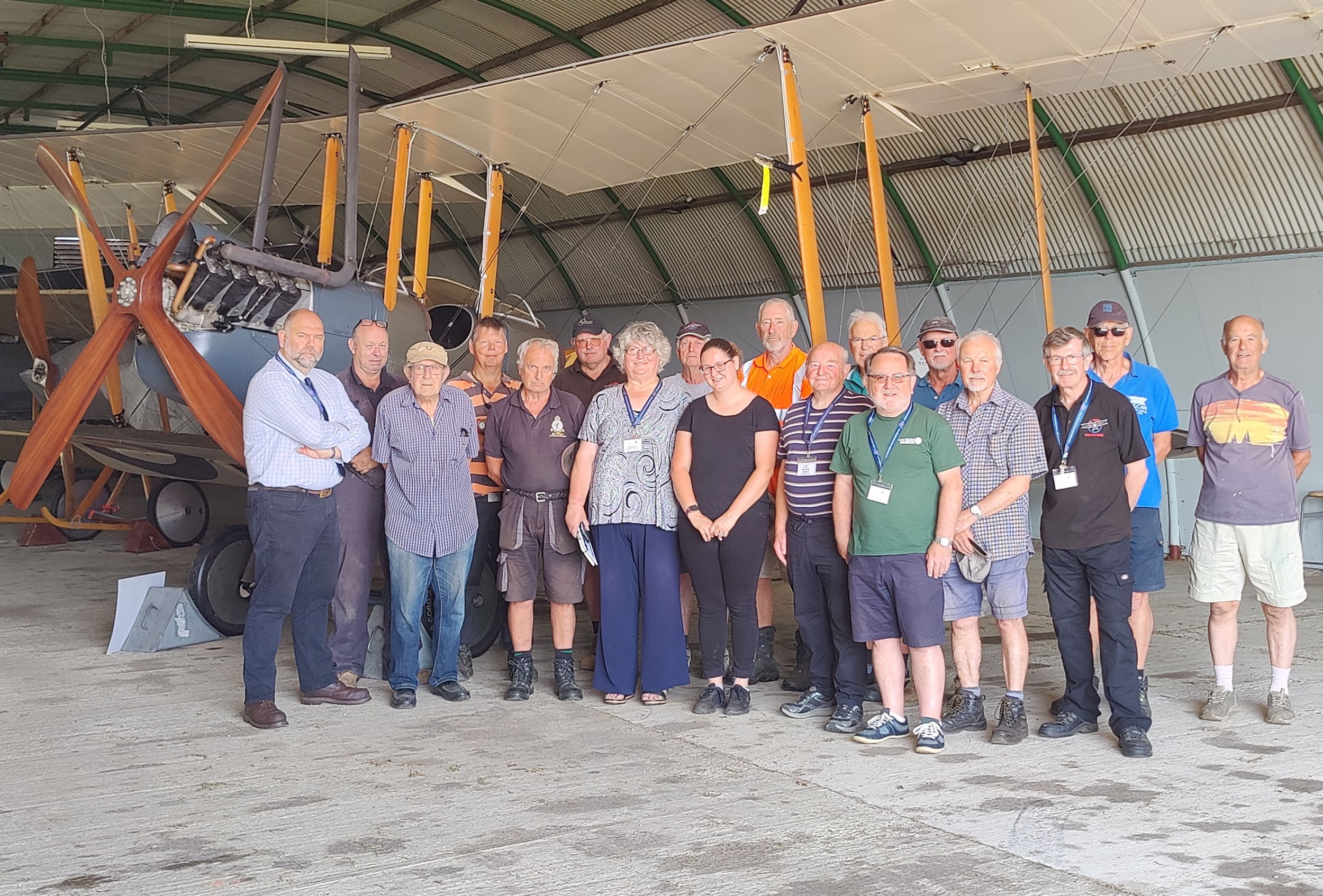
Stow Maries Great War Aerodrome, Europe's largest surviving World War One airfield, is open to the public from 1000hrs to 1600hrs on Fridays, Saturdays, and Sundays. The museum remains an operational airfield, supported and maintained by over 100 volunteers. It has a busy events programme and its survival can be helped with donations, which can be made in person or online.
The aerodrome, a significant heritage site, was saved from closure in 2012 following a successful campaign and a generous grant from the Heritage Memorial Fund. It was then placed under the care of the Stow Maries Great War Aerodrome charity. For further details on the aerodrome’s events, visit www.stowmaries.org.uk.
Read more about Armed RAF Typhoons fly in to Poland Lockheed Martin seleccionada para la integración del armamento del F-35 en el Reino Unido e Italia
This is a premium article and requires an active Key.Aero subscription to view.
I’m an existing member, sign me in!Premium Key Aero subscribers get access to read all our magazines online as soon as they leave the editor’s desk.










 Sign In








 24th June 2025