Research explores 21 cutting-edge concepts such as conscious aircraft, trajectory based operations, artificial intelligence and digital trust technology, set to define future of aviation
With a rebound in air travel now underway, a new report published today by Cranfield University and Inmarsat highlights the critical role that digital connectivity will play in accelerating aviation’s long-term recovery. Titled ‘Why the future of aviation starts with connectivity’, the study offers insights and direction for key aviation stakeholders and governments as they reconsider their priorities for the industry’s future. This will be fuelled largely by a monumental shift in passenger behaviour and expectations following the pandemic, as well as increased consumer awareness of their impact on the climate.
The report highlights a number of transformative changes ahead for the aviation industry and examines how airlines can take advantage of the enormous opportunities created as a result.
As part of their research, experts from Cranfield University have developed a Digital Connectivity Timeline, which outlines when 21 of the industry’s most critical technological innovations can be expected to reach adoption. It focuses on three distinct timeframes: five years (technologies at advanced stages of development and in some cases are being piloted by organisations ahead of market adoption), between five to ten years (technologies under early development with potential to be trialled in some sectors), and beyond the next decade (concepts under consideration for product or service offering development).
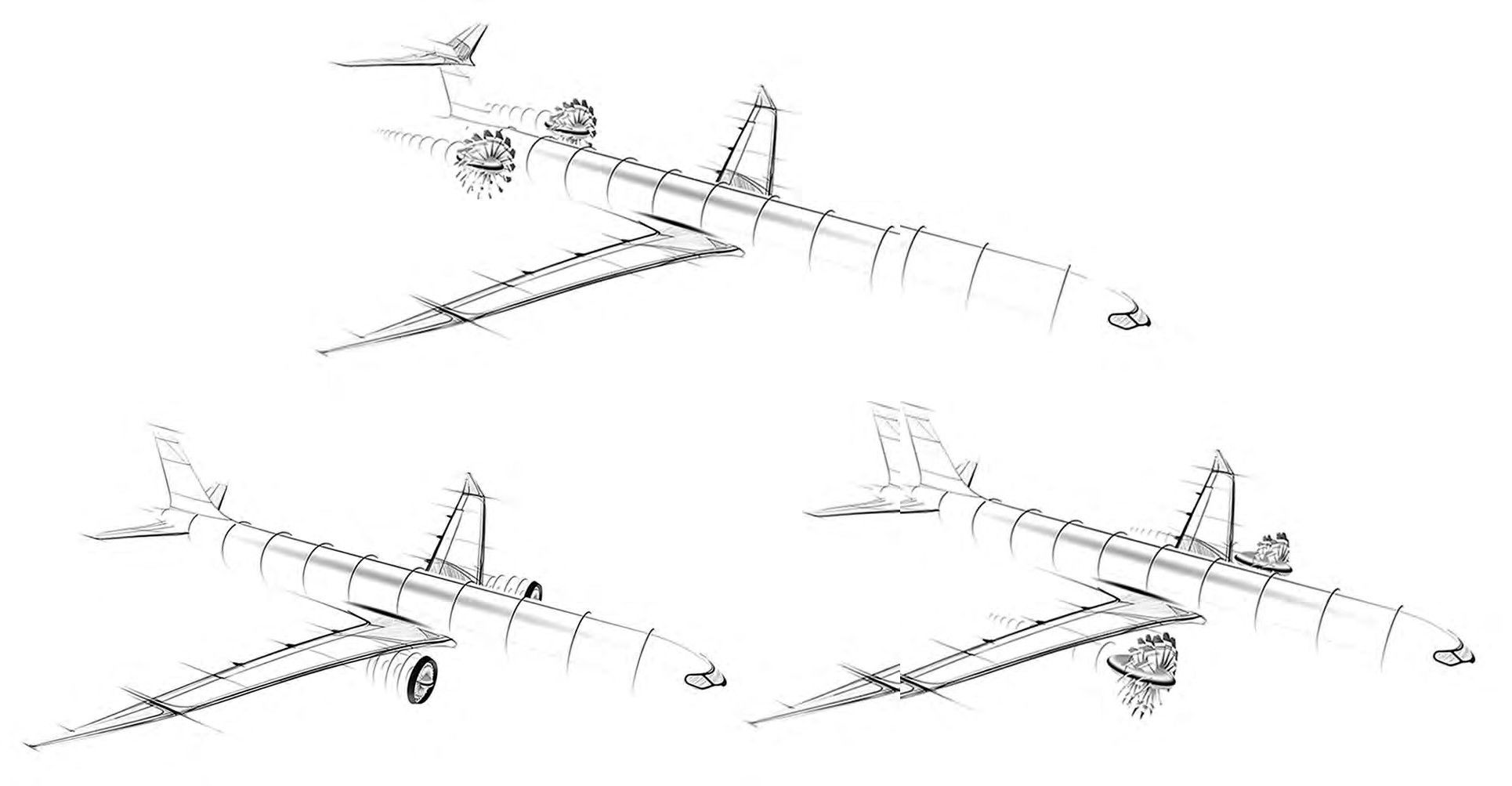
These technologies will enable a range of innovative concepts to make their way onto aircraft and airspace, helping to define the future of aviation while leading to important step changes in passenger experience and sustainability efforts. Amongst the concepts explored are:
The report also examines how the complexity and interoperability of future ecosystems are significant challenges for technology providers, regulators and airlines alike.
Philippe Carette, President of Inmarsat Aviation, said: “Our new report with Cranfield University has considered how the role of digital connectivity, in all its forms, can enable and accelerate meeting the rapidly changing needs of air travellers and of the aviation sector itself. It has identified specific challenges and opportunities that, if addressed, will have a direct beneficial effect on the sector’s resilience, its contribution to reducing climate change, and to new customer service offerings that will enhance passengers’ willingness to travel in the post-pandemic world.
“Harnessing the technological innovations explored in this report will be nothing short of revolutionary for our industry, and at Inmarsat, we can’t wait to play our part in bringing them to life through our global connectivity and world-leading ORCHESTRA network of networks.”
Professor Karen Holford CBE FREng, Chief Executive and Vice-Chancellor, Cranfield University: “While this is a time of great challenge for the aviation industry, reports such as this one show the path that technology can put us on towards a brighter and more sustainable future. ‘Digital aviation’ and the foundation of connectivity needs to stop being just a concept of tomorrow, and become the reality of today. This report sets out the many technological possibilities and what can be achieved in the short to medium term. What is needed now is for us all to redouble our efforts to make them a reality.”
Inmarsat recently unveiled plans for ORCHESTRA, the communications network of the future, which will bring existing geosynchronous (GEO) satellites together with low earth orbit satellites (LEO) and terrestrial 5G to form an integrated, high-performance solution, unmatched by any existing or planned competitor offering. ORCHESTRA allows capacity to be boosted in high-density areas such as at airports, eliminating congested network ‘hot spots’ and ensuring the connectivity needs of aviation customers continue to be met well into the future, with capacity scaled directly to match their requirements.
Read more about Broussard returns to the skies in Wiltshire Restauración del mosaico en honor a Gloster Aircraft
This is a premium article and requires an active Key.Aero subscription to view.
I’m an existing member, sign me in!Premium Key Aero subscribers get access to read all our magazines online as soon as they leave the editor’s desk.










 Sign In










 23rd June 2025