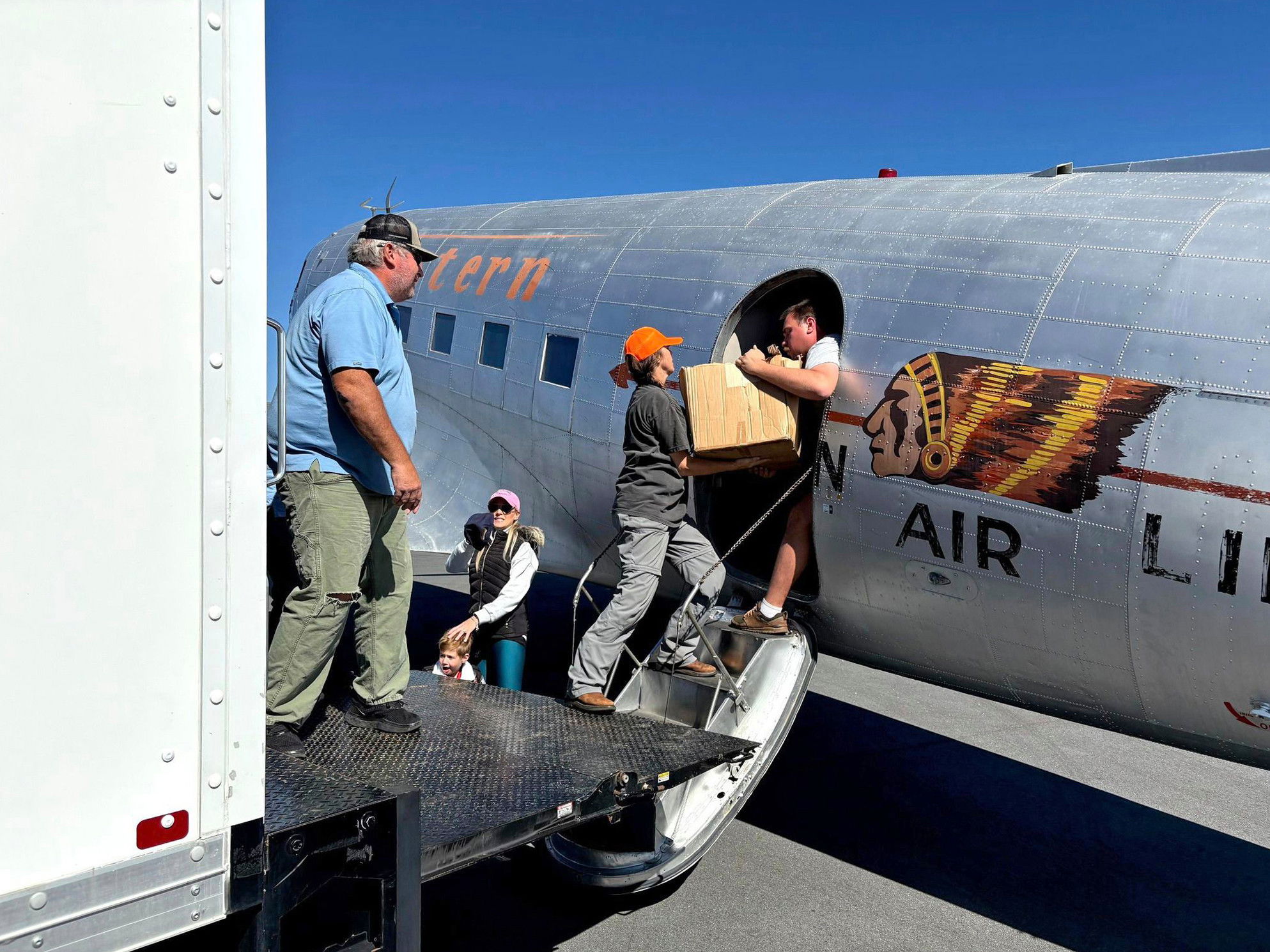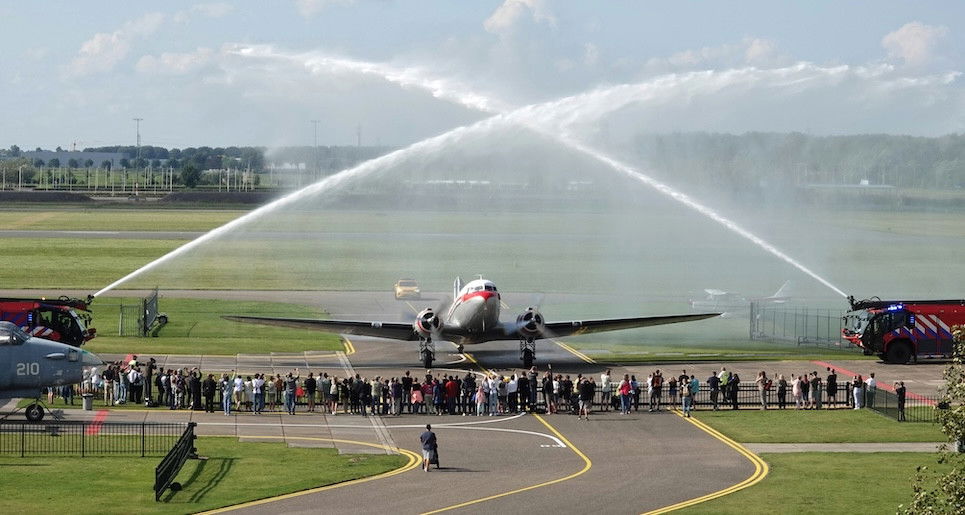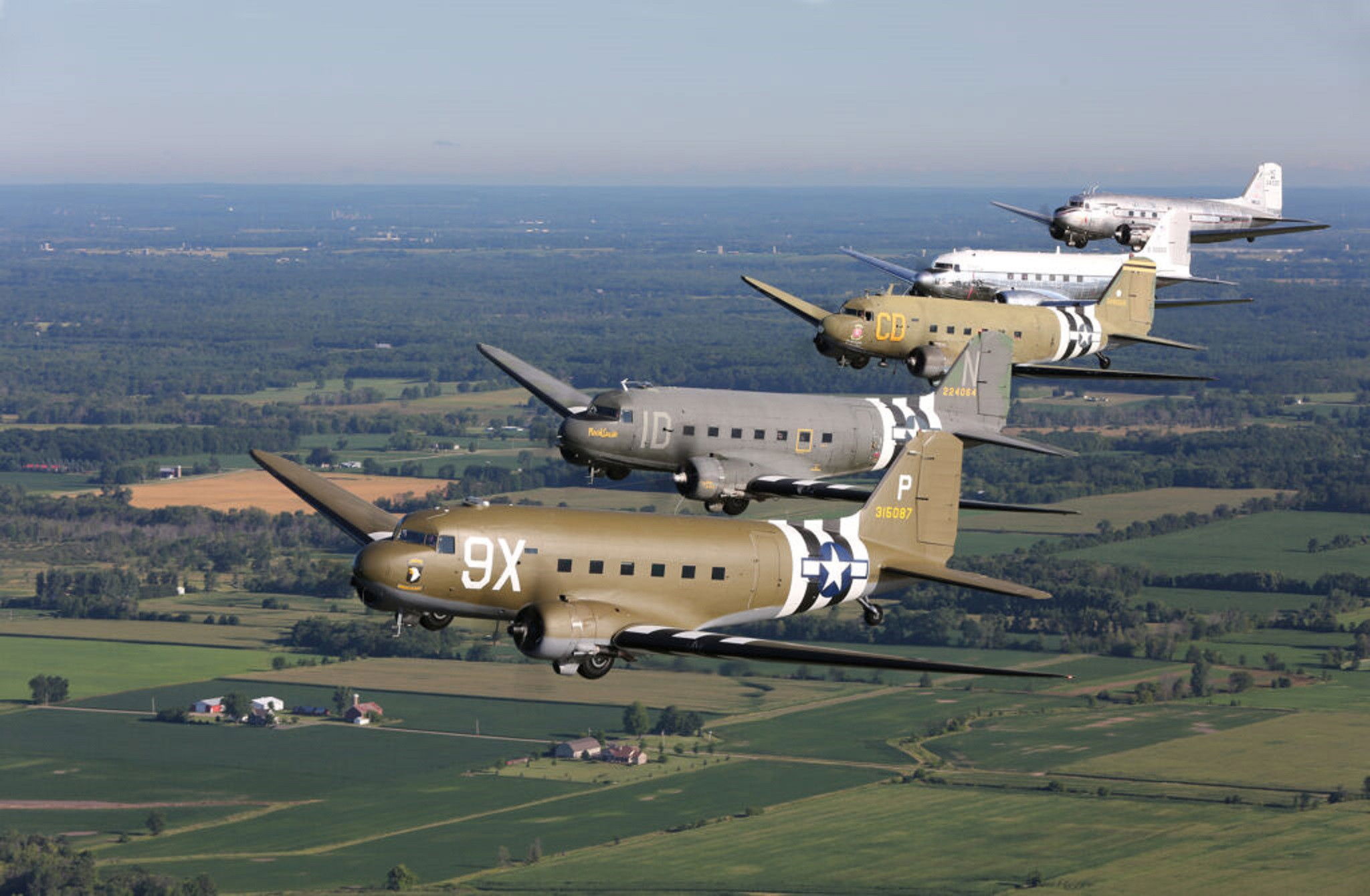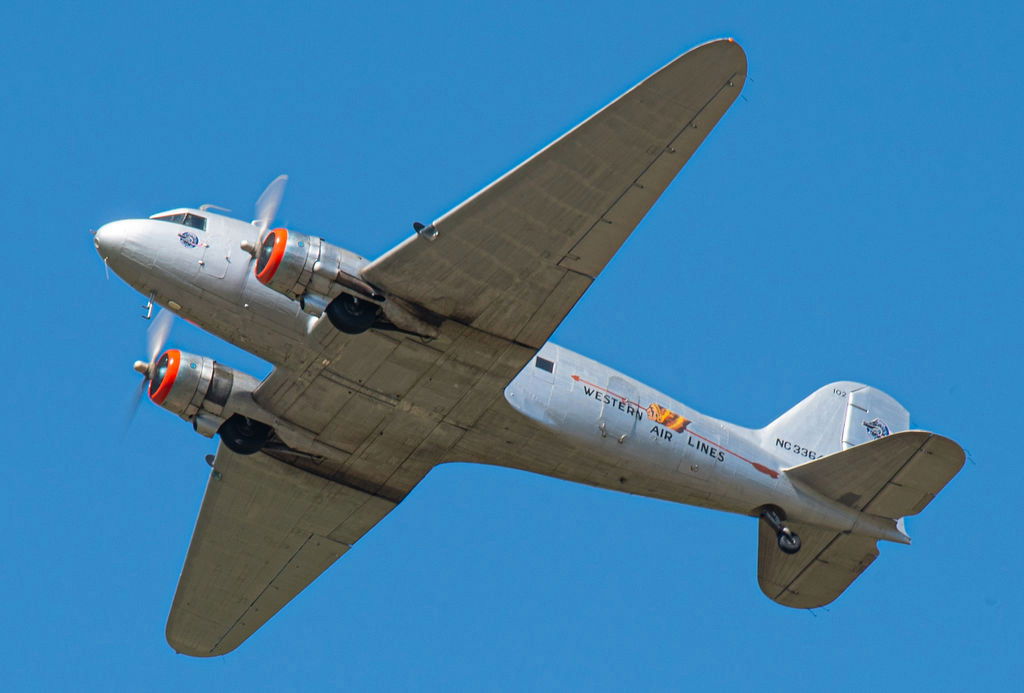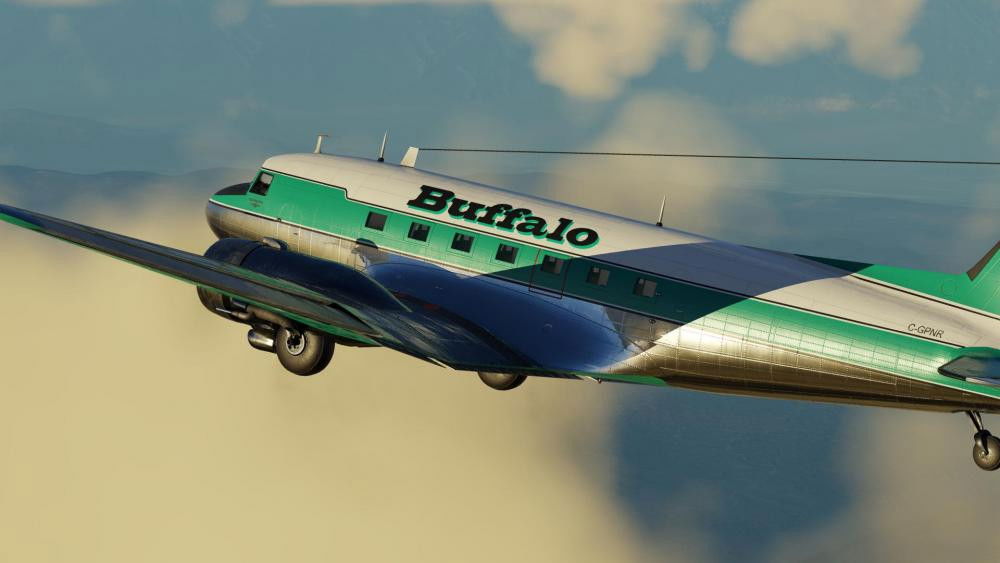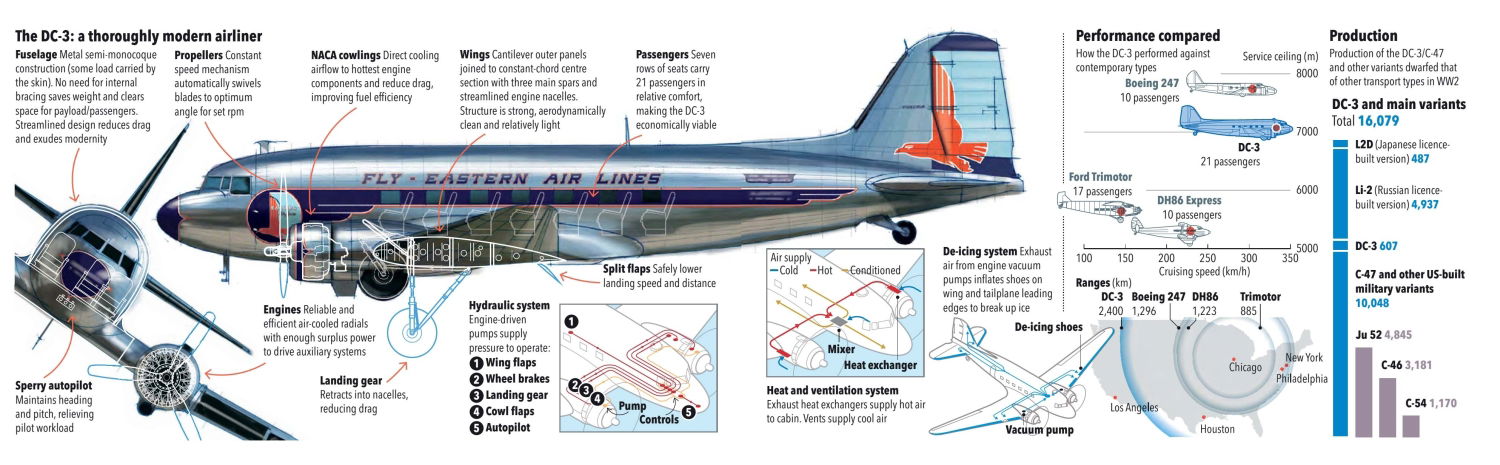
The DC-3 was initially developed as a widened sleeper version of the successful DC-2 airliner, being called the Douglas Sleeper Transport or DST. Reconfigured as a straight airliner with 21 passenger seats, rather than 14-16 sleeper berths, it became the ‘Douglas Commercial Three’.
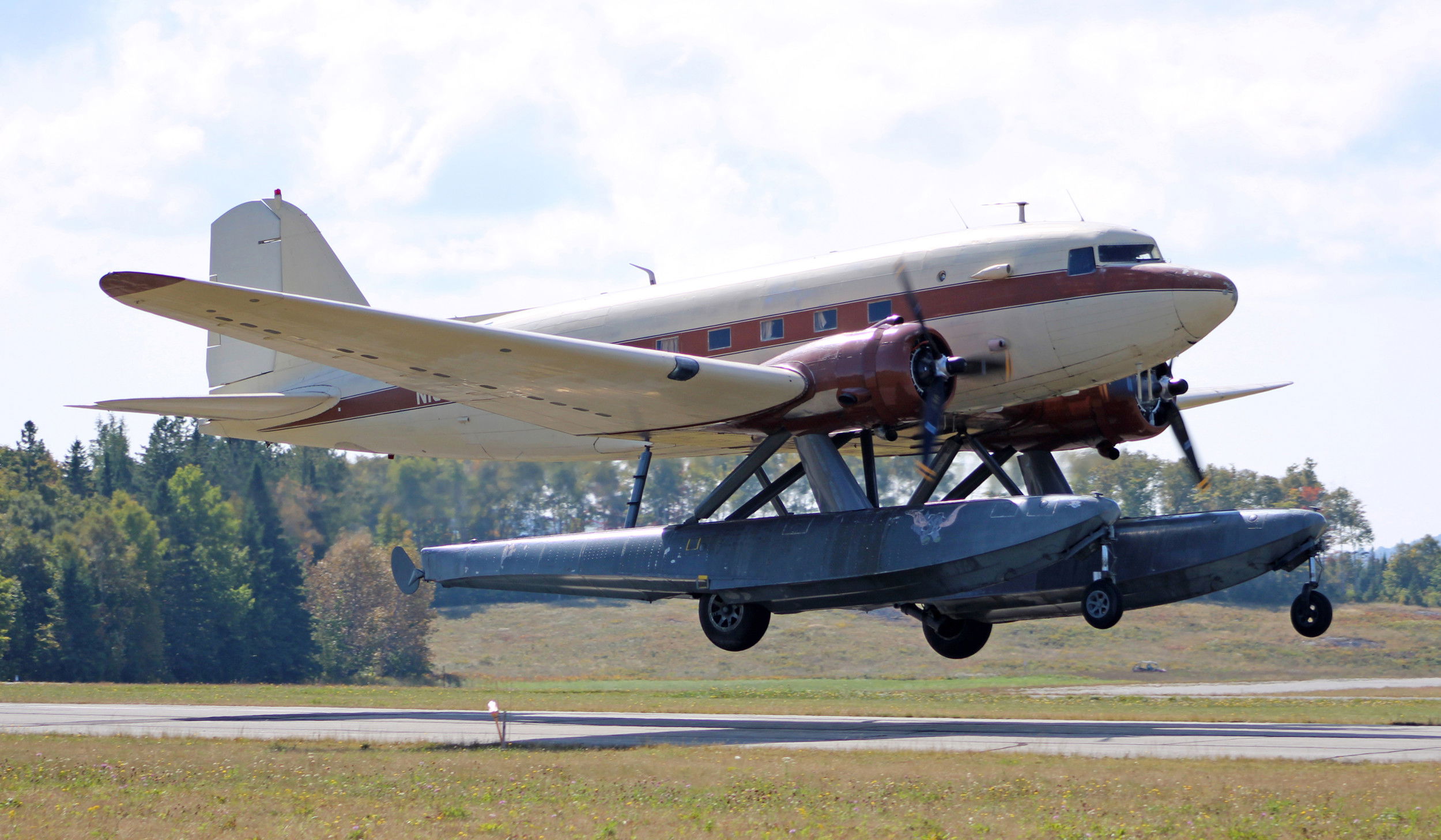
Douglas DC-3 floatplane N130Q made its first water landing for 20 years at Moosehead Lake, north-western Maine on 14 September, with Tunison Foundation pilots Eric Zipkin and Garrett Fleishman in the left and right-hand seats respectively.
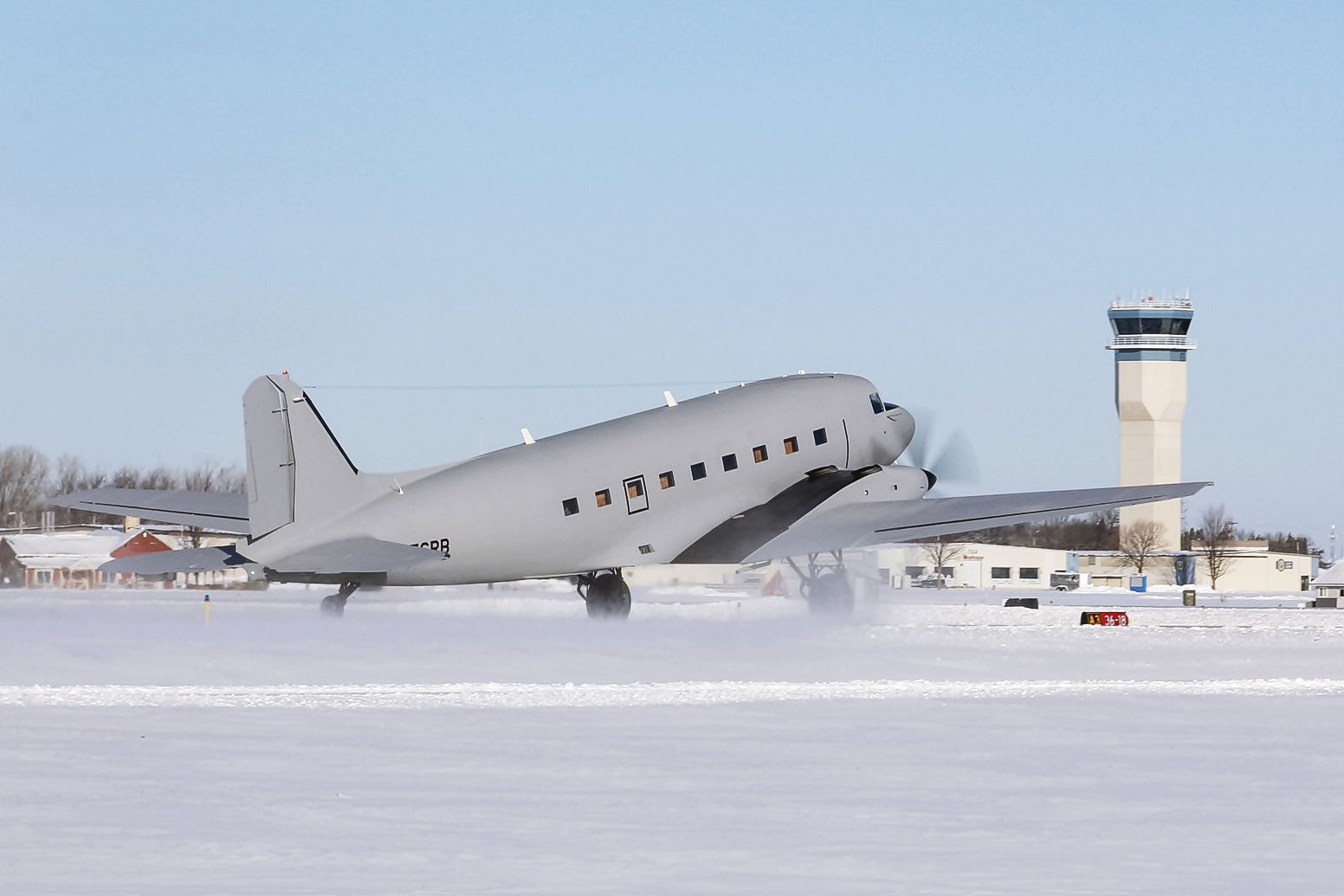
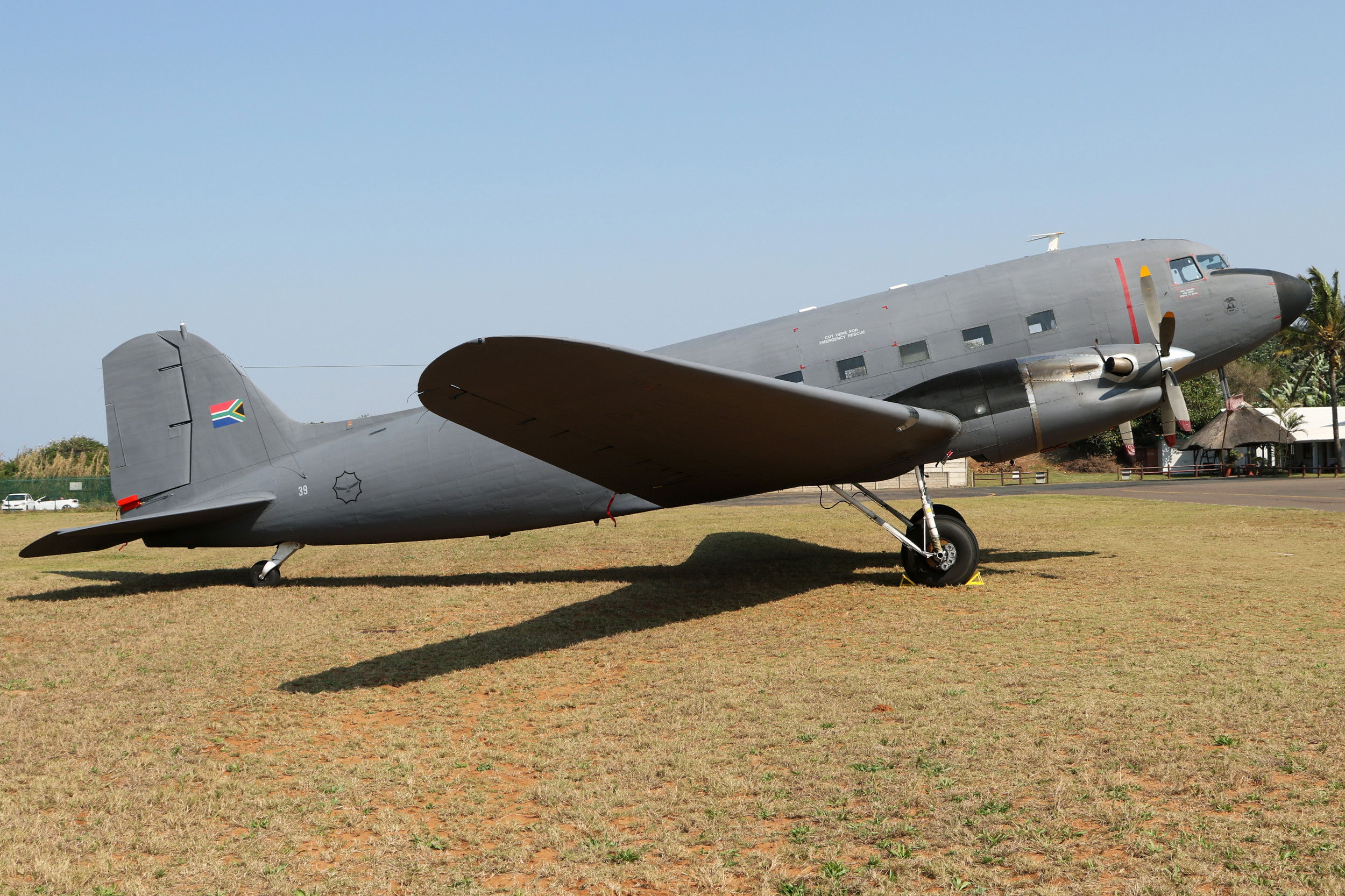
While it has yet to be formally announced by the South African Air Force (SAAF), the air arm has decided to retire its surviving fleet of World War Two-era C-47TP Turbo Dakota light transports after 81 years of service.
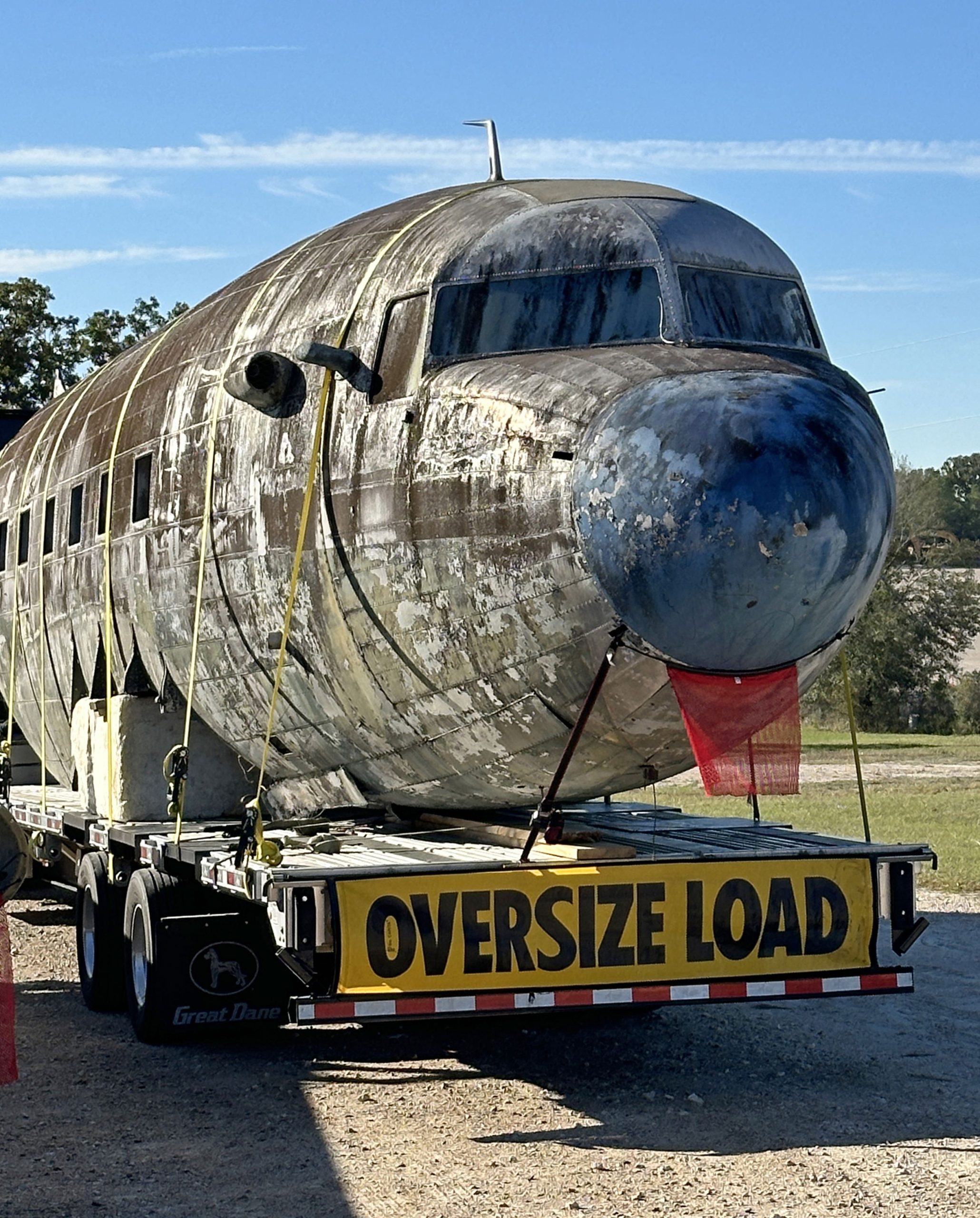
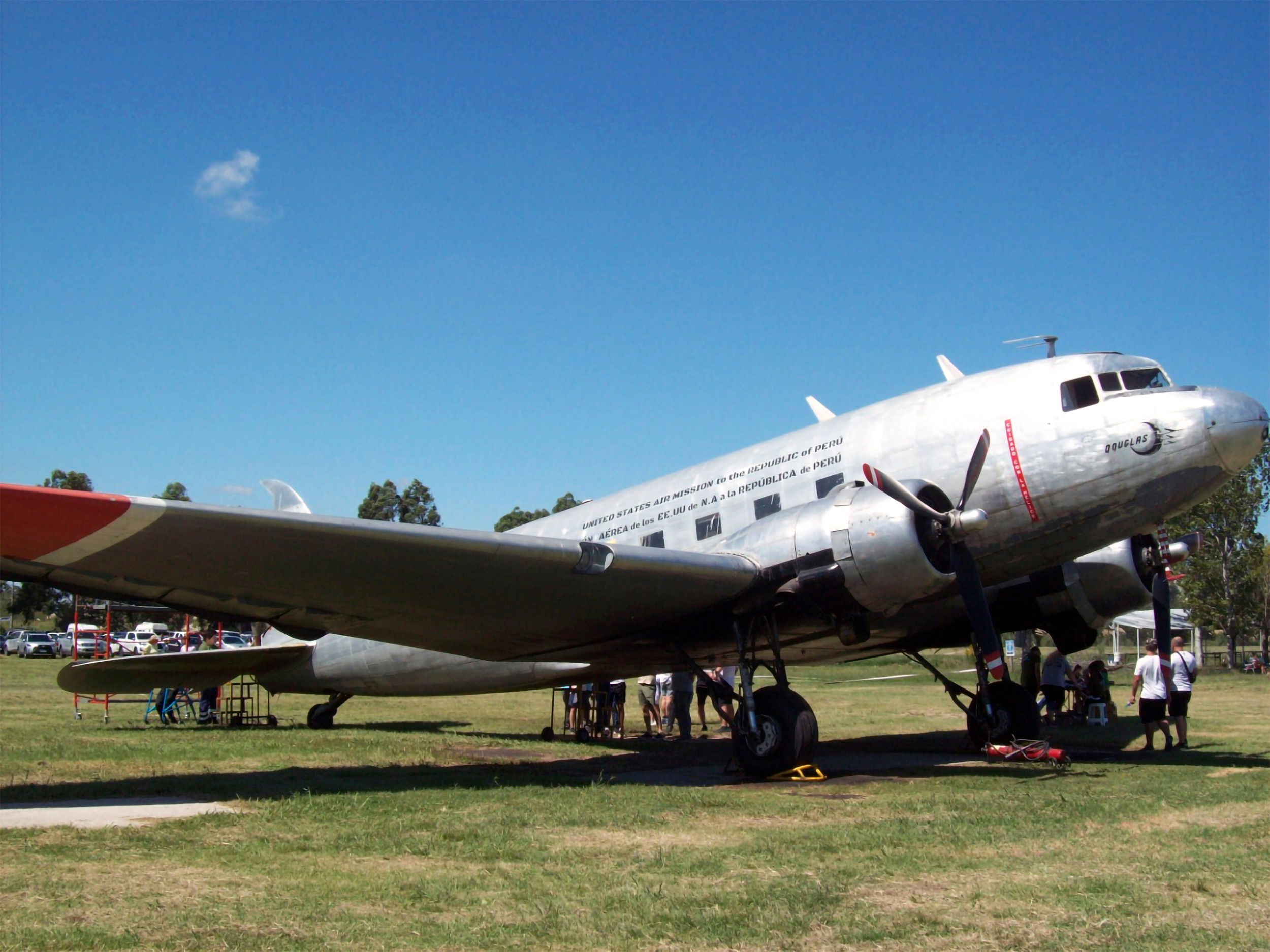
Douglas DC-3 LV-BEH completed a series of taxi runs on March 9 and 10 at an EAA convention in Argentina. It’s the latest step in the project to return the 1943-built aircraft to the skies.