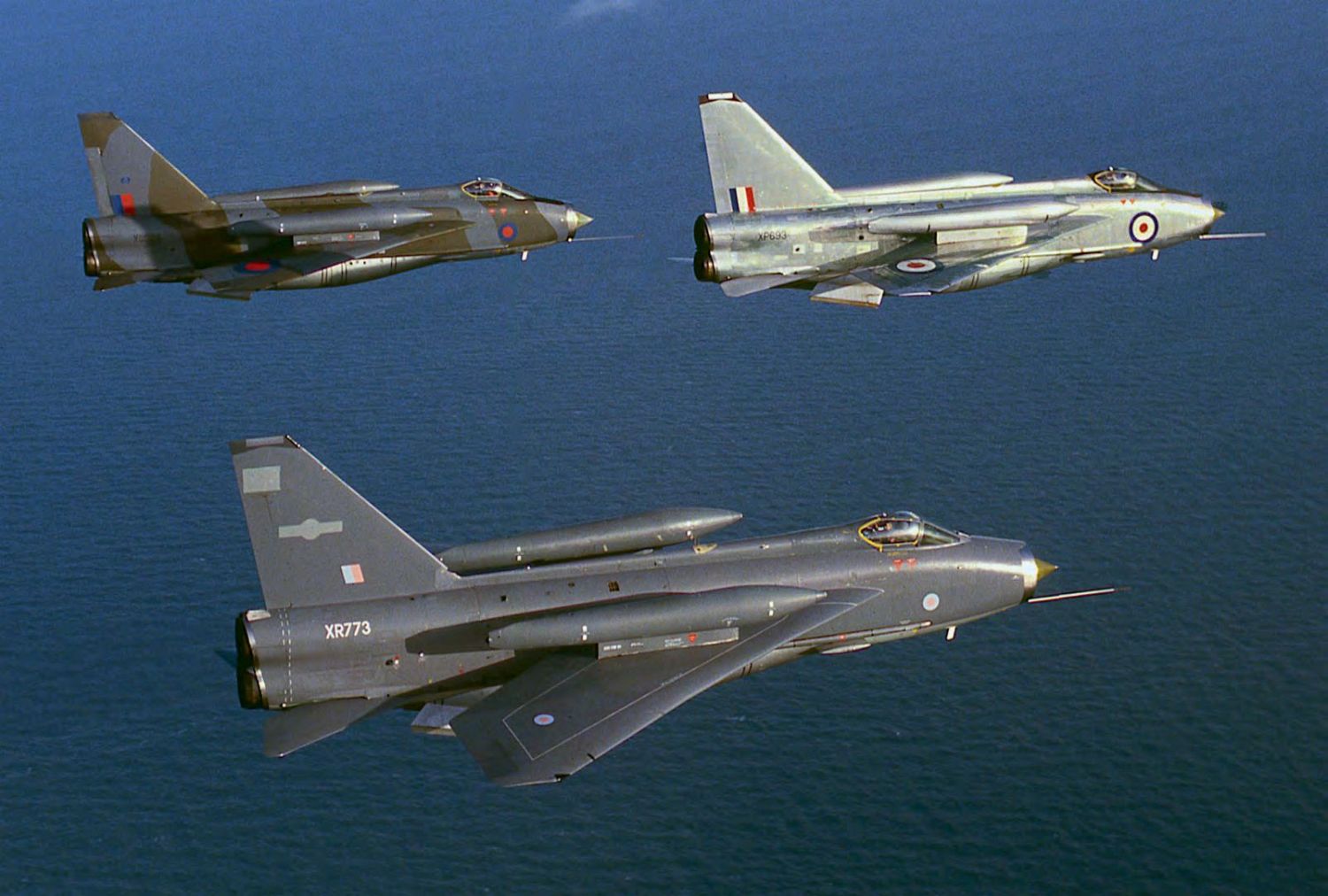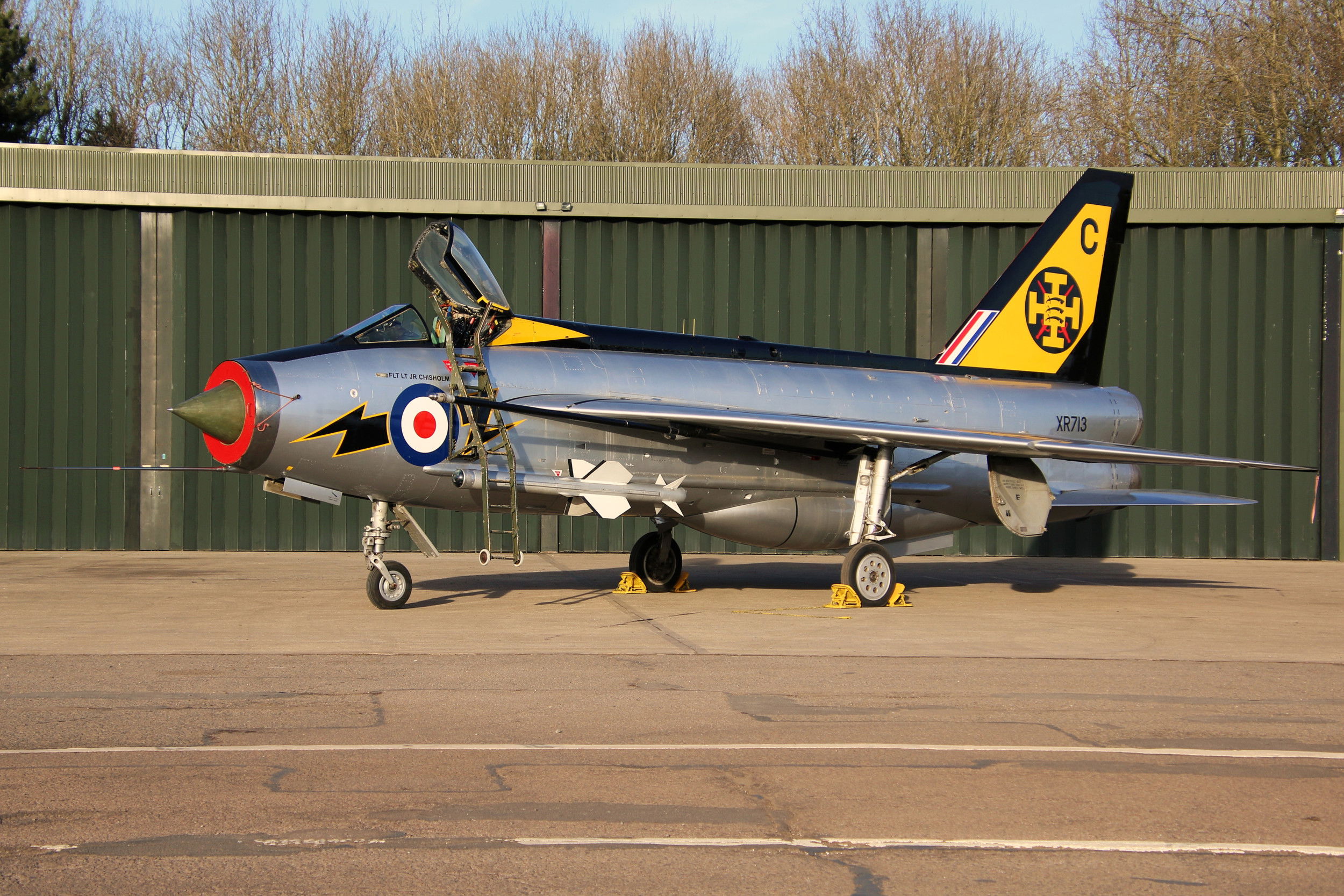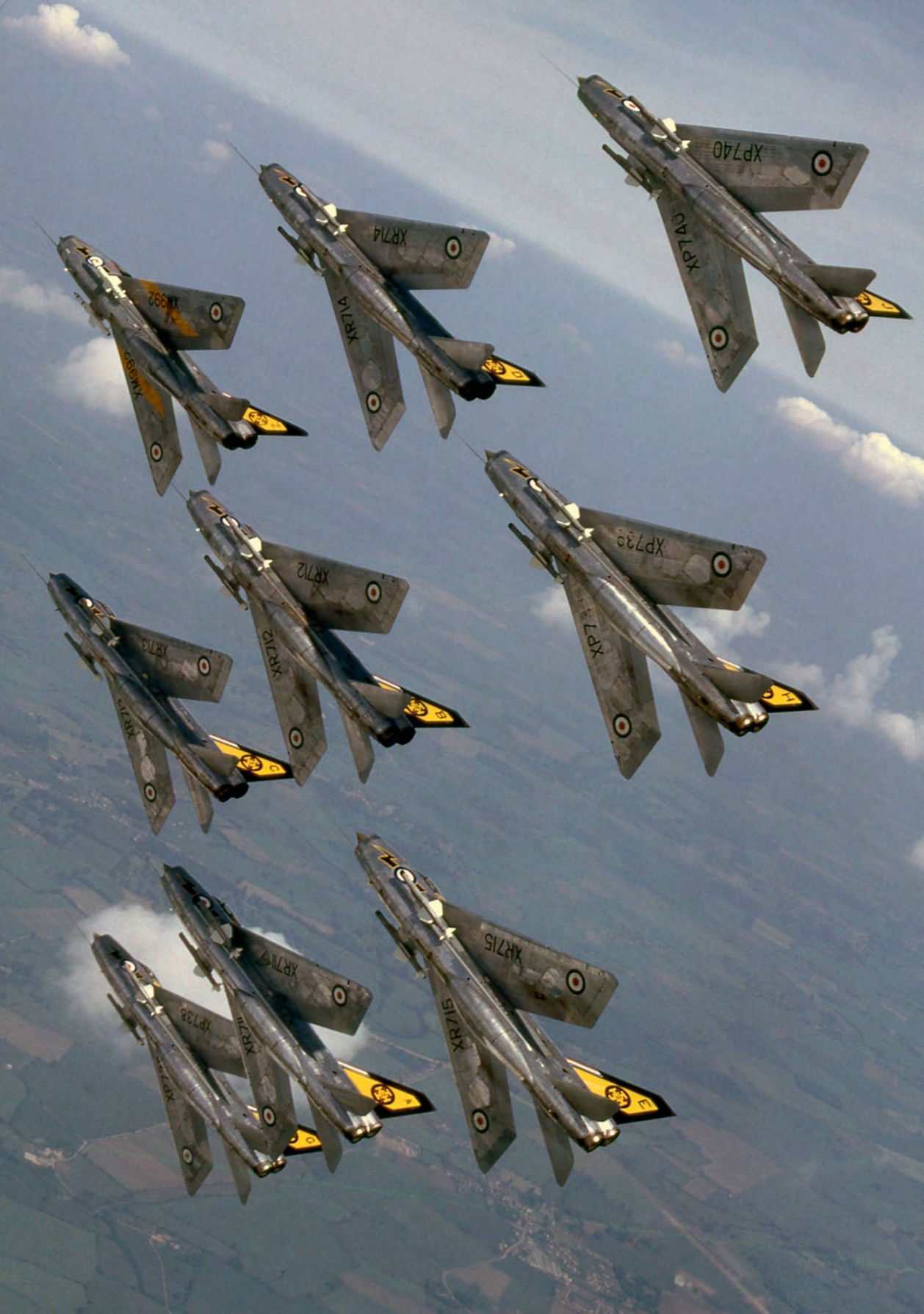
The RAF waited a decade from the first flight of the English Electric P1 prototype in 1954 to take delivery of a truly definitive operational Lightning variant. The F3 was well worth it, though — and No 111 Squadron’s pilots loved it. This is the story of the mark’s first year with ‘Treble-One’
When the air defence Tornado hit trouble, British Aerospace rather ironically called on a famed predecessor to help. BAe’s Warton factory airfield in Lancashire thus became the final home of flying English Electric Lightnings in the UK