Years ago I came across some quotes from the book “Flying for Fun : an affair with an aeroplane”.
The book was written in the late 1930s by British army officer, Jack Parham, and describes his
experiences flying in an Aeronca C.2 G-ABHE which he had bought for ninety-five pounds.
Although I have been unable to find a copy of the actual book, I have the 1984 video remake.
I found the video fascinating, and it reminded me that one Aeronca 100 had been imported, in a damaged state, into New Zealand back in 1965.
The Aeronca C.2 was a single-seat aircraft with a 26hp two-cylinder engine built in the USA from 1929.
It was developed into the two-seat 36hp C.3, and some of these were imported into the UK from 1930.
Licenced production was then undertaken in England as the Aeronca 100 from 1936, and three of those arrived in Australia in 1937.
One of these three, VH-UXV, survived through several owners and a few mishaps to be exported to Fiji in early 1950 where it became VQ-FAJ. After a rebuild following an unintended arrival onto the Singatoka golf course in January 1951 it flew for a few more years before failing to outclimb rising ground at Drasa in December 1958.
Colin Feldwick of Wellington imported the damaged aircraft into New Zealand in 1965, but passed it on unrestored to Kip Netherclift of Hastings some years later. Kip completed the rebuild, registered it as a microlight, and as ZK-AMW/2 it flew again on the 1st November 2006.
I have been trying to catch up with this wee beasty for quite some time, so was really happy to recently see it in the flesh at Masterton.
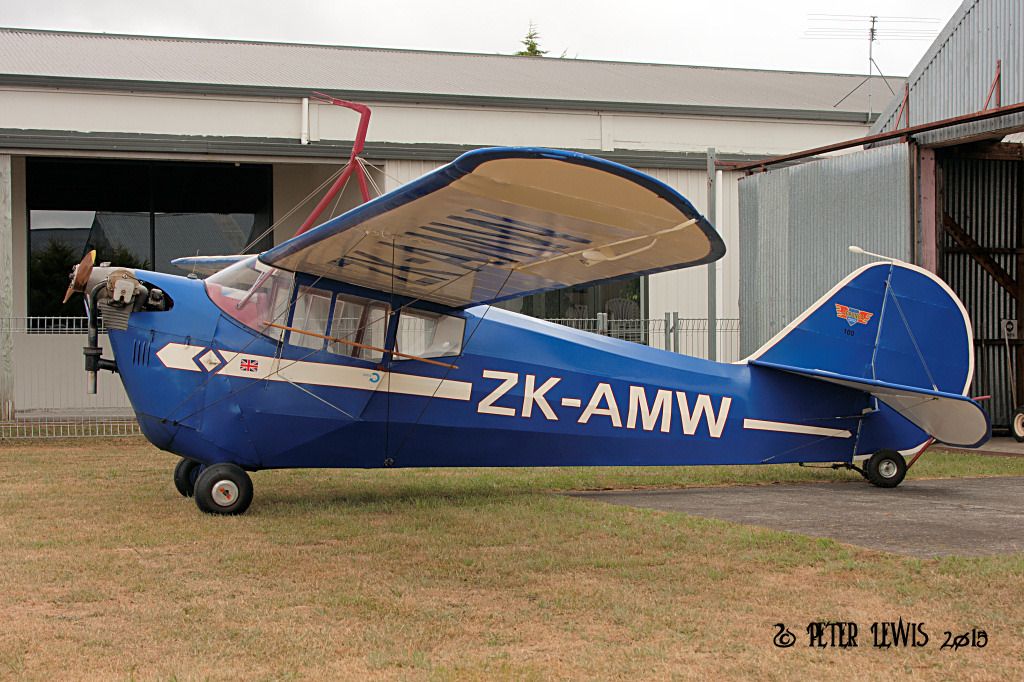
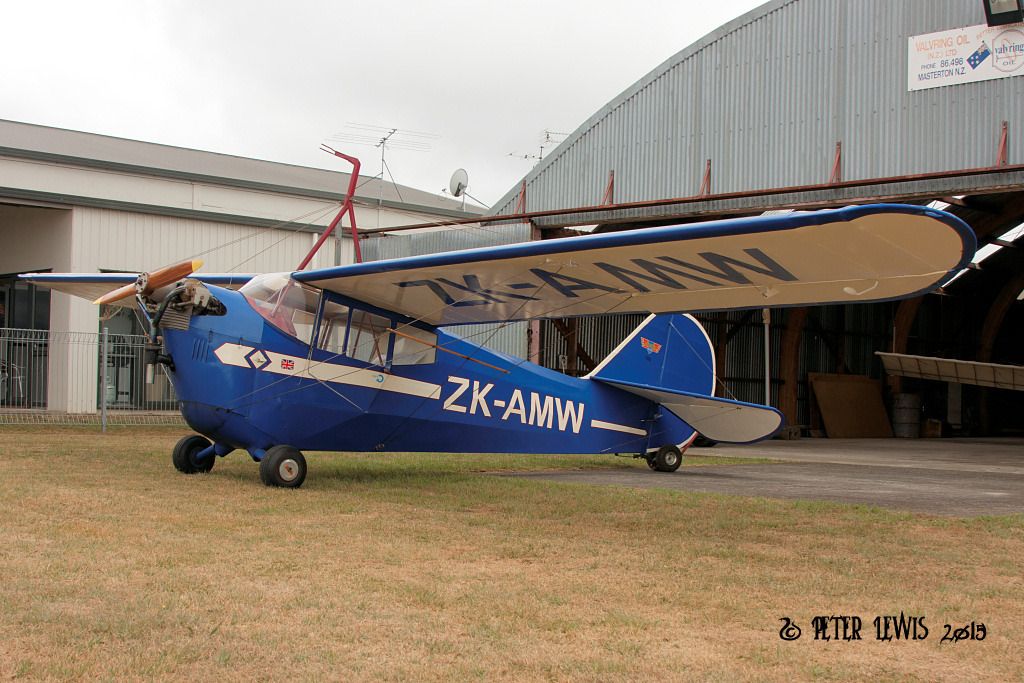
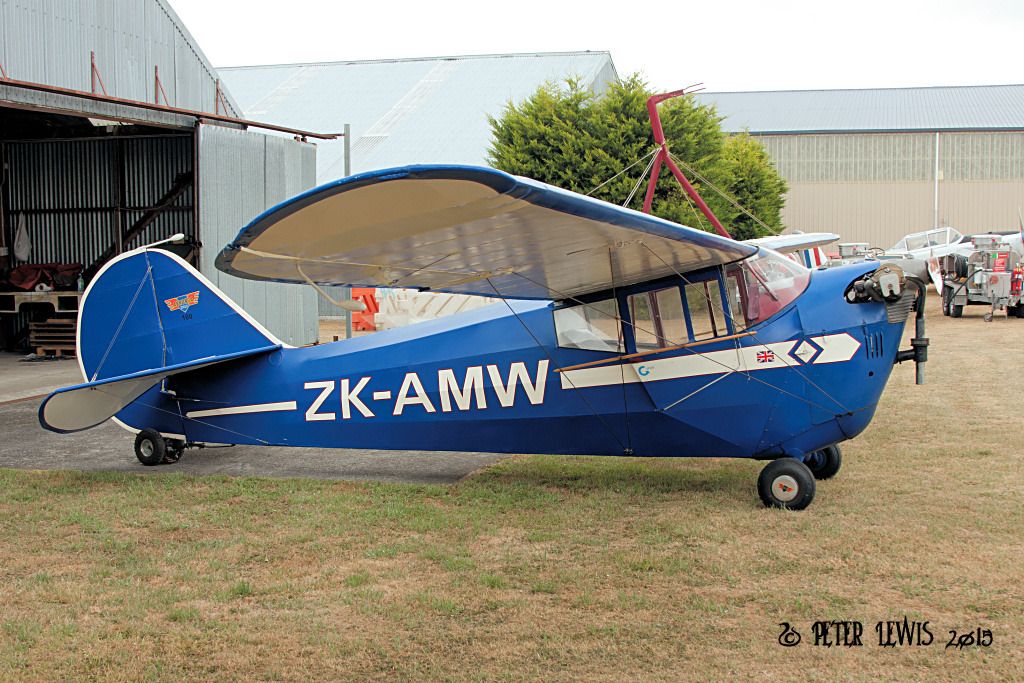
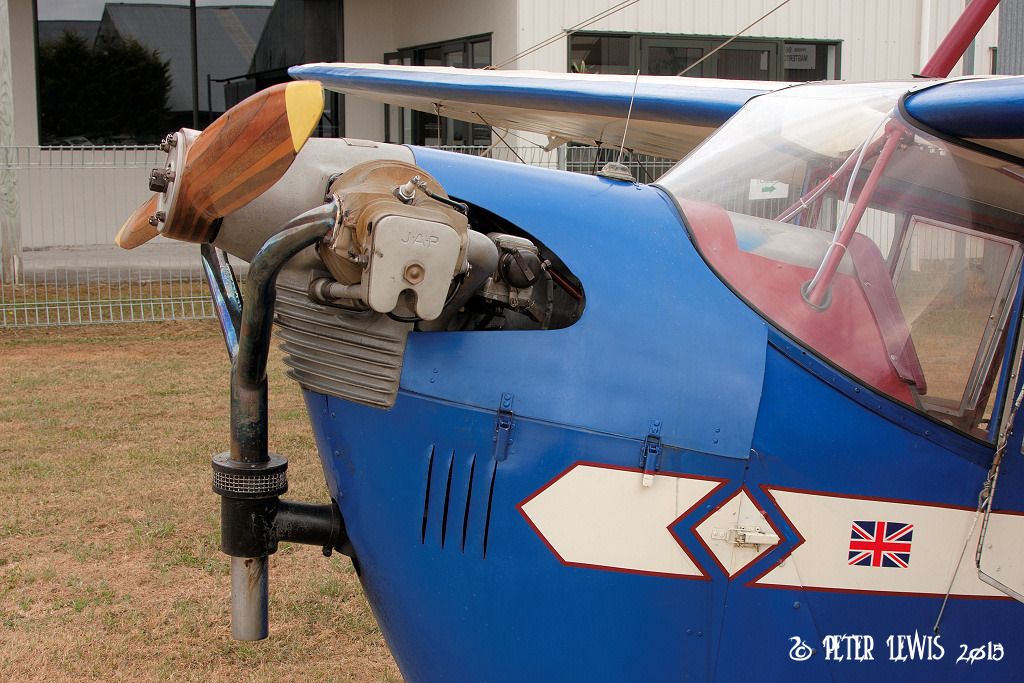
The noisy bit up front.
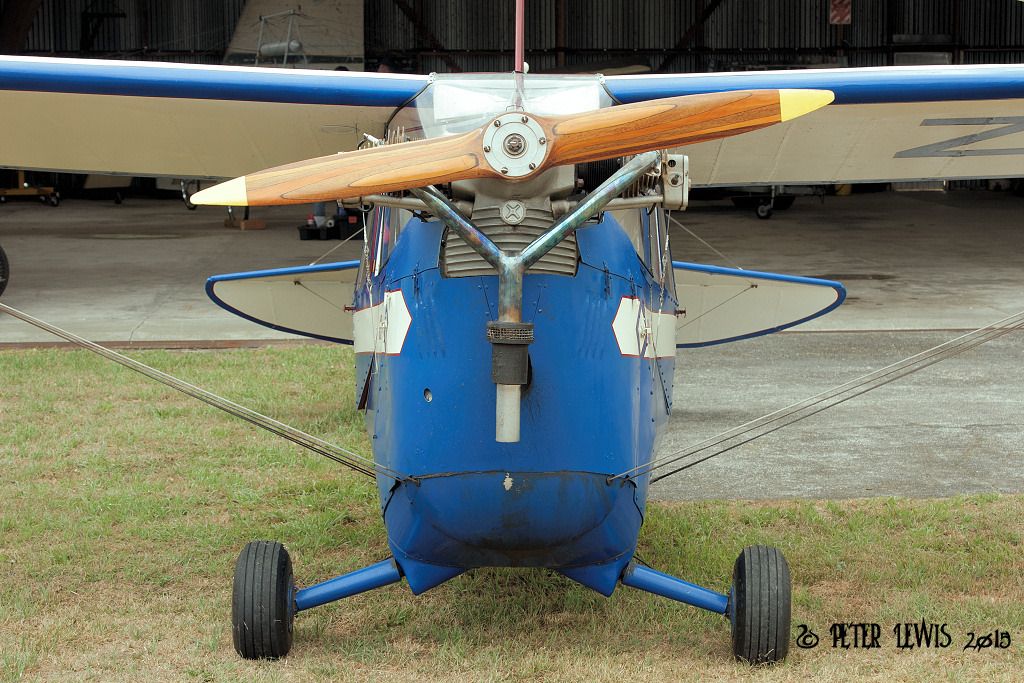
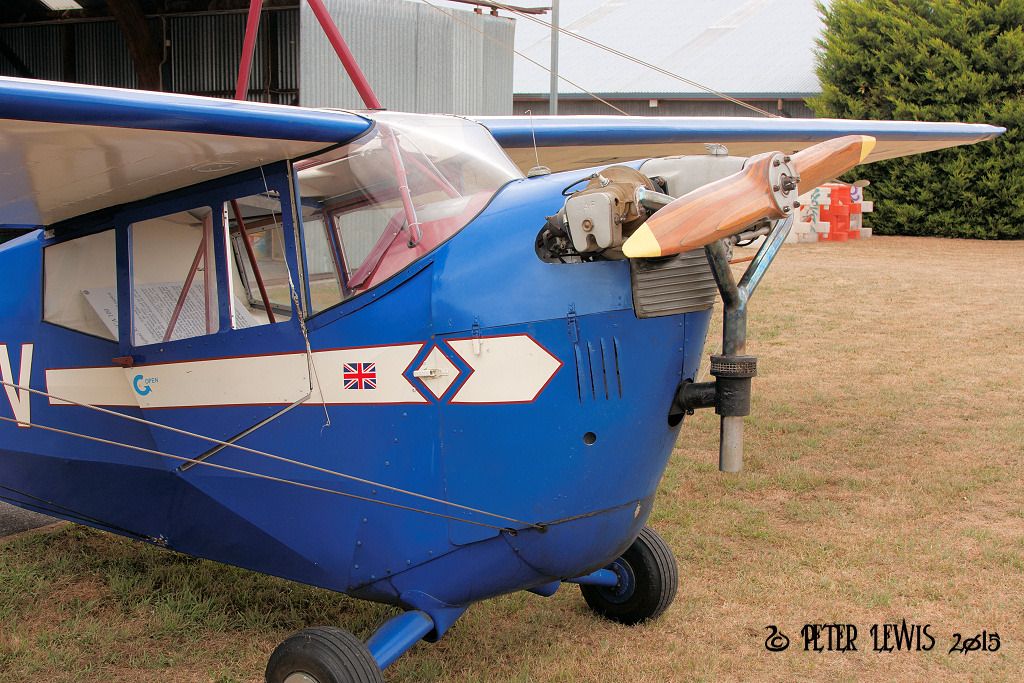
Yes, it does start – and taxii !
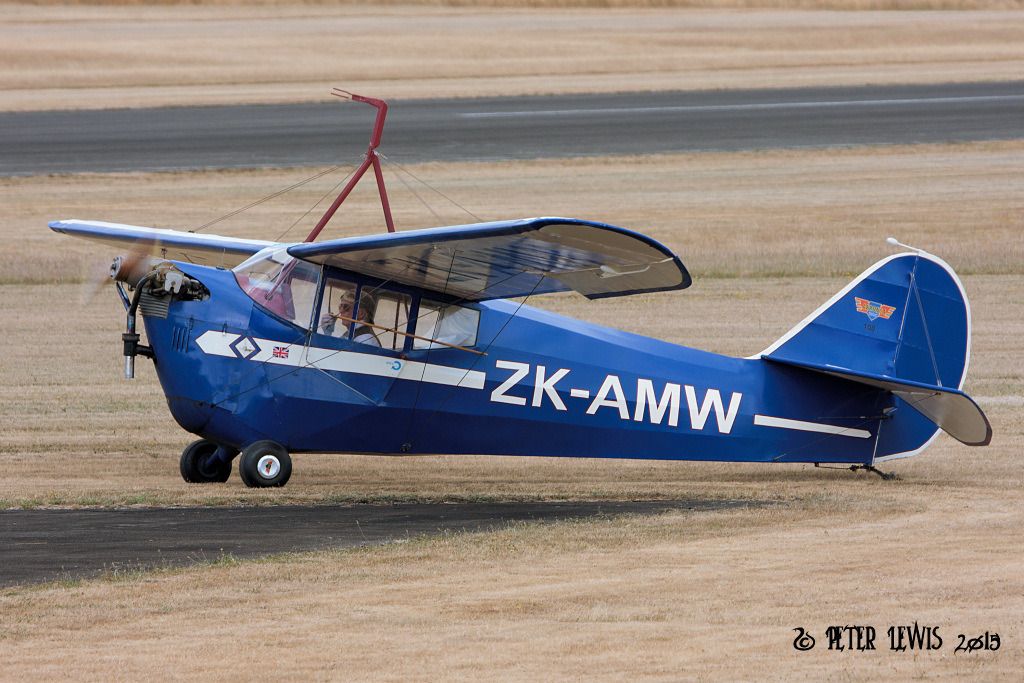
The lack of direct forward visibility is apparent here. You thought seeing over a Cessna panel was a problem?
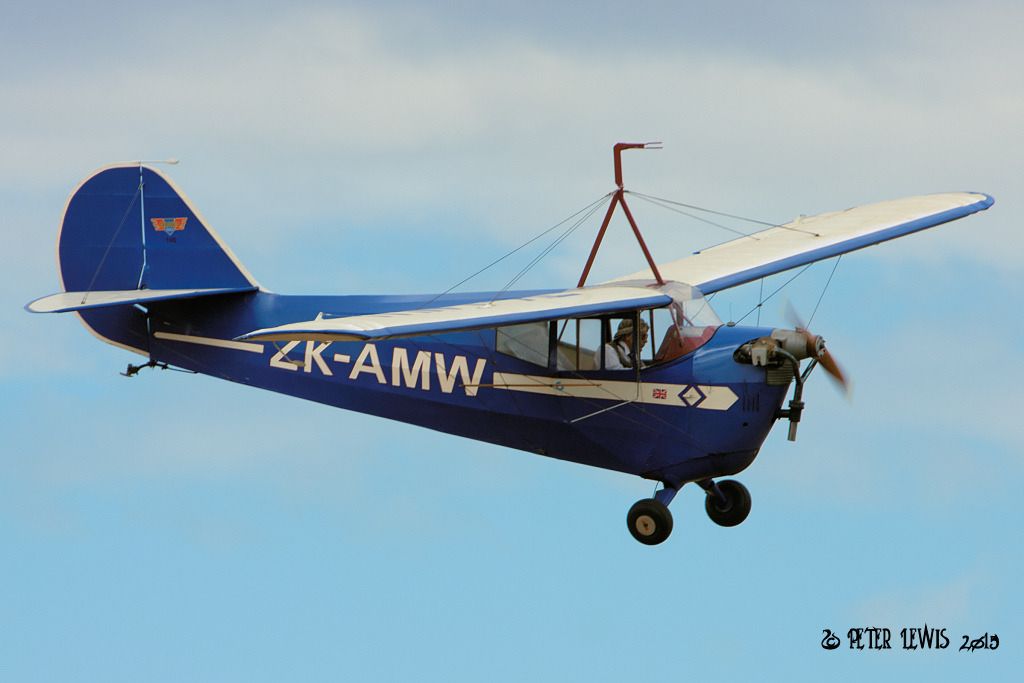
The book gives a speed of 80kt, but that would seem to be a little optimistic for 36hp and all that drag
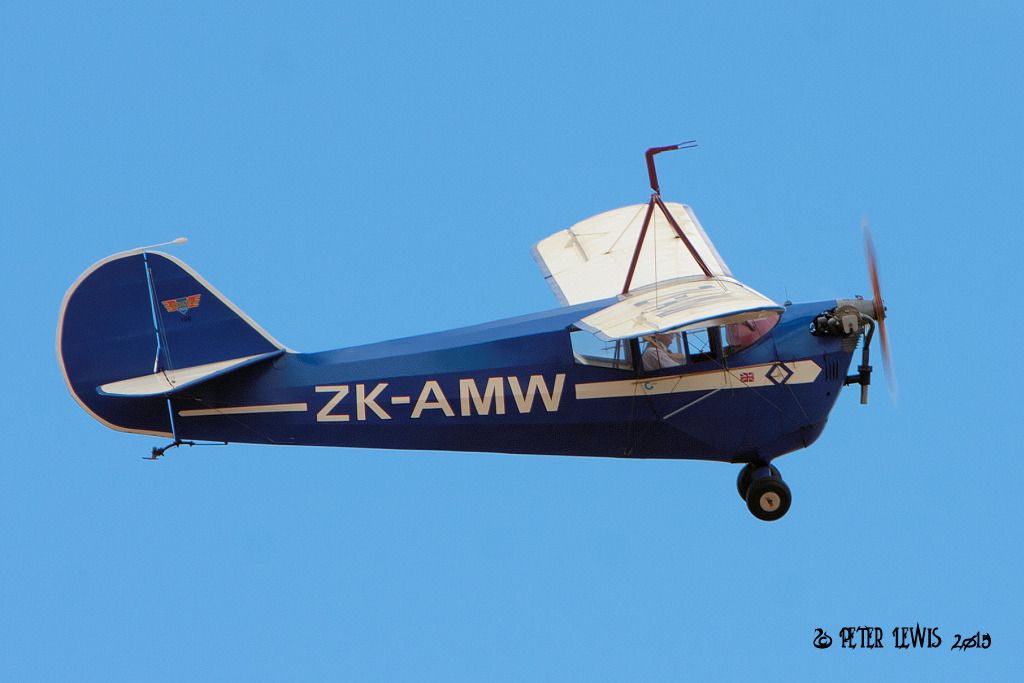
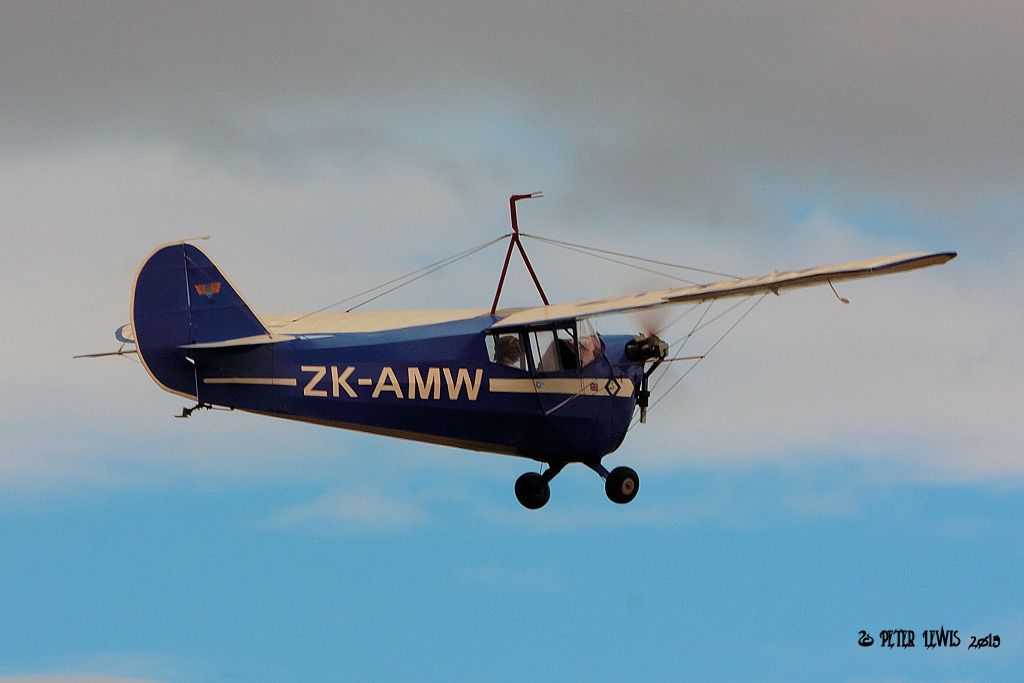
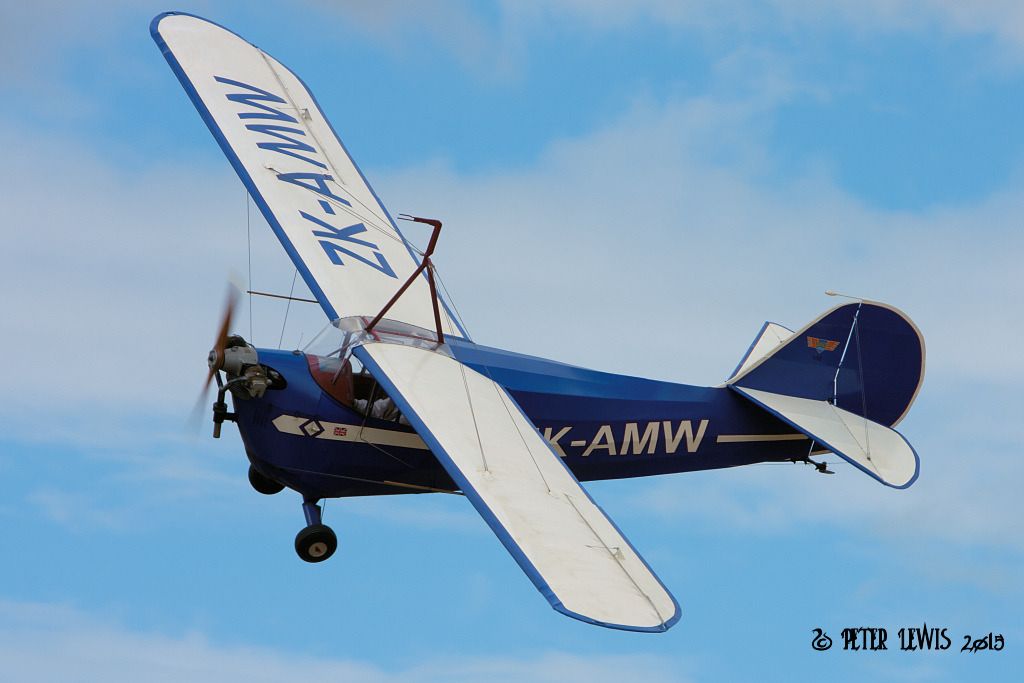
Coming in for the landing
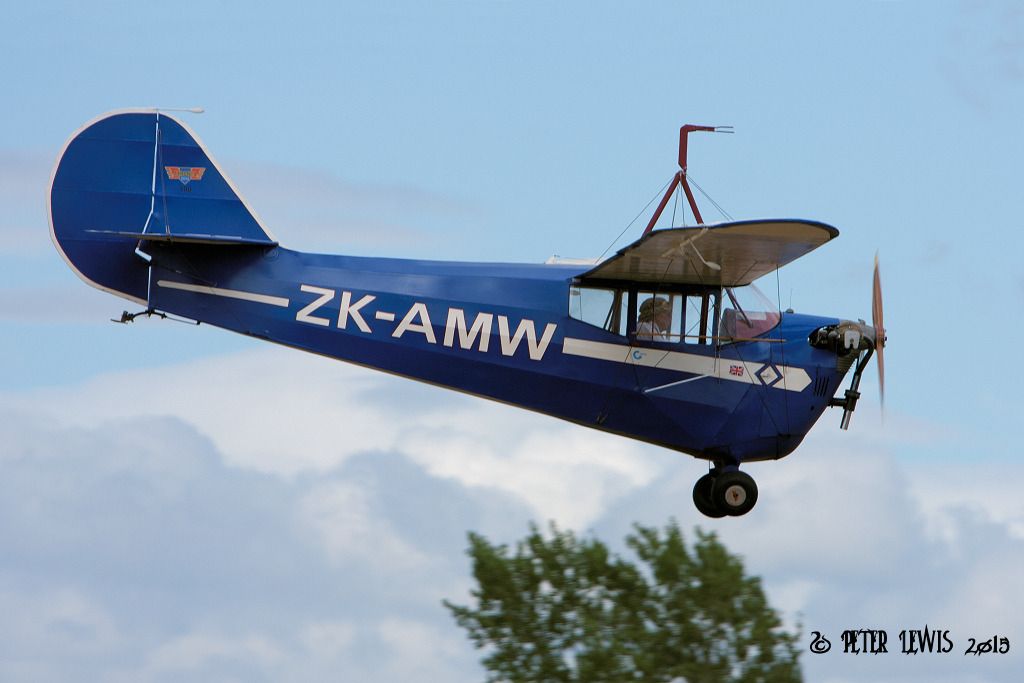
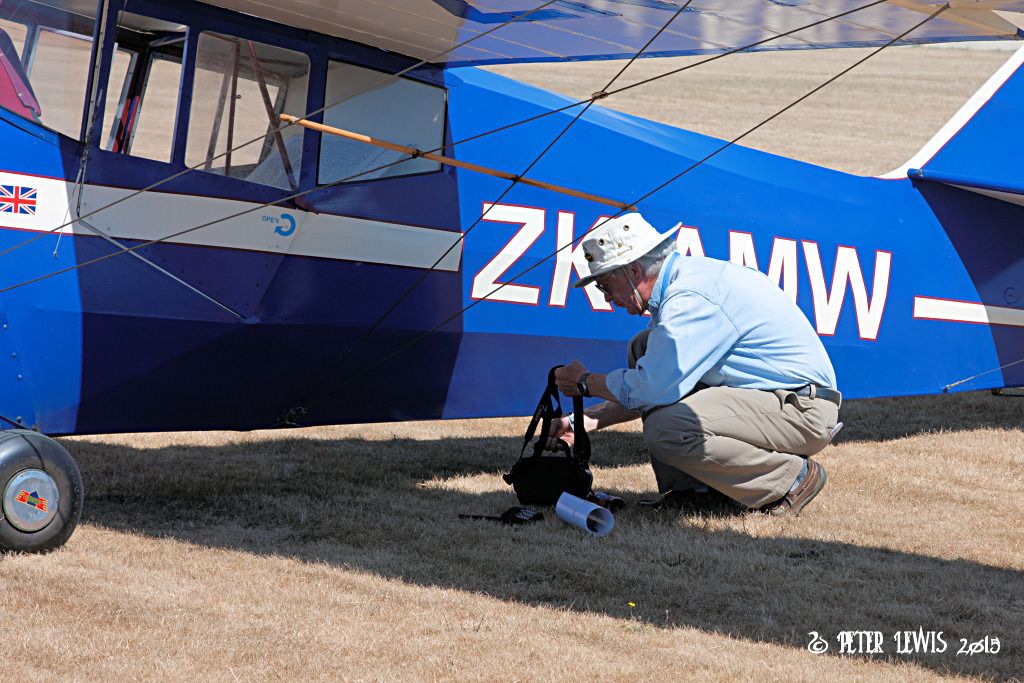
Entering and exiting the cockpit means negotiating all those wires. Display pilot Jerry Chisum ends up kneeling.
Kip Netherclift is justifiably proud of his restoration.
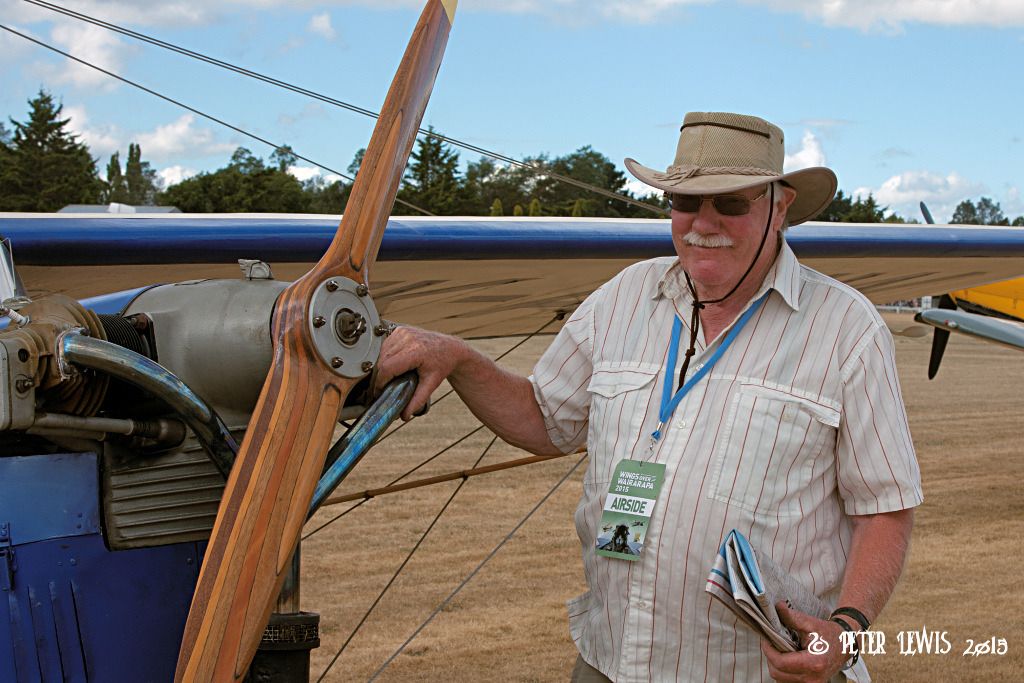
Kip told me that he is selling the Aeronca to a Stan Smith syndicate, and that his next project is the rebuild of the Taylor J-2 Cub ZK-AGD. I’m looking forward to seeing that one back in the air too.

By: scotavia - 11th February 2015 at 16:39
Fascinating thanks, I had not connected these earlier types with the microlights of today,it all makes sense when you consider that the need to get a flying fix can be satisfied in these small aircraft.
By: mike currill - 11th February 2015 at 13:40
Yes, I’d say it probably looks far better now than on the day of its original first flight. Their strange shape does give them a certain appeal.
By: Malcolm McKay - 11th February 2015 at 06:05
Those Aeroncas always make me chuckle, but in a nice way. That is a lovely job that has been done restoring ZK-AMW.
By: Mustang51 - 11th February 2015 at 03:47
This was a fantastic display at Wings over Wairarapa. I had never seen one in flight before and it was a truly amazing sight and sound. I believe that the first Aeroncas at least did not have any airspeed indicator so that may explain the current pitot positions. Long may she fly and provide such enjoyment.
By: mike currill - 10th February 2015 at 19:40
[QUOTE=Gipsy 1;2202447]36 Faster than a Cub doesn’t take much doing. So it doesn’t climb so much as wait for Earth to curve away from it then?
By: ErrolC - 10th February 2015 at 19:25
36 hp. The reduced drag from lack of wing struts and conventional landing gear makes them faster than a Piper Cub with twice the power. Rate of climb though, is a different issue!
It certainly put on a fine display at Wairarapa. There is plenty of airfield to turn over, so it stayed in front of the crowd throughout.
By: low'n'slow - 10th February 2015 at 17:55
The 1986 BBC short film based on Jack Parham’s book is a classic in my view.
It can be found (cut into parts) on the interwebtube thingy and DVDs are also available too.
By: low'n'slow - 10th February 2015 at 17:48
The Aeronca JAP J-99 (for 99 cubic inch) is a 1.6 litre flat twin, so it has loads of torque. That allows it to turn a surprisingly big prop and waft a remarkable amount of air for a 36hp rated engine.
Combine that with an efficient and light airframe and long 36 foot span wings, it adds up to a cracking little aeroplane. Still prefer the Cub though!
By: Gipsy 1 - 10th February 2015 at 14:11
36 hp. The reduced drag from lack of wing struts and conventional landing gear makes them faster than a Piper Cub with twice the power. Rate of climb though, is a different issue!
By: mike currill - 10th February 2015 at 13:11
I’m always surprised that the built in headwind conferred by their shappe didn’t prevent them getting airborne at all. I imagine the performance would have been somewhat less than sparkling with that engine, what was it, about 32hp? That said though she’s looking damn fine from here.
By: mmitch - 10th February 2015 at 09:51
Considering its history it looks in nice fettle now. When I walk round aircraft like this I wonder why the designer who is often the first constructor and pilot makes life more difficult? Those pitot tubes (?) sticking up (above the prop wash I realise) must cause drag on a low powered machine, why not out on the wing with the pipework inside? As for the viz, well!
mmitch.


 Sign In








 February 10, 2015 at 9:20 am