
By: wieesso - 1st October 2010 at 22:48
http://greywalls.co.uk/
“Designed by the celebrated Edwardian architect Sir Edwin Lutyens…”
“During the war, the house was requisitioned and became the officers’ mess for RAF Drem, the fighter station.”
http://webcache.googleusercontent.com/search?q=cache:DP_4pJJGtggJ:findarticles.com/p/news-articles/evening-news-edinburgh-scotland/mi_7832/is_1998_April_25/history-par-greywalls/ai_n32529709/+%22Greywalls+Hotel%22+%22raf+drem%22&cd=3&hl=de&ct=clnk&gl=de&client=opera
By: TomDocherty72 - 1st October 2010 at 21:41
Lutjens
Thanks, just what I was looking for. Grand mess by the way!
By: pagen01 - 1st October 2010 at 08:26
Yes it is Hullavington Moggy, forgot to say, and complete with the rest of the site faced in Cotteswold stone.
The Flying Training Schools had very impressive messes, and watch offices come to that!
The expansion period is a fascinating one on so many levels, but the station build programme and the architecture used must surely rank as the best the RAF, or possibly any British military service (outside Nelsons dockyard builds) has had in a certain time frame.
By: Moggy C - 1st October 2010 at 07:47
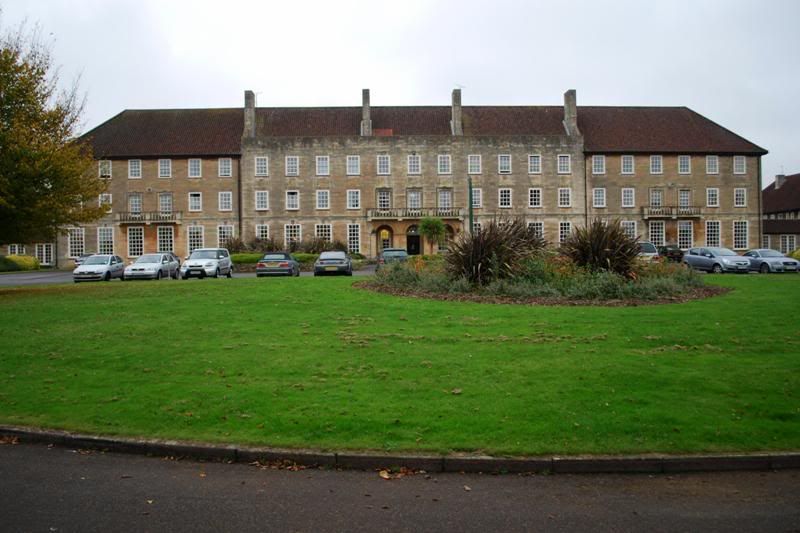
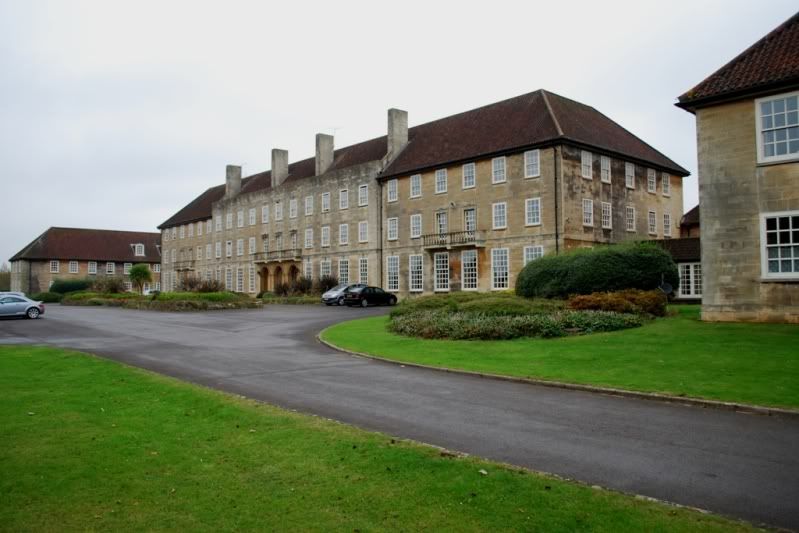
Talking of officers messes, this is often cited as the grandest example from the period,
Is that Hullavington as the image title might lead us to believe?
Moggy
By: Proctor VH-AHY - 30th September 2010 at 22:51
Gooday All
What an interesting subject, I hope there are a lot of posts
cheers
By: pagen01 - 30th September 2010 at 22:01
I’ve just consulted AP3236 (RAF Works) and unsurprisingly it dosen’t mention any architects by name, I do know there was a very influential designer involved with the drafting teams at the AM Works Directorate but can’t remember his name.
All building designs (from brick **** houses to hangars) of the expansion period had to be reviewed and approved by the Rural Fine Arts Commission, and the Society for the Preservation of Rural England had a say in the siting and disposition of buildings which explains the scattered hangar layouts on some stations and the use of local stone, and also why the buildings looked so great.
I do recommend asking on the AIX, http://www.airfieldinformationexchange.org/community/forum.php, and in particular Paul Francis
Talking of officers messes, this is often cited as the grandest example from the period,
By: wieesso - 30th September 2010 at 21:43
You can find some traces of Edwin Lutyens here:
“It was in this context that Ramsey MeDonald, as Prime Minister, had instructed that the Royal Fine Arts Commission to be involved in airfield design, and that a process of consultation with the Air Ministry was initiated with visits by commissioners – three distinguished architects (Sir Edwin Lutyens, Sir Reginald Blomfield and Giles Gilbert Scott) and the planning authority Professor S D Adshead – to Upper Heyford and Abingdon in 193 1. This resulted in the creation of the new post of architectural advisor to the Director of Works and Buildings, first occupied by A Bulloch in 1934, with many of the early (1934-35) building designs being specifically approved by the commissioners; afterwards, liaison over layout and other matters was personally handled by Lutyens.7 “
http://www.ihbc.org.uk/context_archive/66/airfields/airfields.html
guess 7 means:
7 C S Dobinson, 1997, Twentieth Century Fortifications in England Volume IX.1 & IX.2: Airfield Themes. Council for British Archaeology


 Sign In








 September 30, 2010 at 8:35 pm