THE CARAVELLE was introduced into service by Air France in the mid 1950s. It was built so quickly as it used the Comet nose and avionics. Although the comet 1 and 2 were first to start regular airline operations they were withdrawn before long due to structural failures. I believe Air France, using a prototype Caravelle III, were the first to operate a jet airliner on *sustained* services (once the jetliner was introduced on AF routes it remained on them until the late 1970s).
The Caravelle was build by Sud Aviation (Sud Est) as the sE-210 and the prototype used a drogue chute on landings. The most ubiqitous version was the Caravelle three but in the 1960s a more powerful version called the Super Caravelle (mk 10 – mk 13) was produced and used to replace the threes for a number of airlines (Finnair, Sterling, Air Inter etc) in place of using DC-9 or 737 types. I guess personnel re-training and maintenance bills were much lower by staying with the same basic type.
This short-medium haul jetliner was ordered by almost all the main European carriers except Lufthansa. It was also used in the Americas. By the early 1970s these fleets of mainstay Caravelle types were being replaced by 727, 737 and DC-9 jets and the aircraft were sold to small holiday IT charter airlines across Europe. This was a very successful mode of use and these second-hand jets were used into the mid 1980s by charter operators. This is the era my photos pertain to although the Caravelle’s true glory days were when most of Europe’s primary airlines use the jetliner as its mainstay short-haul type. There were also IT charter airines that operated Caravelles during the 1960s like my favorite Caravelle airline; Transavia Holland.
Europe Aero Service Caravelle at Luton in 1982 in one of several similar liveries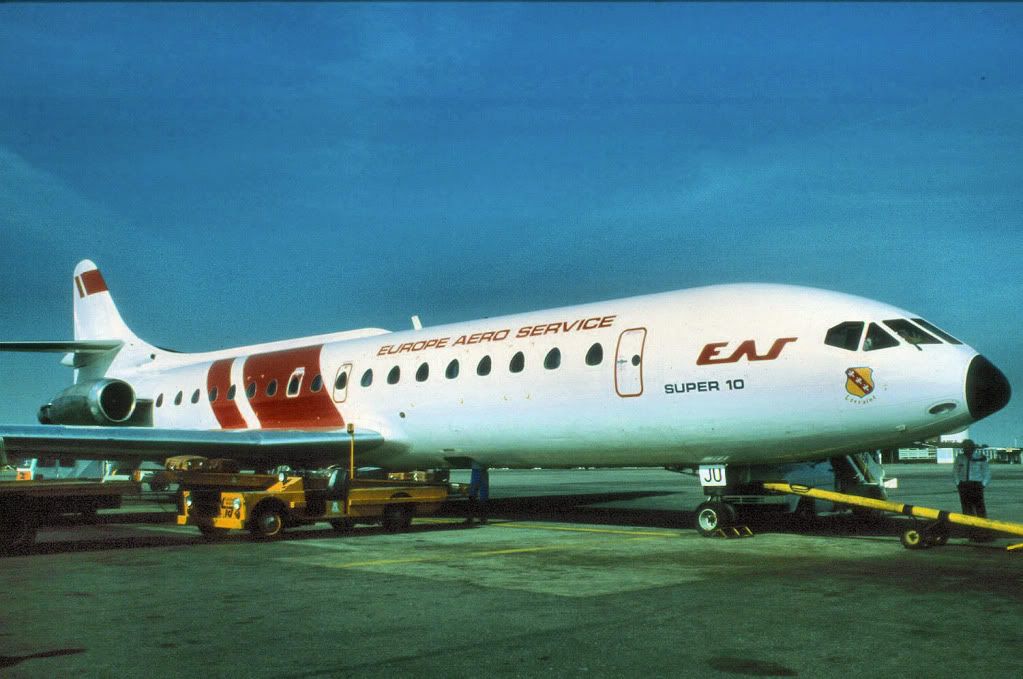
Europe Aero Service Caravelle on Air France services in a second of several similar liveries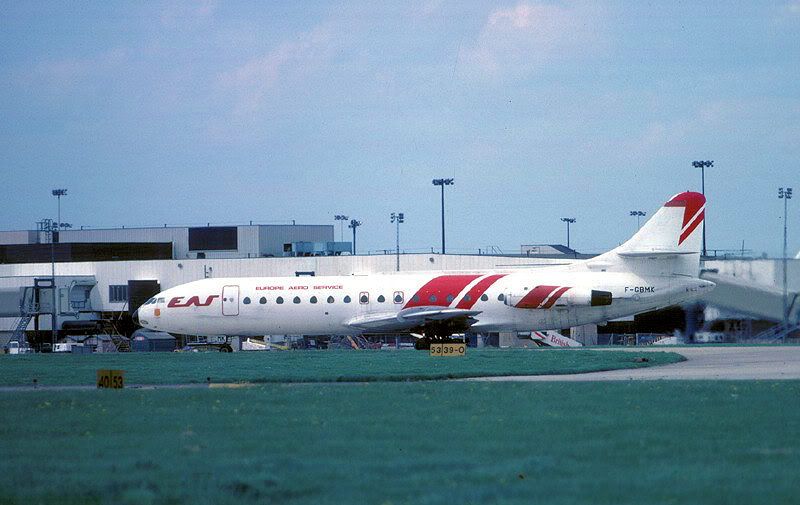
Air Charter Int’l Caravelle lifting off at Palma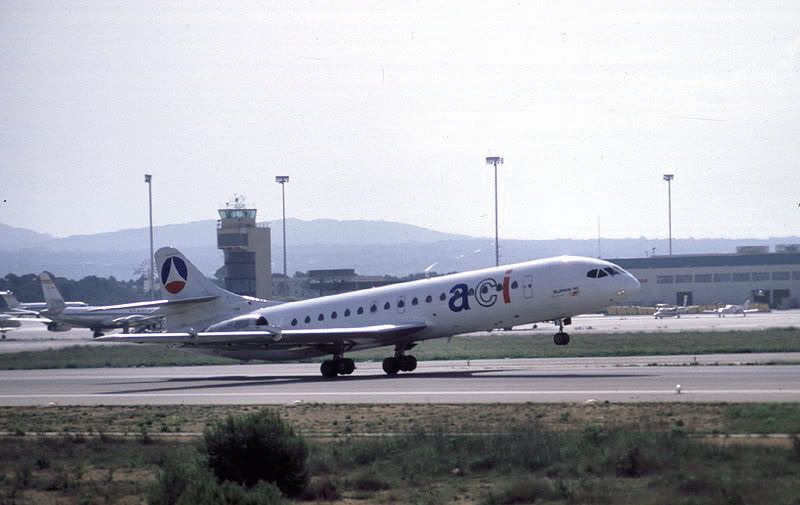
Air Inter Super Caravelle rolling at Orly 1983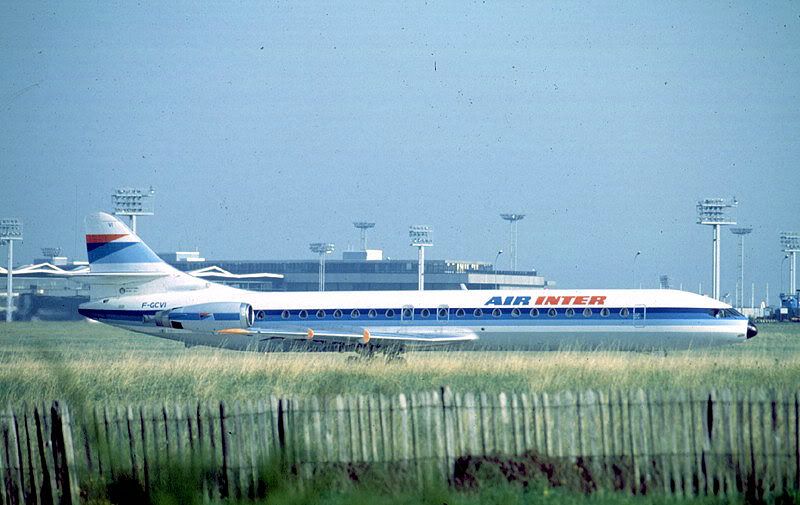
Altair Caravelle with Air Inter cheat line at Luton in 1982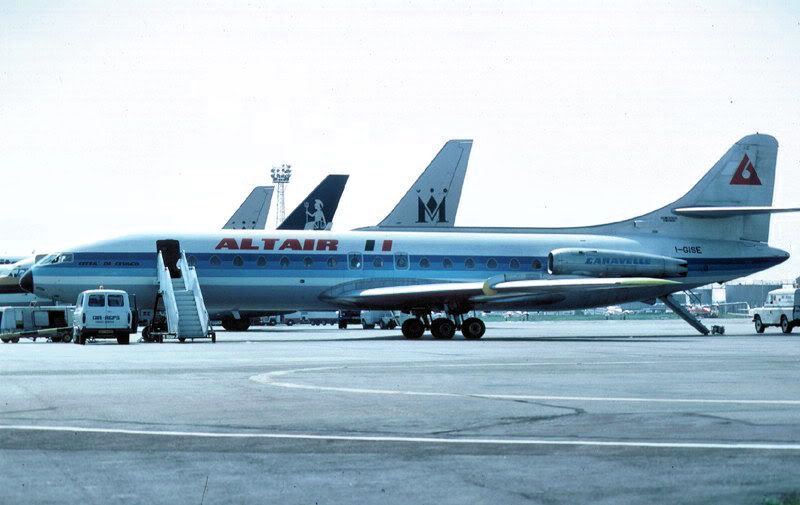
Altair Super Caravelle in basic blue livery (from another airline, cannot recall which)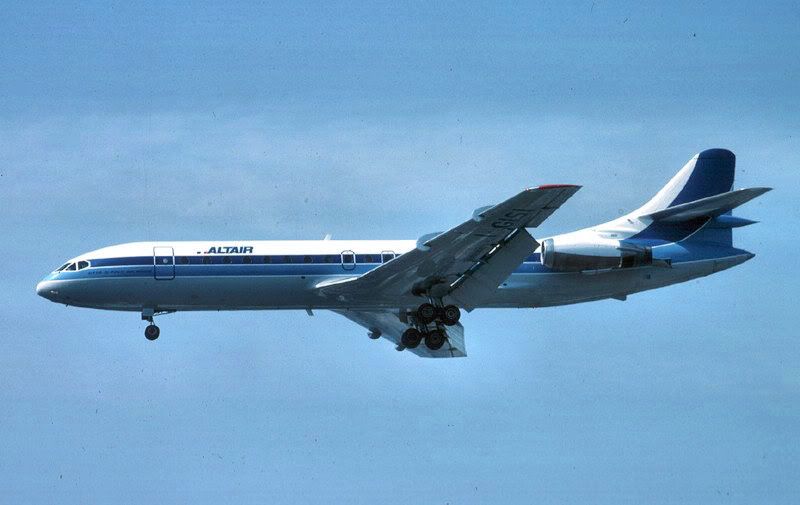
Altair Caravelle in classic livery – this is a nice retro look, even for the 1970s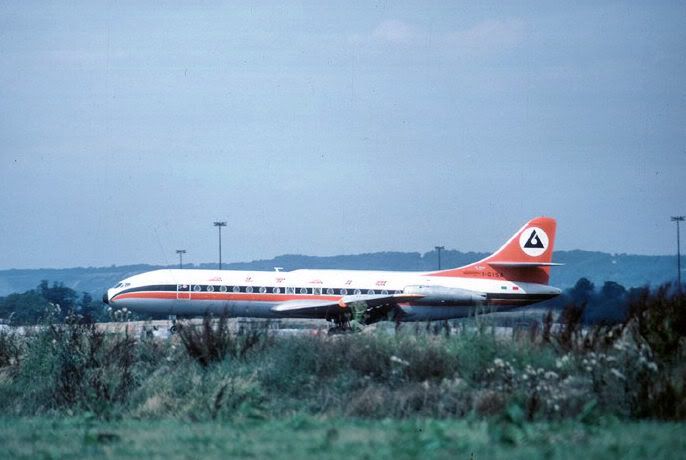
Corse Air Caravelle in variation markings – probably an African lease-in as it has a TZ- registration and an African face?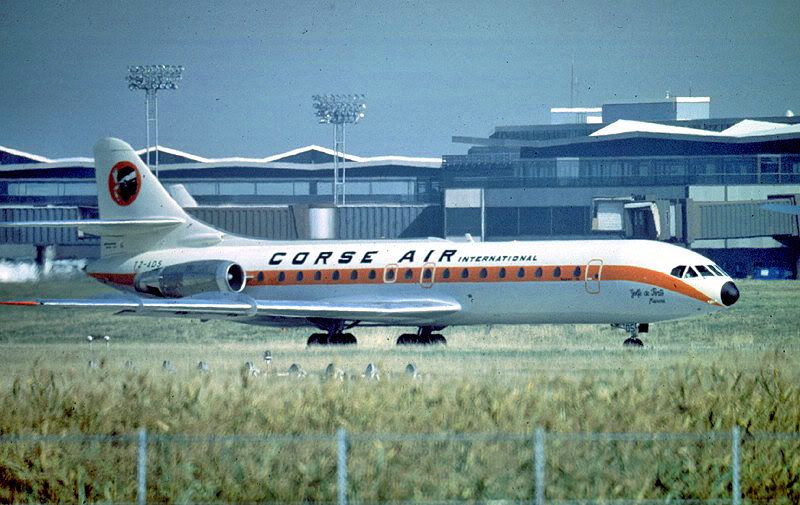
CTA Caravelle – another classic look from Gatwick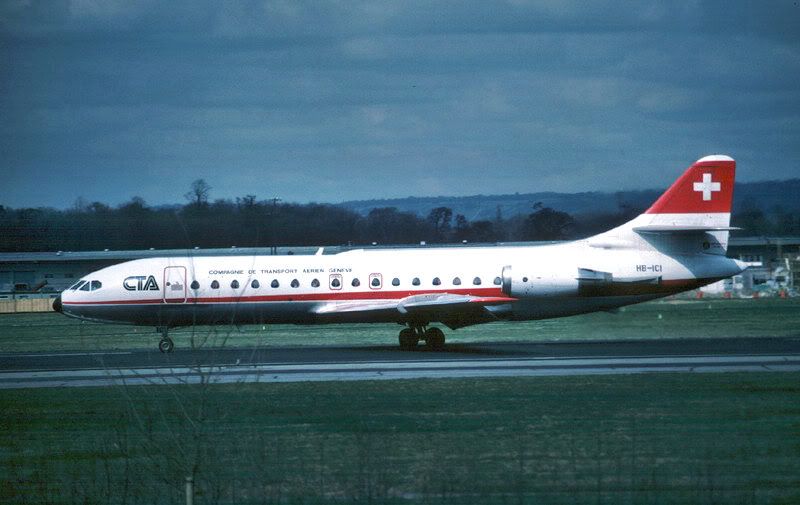
Hispania Caravelle – one of the latter holiday charter airlines to use the Caravelle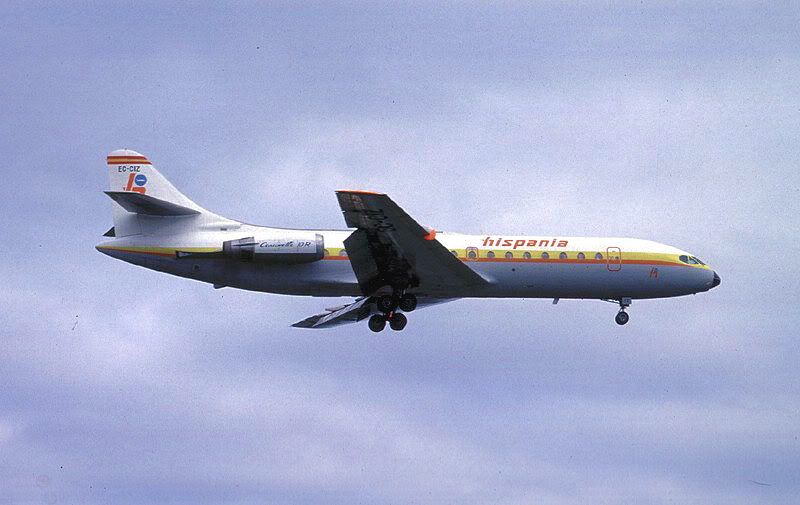
Iberia Caravelle and DC8-43 at Heathrow in 1972 – I took this as a child because the two jets were the same colours.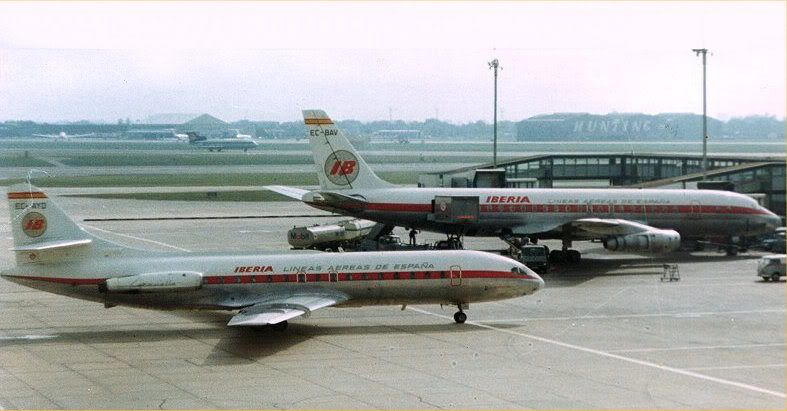
Minerve Caravelle at Orly – the most dismal airline livery I have ever come across. This was their full livery! Their DC8 was painted similarly.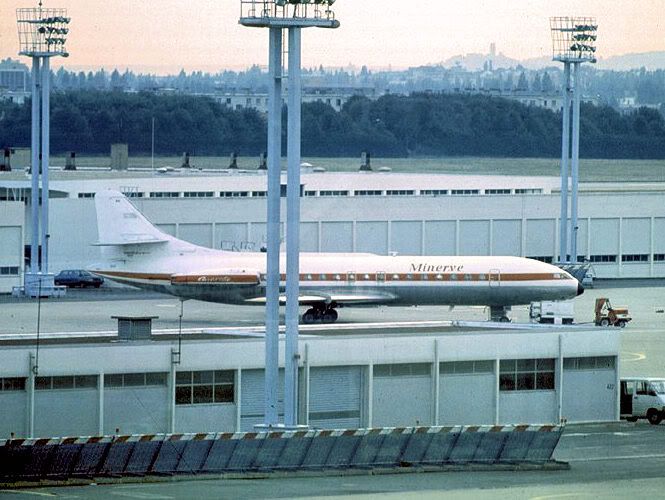
Trans Europa Caravelle – Gatwick again and that Gatwick Caravelle look that reminds me of the 1960s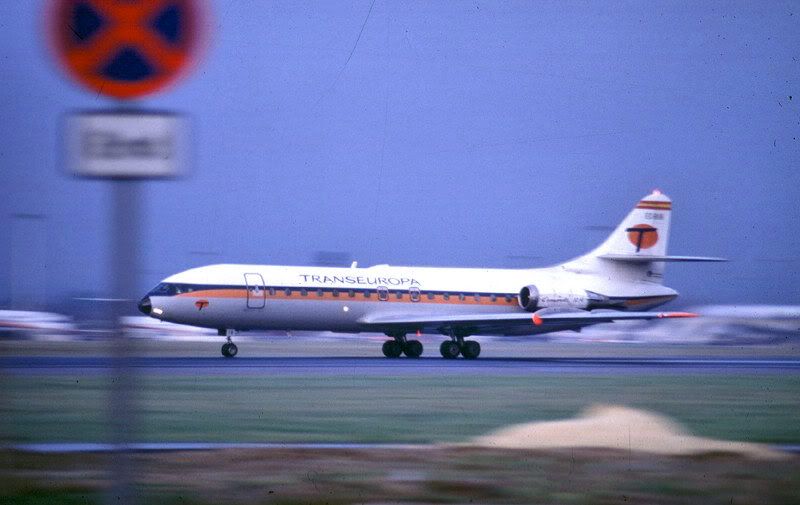

By: garryrussell - 25th February 2015 at 14:39
Not a French thing as the A.350 is International, not French and the Caravelle used the British Comet nose, which, sorry to disagree with most,:confused: in my opinion is the ugliest nose ever fitted to a jet airliner.:apologetic:
By: uav689 - 18th February 2015 at 23:45
Very pretty aircraft, i think the a350 nose has a touch of the caravelleabout it, maybe a french thing!
By: garryrussell - 26th January 2015 at 19:35
The DC 9 did have the ventral airstairs at first but later they tended to be built without.
http://www.abpic.co.uk/images/images/1137832M.jpg
Not all One-Elevens had the stairs. Braniff new builds did not and some execs were built without
The stairs were not pioneered by the Caravelle. AFAIK the first was the Martin 202
http://cdn-www.airliners.net/aviation-photos/photos/0/4/9/0115940.jpg
By: J Boyle - 26th January 2015 at 19:03
DC9 and B727 had them too.
The DC-9 does not have them.
By: J Boyle - 26th January 2015 at 19:02
There is one preserved at the Pima museum in Tucson, Arizona.
I’m sure there are others…
By: cabbage - 26th January 2015 at 16:50
Slightly off topic (ie airliners), the Swedish Air Force operated some on I believe Elint duties.
By: mike currill - 26th January 2015 at 16:37
Interesting, I wasn’t aware that they were fitted to those two types. Mind you that isn’t surprising as I know little of airliners post piston engine era. Being able to identify most types is the limit of my knowledge.
By: FLY.BUY - 20th January 2015 at 21:19
I agree they were a beautiful looking machine and pioneered the under fuselage airstair door which BAC used on the 1-11
DC9 and B727 had them too, Although I appreciate that the Caravelle pioneered this first. Another bit of trivia after the Russian president of the time flew on the Caravelle he liked it so much that he instructed the Russian aviation industry to build a similar type of aircraft. Out of this the TU134 was born.
By: mike currill - 16th January 2015 at 18:12
Imagine how pretty it would have been as a 3 holer!
.
It would have ruined the lines of a beautiful machine.
By: mike currill - 16th January 2015 at 18:08
A beautiful, beautiful aircraft……..but I am unashamedly biased:)
I have been lucky enough to have flown on Caravelles more than once. They were Transeuropa, STN-PMI-STN, Sterling STN-EBJ-STN and finally Transwede, STN-ARN-STN. I always liked the look of the Transeuropa colours, especially the dark area around the flight deck glazing. I have always thought that the F28 was a good looking follow on from the Caravelle, but that French beauty will always be the ‘aeronautical love’ of my life 😉
I agree they were a beautiful looking machine and pioneered the under fuselage airstair door which BAC used on the 1-11
By: Runway06 - 7th January 2015 at 12:11
Anyone got a picture of what the modified nose looked like?
By: MSR777 - 6th June 2011 at 21:35
Any idea which mark of Caravelle had the Comet type cockpit?
The Caravelle 6R was the first variant to sport the modified nose.
Nice to see the Transeuropa pics, especially at STN!
By: Paul Cushion - 6th June 2011 at 21:29
I saw a Sterling Caravelle whilst waiting for a flight at rhodes airport in the summer of 1990. Very impressive!
By: simonfb - 6th June 2011 at 21:05
My first flights on a Transeuropa Caravelle’s
My first flights was as a 8 year old with my parents were on these Transuropa Caravelles,
19TH SEPT 80 SE-210 TRANS EUROPA STN – PALMA EC-BRX

EC-BRX Transeuropa Caravelle by simonfb100, on Flickr
26TH SEPT 80 SE-210 TRANS EUROPA PALMA – STN EC-CYI

EC-CYI Transeuropa Caravelle by simonfb100, on Flickr
By: civilspotter - 6th June 2011 at 19:36
I missed the golden age of the caravelle but did see them as charters, here are some supers
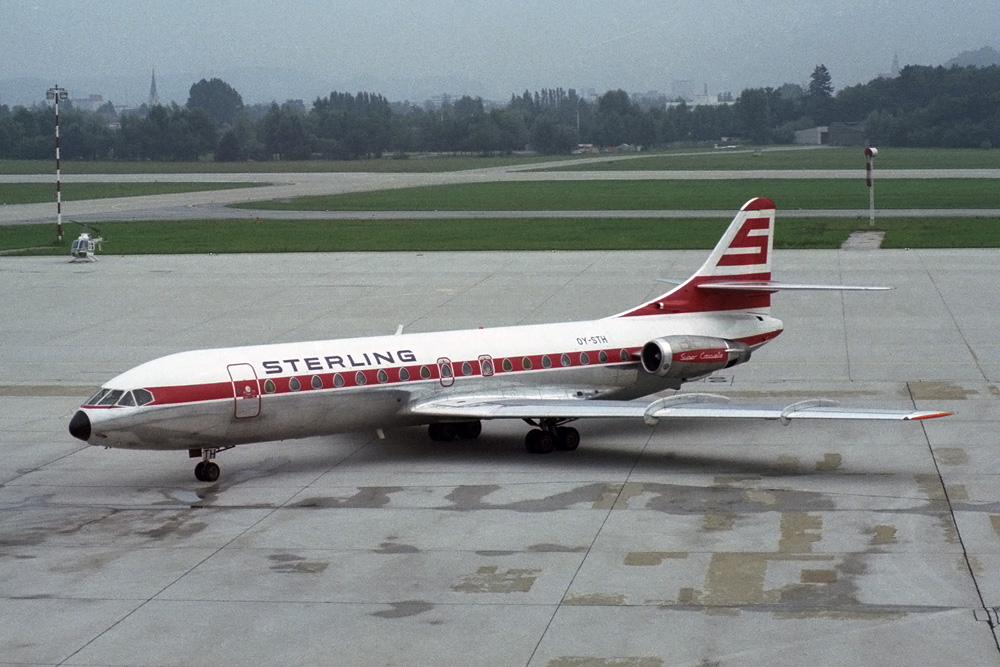
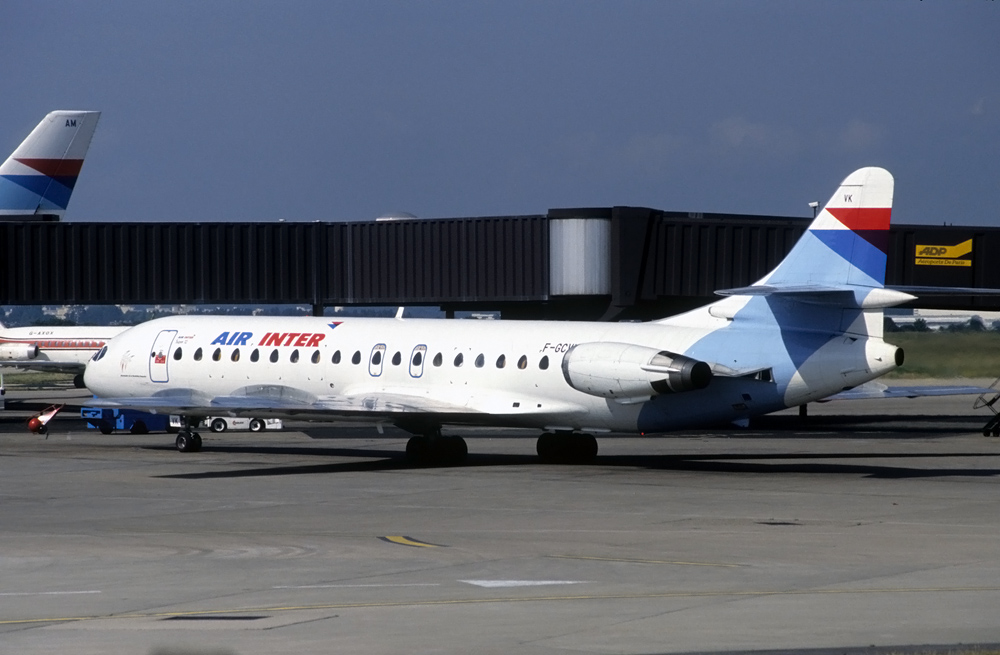
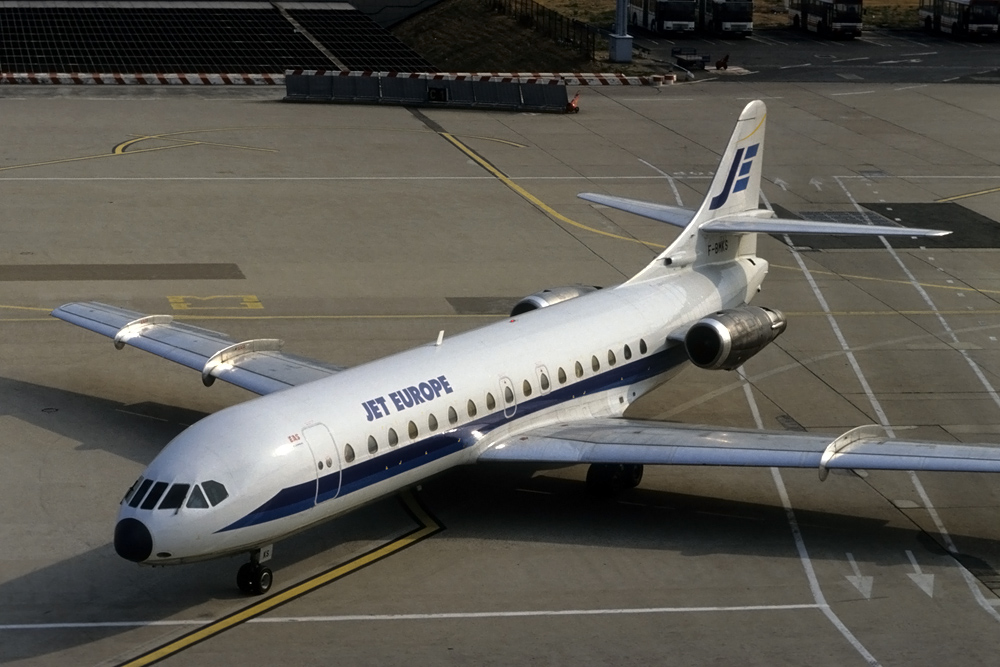
actually the same aircraft as above
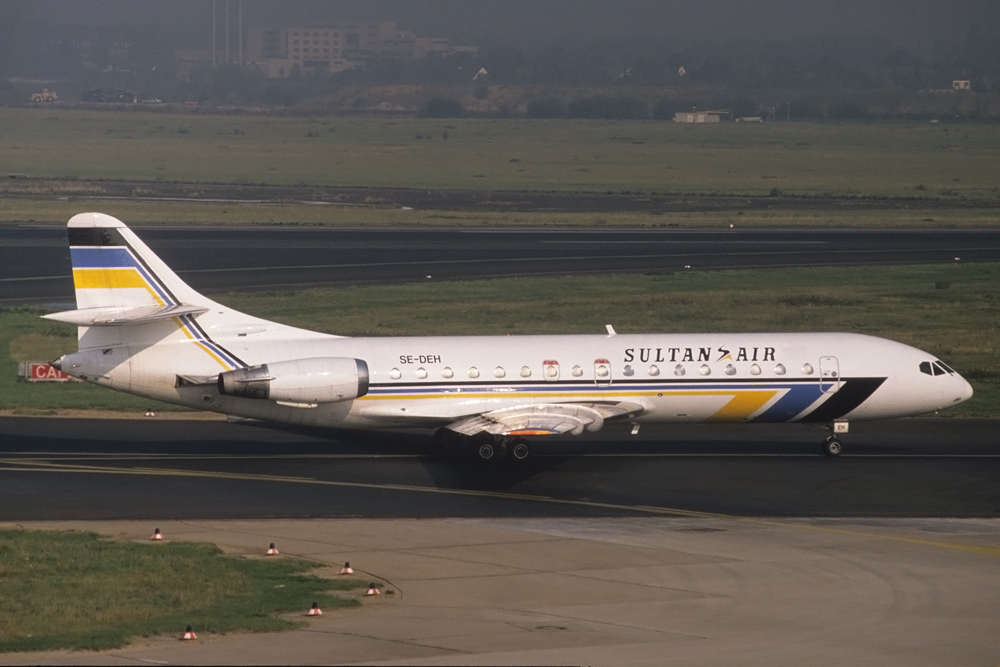
Transwede colors
rgds
EC
By: PeeDee - 6th June 2011 at 00:39
Imagine how pretty it would have been as a 3 holer!
If it wasn’t for the RR Avon being so good, it would have been.
As Sud leased the build licence from DH, they proably used that design for all marques. The 12 looks like the 1 to me, but the picture of the 1 is very old and tired.
By: FLY.BUY - 5th June 2011 at 22:30
They did indeed work with DH to utilise a slightly modified Comet nose section. Later Caravelles featured a very different flight deck glazing configuration, to greatly improve the field of vision for the crew. I believe that Sud took the opportunity to modernise the flight deck layout at the same time
Any idea which mark of Caravelle had the Comet type cockpit?
By: FLY.BUY - 5th June 2011 at 21:28
Ahhh always wondered what the design theory was behind this, Many Thanks
By: J Boyle - 5th June 2011 at 06:52
I love the Caravelle windows, unique shape not seen on any other aircraft to my knowledge?
The North American Sabreliner 40 and 60 (and T-39) series had basically similar windows.
Designed I’m told, to maximize views of the ground while limiting the sun’s heat.
By: MSR777 - 4th June 2011 at 22:29
They did indeed work with DH to utilise a slightly modified Comet nose section. Later Caravelles featured a very different flight deck glazing configuration, to greatly improve the field of vision for the crew. I believe that Sud took the opportunity to modernise the flight deck layout at the same time


 Sign In








 May 18, 2011 at 12:05 am