I read a lot on this forum about ground running and fast taxiing of things like Lightnings, Victors, Buccaneers and Sea Vixens. Are there any laid down requirements for these activities or is it a question of using common sense?
Do the UK Civil Aviation Authority get involved or is it a matter of getting insurance?
ScotiaQ:confused:

By: vintac34 - 19th December 2010 at 00:40
Historic/Vintage aircraft should not be ground run unless for a specific purpose i.e return to flying status…
They should be properly inhibited and stored in a low humidity envoirnment if at all possible..
Ground runnig of a/c in short term storage can be acceptable provided the engine is run to normal operating temperature..
Short runs can be disasterous in the long term due to build up of moisture and other contaminants which would boil off at higher temps..
As regards running an engine without a propeller or other vibration dampening device fitted..the mind boggles!!!!
Finally if you want to preserve an engine inhibit it..
If you dont care and want noise,well run away!
By: Augsburgeagle - 18th December 2010 at 23:06
Anything mechanical will last longer if it is used.If maintained properly and run to well within limits engines will last.
I believe that all depends on how frequently it is run. There is a rather sobering AAIB report that deals with this issue and as another example I think WR963 has also had to have pre-oilers fitted due to excessive wear from infrequent running (please correct me if i’m wrong)
By: QldSpitty - 18th December 2010 at 22:42
Anything mechanical will last longer if it is used.If maintained properly and run to well within limits engines will last.
By: Graham Adlam - 18th December 2010 at 19:06
Yes its definately a V8 Rover engine.
By: Die_Noctuque - 18th December 2010 at 15:44
Surely it’s a Rover V8 in their Hurricane replica..? :confused:
By: dailee1 - 18th December 2010 at 15:36
Ground Running
On one of my last visits to the Tangmere Aircraft Museum, the propellor had been removed from the Hurricane, the exhaust stubs were connected to a duct that ejected the exhaust outside the building, and the engine was run for a short time, (as I recall it was 5 min running and an hour in between runs), to enable patrons to appeciate the sound of the Merlin when running.
I personally did not appreciate the sound since running with the propellor off meant that the engine could not be run at anything like full load.
IMHO it was an expensive waste of engine hours
By: aeropark - 18th December 2010 at 13:07
Aeropark’s EE Canberra T.17 WH740
This clip is of the Aeropark’s EE Canberra T.17 WH740 doing her last ever Engine Run in 2007.
By: pagen01 - 13th December 2010 at 18:14
Bring them all back down to sunny South Wales and we can stick them in our nice, modern, empty Super Hangar:diablo:
Yes it’s completely empty now, just what the WAG wanted eh!
At least you had the chance to work on these great exhibits.
By: Caliph - 13th December 2010 at 18:02
So who was responsible for lopping the blade tips off the Me 410 while it was at St Athan? as I heard it these innocent ground runs caused the 410 to lift its tail and the prop tips hit the concrete.
By: DoraNineFan - 13th December 2010 at 00:18
Hi James
Regarding the cut props, I believe this was due to an accident whilst moving the aircraft, bending the ends of either 1 or 2 blades.
The engines of these two aircraft were inhibited, so should be capable of running again. We have a damn sight more engineering knowledge, information and technology than we ever had in those days, so these things should be used to their full potential! P
We certainly have a lot more engineering knowledge than when these planes were being run-up.
Regarding the cut prop, perhaps it would be possible to restore it using today’s prop-repair technology. Or if the A-2 example that is with the NASM uses the same prop, then a duplicate could made if funding allowed it.
By: S-8 - 12th December 2010 at 23:09
Hi James
To be honest (due to my hideous memory), I thought it was about 1990 or ’91 when most of the collection left, but I came across this site which gives details of each aircrafts movements, so it must have been either 1989 or possibly 1988:
http://ciapoldiescorner.blogspot.com/2009/01/100503-focke-achgelis-fa.html
The picture of the Fw190 was taken standing on the wing of the Me410. There must be some video footage somewhere of these two in action, but I haven’t found it yet (been searching for a long time!)
Regarding the cut props, I believe this was due to an accident whilst moving the aircraft, bending the ends of either 1 or 2 blades. See the photo below of the props cut compared to a photo taken by PenPusher at Cosford in ’85 here:
http://brianamarshall.fotopic.net/c1183845.html
The engines of these two aircraft were inhibited, so should be capable of running again. We have a damn sight more engineering knowledge, information and technology than we ever had in those days, so these things should be used to their full potential! Perhaps kids would remember a trip to these museums even more seeing these things coming to life rather than just walking by “another” exhibit. Perhaps a chance for another spotty teenager like I was to get his hands dirty helping to maintain them.
Bring them all back down to sunny South Wales and we can stick them in our nice, modern, empty Super Hangar:diablo:
Cheers
Si
By: pagen01 - 12th December 2010 at 12:08
Cracking pictures Simon thanks for sharing. I didn’t realise the collection was still there until 1989?
Looks like you took the pics from another German type, what was it?
We do get sunshine every now and then!;)
By: S-8 - 12th December 2010 at 10:53
Must’ve been Wales, it was raining.
Just to prove to JDK that it doesn’t rain in Wales ALL the time!:D
By: pagen01 - 11th December 2010 at 22:57
Can see the pics now James, very nice thanks for posting. It must have been fantastic to have witnessed these ground runs.
Obviously the 410 could run without being plumbed into the mains water supply on occasions!
By: piston power! - 11th December 2010 at 15:31
Engines were designed to be run and ran at full bore not to be looked at & polished.:D
By: pagen01 - 11th December 2010 at 12:40
The only answer I can think of to defend that is just think of all the joy that watching, hearing, and photographing a running 410 brings compared to it being ‘stuffed and mounted’ in a museum where the majority (inc myself) wouldn’t even notice the slight change in the prop blades.
Does anyone here actualy know just how much the props were modified, I was under the impression that it was very little and only affected a blade or two.
I know this is a sensitive subject, with strong pros and cons for both stances. I’m a bit of a twee old fool at times, but the old way of doing things just looked more involving and fun, for want of better words, and as long as it was done properly didn’t cause any lasting damage.
At the end of the day and engine is an engine, as long as precautions for cooling and lubing are adhered to then running one shouldn’t be a great problem – it happens in other mechanical collections.
I also like the idea of the dispersed RAFM museum sites, such as Colerne, Saints, & Cardington etc, but things have to be centralised and ‘glossy’ now I suppose.
We shouldn’t forget that other collections have ground run, including Newark.
By: Augsburgeagle - 11th December 2010 at 12:22
Thanks for the opinions everyone! Personally I am an advocate for ground running historical types as long as it is done without detriment to the aircraft involved, I am glad to hear that the running was done properly but on a personal level still not totally convinced cutting the props of the 410 was worth it, how many 1000’s of people have viewed that aircraft since then and thought that is how it is supposed to look! I am still of course very envious that I wasn’t there to view the runnings too!
James I have to admit you have the better of me as I know very little about you, perhaps you can inform me by pm!
Matt
By: JDK - 11th December 2010 at 12:01
I can’t view your pics at the mo James…
Wait’ll you can. 😉
I’m guessing you would have an opinion on the to run or to not run with historic types?
More importantly I have some views of those involved in running and preserving such aircraft, including at least one source related to Augsburgeagle. But they’ll have to wait until tomorrow, it being late now, and having a couple of re-write jobs in front of me. (Why do some people think publishable articles can be had by just rearranging the numbers on an aircraft’s record card?)
Regards,
By: pagen01 - 11th December 2010 at 11:40
I can’t view your pics at the mo James, but brilliant find with the St Athan collection link, thanks.
I’m guessing you would have an opinion on the to run or to not run with historic types?
By: JDK - 11th December 2010 at 11:32
Must’ve been Wales, it was raining.
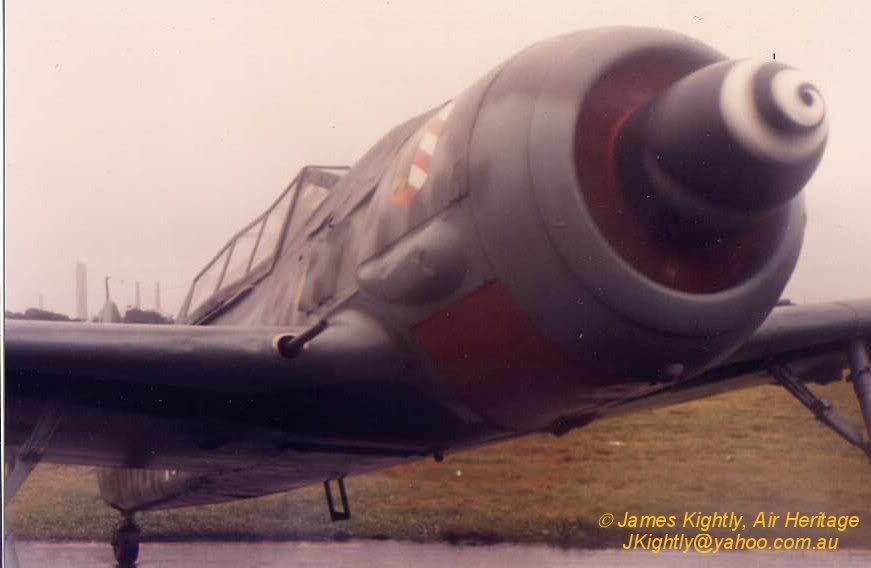
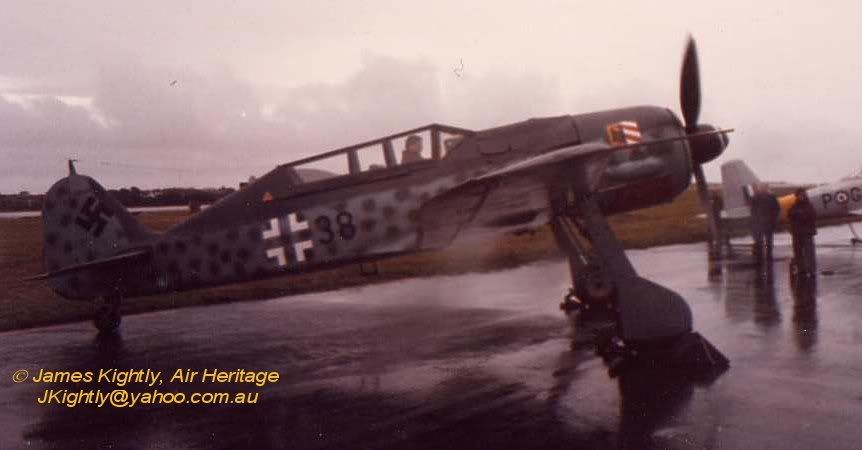
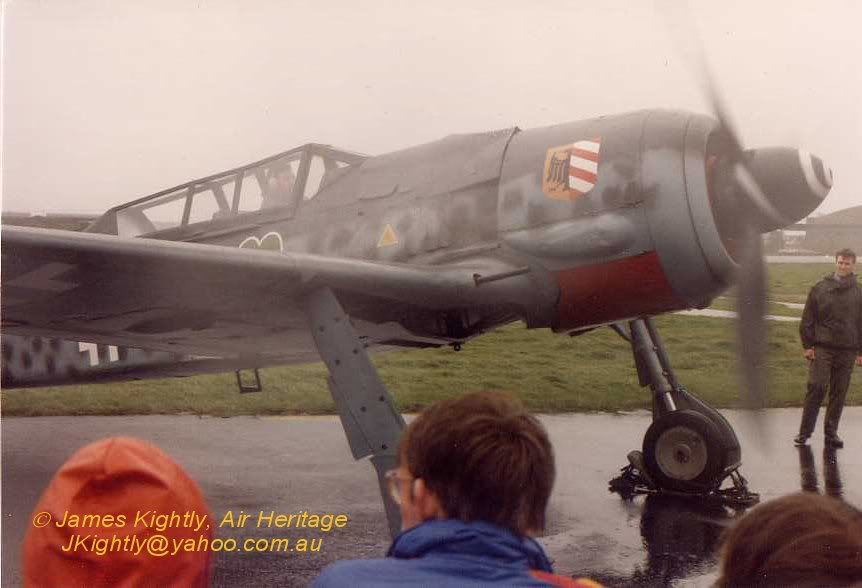
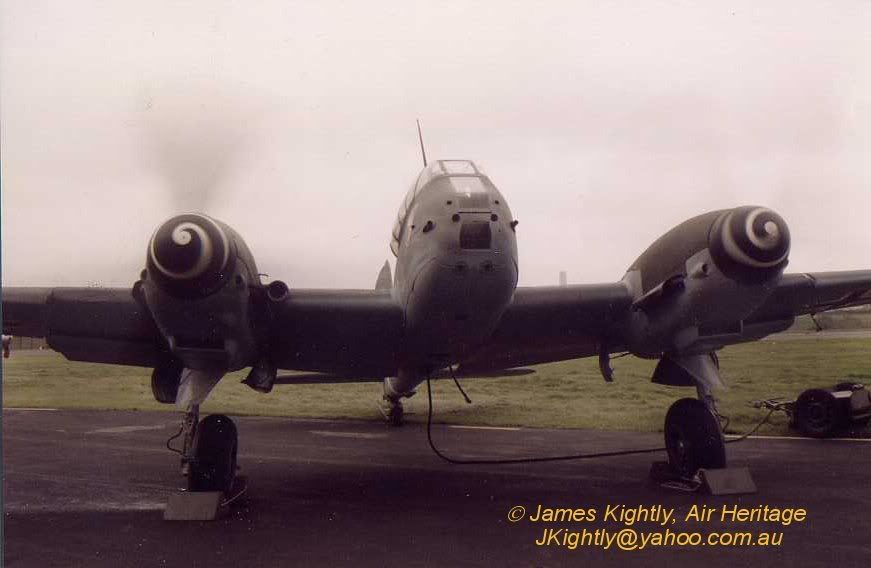
More photos and some info here: http://members.multimania.co.uk/rafstathan/


 Sign In








 December 9, 2010 at 2:01 pm