I am currently scanning a small collection of small snapshots taken in India from 1942 to 45 They are on loan from Liz D a lady relative of Clares and came to notice by a chance conversation in Australia. The photos were taken by Liz’s late father, then Cpl Peter Westlake Walker who had soloed in BA Cirrus Swallow G-AFII pre war at Hanworth.
However for medical reasons he was not to fly in the war but became an engineer and spent most of his time in Indian and Burma with 31 Sqn and 1 Aircraft Servicing Sqn, also 1 Armament (later Gunnery) Training Unit, mainly at Bhopal (Bairagarh).
So Lysanders in India but US*? codes (56 Sqn, which they are clearly not).
John
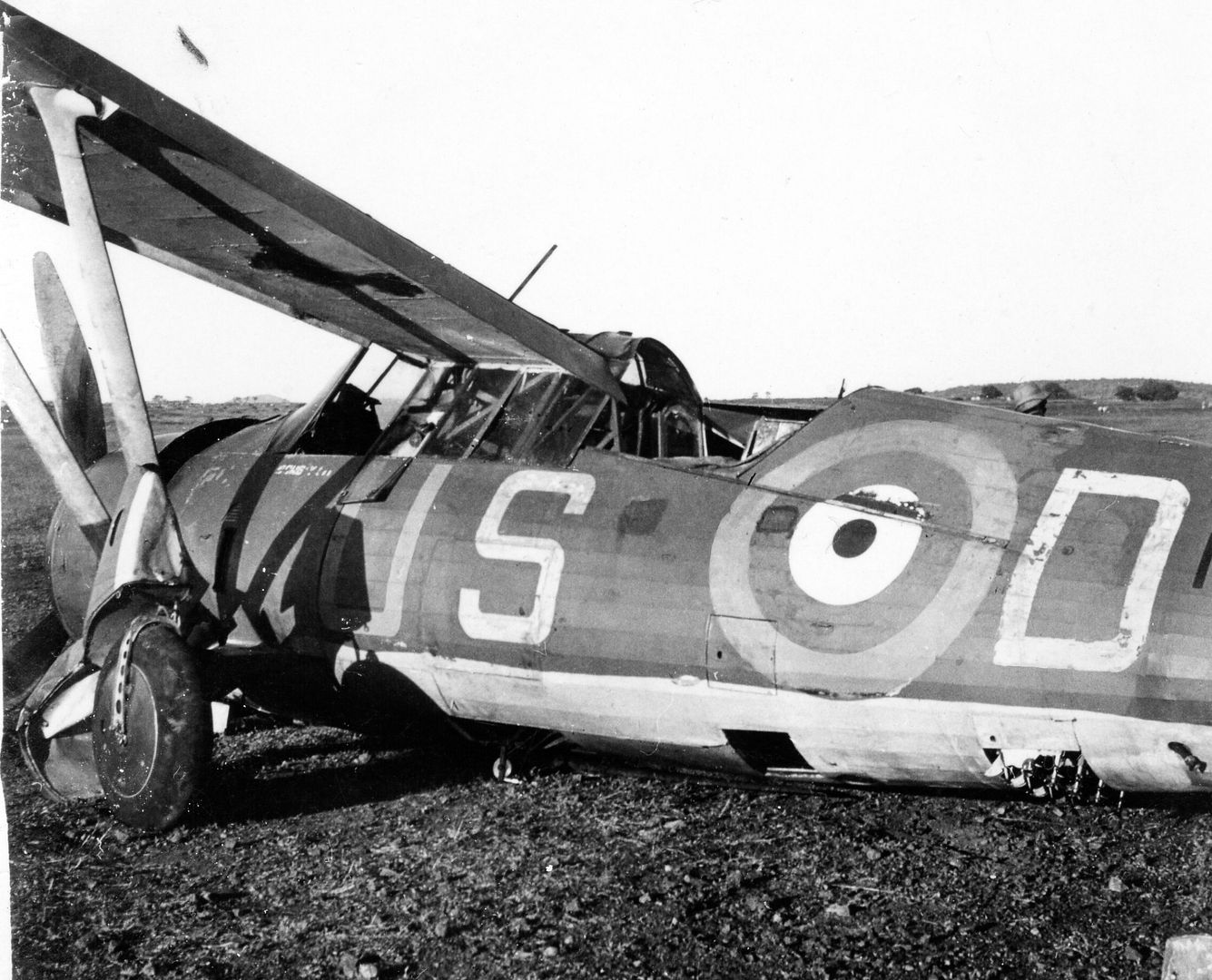 Note the “Bombay Bowler” behind the a/c.
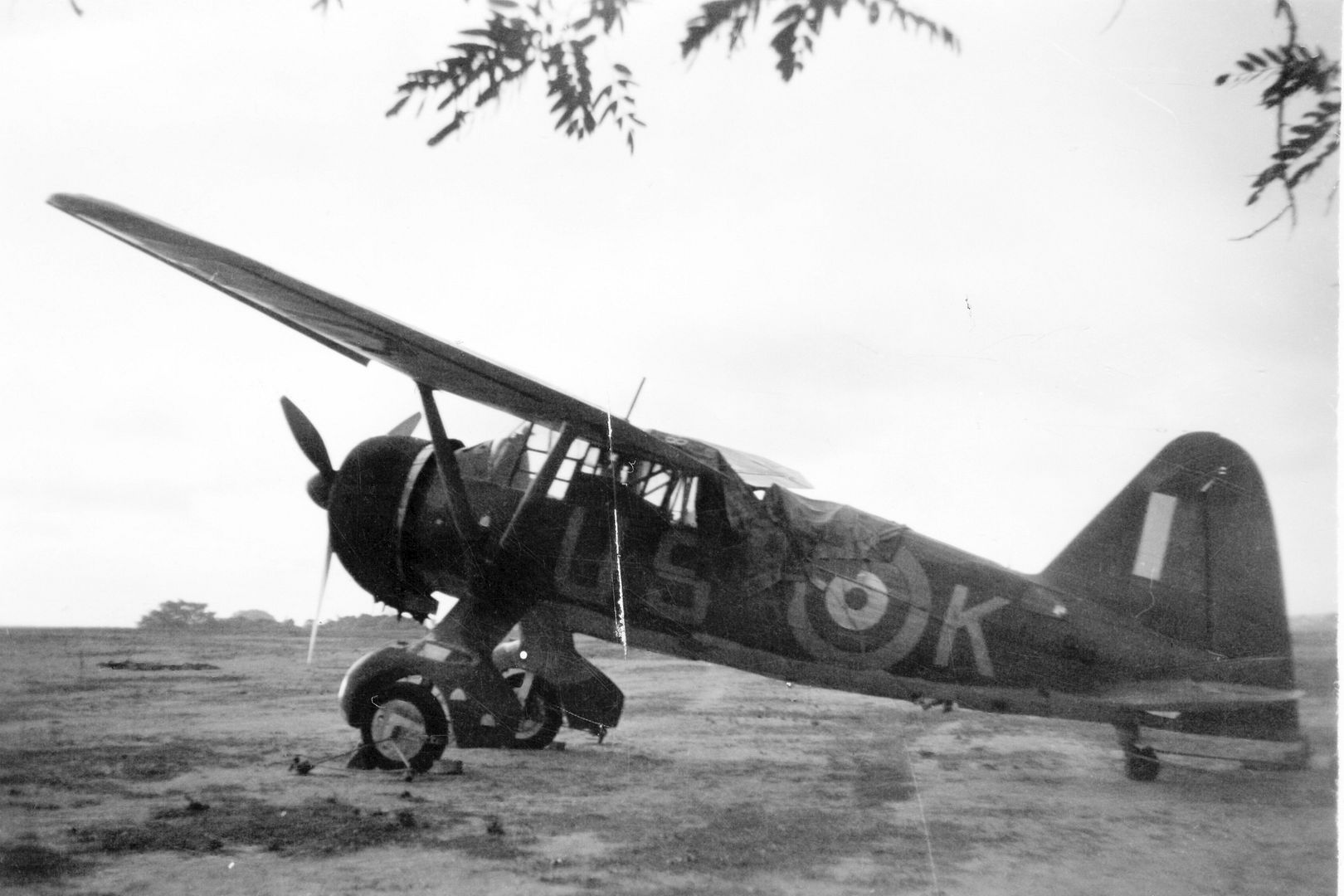

By: John Aeroclub - 2nd August 2017 at 23:49
Yes, I do have a paid Photobucket account for a little while longer. I have an aversion to advertising and glossy dross on websites. However I don’t think I’ll bother to fork out the 500 bucks that photobucket now want. I think they are unethical and greedy. Just how many people like me with my 25 quid a year are they going to lose. I suspect rather more than those who will take up the 500 bucks offer.
Indeed I think that the chance conversation in Australia was just in the nick of time.
John
By: longshot - 1st August 2017 at 21:56
Jagan..Yes, you’re right
By: Jagan - 1st August 2017 at 18:55
John,
Reading the INtro, I shuddered at the thought – of how close this stuff came to getting thrown away.
longshot
John DID upload them to Photobucket. I am guessing he has a paid account?
By: longshot - 1st August 2017 at 17:37
John Aeroclub….Thank goodness you uploaded the images direct to the Key forum rather than via Photobucket…. (why did we ever trust them?!!….I call what they’ve done vandalism)….great that the book has reached publication.
By: scotavia - 1st August 2017 at 12:45
What I find fascinating is that many of the airframes show weathering and wear and tear , this detail is often missing from official coverage due to the obsession with smartly turned out aircraft,polished brass and neat airman. Those who served all recall the regular outbreaks of bull brought on when units were to be visited by VIPs ,AOCs . Newly white painted kerb edging and even being given a few tins of green paint and being told to get out on the airfield and paint over all the tyre tracks showing on the grass! Meanwhile in the more remote locations and on the front line the focus was on keeping going with what was available as these pics show.
By: John Aeroclub - 1st August 2017 at 10:20
Jagan,
Thank you for the kind words. These things often happen by chance. Elizabeth (Liz) and her husband Robert were fellow guests attending a family wedding in Australia. As my host and some of the other chaps had an interest in aviation, I was able to arrange a visit to Point Cook, via the good offices of another forumite James Kightly. It is a small world.
Conversations over dinner led to Liz speaking of her late fathers wartime service in India and Burma. this allowed me to ask my usual question”are there any photos”. Liz replied that she thought there were as her dad had been a keen photographer. It was some months later at another family occasion, that Liz told me she had just rescued a trunk her mother was about to throw out as “just some old stuff of your father’s from India” and there were quite a few aeroplane pictures and diaries. The photo’s duly came to me to be identified and the diaries led Liz to think about creating a book about her fathers wartime experiences. The result is Clipped Wings. Thank you to Jagan and other members of the forum who’s input to the original thread helped with the finer detail.
We lose so many pieces to the jigsaw of aviation history every year because stuff is thrown out or it gets on ebay for silly prices and ends up with collectors who lock it away.
John
By: Jagan - 1st August 2017 at 01:38
So this arrived in mail:
It is clear by the author’s introduction that if not for John Aeroclub’s First post on this thread being curious about a bunch of photos – this book would never have happened.
Take a bow – John, for the big part you played in getting this book to our desks..
[ATTACH=CONFIG]255074[/ATTACH]
By: John Aeroclub - 10th April 2017 at 23:26
Thanks Dave.
John
By: DaveF68 - 10th April 2017 at 10:22
Five years later – the family behind these amazing photographs has started a KickStarter Project to get a book published with the photographs. Its only right that those who enjoyed these photographs should now pay forward to have a hard copy in our libraries.
https://www.kickstarter.com/projects/640372561/clipped-wings-0/
(Usual disclaimer – No personal connection/gain here other than to have the book in my shelf)
Will do!
By: John Aeroclub - 10th April 2017 at 09:50
Jagan
Yes I’m happy for the latter posts to be combined.
The wing stagger changes (from 16″ to 20″) were due to the need to compensate for the extra weight of the geared Jupiters (VIII, IX). The main wing struts remained the same but new centre cabane struts of different lengths were introduced as were new shorter front radius struts for the undercarriage which raked the main wheels a further 3 inches forwards (13″ instead of 10″ at full oleo extension). The combined stagger and u/c changes restored the aerodynamic balance and ground handling of the aeroplane.
The wings were, the original DH.9a Wooden wing, the Steel built replacement and finally a Dural wing. The Steel wing is the most common IMO. I think the Dural wing is sometimes referred to as the ‘B’ wing.
There were supposedly only 10 Mk II Wapitis built but the AP suggests that the RAF (in my 1929 issue) identified all Jupiter VI aeroplanes as Mk II’s and all the geared Jupiter aeroplanes as Mk II.A’s. which makes sense as the rigging wires all changed. All the wires for the Mk II with the exception of the centre section wires were labelled DH 9.A. Many RAF Home based Auxiliary Sqn’s flew the Jupiter VI which are often labelled MK II.A by authors.
Cheers
John
Ps I’d love to see the Wapiti in India but my long range expeditions these days are limited to New Zealand where my son and his family live.
By: Jagan - 9th April 2017 at 23:21
Jagan
metal Mk IIa (Jupiter VI) version including the 16 inch wing stagger. (Mk IIa Jupiter VIII aircraft had a 20″ stagger plus a more raked u/c).
There are also three sets of wings on production Wapitis and the tip curves radii stay the same which is another model drawing inaccuracy.
That is news to me! I thought the Wings / Undercarriage between the Jupiter VI and the VIII versions were the same and only the visible differences were those engine mountings/fairings etc.. Kudos at uncovering these differences.
Any plans to visit the IAF Museum for their Wapiti ?
PS: I requested the mods to move the last three to four posts and merge it with the other Wapiti thread where we discussed the engine differences..
By: John Aeroclub - 9th April 2017 at 22:27
Jagan
Thank you for getting back to me. I’m at the moment I’m working on a new set of scale drawings for the Wapiti and Wallace. The Wallace was my initial interest as the only drawings published are very poor and then noticing that the Wapiti drawings had some indifferent shaped fins and rudders when compared on a light board I set to analyzing them using everything I could find.
I have pretty much all the reference stuff on the Wapiti including the AP (and your own book) and over time I’ve been able to measure up the Wallace through the good offices of the RAFM.
I’ve used the Wallace as my basis as many Wallace’s were rebuilt Wapitis and had virtually the same structure as the Wapiti up to frame 10 and utilizing the same wings, struts and empenage as the all metal Mk IIa (Jupiter VI) version including the 16 inch wing stagger. (Mk IIa Jupiter VIII aircraft had a 20″ stagger plus a more raked u/c). The ‘missing two foot’ by the way is the distance between the fin and tail plane leading edge fittings at frame 10 on the Wapiti and those of the Wallace at the new frame 11 and not in overall length between the two aircraft.
One problem with the Air Publication handbook, is that many of the frame illustrations are not those of production Wapitis but the Martlesham prototype.
All of the model purpose Wapiti drawings are wrong as not only are the fin/rudders misshapen but the rudder chord is some 4.5″ too short and the fuselages are drawn too long. The metal built empenage’s of the Wallace are the same as those of the Wapiti IIa. The fin and rudder did not change from the revised prototype Wapiti. The Wallace introduced trim tabs. The metal elevators have a greater chord than the DH 9a wooden ones of the early Wapitis.
There are also three sets of wings on production Wapitis and the tip curves radii stay the same which is another model drawing inaccuracy.
The Wallace drawings are hopeless as the most glaring error is that the canopies are in the wrong place and over wide among other things.
It’s been an interesting voyage.
Regards
John
By: Jagan - 9th April 2017 at 21:07
By the way I’ve been conducting a lot of research on the Wapiti and Wallace and I’m firmly of the opinion that the Wapiti V’s in the batch J9708 to J9759 and those from J9725 annotated as Mk V’s were simply all short fuselage IIa’s which had been differently equipped as Army Cooperation machines (hence the Mk number change).
The only long fuselage so called Mk.V was the makers own aircraft G-AAWA which had been used for development trials including that of the message hook fit which was later given the serial J9728 when it was handed over to the RAF engine testing establishments fitted with the Bristol Draco.
IMO it has been wrongly called the prototype MkV because it introduced and tested the Army Co-op equipment on the Wapiti. The only series production long fuselage Wapiti variant was the Wallace.
Thanks John. I am in agreement with you. It is amusing that this aspect got overlooked for nearly 80 years and it took a conversation on this forum and on email elsewhere to unearth the discrepancy.
Also thanks for clarifying that the information on the aircraft on this thread may make it back to the Clipped Wings book. It would have been a tad disappointing to NOT find the info in there after all the hard work that went here.
By: John Aeroclub - 9th April 2017 at 19:40
Thank you Jagan, I was just about to do the same but you have kindly done so. My connection apart from a tenuous family one is that I identified most of the aircraft subjects for Liz. I too would like to see the book on my shelves.
Its not in the usual run of War memoirs but that of man who found himself in North East India (initially) a backwater of the war on a repair and servicing route station. Cpl Walker had a passion for photography and recorded the aircraft passing through and the many journeys he made through an India he grew to love. His war finished in Burma with 31 Sqn during the final bloody days of that campaign.
By the way I’ve been conducting a lot of research on the Wapiti and Wallace and I’m firmly of the opinion that the Wapiti V’s in the batch J9708 to J9759 and those from J9725 annotated as Mk V’s were simply all short fuselage IIa’s which had been differently equipped as Army Cooperation machines (hence the Mk number change).
The only long fuselage so called Mk.V was the makers own aircraft G-AAWA which had been used for development trials including that of the message hook fit which was later given the serial J9728 when it was handed over to the RAF engine testing establishments fitted with the Bristol Draco.
IMO it has been wrongly called the prototype MkV because it introduced and tested the Army Co-op equipment on the Wapiti. The only series production long fuselage Wapiti variant was the Wallace.
John
By: Jagan - 8th April 2017 at 18:21
Five years later – the family behind these amazing photographs has started a KickStarter Project to get a book published with the photographs. Its only right that those who enjoyed these photographs should now pay forward to have a hard copy in our libraries.
https://www.kickstarter.com/projects/640372561/clipped-wings-0/
(Usual disclaimer – No personal connection/gain here other than to have the book in my shelf)
By: John Aeroclub - 11th June 2012 at 10:01
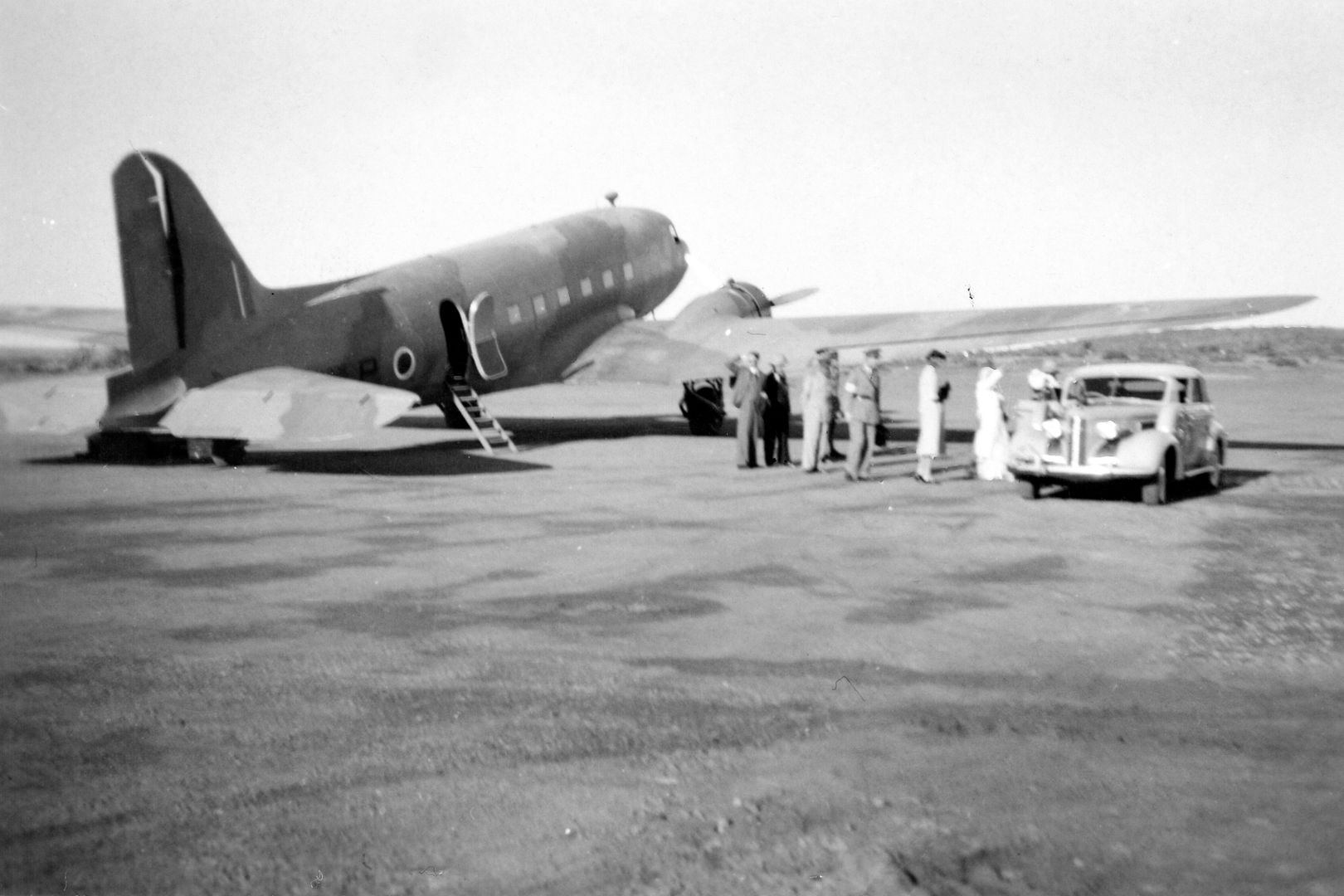
From Peter Walker’s diaries the VIP DC.3 was a visit by the Ruler of Bhopal and the Hudson was used for mail and VIP use.
An impressed Lockheed 12 but no ID.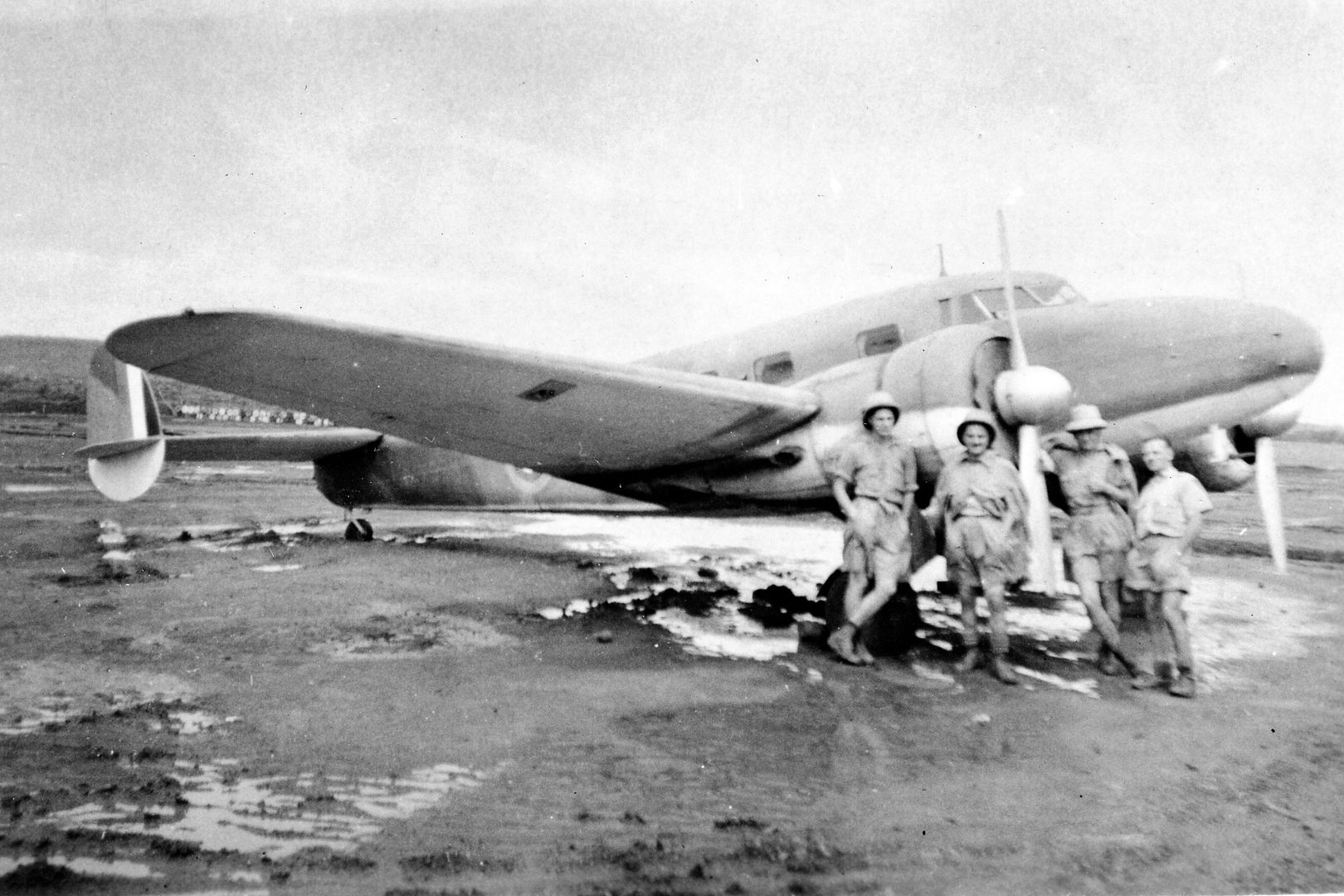
Mosquitos of 84 Sqn (?). Note SEAC band right across the rudder.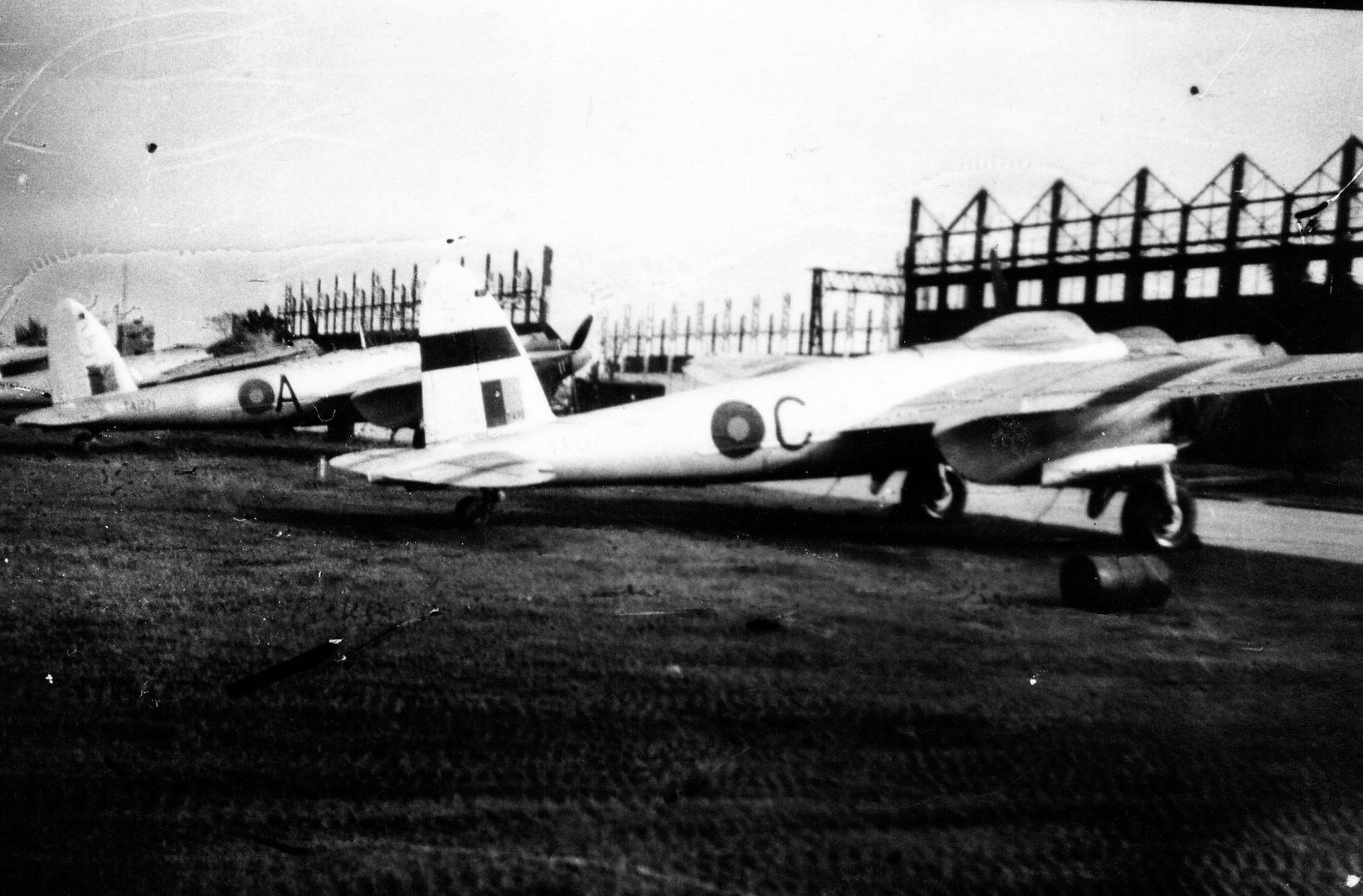
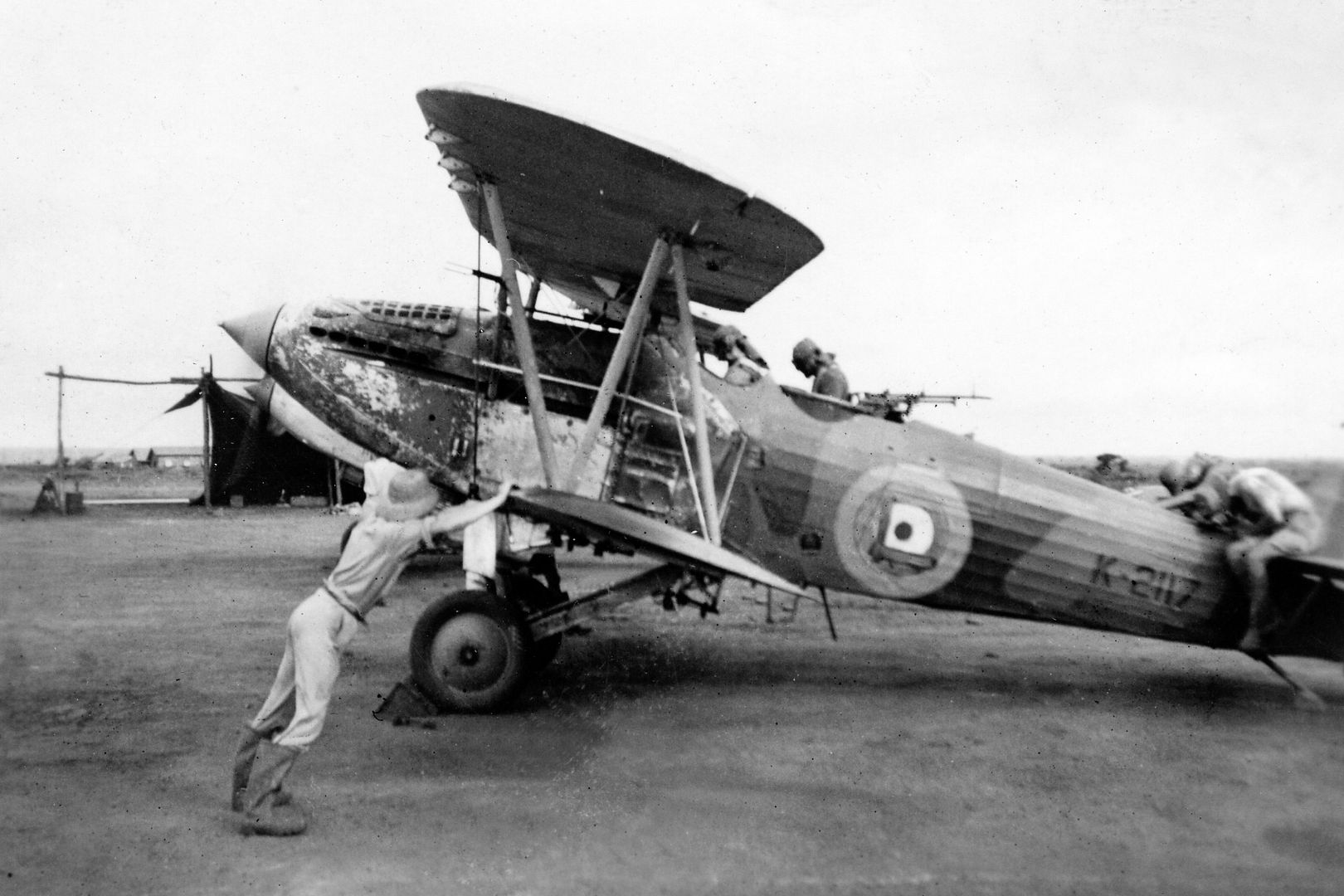
My favourite. A Hart (India) K2117 armed with a VGO gun.
By: John Aeroclub - 10th June 2012 at 23:23
I’ve just resurrected this thread as I have been scanning some more material from this source. which I will try to add asap.
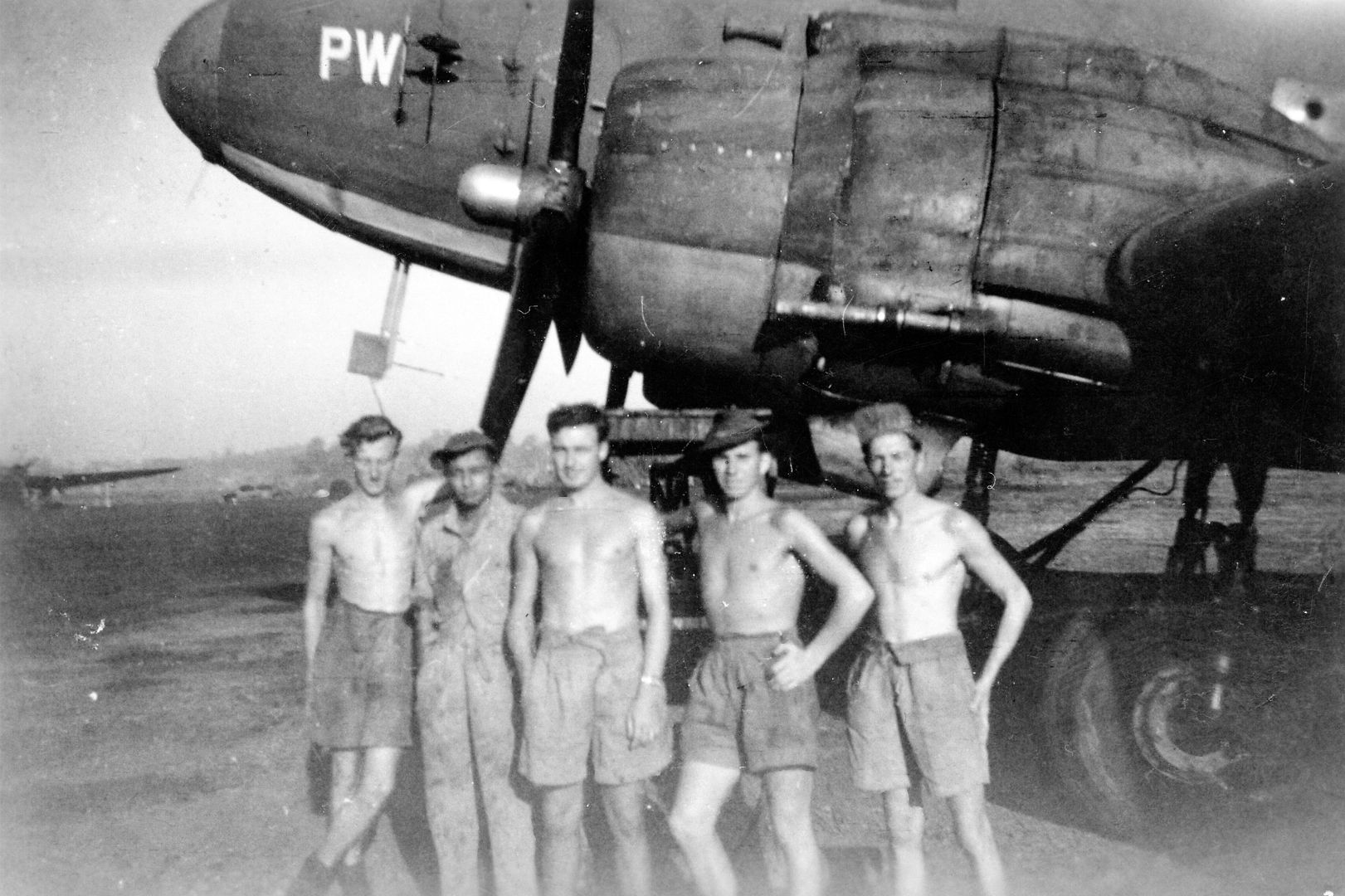
The Dakota in the last picture coded PW was a Dakota Mk.IV. The lady who is writing the book about her father’s time in India has been trawling through a large collection of letters and official documents and the draft is making most interesting reading. The Mosquito FB VI is I believe HR556.
John
By: John Aeroclub - 18th June 2010 at 10:03
Again thank you for your input gentlemen.
John
By: longshot - 18th June 2010 at 00:36
Civilian DC-2s and DC-3s with RAF WWII
THe A-B DC-2/3 book lists 21 DC-2s and 10 DC-3s used by the RAF…I’ll see if I can list them usefully at the weekend.
I think the only RAF ‘sleeper’ was LR233 c/n1923 ex NC17313 a DC-3B which was a Wright engine model unique to TWA with just the front half of the cabin convertible to sleeper berths with the little DST windows high-up and it arrived via PAA-Africa and was ‘H’ with 31Sdn.
The DC-2s (purchased by the British Purchasing Commission) seem to have been sea-shipped direct to India, or to Capetown. Others were later air-ferried by Pan Am via Brazil and West Africa. 8 of the 10 DC-3s came via PAA-Africa
PAA-Africa was set up while America was still neutral under a contract from Churchill to build up the Airway across Central Africa and was equipped in a hurry in 1941 with second hand DC-2s and Dc-3s …as military production C-47s and C-53s became available for PAA-Africa(which was later taken over by the USAAF MATS ) the ex-civilian oddities were passed on to the British
Of the DC-3s LR234 is listed as a C-53 acquired via PAA-Africa, but MA928 and 929 are C-53s delivered USA-UK-Egypt-India…C-53 ‘Skytrooper’ was basically the DC-3A with P&W engines and a LH passenger type door
The aircraft in the top photo ‘PW’ seems to be a miltary variant (C-47 or C-53) with P&W engines and rifle ports in the side windows
By: DaveF68 - 17th June 2010 at 22:59
On to Dakotas of 31 sqn. 31 Sqn aquired many of their a/c from airlines in the Middle East also including some DC.2s which the RAF called DC.2Ks.
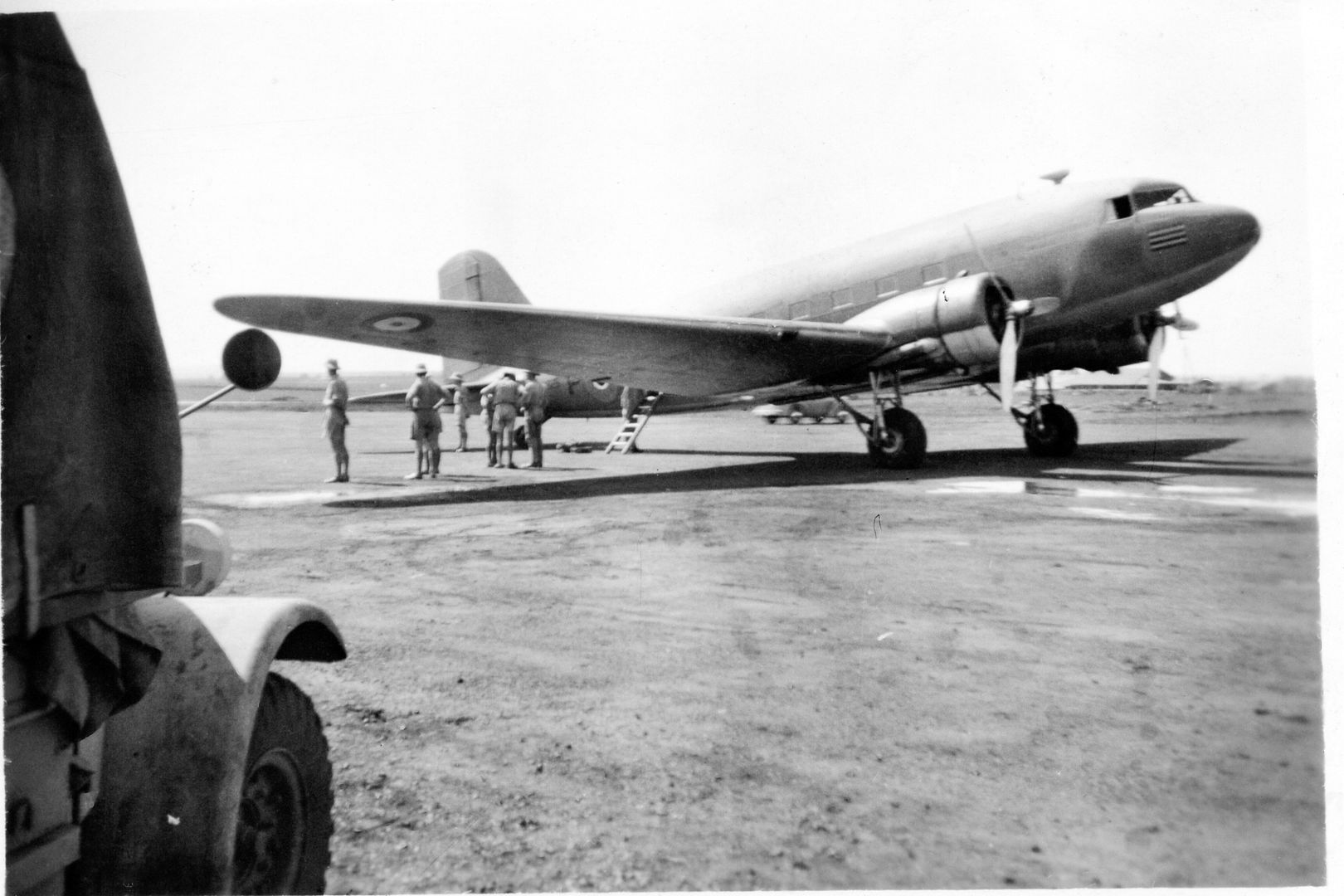
This one seems to be a VIP flight a/c “P”.
Note it has Cyclone engines.
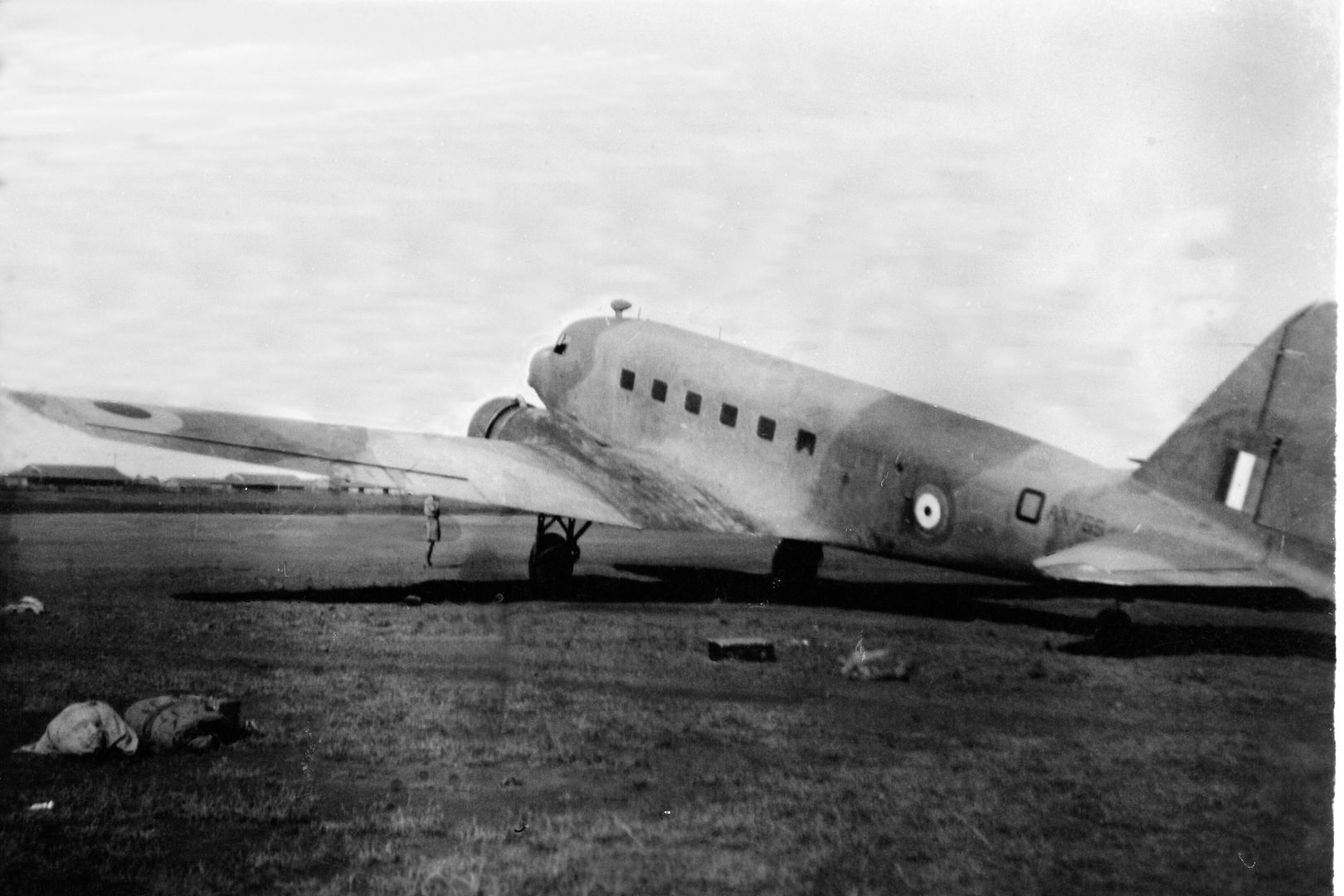
And one of the elusive DC.2Ks AX755 “O”.
The history of 31 Squadron (First in Indian Skies) has a couple of the pictures of the DC2/3s that you show – it also mentions them having what was described as a ‘DST – Douglas Sleeper Transport’ – I did try to marry up serials/registrations at one point, but couldn’t find a DST purchased by the RAF, but one of the DC2/3s must have had sleeper compartments. Must go back and look at that again, as IIRC I’d tied it down to one or two aircraft
The 31 Sqn aircraft were US airlines aircraft – my memory fails me on which airlines!


 Sign In








 June 7, 2010 at 10:04 pm