Hi all,
On Tuesday (if my friend is better), she’s agreed to go to the quayside with me, where i’m going to take some photos. But, i’m unsure about how to make them really good, would I need to have a specific setting?
I’m going to be taking my tripod and filter (I can’t remember what my filter is …) which is a bad thing I know.
Any tips would be most helpful and i’d be really thankful!
Cheers 🙂

By: heslop01 - 28th July 2009 at 00:20
Me too.
Lets see what tomorrow brings, i’m going to the city centre tomorrow 😮
By: old shape - 27th July 2009 at 20:28
Some fine fine fine shots there PMN.
It’s all opinions…but I “Don’t” like peopl in architectural shots…like your castle and the lighthouse (But yes I do agree that the latter is perfectly balanced by the pedestrians walking to the light).
The couple on the beach is a superb shot. Less is more etc. I’m sure the couple on the beach would be very proud to have that shot A3 on their wall.
By: Quid 41 - 23rd July 2009 at 00:49
Paul
Thanks for the advice. I’ve been getting into photography (away from photos of planes)for nearly a year and have started to see through the view finder even without my camera. Until i read your post i did’nt realy acnowledge the fact that i was automaticaly looking at composition and framing, and its a strange kind of feeling to take a picture without a camera:confused:
Hope that makes sence to somebody besides me??
Oh and the Chinook on your Flickr is awsome:):):)
Gaz
By: PMN - 22nd July 2009 at 00:04
No worries at all. I’m glad it was of some use and I shall look forward to seeing a few photos from you! 🙂
Paul
By: heslop01 - 21st July 2009 at 23:59
Thank you so much for that Paul!
It’s really opened my mind to think not just what a magazine tells me to do, but to just play around with settings and go for it! I especially like the first shot and when I do go down to the tyne, I might give that a try with the music centre or even a part of the Tyne bridge.
When I do take the pics, i’ll post them and hopefully they’ll be good! 🙂
By: PMN - 21st July 2009 at 21:53
I realise this is a little late but there’s one thing you can bear in mind when you’re shooting, and that is how interesting is what you see through the viewfinder? ‘Interesting’ is a very important word in photography. Images have to be interesting to grab peoples attention and hold it; if what you show doesn’t make some kind of impact then it’s unlikely people will really want to look at it but if you can take a fairly standard scene and make it interesting, then you stand more chance of making interesting photos.
There are a number of ways you can make interesting shots. For me personally, I’m a sucker for colour and angles; preferably both! I love bold and contrasting colours and I love capturing shapes in things you wouldn’t usually think of. If it will help, I’ll post a few of my shots and explain what I was thinking when I took them.
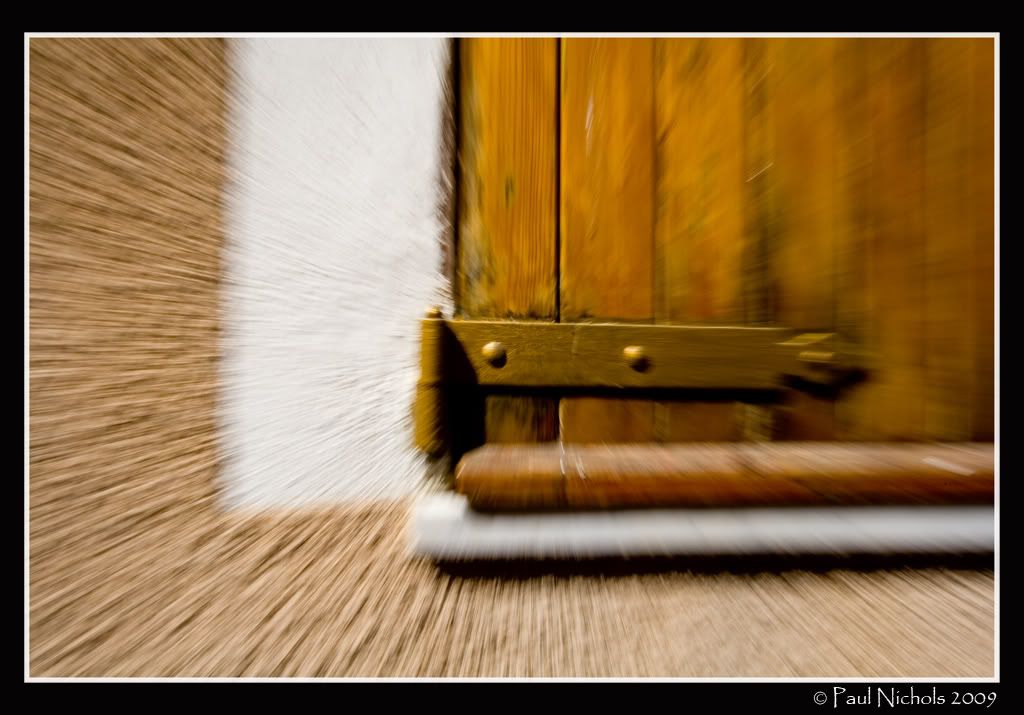
A lot of times people go out shooting and don’t take anything because they say there’s nothing to shoot. That is basically a terrible excuse for being lazy! There are always things to point a camera at and always images to be made, you just have to look and with a bit of thought even the most mundane things can be turned into quite striking images. Here’s a hinge on a door which is fairly uninteresting by itself, but I liked the colours and the texture of the wall, so I did a zoom burst (which is where you get quite a long exposure and zoom in while taking the shot). That with a boost in saturation turns a very boring object into something that catches your attention.
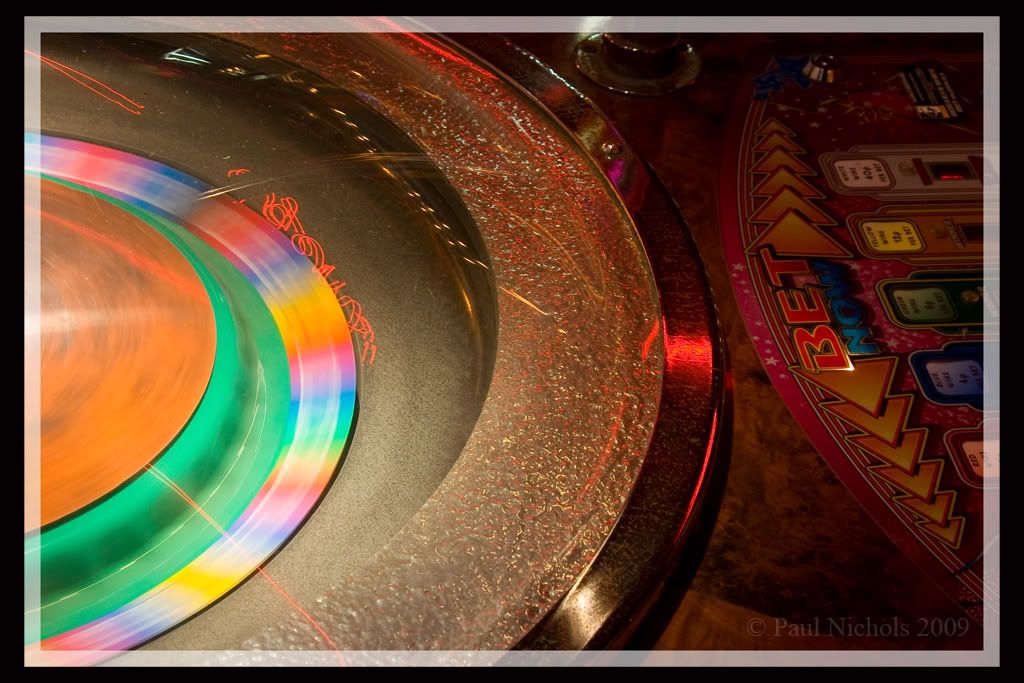
As I say, I love colour. I love seeing bold colour and getting that onto the camera and in some ways the subject doesn’t actually matter to me as long as the colour is there. This next shot is something which again many people would pass and never even consider spending 10 seconds taking a photo. The colours are bold but we also have movement, so slowing the shutter a little to capture that movement adds a sense of dynamic while the bold colours speak for themselves.
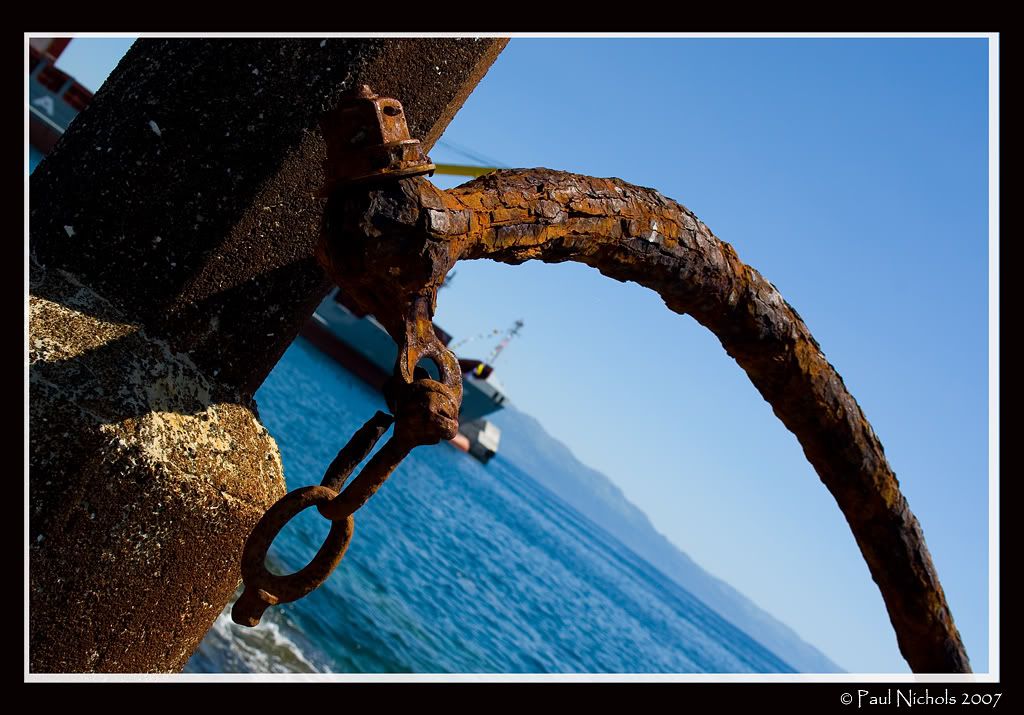
Here’s an example of bold colour and shape. The subject is again something many people would never consider shooting, but all you have to do is open your eyes and be aware of what’s around you to see that there’s always a wealth of photographic subjects nearby, however random they are. I liked the curve of the pole with the chain hanging down but I also loved the deep red against a clear blue sky and sea.
Rust is great to photograph as it speaks volumes about your subject. This old truck is badly rusted, giving a feeling of decay and almost hinting at the former glory this old machine maybe once had.

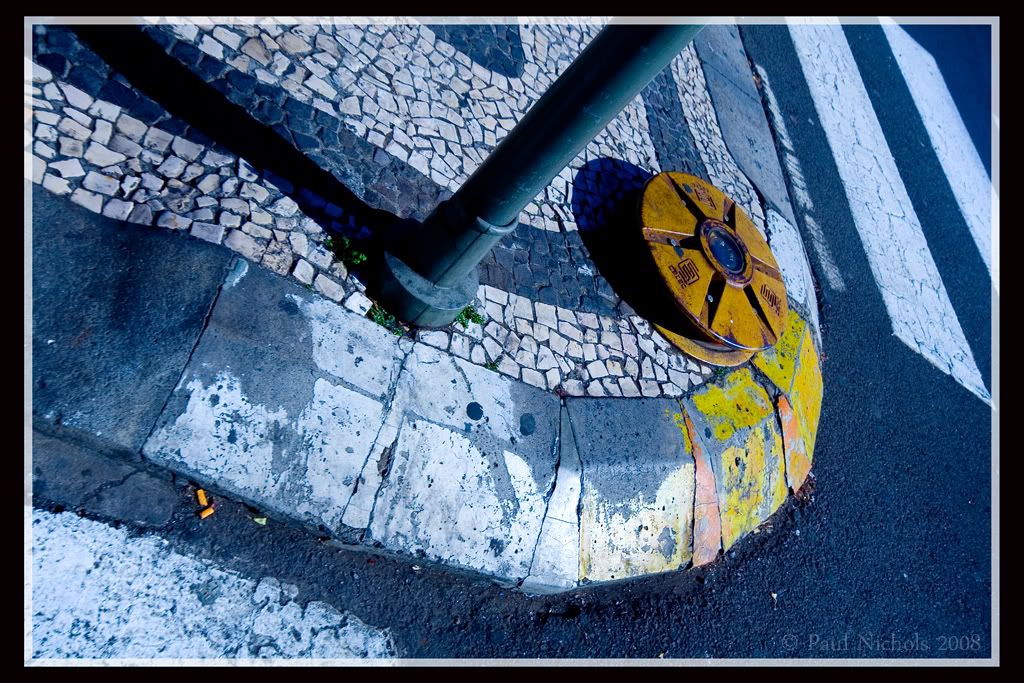
Colour and shapes are everywhere, and you can adjust camera settings to alter how you see those colours. This is a street in Funchal, Madeira, but I used a very cold white balance setting to give a blue cast and make the bits of yellow come out a little more.
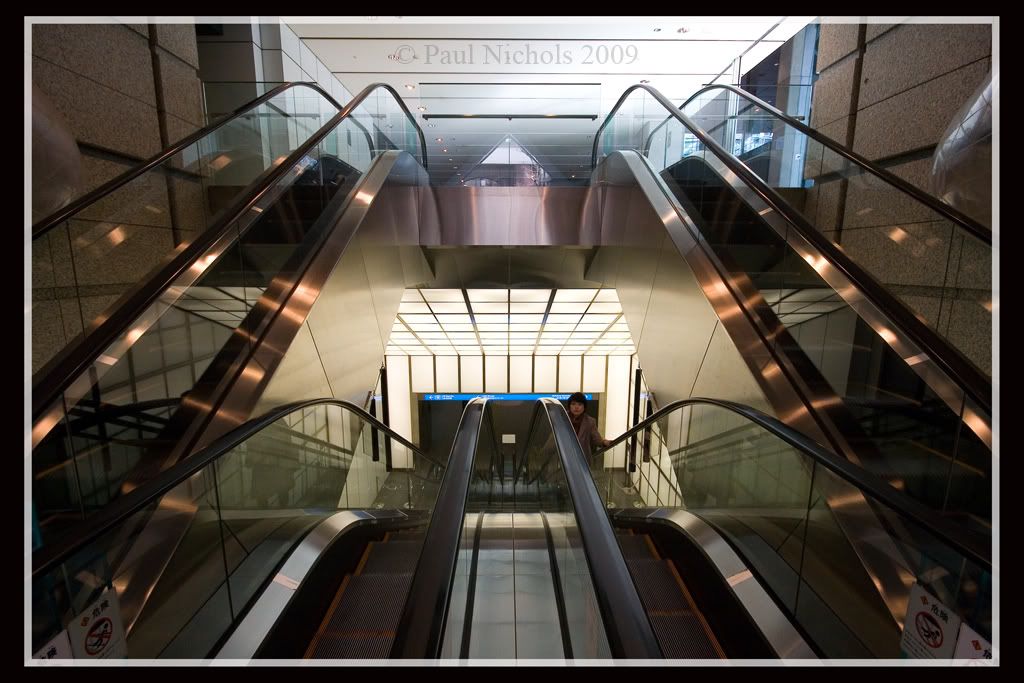
Another example of shape. Going back into a venue we were playing in Tokyo I noticed there was a great symmetry to the way the handrails on these escalators were arranged, and the fact someone was coming up one of them added a little something to the scene.
While on the subject of symmetry, you can see it everywhere. This is the back of my bike helmet which isn’t something I’d usually think of shooting because on its own it isn’t really all that interesting, but in this case it was on my bed, the sun hit it through the skylight and I saw the symmetry in the air vents and liked the patterns.

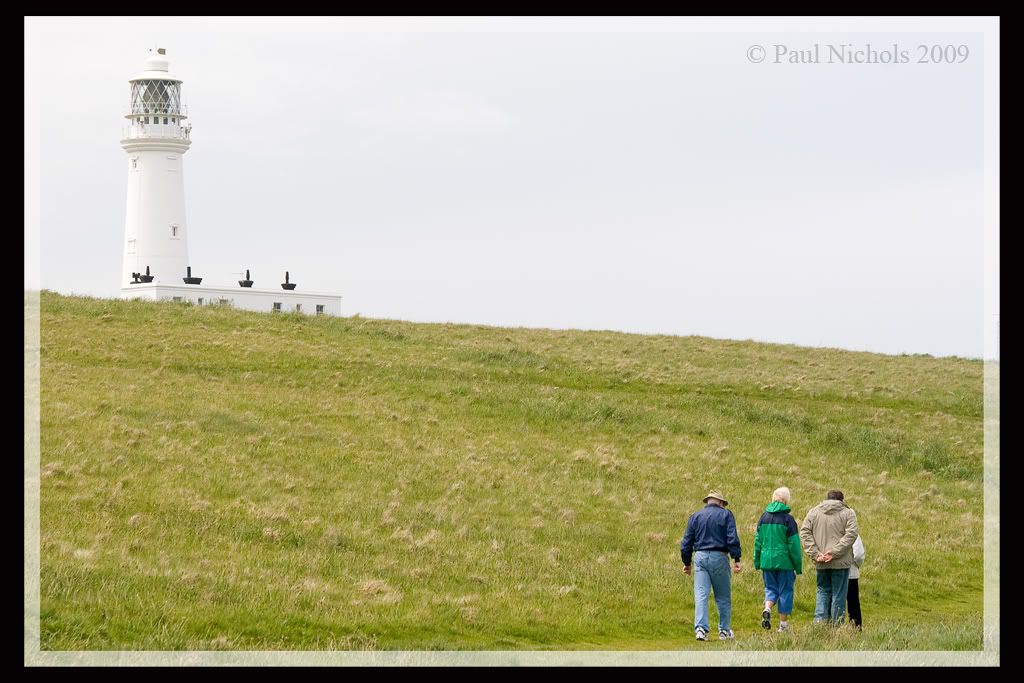
I often like getting people in a shot because it can somehow make the image feel more ‘real’. This shot of a lighthouse would have been quite boring if the composition weren’t balanced by the people in the foreground:
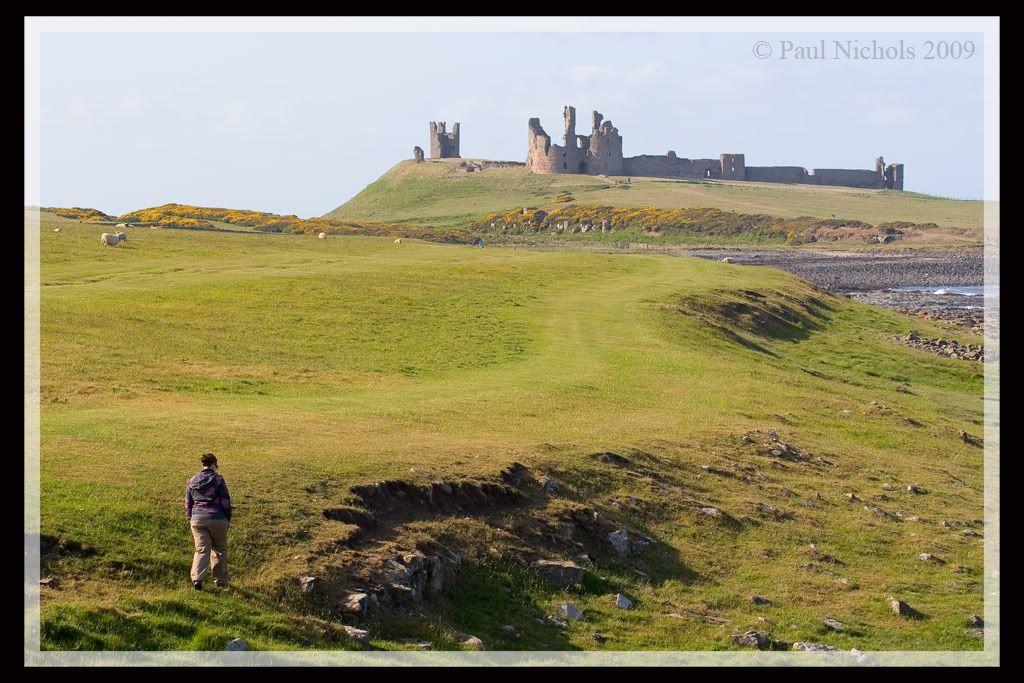
And likewise for this shot:
Photos can say a thousand things about a situation and can even contradict themselves. In this shot I took on 35mm film, there’s a lot of dynamic anger in the rough sea and yet the guy fishing seems quite at peace with the world in his still and calm stance.
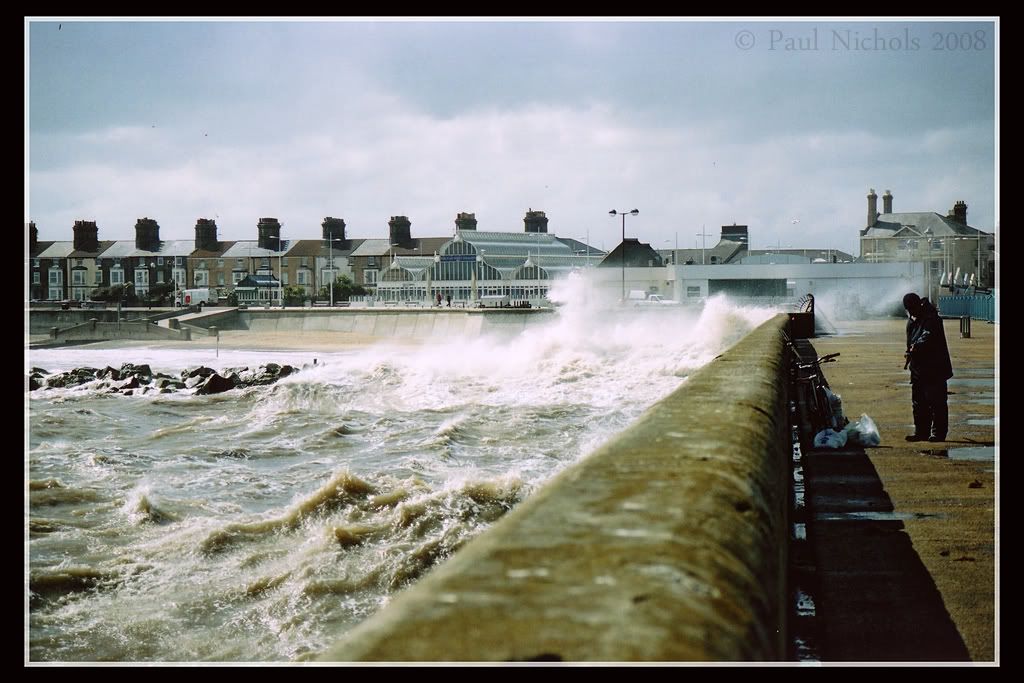
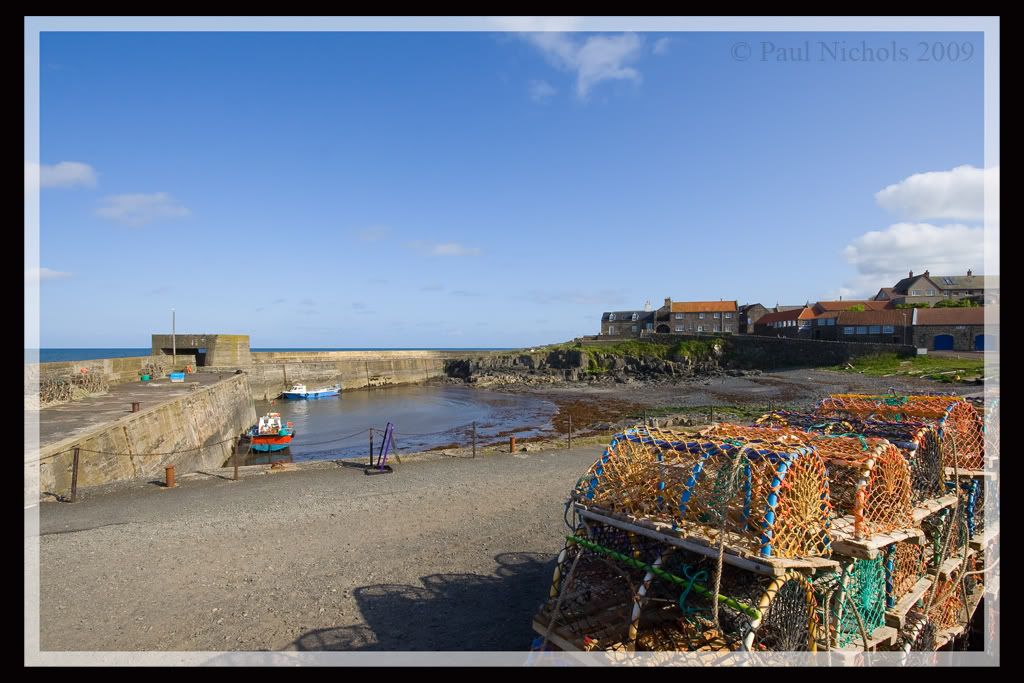
Compositionally, the wall leads your eye into the frame, and placing things in the foreground like that (often called ’leading lines’) is a classic trick of composition. In this image, the crab pots in the foreground create another point of interest and seem to put the rest of the scene somehow more in context.
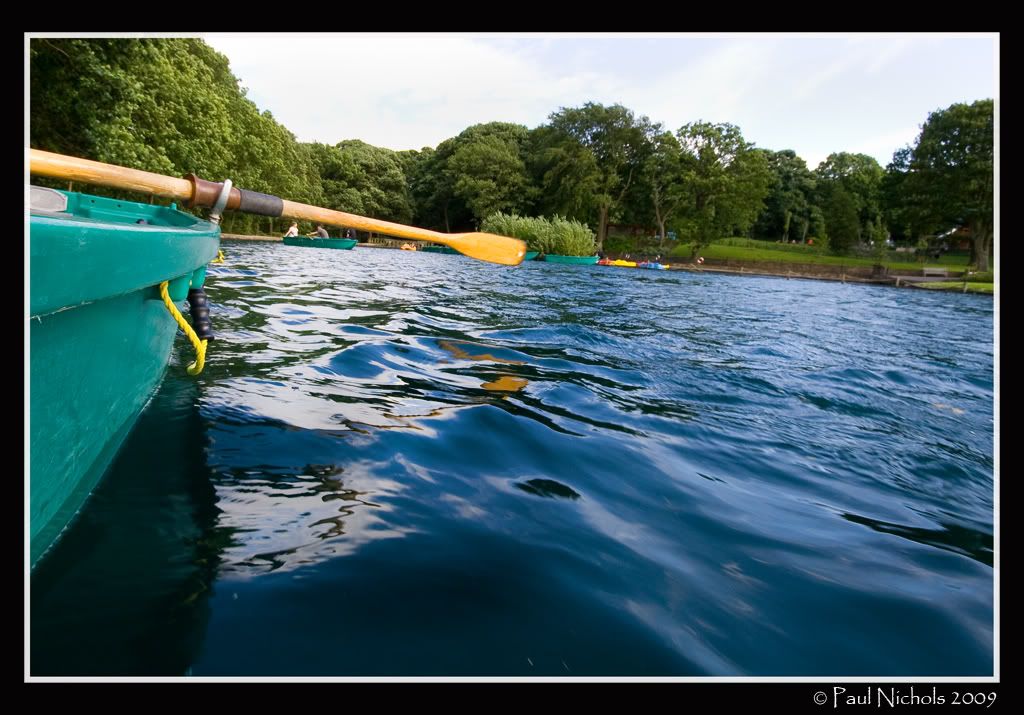
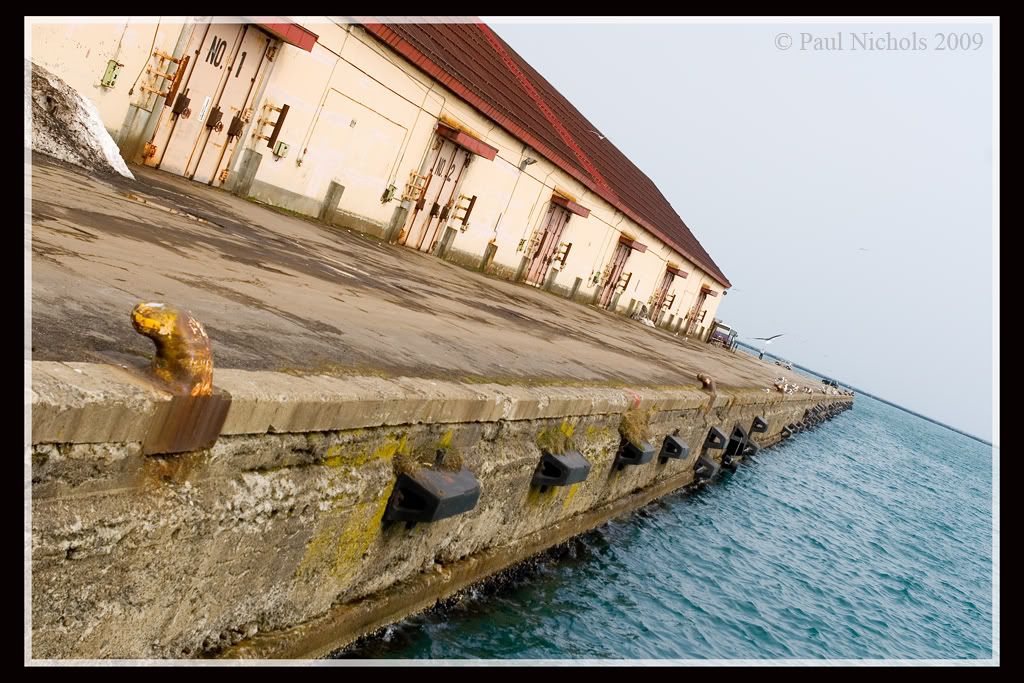
Don’t be afraid to ‘break the rules’! The only rule in photography is there are no rules, so while as aviation photographers we tend to seek technical perfection, as non-aviation photographers we can do what the hell we like! Horizons don’t always have to be level and histograms don’t always have to be perfect. Here are several shots with a slant that would have been quite dull had they been shot straight and level.
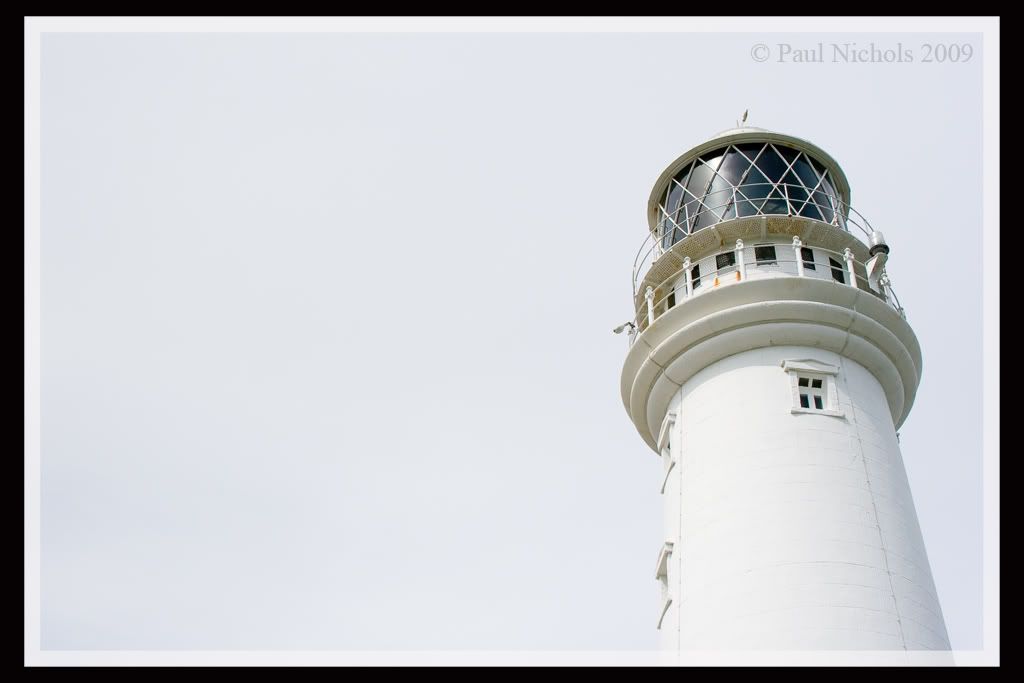
Space in the frame doesn’t always have to be filled with something. Sometimes placing the subject to the sides out of the way can make you focus on it better. This concept is called ‘nagative space’.
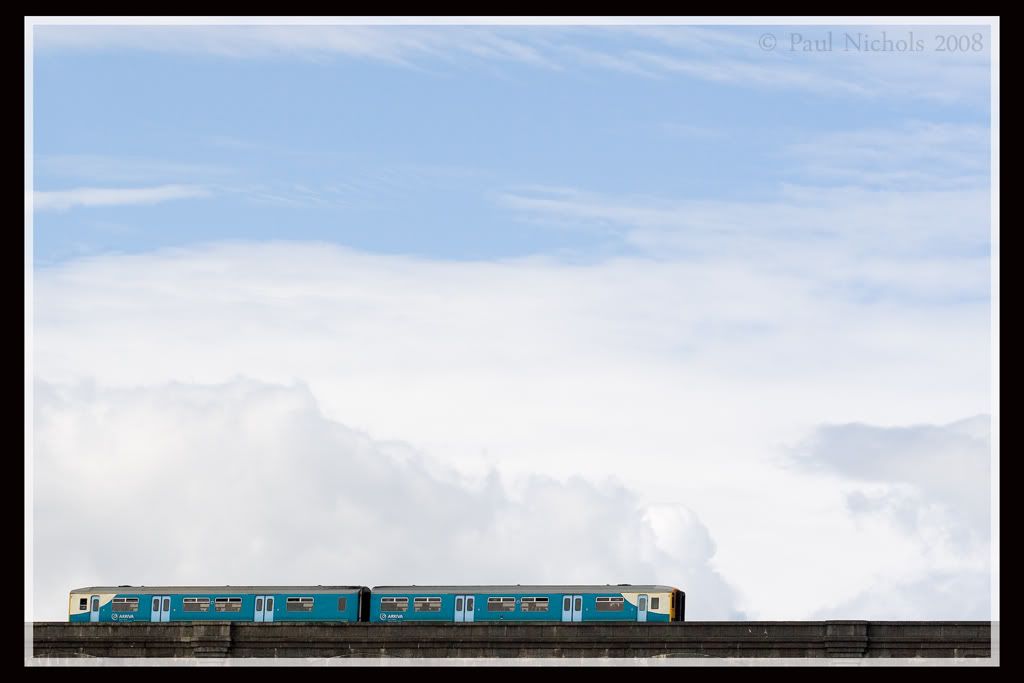
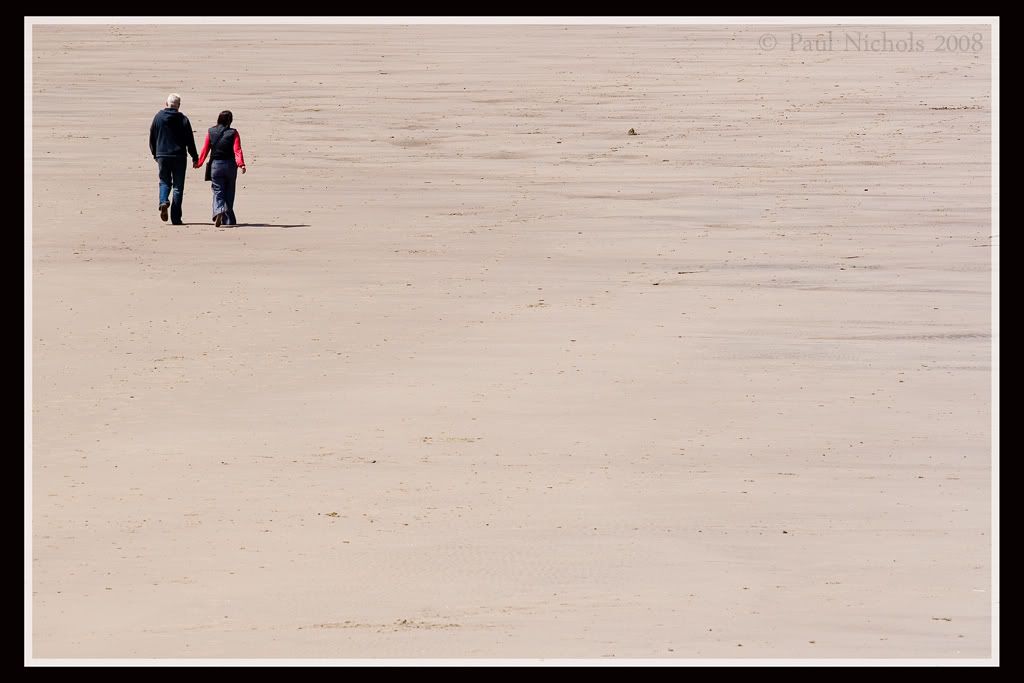
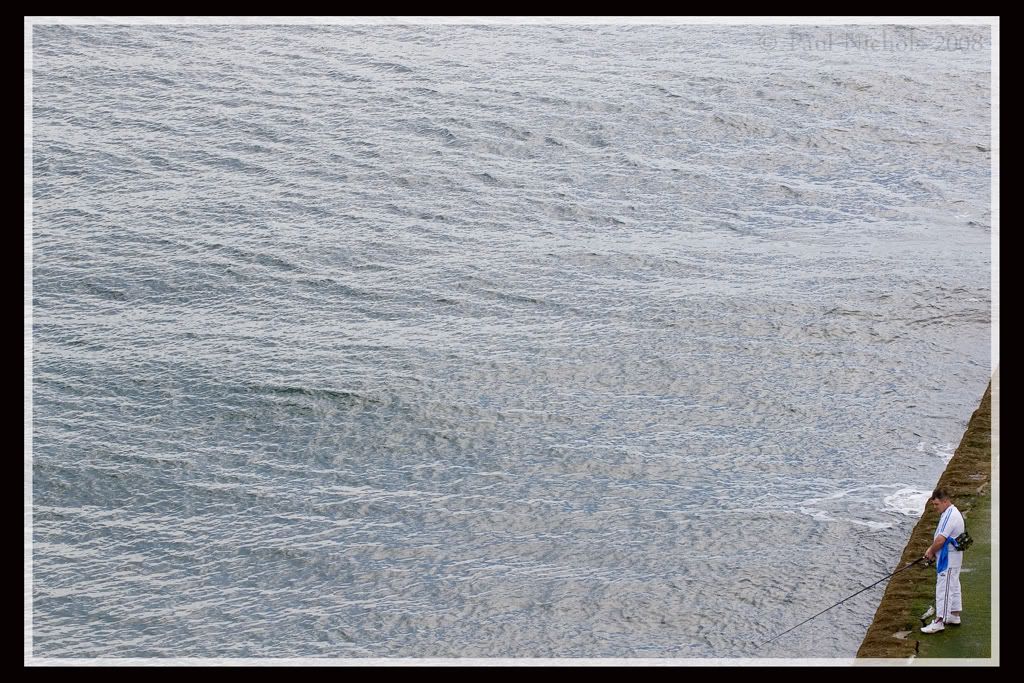
Try capturing the feel of a particular situation. This was taken sitting at Schiphol airport while waiting to catch a flight up to Lithuania (I think). The sun was shining, the beers were going down nicely and the general vibe was good, so I tried capturing that here. Again, there’s bold colour with the green contrasting nicely with the sky and there’s someone in the frame, adding another dynamic.
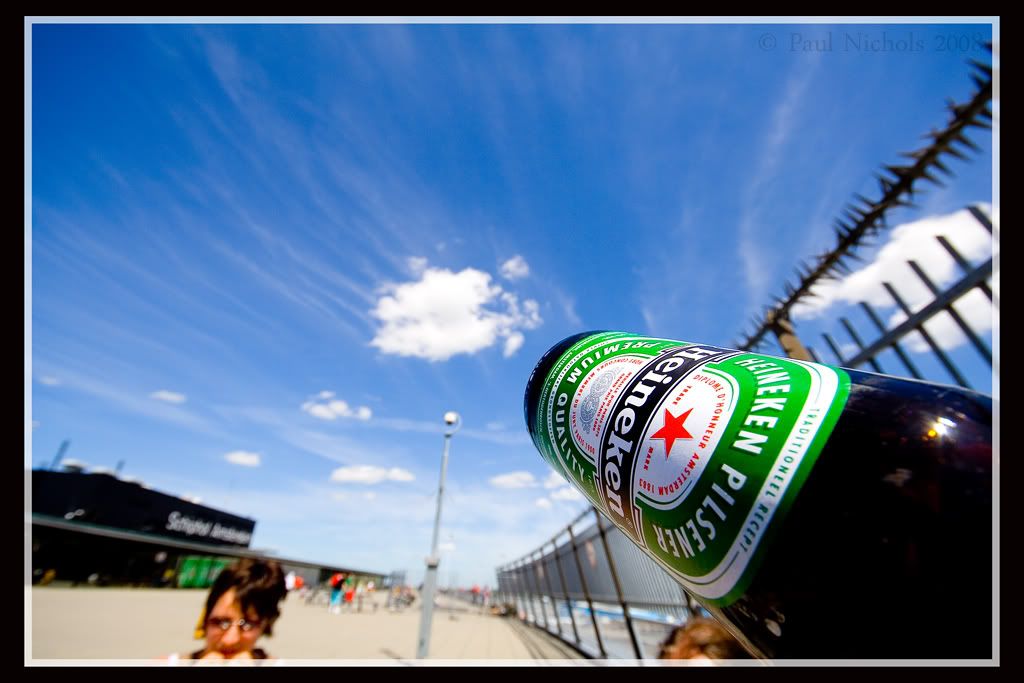
I don’t know if any of that has helped at all but hopefully some of these images have shown that getting good photos isn’t about camera settings or equipment, it’s about how you think and how you record what you see. The camera is purely a tool to record what you want it to record, and any camera be it a 35mm point and shoot, a pro DSLR body or a mobile phone is capable of doing that, but to make it record things in an interesting way then you have to ‘see’ things in an interesting way. You don’t need perfect bright sunshine or beautiful surroundings to make interesting photos, you just have to open your eyes and translate what you see to the device you have in your hand, and the more you do that, the easier it gets. I constantly see things in a 3:2 aspect ratio. Even when I’m not shooting I’m always visualising things I see within the frame of my camera (even when I don’t really want to!) If you try doing this and think about composition even when you don’t have a camera in your hand, when you do get out shooting things will probably happen easier and more naturally.
Hope that helped somehow. Happy shooting! 🙂
Paul
By: ELP - 20th July 2009 at 09:43
Time of day.
Note what your scenic looks like at sunrise, sunset, early morning, late afternoon, cloudy day, severe weather, etc etc.
For example-National Geographic photogs get such good photos of scenics because they spend a lot of time in the area of interest and make note of these things.
As opposed to lets say a tourist getting off a tour bus stopping at a famous place and being prisoner to what ever lighting conditions exist at that time.
By: heslop01 - 19th July 2009 at 22:27
I thought it would have been landscape.
Cheers.
By: Ren Frew - 19th July 2009 at 21:41
Oops … I forgot to add – She’s just going for the walk :p
I’m going to take pictures of the tyne etc
But thanks for that moggy – i’ll remember that for if I do ever do model photography
Stick it on ‘landscape’ mode and snap away. 😉
By: heslop01 - 19th July 2009 at 16:13
Oops … I forgot to add – She’s just going for the walk :p
I’m going to take pictures of the tyne etc
But thanks for that moggy – i’ll remember that for if I do ever do model photography
By: Moggy C - 19th July 2009 at 15:46
People tend to assume ‘photo faces’ when they are having their picture taken. This removes a lot of the naturalness from it.
If your friend is not a professional model and your camera is digital and fitted with a continuous shooting mode position her somewhere, set the camera on the tripod, start it shooting without telling her and then leave the camera and walk towards her (staying out of shot), talking to her about how she’d like the shots taken and what you want to achieve.
High shutter speed will freeze the movement, the consequent wide aperture will blur the background
With a 2Gb or 4Gb card there will be hundreds of shots and with luck, in amongst them, will be a couple that really capture her.
But don’t expect to agree on which ones are best, people have a self-image that is usually far removed from actuality, and they reject pictures that don’t match that image.
Moggy


 Sign In








 July 19, 2009 at 3:38 pm