StuartH and I visited part of the site where 45 Maintainance Unit used to store and scrap surplus aircraft at RAF Kinloss. The site is open to public access, being outside the RAF property fence.
Here is a close up of a RAF recce image, taken over the site in 1946, showing several large aircraft (around 100 feet wingspan) awaiting disposal on a dispersal. I can’t make out the type, but in 1946 the MU were busy scrapping Lancasters, Spitfires, and Ansons amongst others. Scrap dealers JG Williamsons apparently were on the site too, turning the aircraft into aluminium ingots. The arrows show the direction I took some comparison photos, to show how the area has changed – the photos are in the linked album.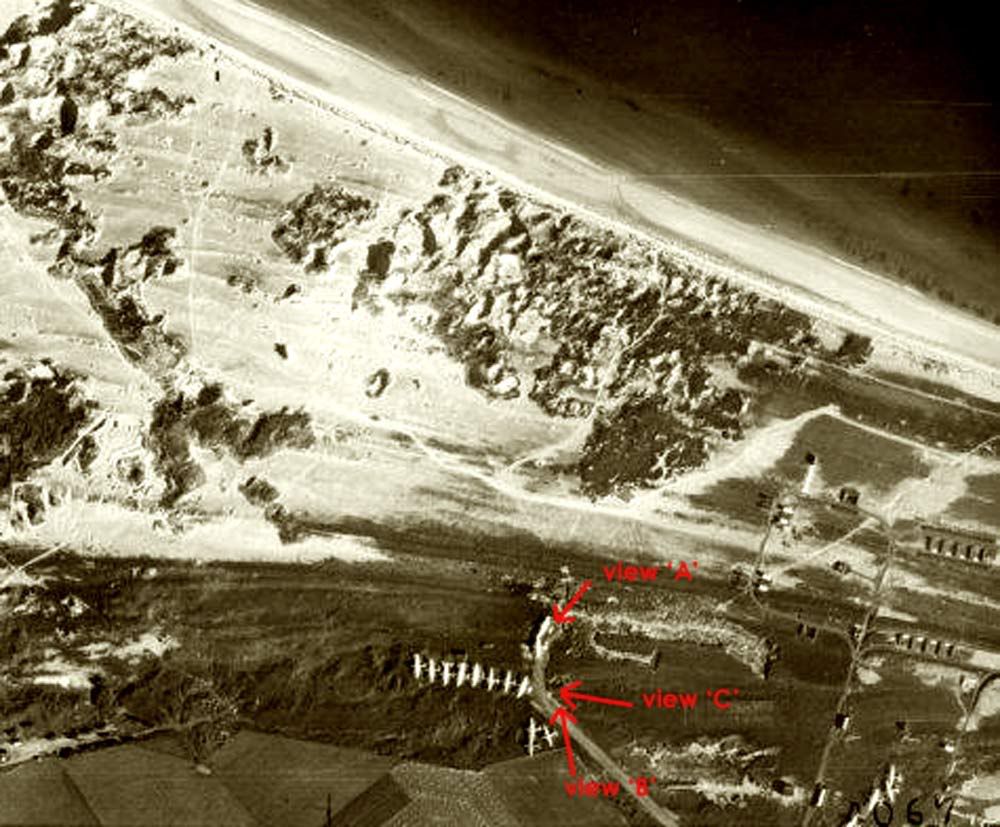
and here’s the modern aerial image of the same spot…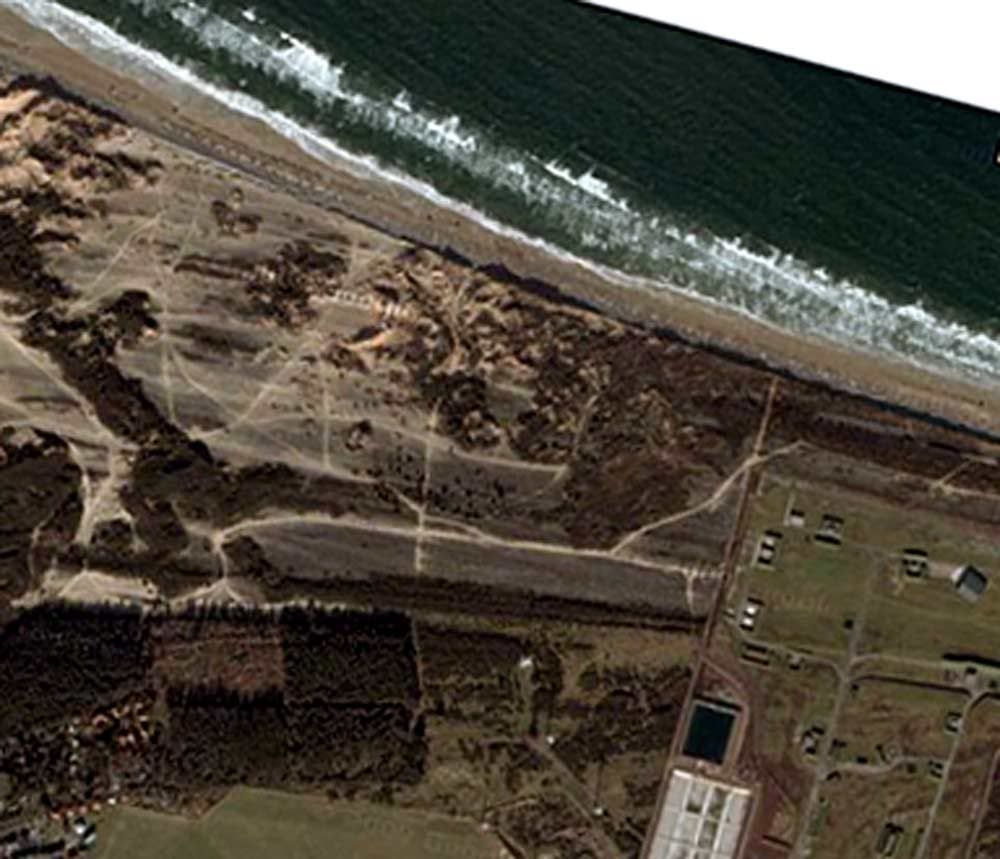
The whole area is strewn with aircraft parts, ranging from several complete self-sealing fuel tanks in amongst the thick gorse, perhaps from an Anson…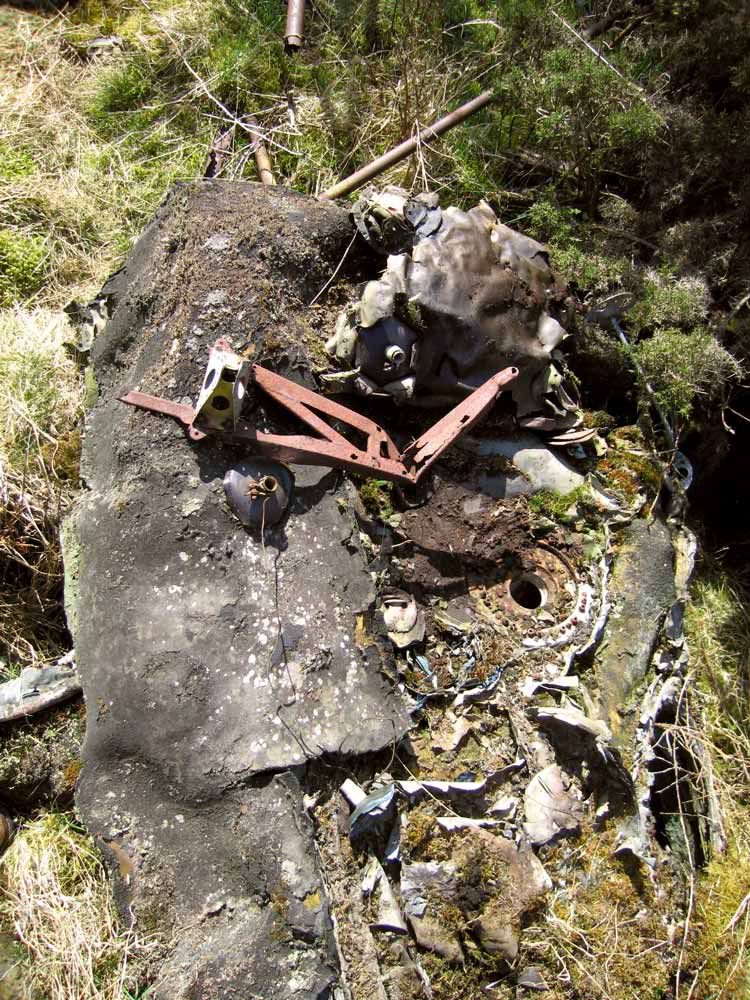
to large areas littered with destroyed instruments, switches, batteries, etc…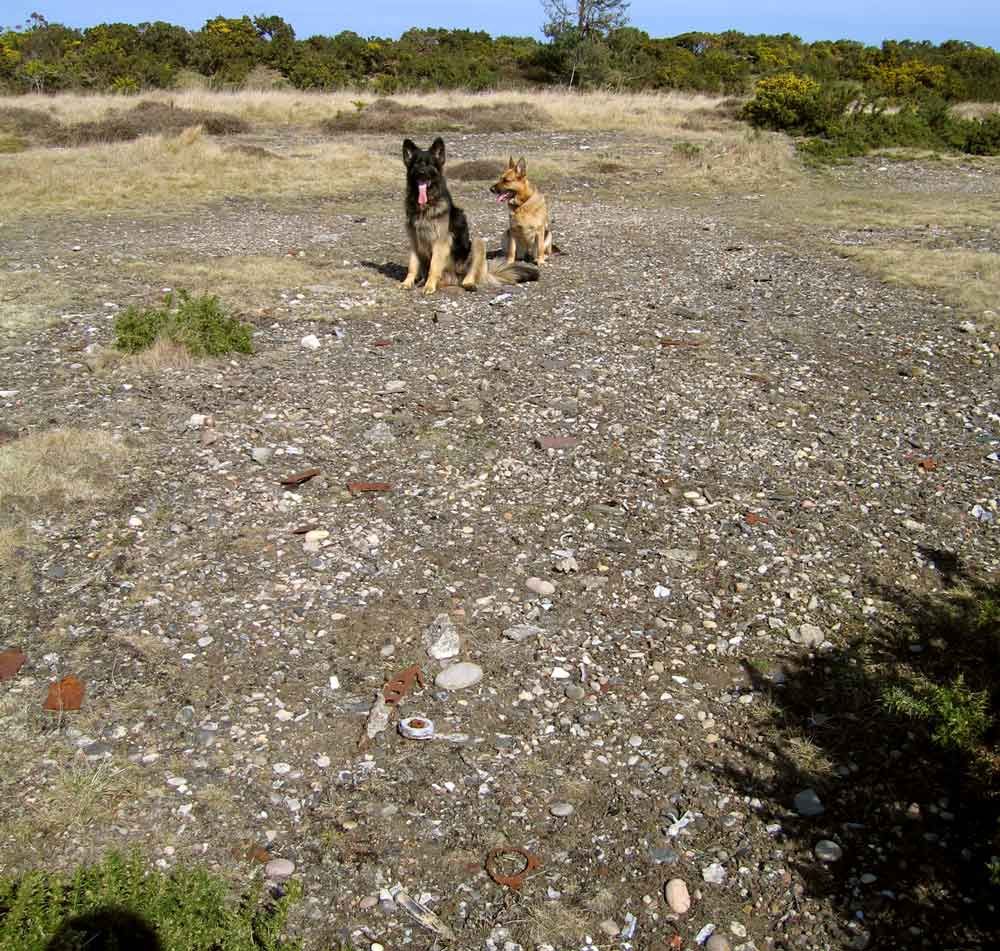
Lots more photos in my album at…
http://s292.photobucket.com/albums/mm14/handshifterAl/RAF%20Kinloss%2045%20MU%20remains/

By: Al - 22nd April 2010 at 09:15
A roman candle springs to mind….
By: Stuart H - 21st April 2010 at 23:49
‘Asymmetric’ doesn’t seem a good enough word to describe what would happen if one failed to ignite.
By: pagen01 - 21st April 2010 at 18:39
Blimey, thanks for that.
I know Whitley and Horsas trained at St Mawgan, would be great to know if they ever tried the rocket assist.
By: Whitley_Project - 21st April 2010 at 18:36
I cant say about other bomber types, but if you are ever at Kew you could take a look at this!
http://www.nationalarchives.gov.uk/catalogue/displaycataloguedetails.asp?CATLN=6&CATID=4932696&j=1
Cheers
Thanks for that Elliot, I wondered if there was some sort of odd requirement to operate from short fields.
I’m genuinely fascinated by this, I had no idea that RATO was even considered for RAF bombers of the period (thinking it was purely a German thing), were any others capable of being so equiped?
By: pagen01 - 21st April 2010 at 18:21
Thanks for that Elliot, I wondered if there was some sort of odd requirement to operate from short fields.
I’m genuinely fascinated by this, I had no idea that RATO was even considered for RAF bombers of the period (thinking it was purely a German thing), were any others capable of being so equiped?
By: Whitley_Project - 21st April 2010 at 17:57
Just as you say Pagen01 – for short and heavy take offs. Whitleys were used in a transport role with BOAC and for glider towing. RATO was not used on a regular basis as far I have found out.
Seriously?! If so what was the main idea (other than a short and heavy take-of!)
By: Der - 21st April 2010 at 16:44
Fascinating pics Al. Thanks for posting these.
By: pagen01 - 20th April 2010 at 20:33
Seriously?! If so what was the main idea (other than a short and heavy take-of!)
By: Whitley_Project - 20th April 2010 at 20:28
That’s a RATO Whitley – not used much I should add.
By: scotavia - 20th April 2010 at 20:01
Search and rescue dinghy packs?
By: pagen01 - 20th April 2010 at 19:51
As a complete deviation, what are those being carried under the Whitleys wings?
By: merkle - 20th April 2010 at 18:46
shame, its allways the other end of the country… theres nothing in the south west that comes close to this,all ooooop North 🙁 lol.
i used to love rummaging through flowers yard in chippenham as well,I dont think theres anything like that left in the south of the country ??.. i stand corrected mind ??:confused:
By: Whitley_Project - 20th April 2010 at 18:41
Well done for taking a look Allan and Stuart – yes the remains of the DF loop look Whitley to me. I have the mounting from another site but have been looking for the ‘egg’ for some time! Is there any chance you could pick it up for me next time you are walking the dog? :p
I think the fuel/oil tank sump with the 102 prefix is Oxford – it’s not from a Whitley.
The undercarriage assembly looks Anson to me.
Well worth having a look I think!
By: scotavia - 20th April 2010 at 18:30
Thanks for the encouraging finds, I wish I lived a bit closer, although 40 miles is considered close by many in North Scotland ! That tangle of tubing reminds me of my visit to Quarrywood.
By: Al - 20th April 2010 at 14:31
Some parts are easy to pick up and identify – a Mk 1 engine temperature guage dial from a radial!
But what is the mod plate from – any ideas?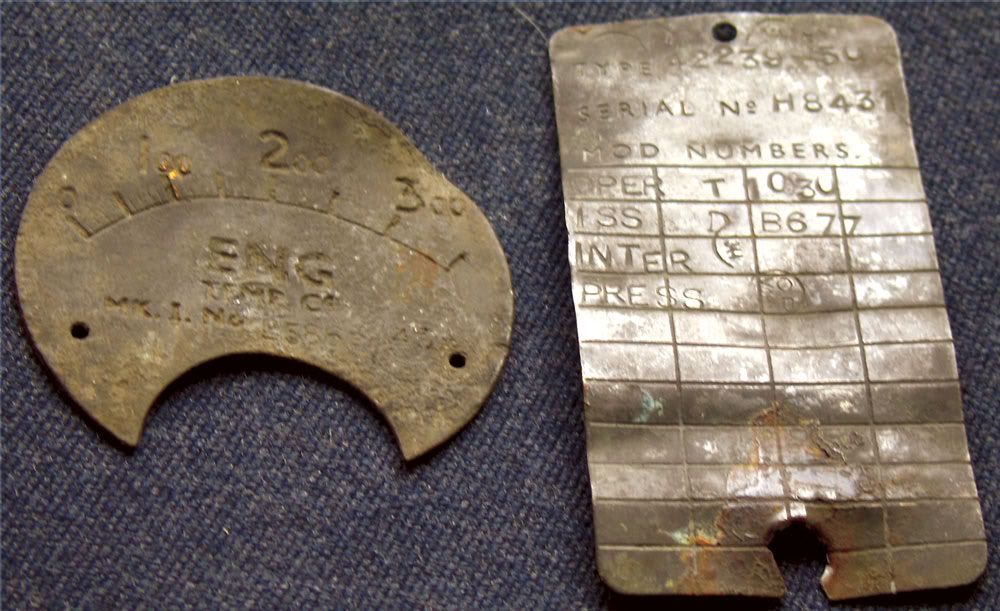
By: Alan Clark - 20th April 2010 at 13:33
I believe that the dig was done to recover Whitley parts, and it may have been associated with the clear up on the RAF side of the fence, I was told that several barrels of glycol were found and lots of fire blankets so the hole was filled. I don’t know how much was actually recovered.
Depending on what the inspection stamp is on the part with the number BM 563 2, it could be of AW origin. The shape of the stamp is similar to those used by AW.
The large pieces of wood bolted to stainless steel plates and steel structure are from Oxfords.
Yes, that tear drop is part of a D/F loop housing, were they standard parts shared by lots of aircraft types though?
By: Al - 20th April 2010 at 13:33
I thought I’d seen that strange teardrop-shaped thing before – that’s it behindthe Whitley’s cockpit! Any more Whitley parts?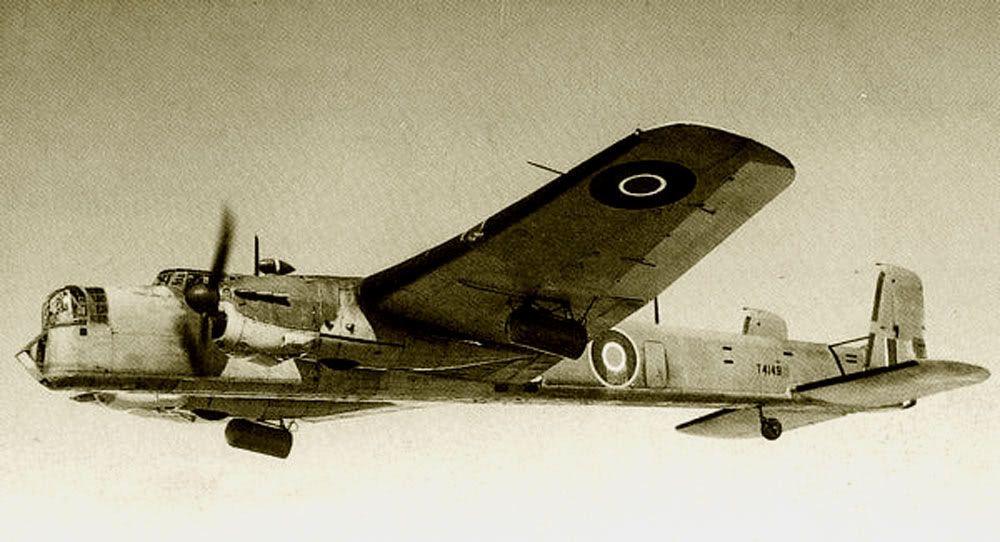
By: Stuart H - 20th April 2010 at 13:21
Whitley? I hope you’re not just teasing The Whitley Project! 🙂
It would be espescially satisfying to find parts to assist them. I’d be pleased to rescue anything that could be positively ID’d as Whitley. For the rest, I don’t think the missus would want the garden turned into an MU.
By: Al - 20th April 2010 at 13:06
I think that was around the time the RAF cleaned up their part of the old 45 MU site, a little further east than the public location we were at yesterday. On the modern aerial image, you can see the RAF area has been sanitised, due to the building of a reed-bed water treatment area ffor the station.
I’d be interested to hear what had been found back then!
By: Alan Clark - 20th April 2010 at 12:55
Some interesting bits of Ansons, Oxfords and I think Whitley there.
Was this the area where a dig occurred in the 80s? I know a lot of the usual airfield debris was uncovered.


 Sign In








 April 20, 2010 at 11:47 am