Had a trip down to Hendon yesterday afternoon to see the reconstructed 1915 Watch Office and part of the Grahame White Factory and gatehouse, opened just over a month ago. Only the lower floor is open but it’s still great to visit, and i’m really looking forward to it being filled with more exhibits. The extra space created in the factory space behind the Watch Office, currently with the Sopwith Tabloid and Bleriot racer in, mean there’s lots more space in both the Grahame-White Hangar and in the factory for not just the Sopwith Dolphin, but hopefully the LVG C.VI and Farman F.40
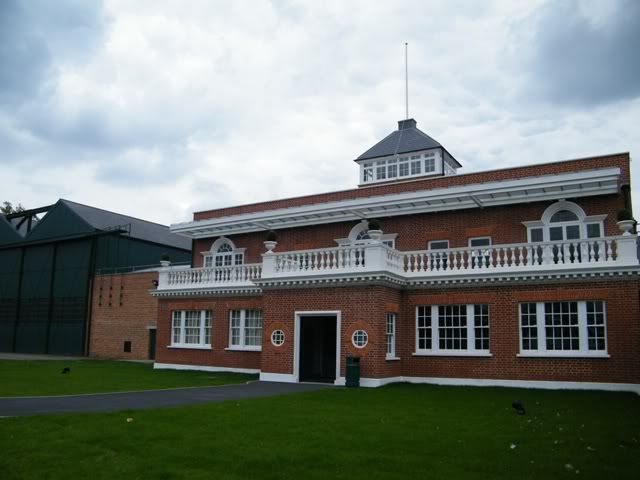
The reconstructed 1915 Watch Office. Early photographs and at least one poster for pre-WW1 Hendon show a smaller, wooden watchtower on the flying field itself.
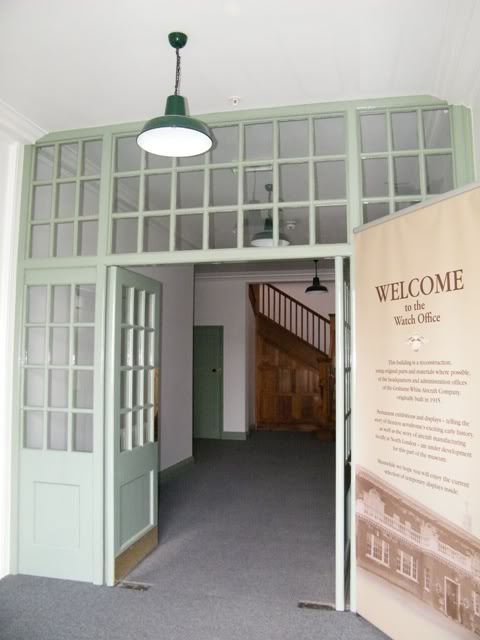
Through the front doors – the banner says;
Welcome to the Watch Office – this building is a reconstruction, using original parts where possible, of the headquarters and administration offices of the Grahame-White Aircraft Company, originally built in 1915.
Permanent exhibitions and displays – telling the story of Hendon aerodrome’s exciting early history, as well as the story of aircraft manufacturing locally in North London – are under development for this part of the museum.
Meanwhile we hope you enjoy the current selection of temporary displays inside
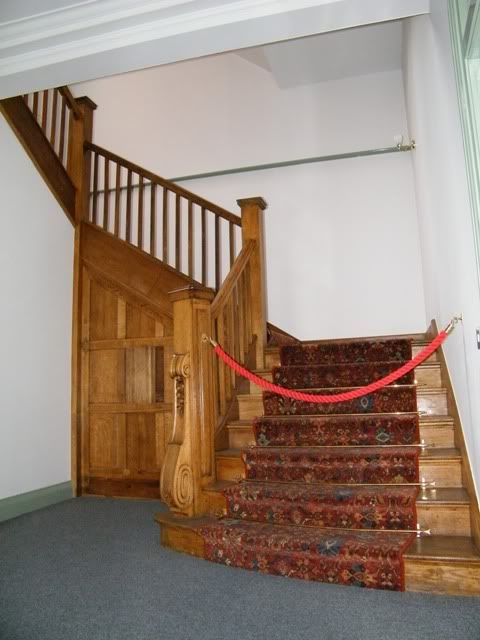
Inside, there is one large empty room, stairs to the upper floors, and one room which shows films of pre-WW1 Hendon, and also RAF Flying Displays of the 1920’s and 30’s
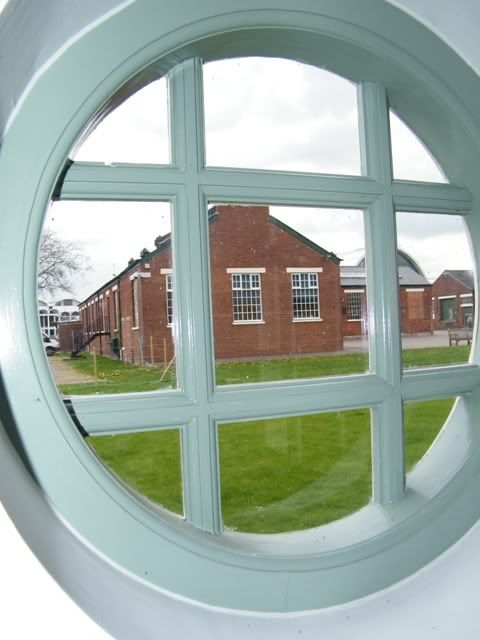
View of the other original buildings from the circular windows in the entrance
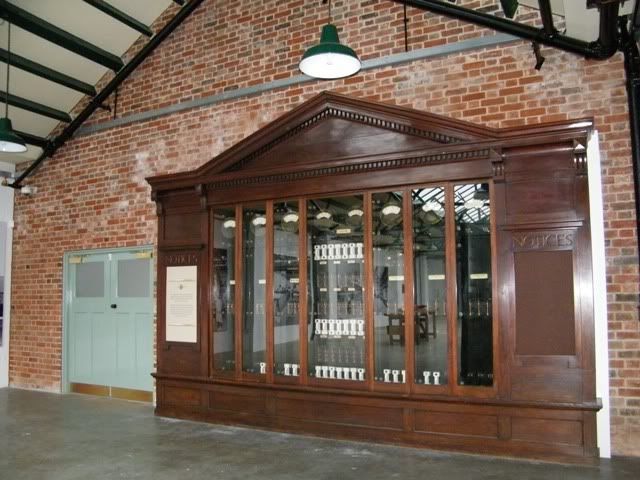
Electrical grid used by Grahame White to show how modern his factory was and how much electricity was being used
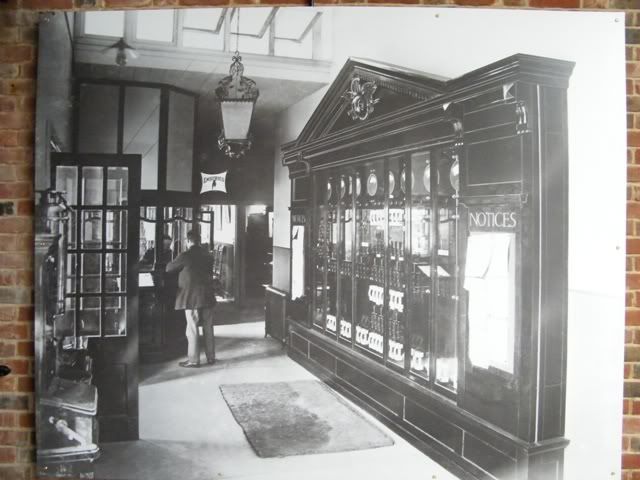
A large photograph next to it shows it in it’s original position
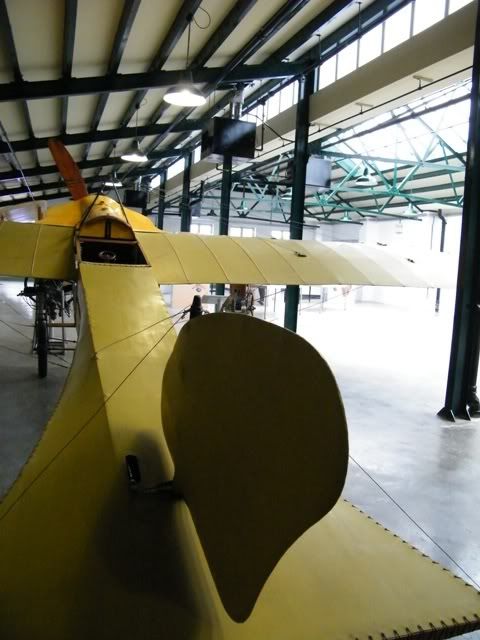
Bleriot Racer
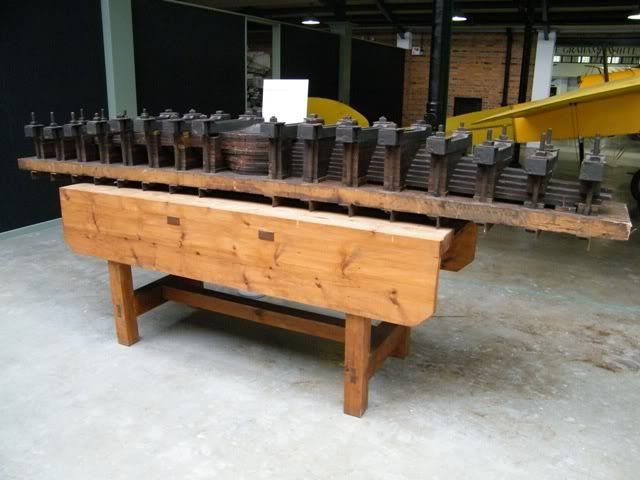
Propellor press
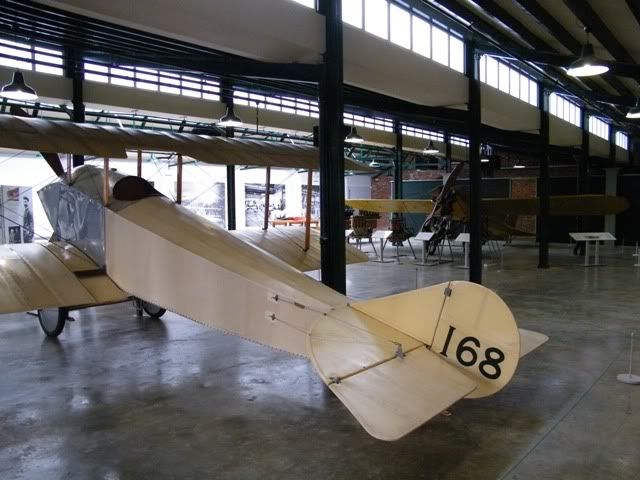
Rear of the Tabloid
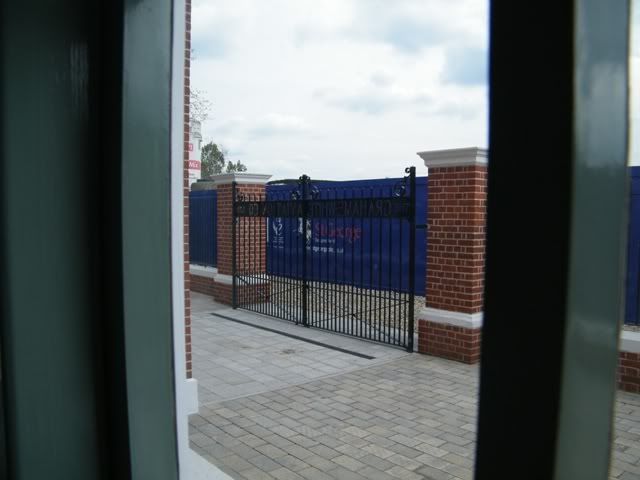
The factory entrance is to the rear of the building – you can’t go into the courtyard outside, there’s building work still going on so maybe this will be another entrance once the building work on the modern flats is done
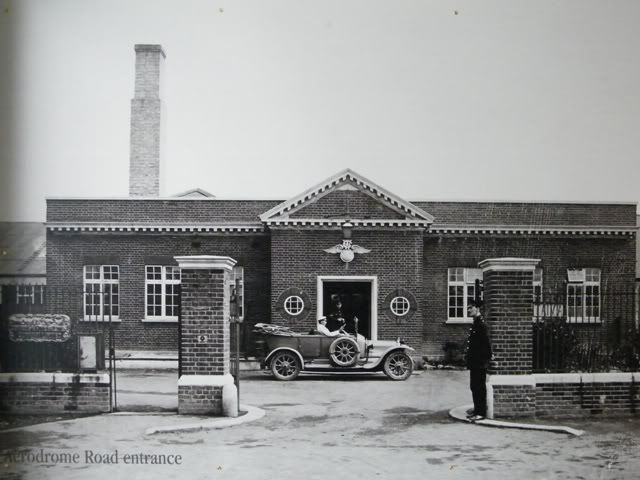
Period photograph of the entrance
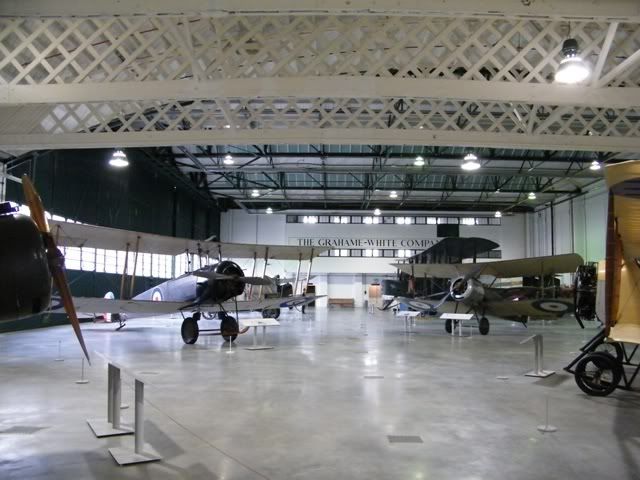
A gap in the factory wall allows access through to the Grahame White Factory Hangar, which is now open all day (before the opening of the Watch Office it was only open until 1200 apart from special occasions)
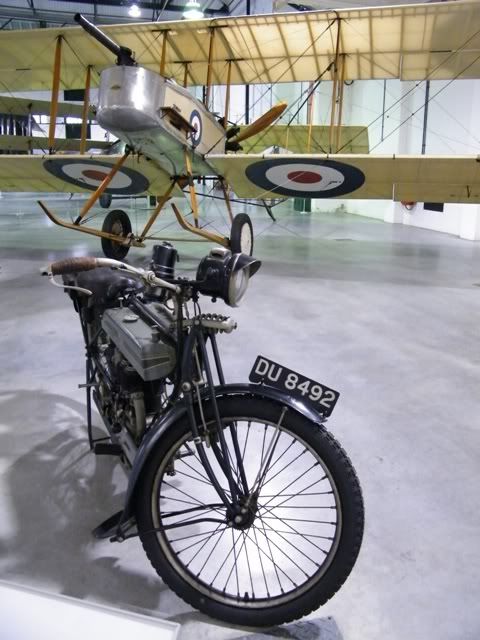
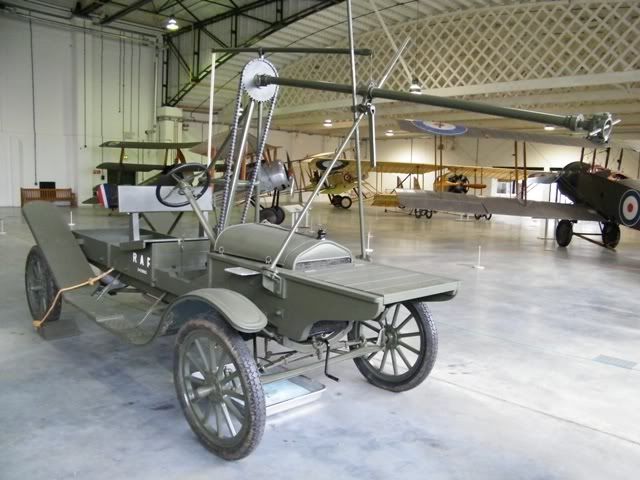
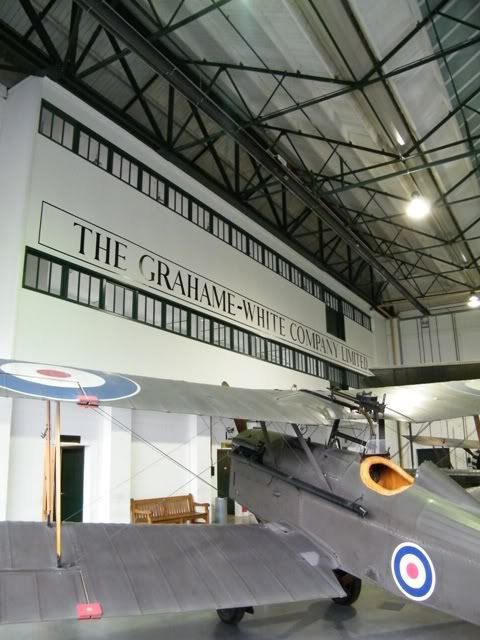
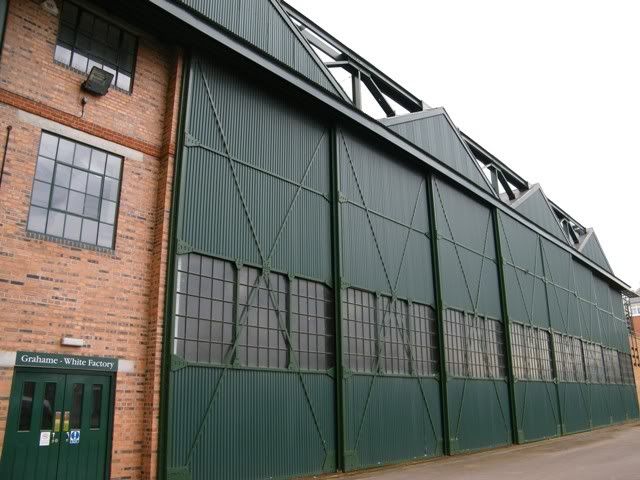
Finally, the Grahame White Factory Hangar from the outside.
Well done to the Royal Air Force Museum

By: pagen01 - 17th April 2011 at 11:10
Excellent photos Rob and fabulous rebuild, well done to the RFAM for this aspect of care for the historic site.
A watch office with a visual position was important before days of radio for the reason of looking out and making sure the the field was clear etc, think FISO but without the radio.
As mentioned above, alerting ground services was an important role.
The visual position was also useful for duty pilots to keep their eye on flying training and activity in general on the airfield.
Exactly what could be done to warn pilots of any possible problems or obstructions that may hinder them I don’t know, maybe coloured flags, or vary pistols were in use then?
There was also a system of markings on the ground and displayed on masts etc, but unsure if they were in use that far back.
The AM/RAF certainly used the term Watch Office into the post-war period, Control Tower seems to have come more from the civil side of things when their structures were definitely becoming more tower like, Croydon being a good example.
By: Rlangham - 17th April 2011 at 10:20
Yes, I think just ‘watching’ would be the answer – Hendon was of course a very busy aerodrome both pre- and during WW1, not to mention very very large
By: Moggy C - 17th April 2011 at 08:45
That’s actually a really good question.
The obvious answer is ‘watching’ as once R/T became more commonplace, so did the term Control Tower.
Remembering Those Magnificent Men in Their Flying Machines ISTR that they featured a lot of flag signalling. Then of course there were also light signals available.
Moggy
By: Atcham Tower - 17th April 2011 at 08:45
Presumably to keep an eye out for accidents on the aerodrome and call out the firemen? To this day, one of Air Traffic Control’s responsibilities is to provide an “alerting service”.
By: Phillip Rhodes - 17th April 2011 at 00:53
Not meant to be a stupid question but, given that ground to air radio/WT was in its infancy, what was a watch office used for in 1915?
Growing Tomatoes 🙂
By: Lyffe - 16th April 2011 at 23:56
Not meant to be a stupid question but, given that ground to air radio/WT was in its infancy, what was a watch office used for in 1915?


 Sign In








 April 16, 2011 at 1:31 pm