Can’t find any place to put museum photos, so I’ll put them here (dare to post a photo in the historic forum, unless perhaps it’s a small tin panel from an unidentified aircraft, and you’ll be blown to pieces! :dev2: ). Mods, if there is a more appropriate place to put this thread then feel free to move it! 🙂
Anyway, I finally got around to processing some of the photos I took in 2002 at the Royal Air Force museum at Hendon in the northern part of London.
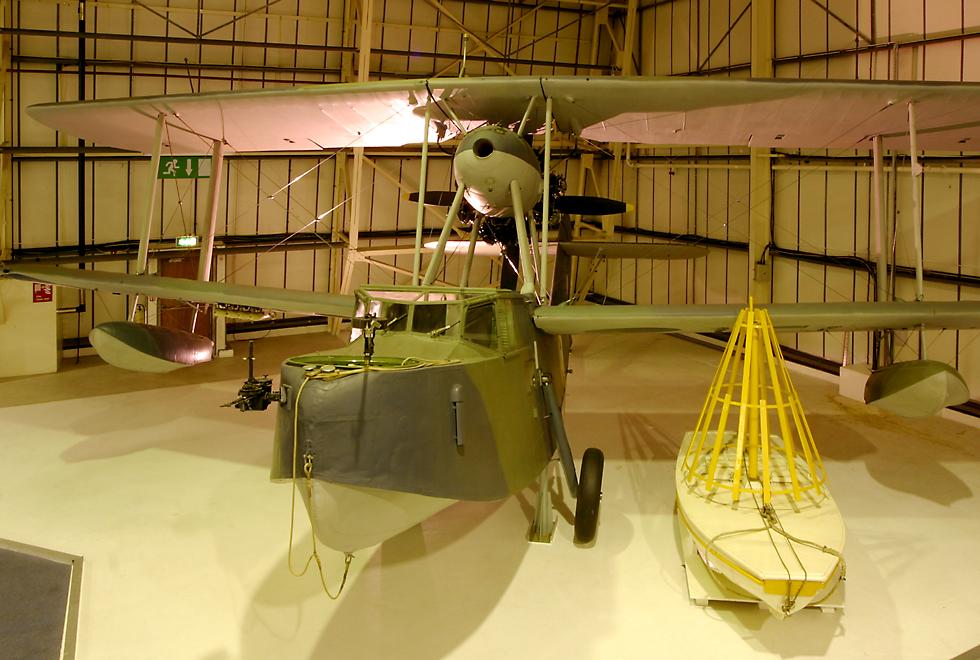
This archaic looking flying boat (seaplane) is a Supermarine Walrus (aka Seagull), which actually stayed in production until 1944:
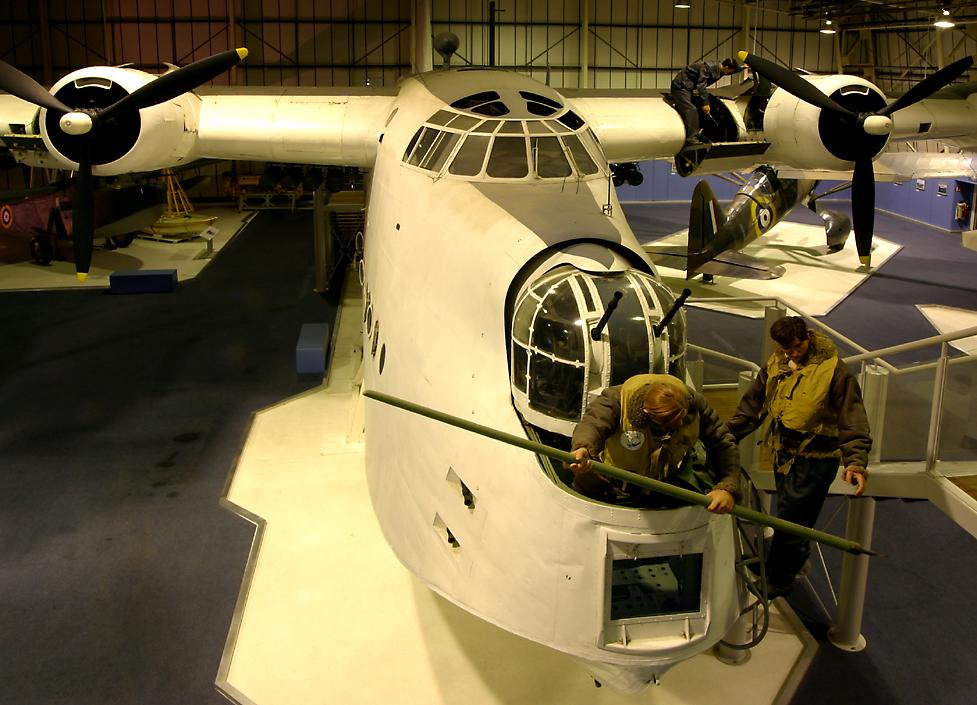
The much more powerful Sunderland flying boat, which earned its nickname “the flying porcupine” by having up to 18 machine guns, making it a formidable target. My father flew around in these right up into the 1960s with RNZAF examples:
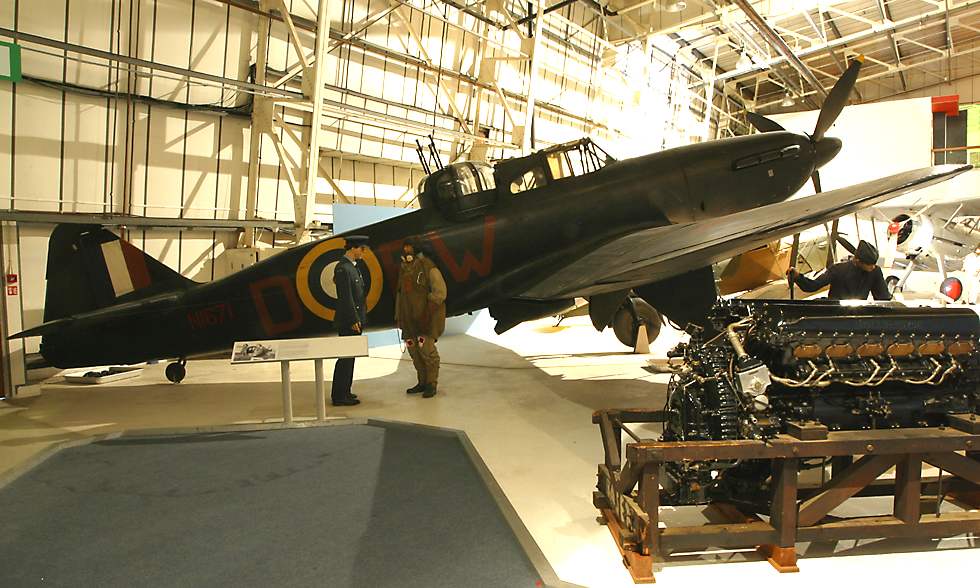
I always thought the Boulton-Paul Defiant turret fighter was one of the coolest looking planes, even though it was actually a lousy performer and a deathtrap, especially for the gunner:
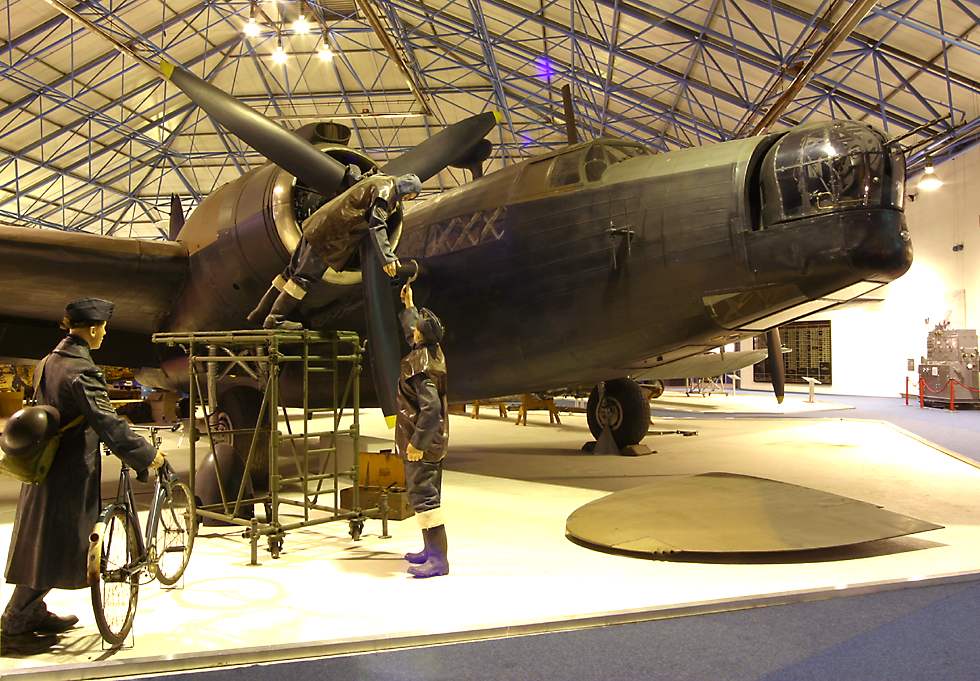
The incredibly tough Vickers Wellington bomber:
The Bristol Beaufort was a lackluster torpedo bomber and mine layer developed from the even more lackluster Bristol Blenheim light bomber:
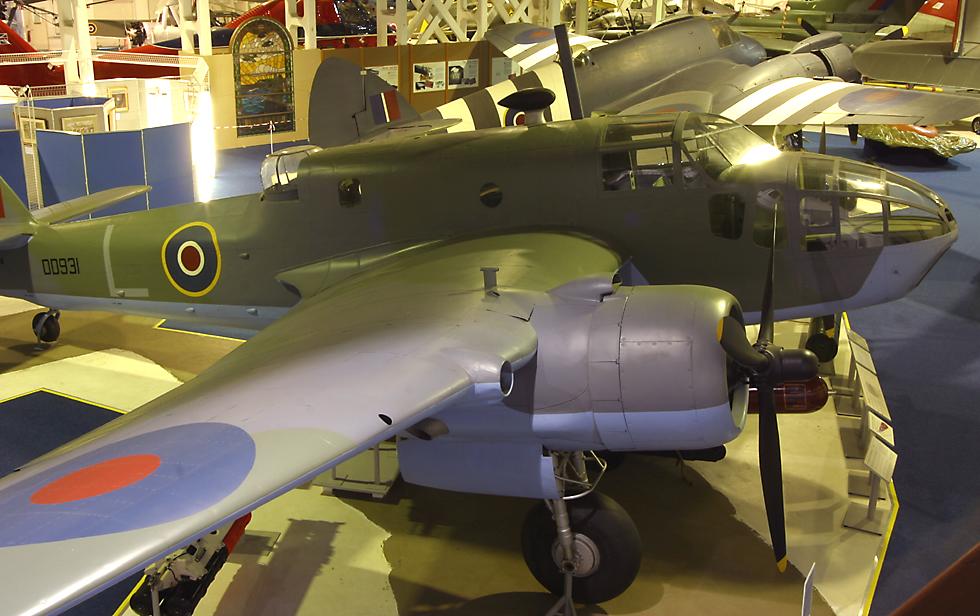
The Bristol Beaufighter was a kickass night-fighter and anti-shipping aircraft developed from the lackluster Bristol Beaufort and the even more lackluster Bristol Blenheim light bomber. The Beaufighter was so kickass that the USAAF used it, too.
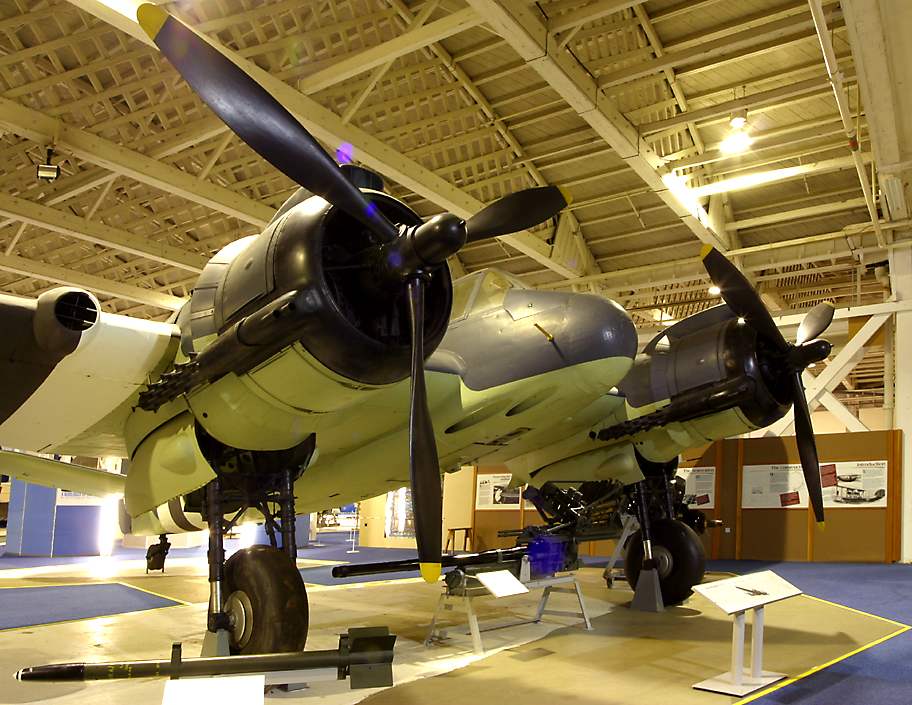
The sole surviving Hawker Typhoon, an aircraft which was sent to the USA for flight evaluation and ended up in the Smithsonian museum by 1944!

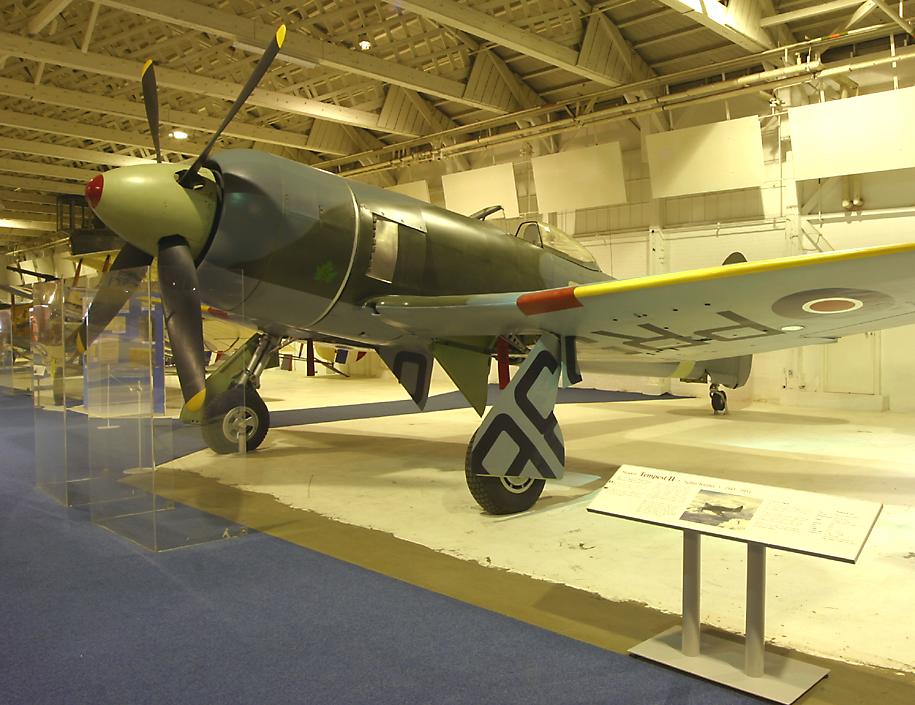
Hawker Tempest II, developed from the Typhoon and modelled in large part on the Focke Wulf Fw 190:
Lots more photos together with text, here:
http://www.richard-seaman.com/Aircraft/Museums/Hendon/BritishWw2/index.html
Comments, questions and suggestions all welcome!
Richard.

By: Kenbo - 17th March 2007 at 10:32
Can’t find any place to put museum photos, so I’ll put them here (dare to post a photo in the historic forum, unless perhaps it’s a small tin panel from an unidentified aircraft, and you’ll be blown to pieces! :dev2: ). Mods, if there is a more appropriate place to put this thread then feel free to move it! 🙂 ]
Hmmmm… so you couldn’t find anywhere to post pictures of vintage and historic aircraft eh.. so you posted a collection of static aircraft in a forum for displaying flying airshow aircraft….? and why would you not ‘dare’ to post historic A/C in historic forum anyway…?
Anyway, I finally got around to processing some of the photos I took in 2002 at the Royal Air Force museum at Hendon in the northern part of London.
I think you’ll find it’s changed quite a bit since you last visited….
Nice to see it how it was…The Bristol Beaufort was a lackluster torpedo bomber and mine layer developed from the even more lackluster Bristol Blenheim light bomber:
Lackluster eh… try telling that to the pilots who flew them, may i suggest you take a look at the squadron records to see how ‘lackluster’ their performance really was….
The Bristol Beaufighter was a kickass night-fighter and anti-shipping aircraft developed from the lackluster Bristol Beaufort and the even more lackluster Bristol Blenheim light bomber. The Beaufighter was so kickass that the USAAF used it, too.
‘The even more lackluster bristol blenheim’ Speechless:confused: again, suggest you take a look at squadron records to see the amazing work record of these aircraft… one of the finest A/C to be built in the uk.
The Beaufighter was so kickass that the USAAF used it, too.
Wow…. good enough for the americans eh…? :rolleyes:The sole surviving Hawker Typhoon, an aircraft which was sent to the USA for flight evaluation and ended up in the Smithsonian museum by 1944!
Yes… so they could stare in awe at our superb british heavyweight fighter!
Hawker Tempest II, developed from the Typhoon and modelled in large part on the Focke Wulf Fw 190:
Yes i can really see the similarity:rolleyes:
Comments, questions and suggestions all welcome!
Richard.
ken
By: scotavia - 17th March 2007 at 10:09
Thanks Richard, these are among the best from a museum which has always been a challenge. I would add that my home airfield of Blackpool Squires Gate was the base of night fighting Defiants during the attacks on Liverpool.They were the only night air defence available and did manage to shoot down some intruders which was an achievement(see Night Fighter by Rawnsley and Scott) In a similiar way while a lot of the earlier WW2 RAF aircraft had shortcomings the crews did achieve a lot. The one mission which I consider a waste of men and resources was the NIckelling series where leaflets were dropped.


 Sign In








 March 17, 2007 at 4:01 am