planeman6000
cheers
planeman6000VENEZUELA:
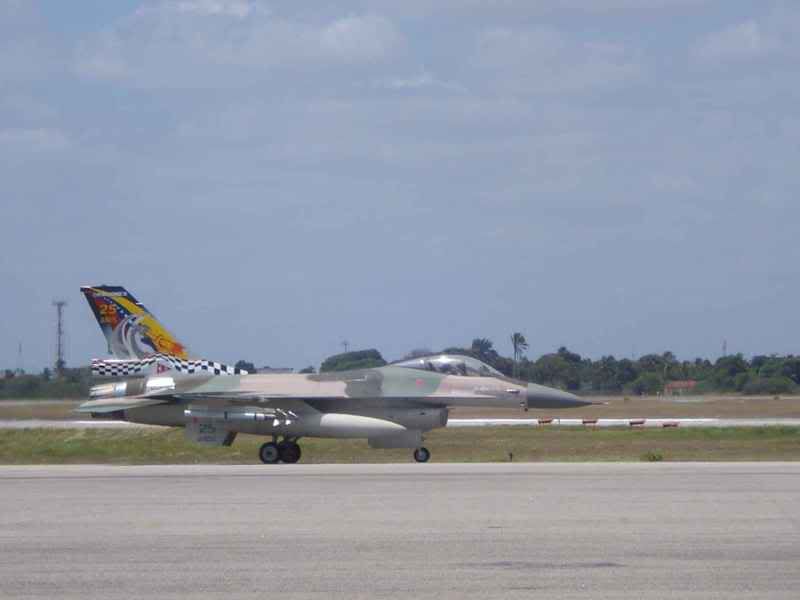
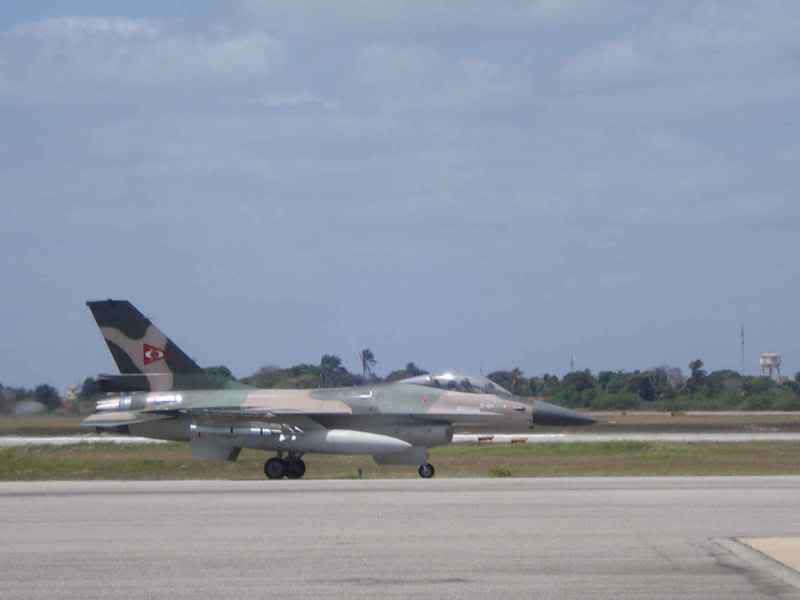
FAV/AMBV F-16A with Python IV
Is the Python-IV operational with FAV? And Derby?
planeman6000feeling sick in the stomach.
planeman6000HMS Andromeda – Leander class frigate was fitted with Sea Wolf – she must have had the same kit as the Type 22. I was told that Andromeda’s Sea Wolf system didn’t work at all but not absolutely sure how accurate that rumour was.
From memory, Andromeda arrived later (Bristol group) and never had cause to fire any Sea Wolf. She only had a Sea Wolf mount forward and so may have had a blind spot in the rear quarter.
planeman6000Ok, some of my Falklands war comparison pics. I’ve stuck with naval and some air units. There are of course detail errors in my drawings but I hope they are close enough to be acceptable. Usual caveat: completely amateur and based on web research. Feedback welcome.
I’ll start with the prettiest picture I’ve done. Argentinean gun cruiser, ARA General Belgrano. Sunk by British nuclear hunter-killer submarine HMS Conqueror:
Belgrano looks like a battleship but she is actually much smaller, a light cruiser by WW2 standards. Originally a USN boat (USS Phoenix). She also had some lighter 20mm AAA not shown in the illustration (not confident of exact fit at time of Falklands). Weapons:
Carrier comparison. Note the Argentine carrier could not operate the Exocet Super-Etendards until after the war due to incompatibility of various landing systems etc. A-4Q Skyhawks and Tracker ASW aircraft were the main aircraft carried during the Falklands.
Overall surface fleet comparison:
And now the sad one; losses and damage. Of course History tells us that after the loss of Belgrano the Armada turned tail, so the relative loss rates should not be misconstrued. However, British losses of ships, though less so men, were very high. Numbers in brackets show deaths.

One of the first observations is that although it is Argentina that put “Exocet” into popular vocabulary, it’s actually the Taskforce that carried more Exocets, it’s just that after the Argentine fleet disengaged neither side got to use their ship based Exocets (well, not quite. Two of the Exocet tubes from ARA Segui were removed and used as improvised shore-based launchers, with good effect seriously damaging HMS Glamorgan).
That’s before you start counting Sea Dart and Sea Slug SAMs which could be used against ships out to about 30km. I’ve not been able to confirm whether any British submarines carried Sub-Harpoon anti-ship missiles; if they did they didn’t use them.
The Argentines made good use of the Exocet from the 4-5 Super-Etendard aircraft available (only 5 missiles). The British equivalent was the Sea Eagle missile which could be carried by some Sea Harriers. It’s not clear if the Sea Eagle was taken south, if it was it wasn’t used in anger:
In the circumstances, most British warship losses/damage was inflicted by dumb bombs from IAI Daggers and Skyhawks. A number of factors limited the numbers of strike aircraft Argentina could muster over the war zone, but the greatest limitation was that the bombs were often dropped too low to activate meaning that many ships were hit by bombs that did not explode. Despite this, UK lost three warships and two logistics ships to dumb bombs. Had all the bombs exploded, the losses would have been far higher.
The bomb equipped Hercules made two attacks, one on a British tanker (bomb hit but failed to explode) and one on an American owned tanker (innocent). The latter was ultimately sunk.
Argentina experimented with dropping medium torpedoes from Purcura close support aircraft though no live attacks were conducted before the war ended. This would have been an interesting scenario as the slow moving Pucura was about the only Argentine combat aircraft most British warships had sufficient air defences to down!
Most British warships (and Argentine) had wholly inadequate close-in air defences consisting of obsolete missiles (Sea Cat) and manually aimed light AA (20mm and 40mm). Neither side had operational CIWS. The relative challenge of shooting down an incoming threat from a ‘typical’ British warship’s perspective:

Sea Cat and Sea Dart were also used by Argentina, all are of British origin. Only the Sea Wolf is credible for close-in defence including missiles (although untested in combat!). But, both the Sea Wolf equipped warships that were attacked by Argentine aircraft where damaged, one by a direct hit from a bomb which went straight through and out the other side! Sea Wolf was found to have limitations with multiple attackers and certain reliability issues but did score kills. Sea Dart performed well, including against aircraft outside it’s advertised envelope (over land, low altitude etc) but was not suited to close-in defence leaving the Sea Dart warships vulnerable. Representative ships:
HMS Bristol, Britain’s “cruiser” and in many ways the equivalent to Belgrano:
Onto a different subject; the Black Buck Vulcan raids. Much debated impact on the war, here’s the less well known anti-radiation weapons fits. The Shrike was simply better and more could be carried, so it was used. Both fits were non-standard:
Air combat. Only the Sea Harrier scored any kills (an Argentine pucura shot down a helicopter though):
The Dagger’s rarely flew air-combat missions, and it’s not clear if the Skyhawks ever carried the Shafrir missile during the conflict. Some reports suggest at least one Shafrir armed F-86 Sabre was rushed back from retirement to defend Argentina, but saw no combat. The British Nimrod was hastily modified to carry Sidewinders (max 4) in case it chanced upon an Argentine reconnaissance aircraft or that single bomb armed Hercules.
Submarines:
Both sides made attacks on enemy ships but only one, HMS Conqueror, was successful and she used WW2 era unquided torpedoes to do the job. Modern torpedoes had poor results for both sides, although in the Argentine case that may have been user-fault rather than the design:
I think that’s all. I’ll leave with this very rare photo I found on the net. General Belgrano taken during the Falklands conflict from an Argentine fast attack craft:
planeman6000
planeman6000congrats
planeman6000Niether, Mirage IIIS upgraded with fixed canards
planeman6000I wonder if anyone can help clarify this. A photo apparently taken during (or about the time of?) the Falklands. It shows 3 FAA Skyhawks carrying Shafrir AAMs on the outboard pylons.
Was the Shafrir carried by the A4 during the conflict?
Also, supports the rumour that Israel had helped Argentina upgrade/service it’s A-4s whilst the US embargo was in place around that time.
planeman6000Used all their ammo??? Blimey so the Pirates are brave or stupid, they’ll board even if you fight back. Seems a strange story, surely no pirate thinks it’s worth dying for either?
planeman6000I heard in a local newspaper that the three guys wo jumped were PMCs; two brits and an paddy. If so, then PMCs don’t seem very effective.
planeman6000USAF probably has enough F-22s as it is. F-22 is a nice plane but really they aren’t necessary, they are a nice-to-have. And they are damn expensive.
planeman6000the US carriers are one the few trustworthy guarantees for stability in the world,
fact or fanboy opinion? Proof please.
planeman6000Why does the US tax payer even need carriers?
Good question. I’d say the fleet could be cut back substantially.
planeman6000I’m seeing plenty of posts about why you want bigger carriers, but not much on why the US taxpayer NEEDS bigger carriers. Plus some of the answers contradict what the USN seems to be saying with the next gen carriers, particularly the 4-cat point. The new gen non-steam catapults supposedly increase reliability and launch rate so logically fewer would be needed. 2, with the exception of the E-2s, the aircraft planned for the future air wings are much smaller than the F-14s of the original Nimitz specs, so again less deck space required – and UCAVs will take that further(?).


 Sign In