BlackArcher
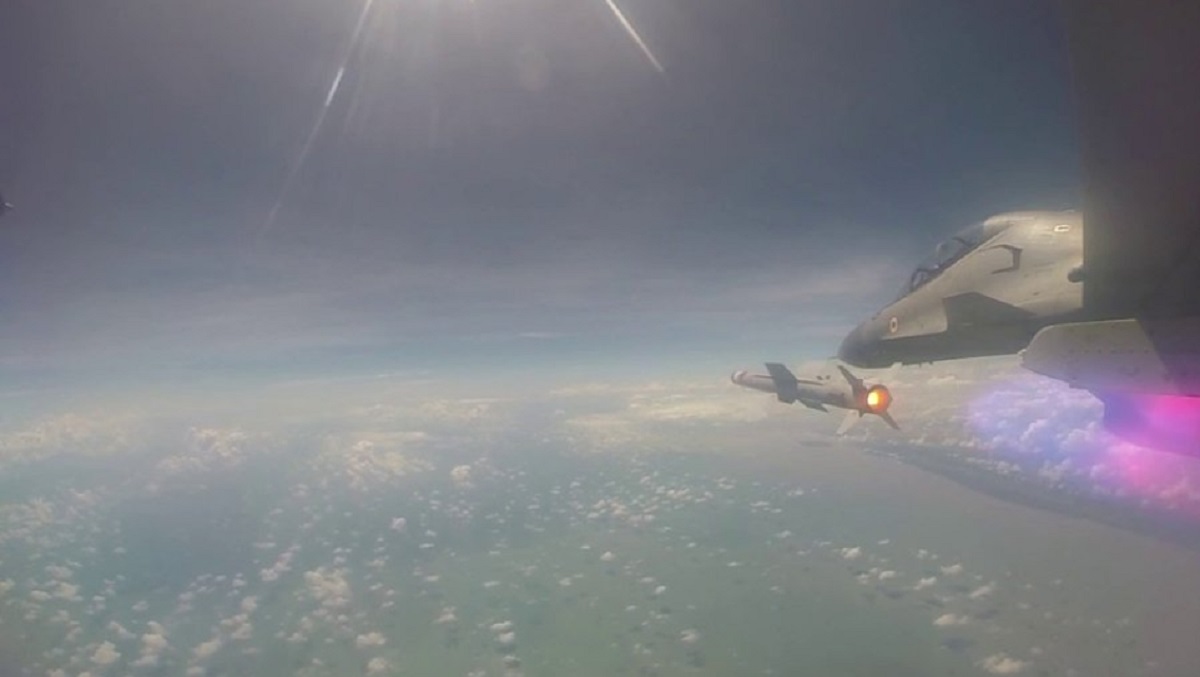
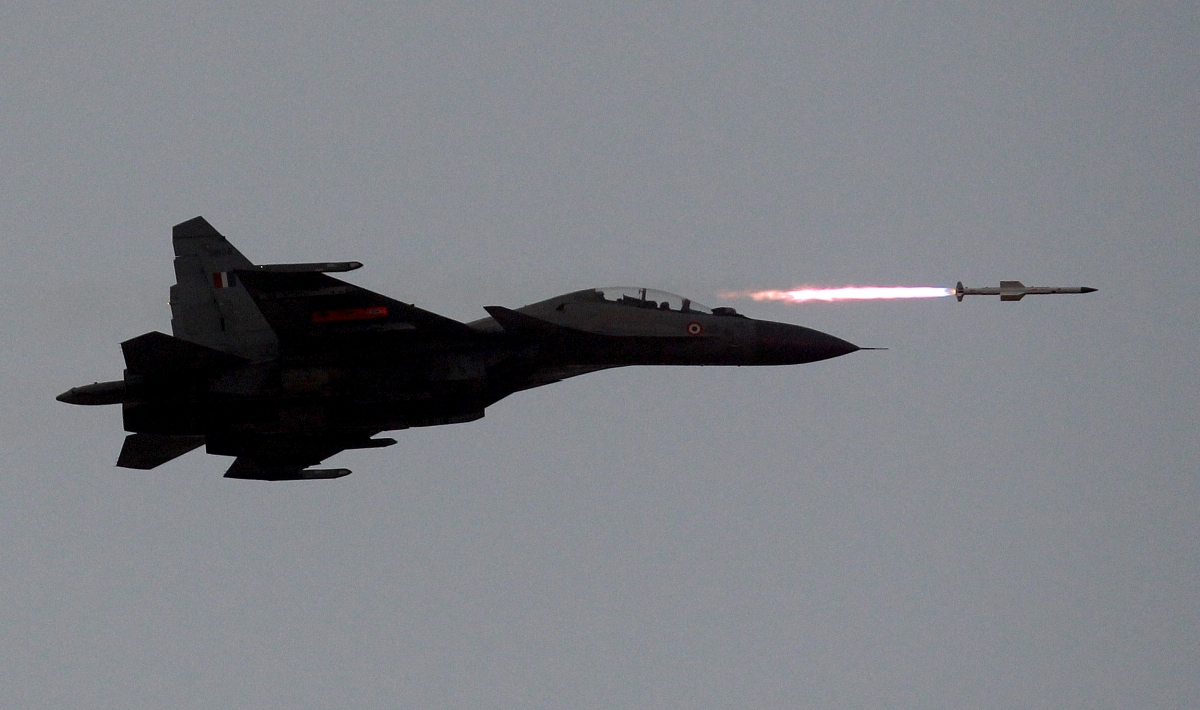
Su-30MKI firing Astra BVR AAM

BlackArcherBlackArcherTejas to begin flight trials of an indigenous Onboard Oxygen Generation System (OBOGS) by December 2019 or early 2020.
BENGALURU: India’s Light Combat Aircraft (LCA) Tejas will be graduating to the next level with the installation of the On-board Oxygen (OBOX) generating system by December or early 2020, said a scientist from Defence Electromedical & Bio-Engineering Laboratory (DEBEL), under the Defence Research & Development Organisation (DRDO).
Almost a year after a successful mid-air fuelling of the Tejas, the LCA Mark-1 (Mk-1) of the Indian Air Force, which enables aircrafts to be airborne for longer durations, DEBEL researchers have developed the onboard oxygen generating system, OBOX, to help keep the pilot fit and alert for an equally long duration with continuous supply of oxygen while on high altitude, long-distance flights.
“As of now, a fighter pilot is airborne with a bottle of oxygen, a cylinder that comes with the aircraft, which has the capacity to last an hour at the most, before coming back to base to get it replenished. However, with the OBOX, oxygen will be available throughout, as long as the engine is running,” he said.
…
“We have successfully completed lab trials. Now it is to have flight trials. Which is expected by the end of this year or by 2020. After that, this will be fitted on the Tejas,” he said.
The OBOX will flash warning lights and beeps when it detects lesser oxygen than demanded. An onboard electronic control unit on it will monitor the generation and percentage of oxygen.
The 14.5 kg OBOX has been designed for the Tejas and will be later used with small modification on Sukhois and Hawks.
BlackArcherSo completion of the first FOC aircraft will be late. It was going to be end September, wasn’t it? I recall this was foreseen due to the usual overdue decision making, something beyond HAL’s control. Will HAL be able to catch up so that the last of the batch of 20 will be completed on time, I wonder.
Does anyone know the status of the Mk1A contract?
Why will completion of first FOC aircraft be late? It was to be delivered between October and December..exact dates weren’t given. And seeing fuselages up to SP-28 on the assembly line makes me think that they will deliver the jets by the end of fiscal 2019.
Asked when the first weaponised aircraft would be out, the spokesperson said, “Our objective is to deliver it with FOC configuration by year-end — between October and December.”
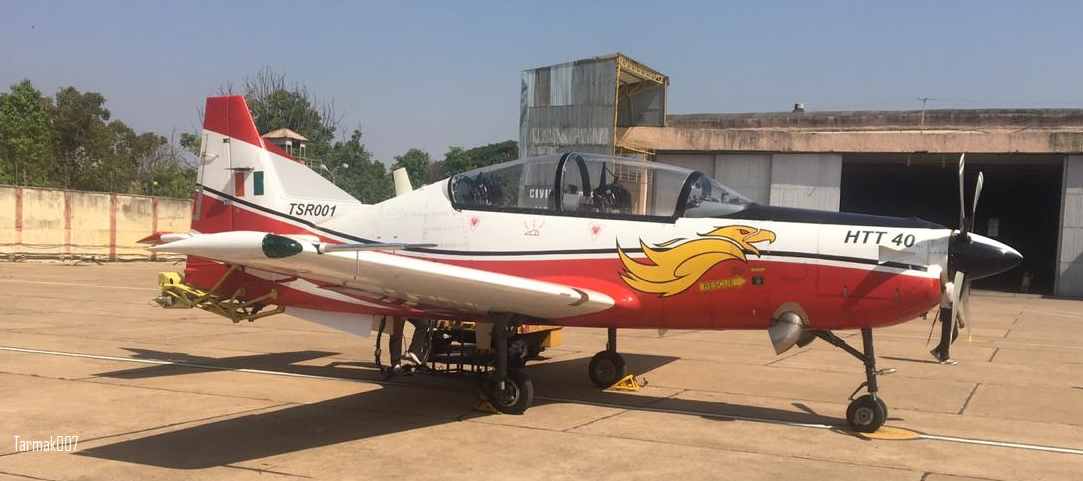
BlackArcherIAF plans on initiating the process for ordering 70 HAL HTT-40 basic trainers. These will be in addition to the existing fleet of Pilatus PC-7 Mk2. IAF wanted 38 more follow-on orders but with the corruption scandal that has led to Pilatus being black-listed for 1 year, that is out of the question. And with the HTT-40 sailing through the spin trials, it is pretty much shaping up better than the IAF expected.
So if that too comes through, the total numbers of HTT-40 in IAF service may be 108 units. Should allow HAL to put this basic trainer up for sale in the export market as well. HAL plans on developing an armed variant as well.
The Indian Air Force (IAF) plans to start the official process within three months for the possible purchase of 70 locally produced basic trainers from state-owned aircraft maker Hindustan Aeronautics Limited (HAL), three senior IAF officers said on condition of anonymity.
IAF is set to send a request for proposal (RFP) to HAL for the indigenous Hindustan Turbo Trainer-40 (HTT-40) before the end of the year, they added.
“The HTT-40 has entered the final stages of rigourous testing. The air force is optimistic that the trainer will meet its requirements. If all goes well, the RFP will be out by the year-end,” said one of the officials cited above who asked not to be named.
The HTT-40 is currently undergoing a string of elaborate tests at HAL to demonstrate that it is safe for rookie pilots and meets IAF’s exacting standards for trainer planes. Test pilots have wrapped up intensive flight tests but some brutal trials are yet to be conducted, said a second official.
A few days ago, the aircraft successfully completed the six-turn spin (towards the right), recovering from an uncontrolled flight using conventional methods. “The next stage of trials will be critical as it involves testing the HTT-40’s spin behaviour in the left direction, which is far more complicated,” the second official said.
If the remaining tests go smoothly, HAL could begin production by early 2021, said a third official tracking the air force’s modernisation drive. IAF, however, is clear that it does not want a piecemeal delivery of the basic trainers. “We don’t want HAL to deliver the aircraft in ones and twos as that will not meet our training requirements. We would need at least 20 planes to begin training. According to our estimates, it will take HAL around four years to deliver that number,” the third official added.To facilitate the release of the RFP this year, IAF plans to seek a fresh Acceptance of Necessity (AoN) from the defence acquisition council to pursue the HTT-40 purchase under the Defence Procurement Procedure (DPP) 2016 instead of DPP-2008, which currently covers it. “That’s important because under DPP-2008, user trials have to be conducted before the RFP is issued. However, the provisions of DPP-2016 allow the RFP to come before the user trials,” said the second official cited above.
The upcoming RFP may also allow HAL to release around $25 million to upgrade the Honeywell TPE331-12B turboprop engine that powers the basic trainer to extract maximum performance from the aircraft, said the first official. HAL was reluctant to spend on the upgrade unless the order came through.
..The defence ministry in July suspended business dealings with Pilatus Aircraft Limited for one year for violation of a pre-contract integrity pact in a ~2,900-crore contract for 75 basic trainers, and also factoring in ongoing Indian investigations against the Swiss plane maker for alleged corruption and irregularities.
The contract included a follow-on purchase of 38 more planes, but the ban means IAF can’t invoke the clause. The order for additional planes could be sourced from HAL, said a fourth IAF official.
Experts welcomed IAF’s decision to take the HTT-40 purchase forward. “It’s a big thumps up to indigenisation and the RFP is an indicator that the locally made trainer will meet IAF’s requirements. It is now up to HAL to meet the timelines and provide adequate technical support. It has been found wanting in some of those aspects in the past,” said Air Vice Marshal Manmohan Bahadur (retd), additional director general, Centre for Air Power Studies.
BlackArcherSP-26 forward fuselage on the assembly line. That would be the 6th FOC Tejas Mk1. First one (SP-21) should be rolled out by this year end.
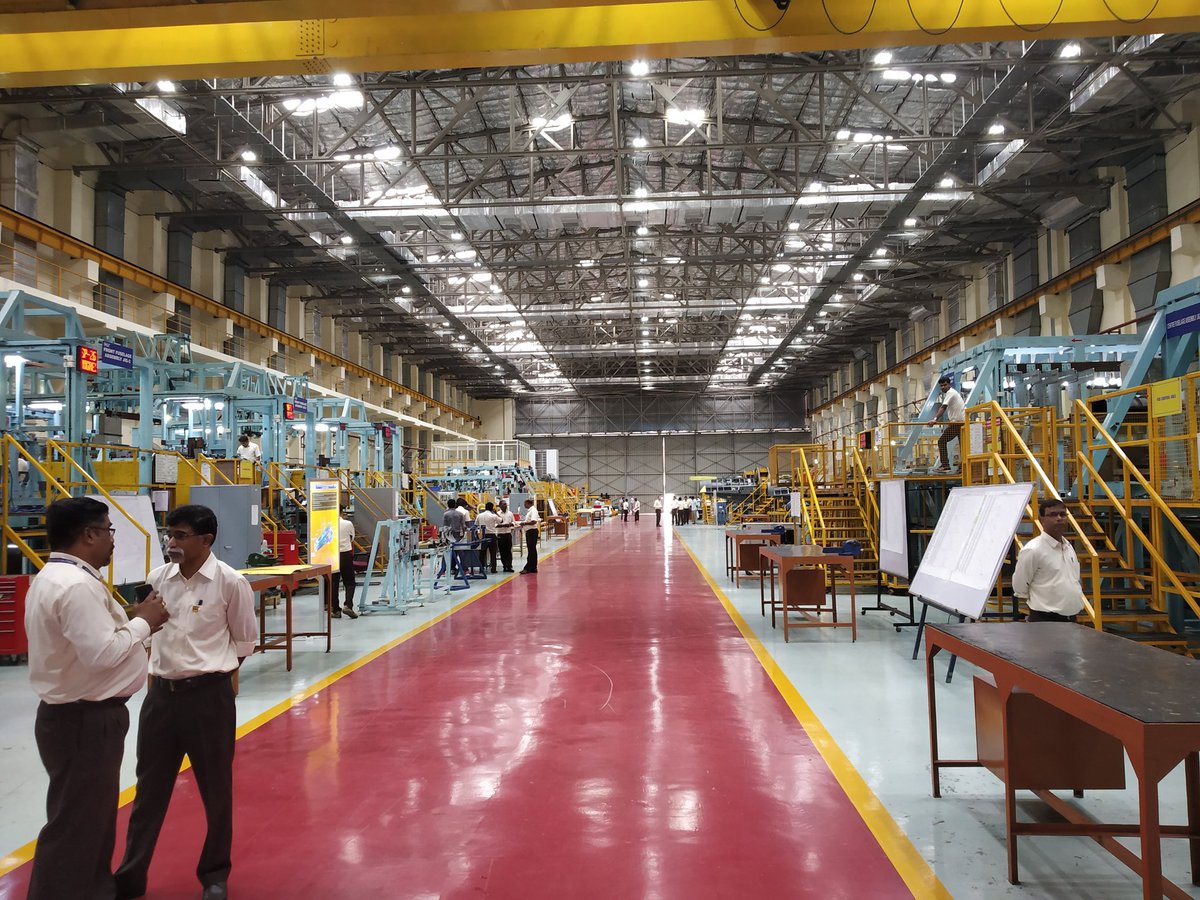
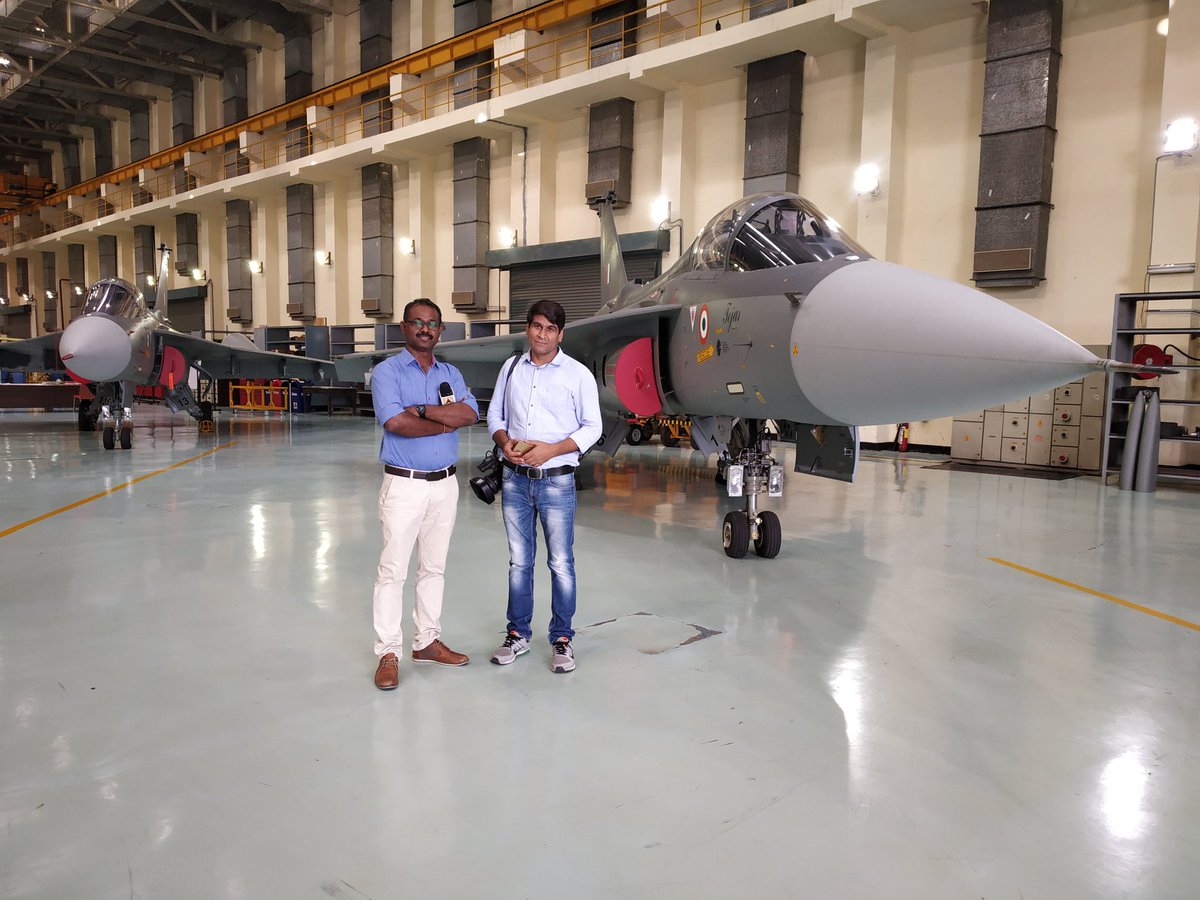
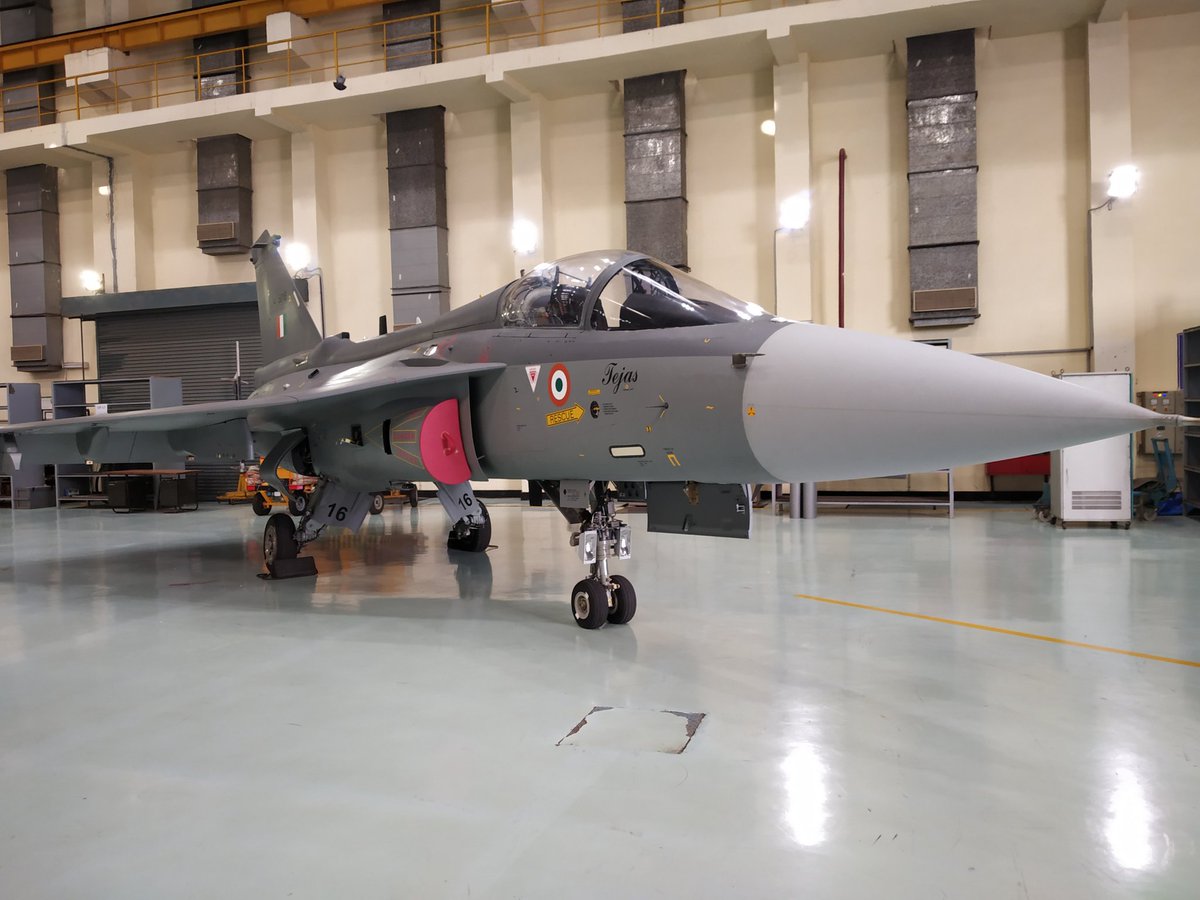
LCA SP-13 and SP-16 at the LCA Tejas hangar. Already handed over to the IAF in March 2019. Possibly brought in for inspection by the Defence Minister in a couple of days.


 Sign In