 BlackArcher
French and Indian pilots exchange notes on flying. Grp Cpt George Thomas is a former Commanding Officer of a Su-30MKI squadron and flew in the Red Flag exercise in the US.
BANGALORE:
India’s ace LCA pilot George Joseph and French pilots De L’Air, Plu Vinjae and others shared some fantastic bonhomie at the flight operations centre at Yelahanka air base on Friday. Engaged in intense conversation, India’s LCA pilot and the French pilots exchanged notes on the LCA, Su-30, Rafale, F-18 and the art of flying.
The French pilots, fascinated by the LCA, inquired about how India’s indigenous aircraft project was coming along. While the French pilots said they were mighty impressed by the light and compact aircraft, George explained how the LCA coasted through almost 1,500 flights, tackling in its wake a whole lot of technical issues typical of any developing aircraft. “The test flights have been a challenge. We went through many new developments. The software was continually upgraded and we arrived even to the fly-by-wire system. We’ve just received certification,” George explained to the attentive French pilots.
One of the French pilots remarked: “I’ve been seeing the LCA fly for the past two days. It looks a very good aircraft to me. It has good flight abilities and I get the feeling it’s doing well.” One other pilot had just finished a good deal of research on the LCA, having gone to the aircraft and examined it closely.Another French pilot said: “Cockpit comfort will be an important factor for a pilot to say how the aircraft is. Weaponization is another. For an aircraft that’s coming up, its very good. But yes, ultimately flying the aircraft will tell us how good it is.”
Then the LCA pilot and his French counterparts exchanged notes on how the Su-30 operated. The French were keen to know about the Sukhoi, given that it is the mainstay of the IAF and probably the deadliest air superiority fighter in the world. All of then congratulated each other for the flight displays and signed off, hoping to meet again.
BlackArcherBest video on the Tejas of the lot that we’ve seen so far
BlackArcherMaj Gen PK Bharali (mentioned in the post above) gave a very interesting lecture at AI-11 on what are the major requirements (from user perspective) for helicopters that operate at high altitudes. he is a very experienced Army Aviation aviator who has decades of experience operating from Siachen and Leh, some of the worst terrain in the world for any helicopter pilot to have to operate from. A small mistake while landing on a pad at the edge of a cliff at such altitudes would be very likely fatal.
BlackArcherBlackArcherSAAB and HAL to sign JV for building airborne EW systems for Dhruv. Or are these the self-protection systems ?
Saab is planning to establish a joint venture in India with state-owned Hindustan Aeronautics Ltd. to manufacture airborne electronic warfare (AEW) systems for HAL’s advanced light Dhruv helicopters.
The Swedish company won a contract to provide these systems for Dhruvs but, under that agreement, there was a requirement for transfer of technology to HAL, says Saab country head Inderjit Sial. As a consequence, Saab decided to enter into discussions with HAL to set up production in India so “we could get the low-cost production capability of HAL,” Sial says.
He declines to say where the production facility will be or when it will open, because the joint venture is subject to approval by India’s Foreign Investment Promotion Board and Ministry of Defense. Saab will cap its stake at 26%, in compliance with India’s foreign investment rules, he adds.
BlackArcherJaguar re-engining news. Apparently Rolls Royce wanted to upgrade the Adour engines rather go in for re-engineing them.
After waiting years for a request for proposals (RFP), Rolls-Royce is pulling out of the competition to upgrade India’s fleet of 120 twin-engine Jaguar fighters.
The reasons for the company’s decision have been relayed to the Indian defense ministry, according to a source close to the bidding process. Rolls-Royce and its competitor Honeywell, which is offering its F125IN engine for the Jaguar, attended a pre-bid meeting last November.
Rolls-Royce’s Adour Mk821 is currently installed on the Jaguars. From the outset, the company’s proposal was for an engine upgrade program rather than a re-engining, but the eventual RFP called for a new engine rather than an upgrade. Rolls argued an upgraded Adour would minimize aircraft integration issues and utilize the existing Adour infrastructure at Hindustan Aeronautics Ltd. It is not clear why the RFP took a different approach.
The Jaguars have slowly become overweight and underpowered as a result of avionics and weapon systems upgrades.
In July 2010, a Rolls-Royce spokesman said that the Adour Mk821 “will provide the proven … lowest-risk solution for certification, production, transition and operational phases. It also provides economies of scale with the Hawk AJT [Advanced Jet Trainer] engine, already manufactured in India.”
Honeywell refused to comment on the Rolls-Royce engine. “We are excited to be part of the competition,” says Mike Madsen, president of Honeywell Defense and Space. The F125IN, he says, is 600 lb. lighter than the Rolls engine and would enable 25% shorter high-hot takeoffs.
Honeywell and HAL have been collaborating to produce the TPE331 engine that powers the HAL-built Dornier 228 aircraft. An agreement was signed in 2008 to turn engine production over to HAL, making it the first aerospace engine to be fully manufactured in India for the world market.
The Indian government will now have to decide if it can accept a single-vendor approach for the Jaguars.
The bolded part is the one that will decide when this program actually happens.
BlackArcherThe slide that I was talking about.
BlackArcherObligatory, Sign, Signatory, Maskirovka and other Swedish posters (Loke is Norwegian?) might be interested in going through Ola Ringell’s lecture on the Gripen’s flight tests right from A/B to C/D to now E/F
Just go to the 1:19 mark and the lecture starts from there.
BTW, check out slide on Gripen Operational envelope
The AoA limits are +26 deg / -10 deg
And this coming from one of the Gripen’s Test Pilots, I think we can say for sure that nobody will contest it.
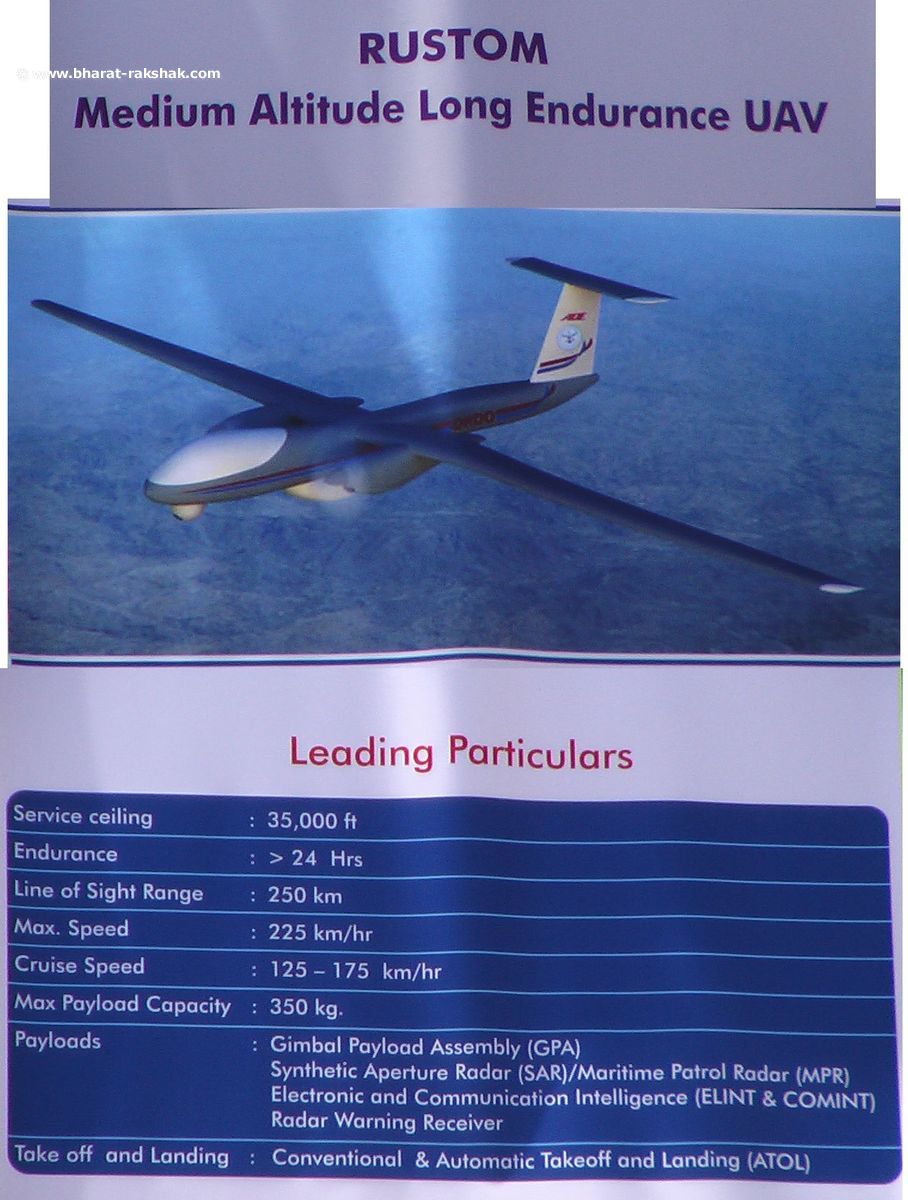
BlackArcherRustom MALE
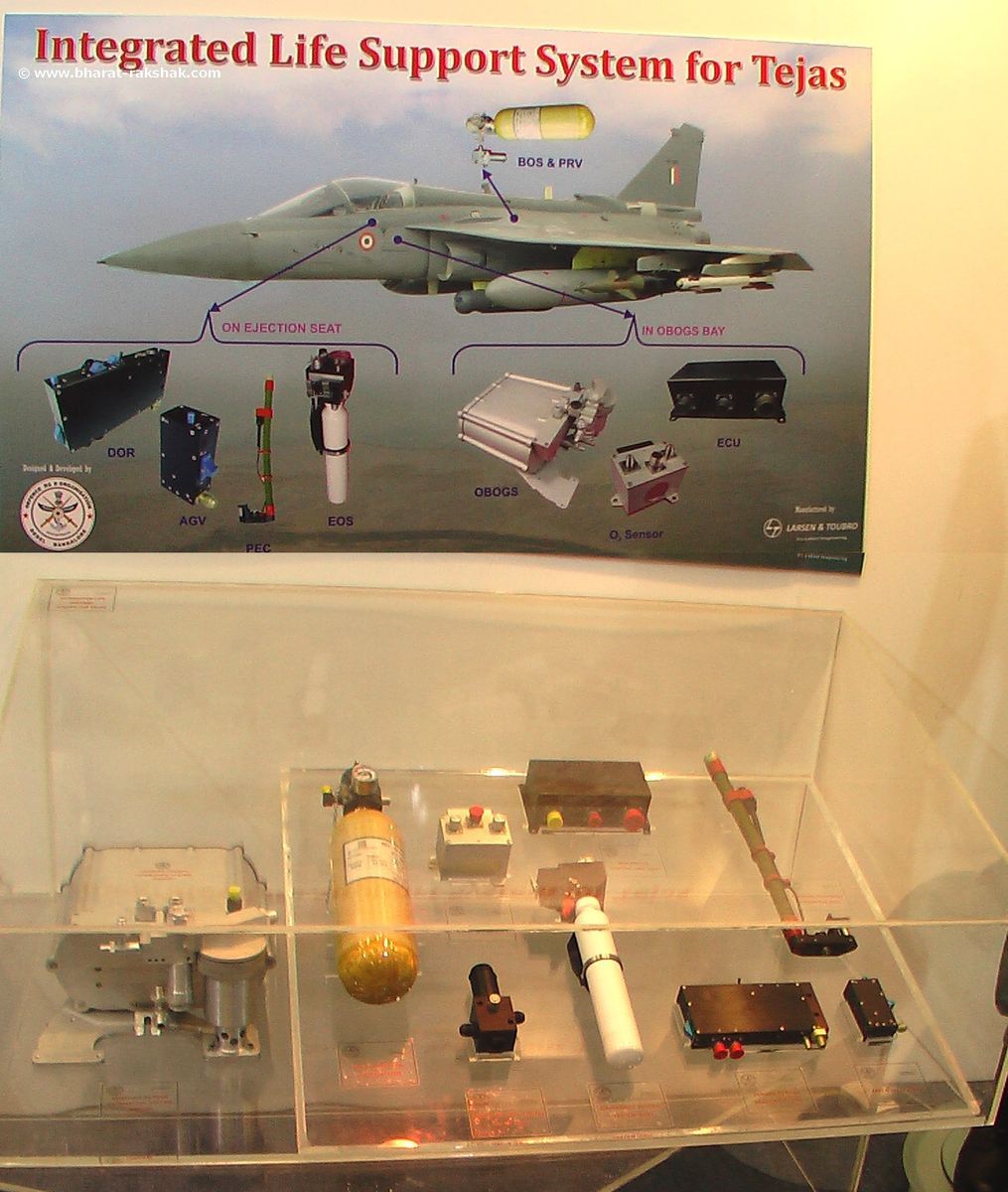
BlackArcherLCA ILSS
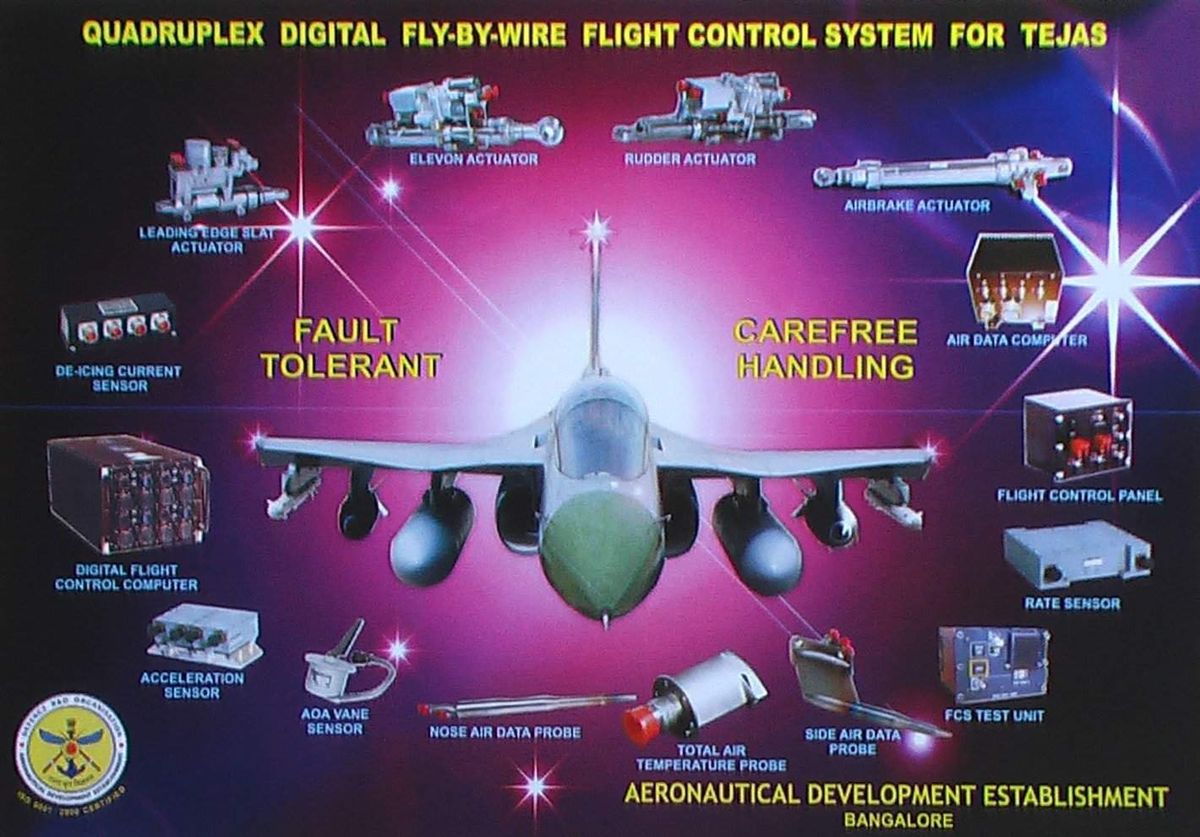
BlackArcherLCA FCS components
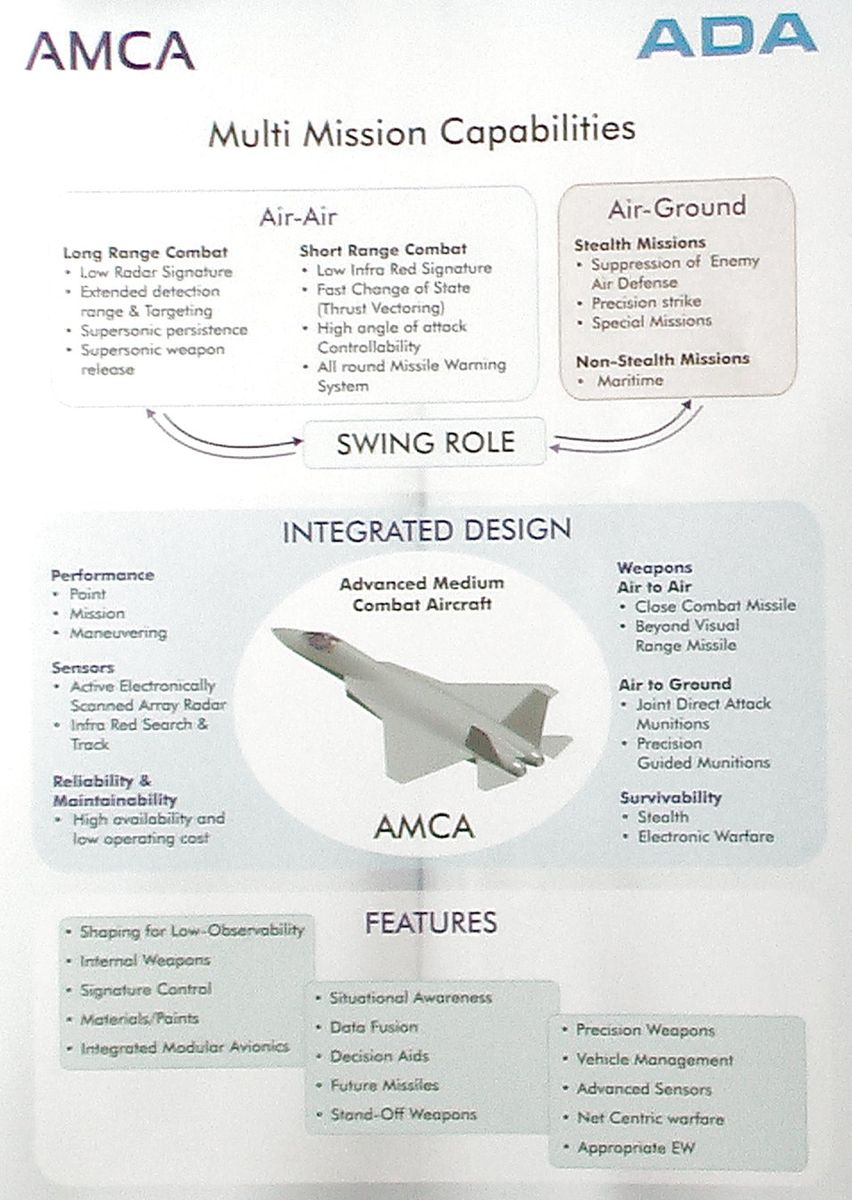
BlackArcherAMCA brochure
BlackArcherBlackArcherThe NG will be the most modern and state-of-the-art of all the fighters in the MMRCA. Typhoon and Rafale are both older than the NG which is being developed as we speak. Kinematically it will compete with any of the others, pulling 10g without breaking a sweat.
10G ? no way. the FCS will not allow that.
The current Gripen has a very low RCS, the NG will have further RCS reduction. You do know that the current Gripen has radars blockers in air intakes, in addition the engine is not visible through intakes. The radar radome consists of RAM material that only lets the radar frequencies through. etc, etc.
radar blockers for a single engined aircraft with a Y-shaped intake? never heard of that before. got a source for that ?
Norwegian F-16 pilots have admitted that the current Gripen outclasses them; in BVR Gripen is completely superior, and also in TWR it has a clear edge. Surprisingly it “rises faster” than the Norwegian F-16, in spite of having a measly RM12 engine compared to the 27,000 lbs engine in the F-16…. Think about what that implies….;)
Those are really old F-16s. the Block 52 would be a much harder beast to outclass.
The NG will have numerous improvements that will lift it far above and beyond Gripen C. Improved HMI, improved data fusion, swashplate 1000-element AESA, improved EWS, improved HMD, 20% increase in thrust, w. 4% increase in empty weight; SC; MAWs, IRST, satcom, etc etc. Icing on the cake is Meteor and IRIS-T. The NG will be an amazing a2a platform!
That is true. it will be a formidable A2A platform both in BVR and WVR arenas.
As for the J-20 — if it succeeds none of the MMRCA will be able to handle it, then you need the PAK-FA/FGFA.
Well, not all of the PLAAF is going to comprise of J-20s. there are other, older generation threats as well, which comprise most of the PLAAF and the PAF. Any of the MRCA candidates will be able to neuter the JF-17 threat, but the question will be can the MRCA winner adequately handle the J-10 and its likely PAF version, the FC-20?


 Sign In







