Or they just copying wikipedia Raptor performance sheet. Even in USAF website it’s only listed as “ceiling”. With no real meaning nor what configuration being detailed.
But yeah maybe in “toss” profile it can be done, where Su-57 will briefly enter the altitude and release.
———-
The usefulness of possible additional range however will of course be further limited by thermal limit of missile (particularly radome) and battery capacity.
Just stick to Kh-58 or R-37 form factor.
Yeah, but can the Su-57 itself got to 20.000 meter in the first place ?
I mean typical fighter combat ceiling would be 12000 (39000 ft) m with other potential in 15000 m (49000 ft) with ultimate ceiling usually in 18000m (59000 ft). but 20000 m its kinda need specialized platform. MiG-31 with Kinzhal perhaps can go that high as it was designed to do so (Prolonged use of afterburner).
More realistic would be 12000m (39000 ft) where i put my calculation at. 65Kft is 20000 m and i dont think Su-57 would be flying that high or necessarily need to do it.
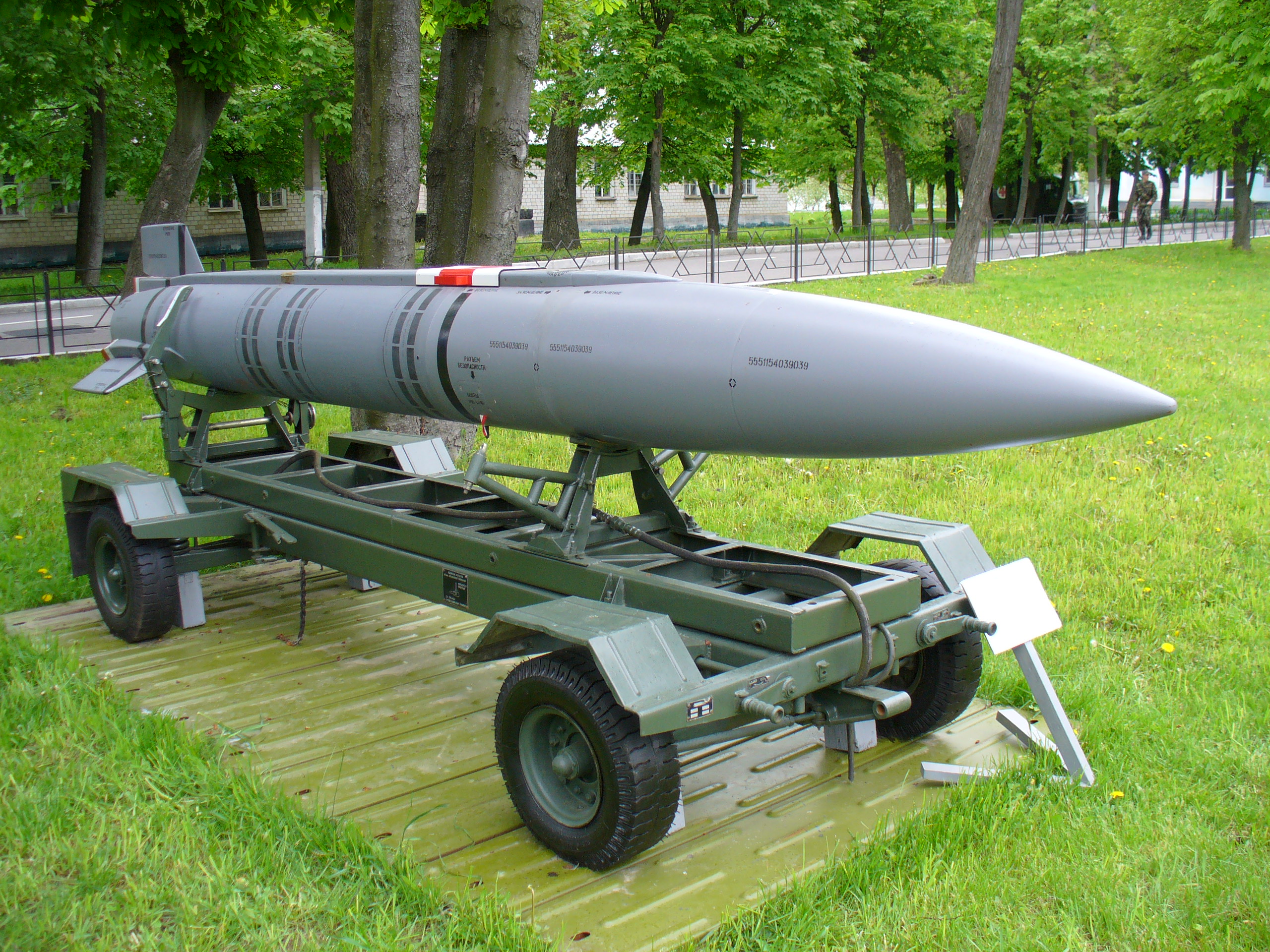
Kh-58 form factor, with assumption of 250 Kg propellant, 260s of ISP. With launch weight of 700 Kg, Launch velocity of M 1.2. and like 15 seconds of burn time and 45 seconds un-powered coast to apogee will yield 93 Km apogee and about 372 Km of range. The burnout velocity would be M 5.3 with the velocity when it back to earth is 1.7 km/s or M 5.1.
Still within envelope of typical advanced SAM’s but this has the advantage of striking time critical targets.
Similar characteristics doesnt mean the missile will be the same in any way as Kinzhal. Whether you like it or not You will NOT get Kinzhal’s range in form factor that fits inside Su-57 Internal weapon bay.
Why not thinking that this Mini Kinzhal would be close in shape and weight of Kh-15 ?

It might be accidental instead of deliberate.
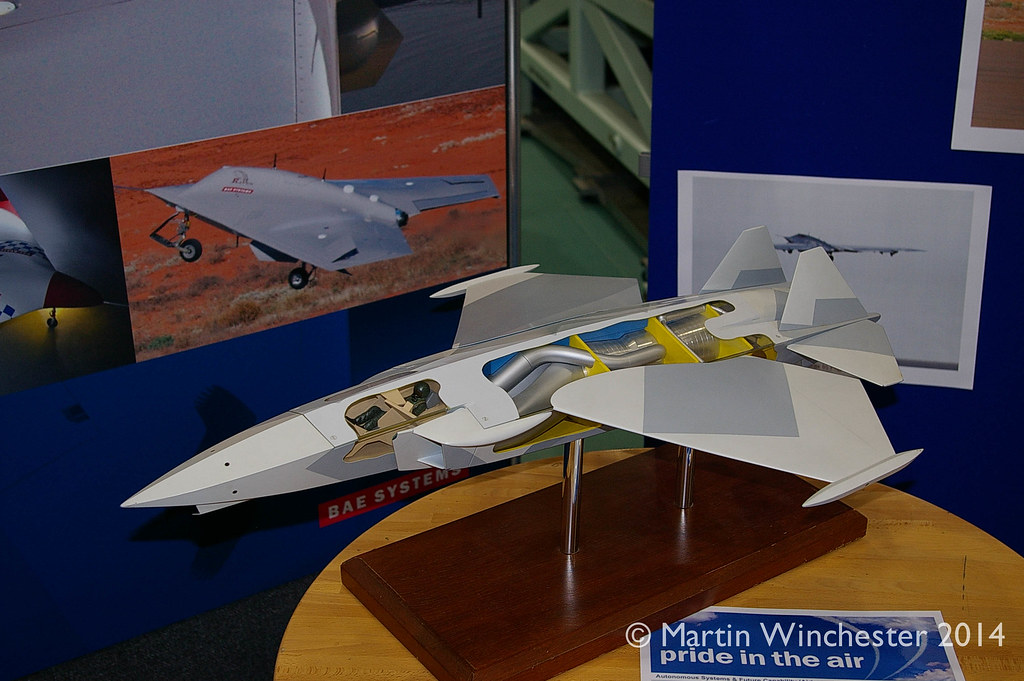
British however were having a concept for protecting the pilot tho. In their P-125 concept.

Nice 😀
and yes. that’s why we have laser safety.
I wish i could improve on providing some form of atmospheric consideration. as the original book Dave Hafemeister’s Physics of Societal Issues does not go in depth for it.
and thanks for the book. Now we can expand our target hardness data.
[USER=”58228″]mig-31bm[/USER] can’t assure that the laser will point at the same area. Remember Ballistic missile can spin as means to resist Laser, letting the area being exposed cool down. Same as Aircraft, and aircraft can do it more freely without fearing of being miss. And no, unless the cockpit is exposed, you wont instantly blind pilot. Thus why you want the engagement time as short as possible. Aside from multiple target engagement. Once laser weapon become common i would expect LWR to be more common to warn pilot that he’s being exposed.
Maybe we can take this study to estimate how many aircrafts needed to saturate the laser based on its engagement time.
https://www.scribd.com/document/390262651/Cruise-missile-Defense
We assume the aircraft need to cover 100 Km of range for launch point. mach 0.9. 1 min engagement time. The laser will be saturated by 5 aircrafts. If we have faster aircraft like Mach 1.3, 4 aircrafts will saturate the laser. and so on. If longer ranging missile can be deployed, there could be no aircraft downed and the laser will need to deal with missiles. 1 F-35 can carry or expected to carry Meteor with some 160 km range and may carry as many as 4. and meteor might sustain up to M-3. surviving aircraft can deploy 4 missiles, the laser may have to deal with it and given that M3 missile will cover 150 Km range in just 2 minutes. The laser will be saturated by just 2 missiles, the third might get through.
[USER=”71228″]garryA[/USER] I’m already put the spreadsheet. start pulling the numbers. and you seem to have good source too.

You dont solve natural factor. can only have partial remedy. or constrain the operational scenario of the laser.
The thing is that. As long as we still using mechanically steered laser. You would want the biggest power and mirror assembly you can get.
We are not yet in era where laser is electronically steered. Maybe then we can actually engage multiple targets and “time share” the laser so the beam will always point at hopefully same spot.
Anyway. I put my calculations in an excel spreadsheet long time ago :
http://www.mediafire.com/file/r25cdq2f6xkokra/LaserCalc.xlsx/file
It based on “Physics of Societal Issue”
You can trade off various parameters namely power, engagement time, target hardness and mirror assembly size. Wavelengths and radiation absorbed by target too.
[ATTACH=JSON]{“data-align”:”none”,”data-size”:”full”,”title”:”Tradeoff laser.png”,”data-attachmentid”:3842933}[/ATTACH]
For radiation absorbed by target, you can use following chart
yeah, but that assume the aircraft is not maneuvering and your tracking system and whatever actuator controls the mirror assembly can follow if it maneuver.
and remember. You may face multiple aircrafts and multiple missiles. 1 minute may just not be practical and remember that missile can also come from the side not covered by the laser.
No difference than engaging AEW or other large aircraft. Both YAL and A-60 are large aircraft with large RCS and potentially large heat signature too due to need of exhaust for cooling their laser assembly.
The laser makes no difference. You will need about 25MW, 3 m mirror assembly to engage aircraft target (25 Kj/sqm hardness) at 250 Km in 1 second engagement. If you desire capability against typical aircraft we have. 100 KW of same laser will do the same but at 1 Minute, meaning you have to aim for a full 1 minute against that target and there could be another one launching missile at you. Smaller mirror assembly will obviously doing less, meaning you have to illuminate the target much longer to obtain the necessary fluence. 1m diameter mirror with 100 KW laser will need 10 Minutes to get enough fluence to do the same job.
So, what kind of striking power we can expect from F-35B based on Izumo ?.