 Domobran
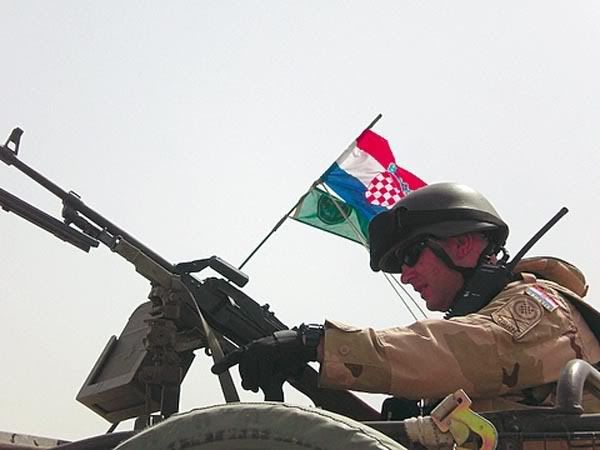
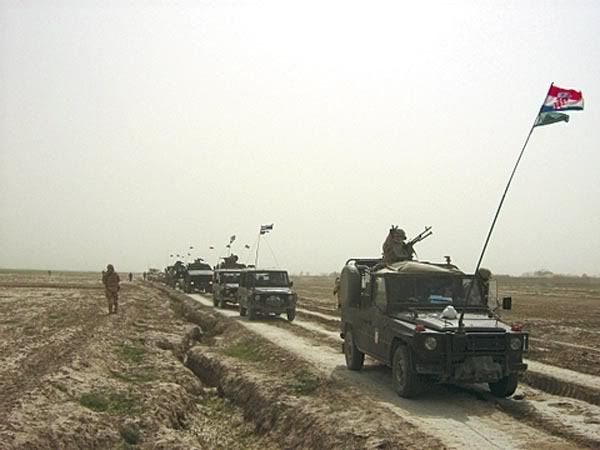
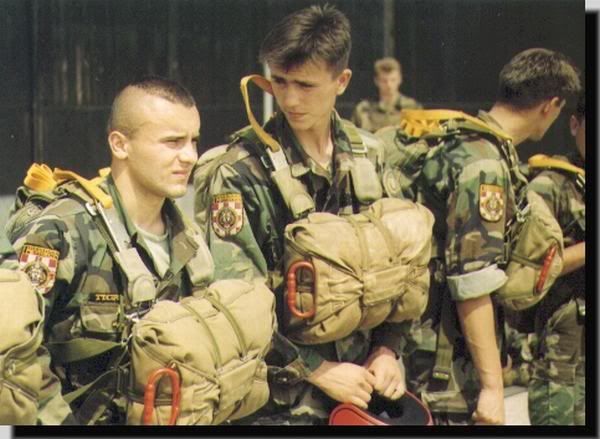
Cro paratroopers
…………………..


DomobranThat’s just you.
speak for yourself
Domobranis it me or it seems that no one goes to keypublishing anymore LOL
DomobranThe sketch apeared in a newspaper’s article which featured general informations about the ship and a interview with state secretary for these matters. I don’t know is it official or not, but it doesn’t matter. If these plans are followed(building starts before this year’s end), official pictures are soon to be out.
well, 78 meters isn’t exactly too long. The Gowind 200 is 103 meters long and 2000 tonnes, so this is much smaller and I would be surprised to see a hangar on these things. Although, as is written in the article, these ships may actually do patrols along the Otrant gates(the entrance in the adriatic) and venture in the Med maybe, so I guess a hangar would be a welcome addition to the design, but I doubt there’s enough room if this specifications are true indeed.
The ship know is planning to be around 80 meters since i last herd 2 days ago
Domobran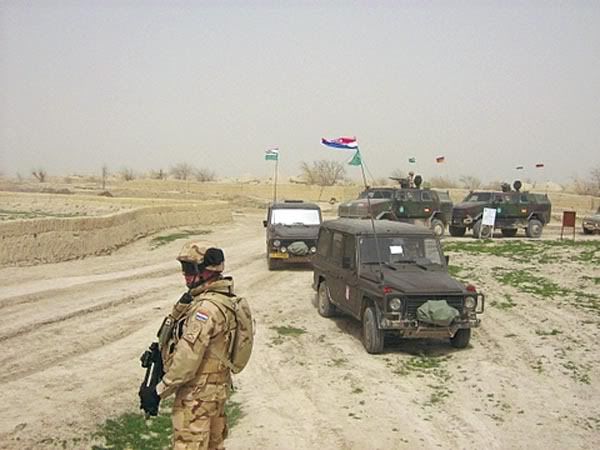
DomobranInside of the M-84D(systems)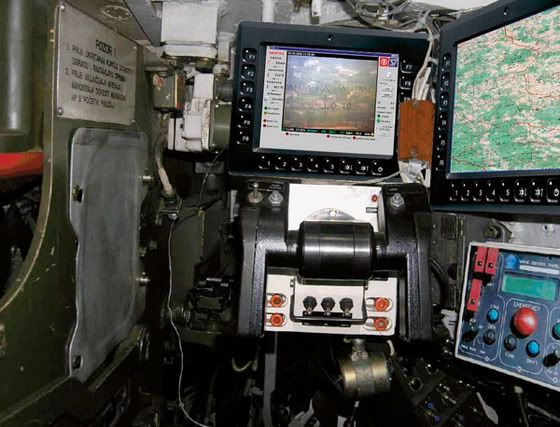
Omega system
DomobranWhich is better ? the 125 mm cannon or the new German 120 mm LM 55 Cannon
Domobran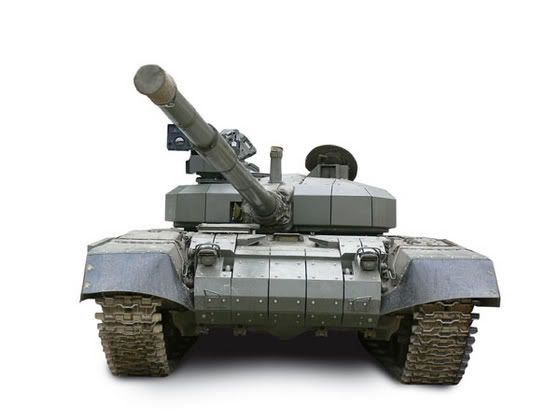
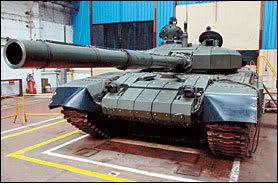
Altogethers new turret and new tracks are to replace existing turret and tracks, Turret will be made of composite armour (most likely laminate of high tensile steel and ceramics and tungsten). Turret will be powered by electric instead of hydraulic power source as it is the case now with the M-95. The new turret should provide minimum of 590mm Against Kinetic Energy (RHAe)ATG’s, however additional reactive armour will add substantial protection. New tracks will also be made in Croatia either under license from German firm Diehl who manufactures tank tracks for Leopard 2 or altogether newly designed tracks from local manufacturer.
Talks are ongoing with Rheinmetall to provide M-95 with the new 120mm cannon currently in use on leopard 2 depending on the cost of Rheinmetall L55 120mm cannon, M-95 might be armed either with the improved Croatian made 125mm cannon or German Rheinmetall L55 120mm cannon.
New optronic suite and sensors will also feature prominently in new improved M-95 (M84D) tank. New Fire control, laser rangefinder, stabilized panoramic observation and targeting system are just some of the improvements. New Thermal imaging camera for commander and driver so tank can operate at night and many more improvements. New 1200 hp power plant will also be installed in to new tanks giving strong power to weight ratio.
An electrically powered cannon and cupola, and accompanying assemblies, whose installation is in process, will be procured from well-known Western European manufacturers of tank equipment. Up to now the cannon and cupola propulsion was hydraulic. Electric cannon and cupola propulsion is the trend in the development of modern tanks, used on the US Abrams and the French Leclerc. The tank commander will be able to fire on two targets at once, even if the second crew member responsible for firing is incapacitated, as the operation and aiming of the firing station will be possible from the cupola, both of the 125 mm cannon and the remote control of the 12.7 mm machine gun without exposure to enemy fire. Air conditioning will also be installed on the tank. The protection of the tank and its crew, the commander, gunner and driver, has been significantly improved with the new SZ-D defence system which, for example, in the case of a nuclear strike and the used of chemical weapons immediately shuts down the engine and closes its exit shutters, shuts off the positive air pressure compressor and ensures the filtering of the crew’s air supply, quicker and more efficiently than previously. Soon after a critical situation of that kind, the defence system raises all existing combat functions regardless of the level of pollution in the soil and atmosphere.
Domobrani dnt know about the night vision i do know about that the tank will have a thermovisual camera through which it will be able to detect all targets emitting heat at a distance of up to several kilometres from the tank, regardless of fog, night or if they are hidden in the shadow if some other object.
Domobranso basicly the M-84AB1 was a hox. 85% russian, and not even built in a tank factory lol
VS M-84D
An electrically powered cannon and cupola, and accompanying assemblies, whose installation is in process, will be procured from well-known Western European manufacturers of tank equipment. Up to now the cannon and cupola propulsion was hydraulic. Electric cannon and cupola propulsion is the trend in the development of modern tanks, used on the US Abrams and the French Leclerc. The tank commander will be able to fire on two targets at once, even if the second crew member responsible for firing is incapacitated, as the operation and aiming of the firing station will be possible from the cupola, both of the 125 mm cannon and the remote control of the 12.7 mm machine gun without exposure to enemy fire. Air conditioning will also be installed on the tank. The protection of the tank and its crew, the commander, gunner and driver, has been significantly improved with the new SZ-D defence system which, for example, in the case of a nuclear strike and the used of chemical weapons immediately shuts down the engine and closes its exit shutters, shuts off the positive air pressure compressor and ensures the filtering of the crew’s air supply, quicker and more efficiently than previously. Soon after a critical situation of that kind, the defence system raises all existing combat functions regardless of the level of pollution in the soil and atmosphere.
DomobranM-84D NEW TANK UPGRADE(NOT DEGMAN) FOR KUWAIT AND OUR ARMY

300 Million Dollar Deal for Djuro DjakovicTHE KUWAITI ARMY has not responded to Polish and Serbian offers to upgrade their M-84 tanks, nor for the purchase of US Abrams tanks, because it wants the upgraded Croatian M-84D tank
A recent statement Croatian Defence Minister Berislav Roncevic made before top Kuwaiti state officials that Croatian Government guarantees that the company Djuro Djakovic is technologically and organisationally entirely capable of meeting and fulfilling the demands of upgrading 150 Kuwaiti M-84 tanks and if need be to manufacture a further 66 tanks that were never delivered to Kuwait, but should have been in the early 1990s, has put Djuro Djakovic in a position to clinch the most lucrative deal in its history, worth about $300 million. The price of upgrading one tank would be up to a million US dollars, depending on the equipment package the Kuwaitis opt for, while the price of a new tank is about $2.5 million.
Kuwait has for several years now had offers to upgrade its M-84 tanks under consideration, but has not, however, given positive answers to any of the offers, not even to the most serious ones coming from Poland and Serbia back in 2005. It has also not answered positively the US proposal to sell its M-84’s and replace them with more of the Abrams tanks already present in Kuwaiti armoured vehicle units. There are several reasons why Kuwait has shown great interest for Croatia. For Kuwait it was exceptionally important that the Djuro Djakovic Company maintained continuity and the development of its tank program with the M-84 over the past years, that tanks manufactured at Djuro Djakovic are used in Croatian Army units, that Croatia has continued to finance the program and that the Croatian Army will also use the new upgraded tank designated M-84D, for which it wants to close a deal with Kuwait on.
Besides that, the upgraded Croatian tank will have the same caterpillar treads made by German manufacturer Diehl that the Kuwaiti M-84 tanks already use, and which were installed just under two years ago, which demonstrates that Croatian product compatibility has been maintained with that of Kuwait.
Kuwait is very happy with the M-84 tanks manufactured back in the time of the former Yugoslavia because of their mobility in desert conditions, few breakdowns and much easier maintenance that is the case with the heavy American Abrams tanks, whose motors fail much more often in the desert. This happens because of a poorly designed air filtering system, allowing desert sand to enter the motor turbine, which is then starved of air, causing the motor to overheat and forcing a stop. When the turbine is ruined a new one takes up to a month to be delivered from the USA. The Abrams has poor mobility because of its weight and is an easier target, having a 2.5 square metres larger surface area than the M-84, which is in the large open spaces of the desert terrain, where there are no shelters, a significant problem. The M-84 is also ten tons lighter than the Abrams and can as such pass over all of the bridges trucks can use, which the Abrams cannot.
Besides that, the Abrams price tag is about US$ 5 million, which is double the price of a new M-84D. Kuwait has concluded that base production and a tank program of the upgraded M-84 been preserved only in Croatia, unlike in Serbia where a lack of financing and state support has seen only a single tank prototype designated M-84AB1 in three years, and the prototype has been in fact created in a factory that manufactures construction mechanisation, and not a tank program. The Serbian prototype is in fact the Russian T-90 tanks, as all of the components installed on the M-84 originate in Russia and Belarus. Kuwait is a country with probably the widest spectre of weaponry and military equipment when it comes to country of origin, all of which was done for political reasons, meaning good relations with the leading global powers.
In its armed forces it already has the Russian armoured vehicle BMP-3, the Chinese 155 mm howitzer, the British Warrior tank and the American Abrams. Entrusting the job to the Serbian manufacturer of the M-84AB1 tank with 80% of its parts of Russian origin would in fact mean paying for the upgrade and purchase of new Russian tanks, and that would upset the balance as far as origin of weaponry is concerned.
As we have learned from the defence ministry, the Slavonski Brod-based company is not considering collaborating on this project with Serbian companies as it already has a wide network of partners with whom it can completely round off the M-84D tank program. Unlike the M-84 tanks currently in Kuwaiti armoured units, the upgraded tank will have a thermovisual camera through which it will be able to detect all targets emitting heat at a distance of up to several kilometres from the tank, regardless of fog, night or if they are hidden in the shadow if some other object.
An electrically powered cannon and cupola, and accompanying assemblies, whose installation is in process, will be procured from well-known Western European manufacturers of tank equipment. Up to now the cannon and cupola propulsion was hydraulic. Electric cannon and cupola propulsion is the trend in the development of modern tanks, used on the US Abrams and the French Leclerc. The tank commander will be able to fire on two targets at once, even if the second crew member responsible for firing is incapacitated, as the operation and aiming of the firing station will be possible from the cupola, both of the 125 mm cannon and the remote control of the 12.7 mm machine gun without exposure to enemy fire. Air conditioning will also be installed on the tank. The protection of the tank and its crew, the commander, gunner and driver, has been significantly improved with the new SZ-D defence system which, for example, in the case of a nuclear strike and the used of chemical weapons immediately shuts down the engine and closes its exit shutters, shuts off the positive air pressure compressor and ensures the filtering of the crew’s air supply, quicker and more efficiently than previously. Soon after a critical situation of that kind, the defence system raises all existing combat functions regardless of the level of pollution in the soil and atmosphere.
The M-84 tank was first presented to the public on 9 May 1985 at the Victory-85 military parade. It all, however, started much earlier, in the mid 1970s, when the military brass of the former Yugoslavia realized that the issue of the procurement of a new tank could no longer be put off. The procurement of the T-55 tank had been completed in the mid 1970s and 20 years had passed since production of that model had been launched. About 35 percent of the former Yugoslav People’s Army tank fleet of the time consisted of outdated T-34 tanks that had to be replaced. An analysis then showed that a thousand new tanks would be needed in the coming ten years up to 1985 to replace the obsolete T-55’s, and another thousand in the next ten years. The T-72 emerged at the time, but the USSR was not open to any discussion on the sale of that tank. Even its allies Poland and Czechoslovakia were long in acquiring a licence for the tank, which they finally managed to get in 1976. Only after top-level talks did the USSR receive a larger group of Yugoslav experts, who were shown the T-72. A general presentation of the tank was held at the Vistrel military academy, 30 km from Moscow. The Kapela operational group was set up with the aim of integrating all activities surrounding a possible domestic tank program. Based on a report from an expert task force and the findings of the Chief Military-Technical Advisory Board, a decision was made to buy the licence for the T-72 tank.
During a visit to the USSR, Tito worked out the sale of the licence with President Brezhnev in spite of the opposition of the Soviet defence minister. The licence was sold for $39 million with a duration of ten years or one thousand manufactured tanks. The Yugoslav side could not sell, modify or enter into co-production with other countries without the approval of the USSR. The purchase of the licence was just one of the steps that had to be taken, as many new problems sprang up. Each of the republics did its best to grab as high a percentage as possible of the participation in the future production of the tank, and it was particularly uncertain where the manufacturing would be finalised. It was felt that three companies met the requirements: Croatia’s Djuro Djakovic and the Serbian GOSA and MIN companies. In the end it was Josip Broz Tito who made the decision: “Let it be as the experts have it. And as far as the tank finalizing is concerned, since the experts say that all three companies have about the same conditions, and as Croatia has the smallest percentage engaged in military programs. Let the finalization of the tank be in Croatia, and let’s finish with this.” Before production could be started, many machines and tools worth $121 million had to be acquired.
The implementation plan foresaw a trial series of tanks completed by 1983, a zero series by the end of 1984, and the first series by 1985, which was an overly ambitious deadline, resulting in a late production of individual series of the M-84 tanks in serial production. The first prototype was completed in April of 1983 and was made mostly of imported components.
In all there were five prototypes, later disassembled and used in instruction. The first real test of domestic production was the zero series of 10 units made in 1984. Over the next three years 370 M-84 tanks were manufactured, and from 1988 on, following the development of a new motor and the adoption of the concept of improved armour defence, a decision by the Yugoslav People’s Army Supreme Command of 29 April 1987 allotted the designation M-84A to the tank having these alteration, with the improved M-84A version in serial production up to 1991, and about 150 M-84AB units manufactured for the Kuwaiti Armed Forces. The tank’s production costs were about $700,000, of which 74% were labour costs, 18% materials and 8% were imported components with material. The tanks were sold to Kuwait at a price of about $1.7 million
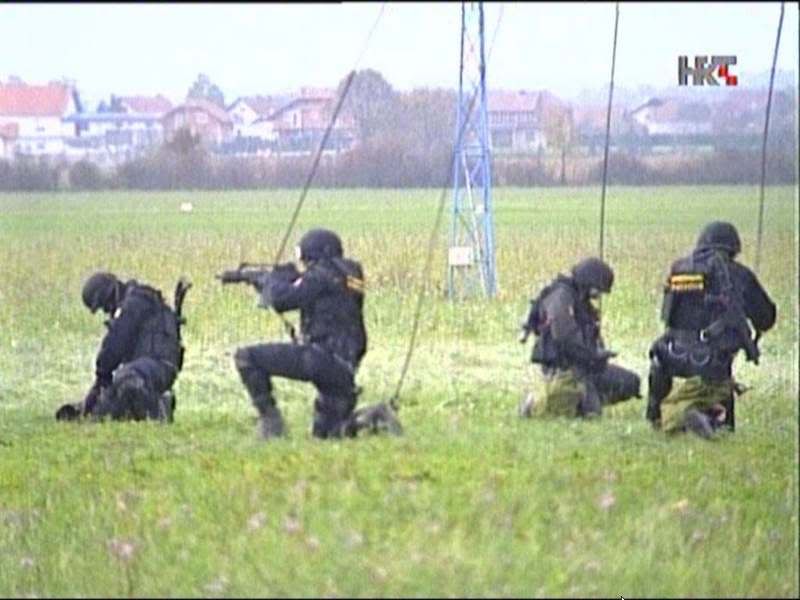
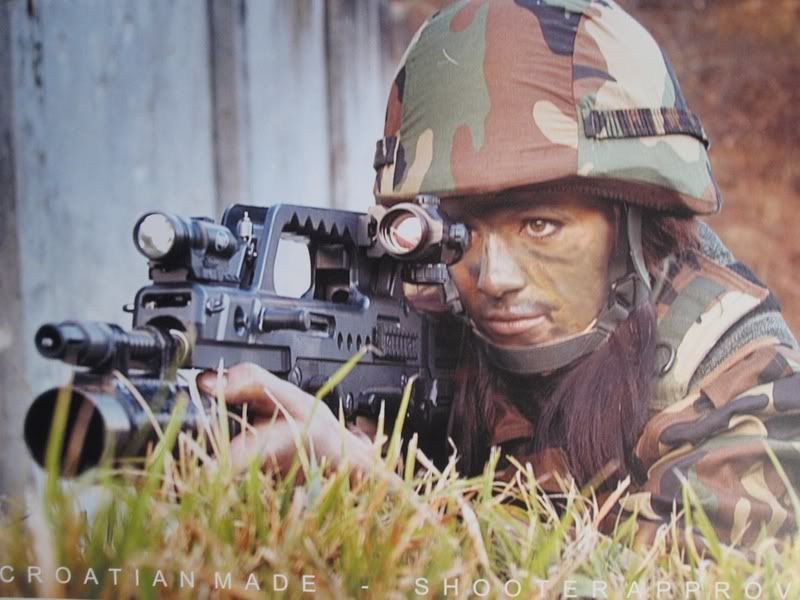
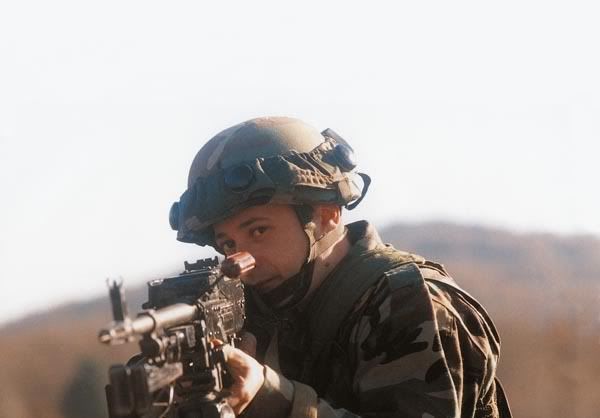
DomobranCro Special forces with HS2000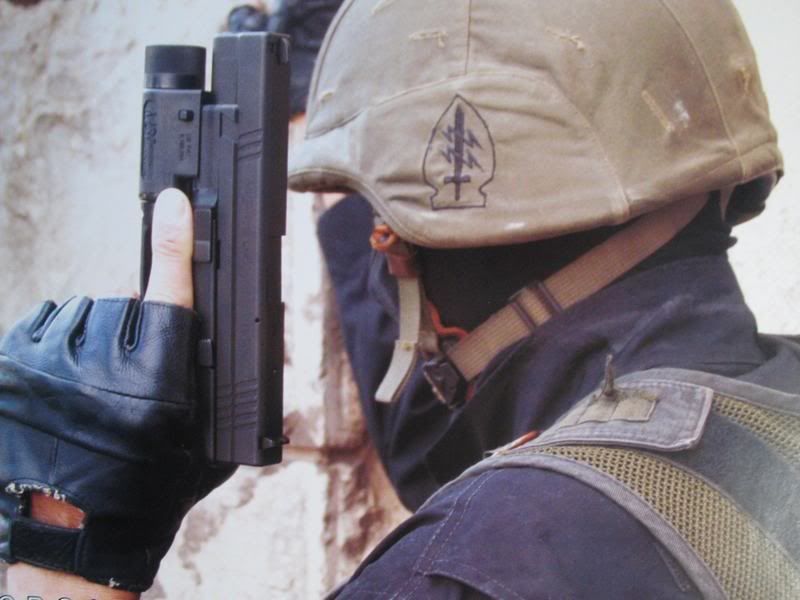
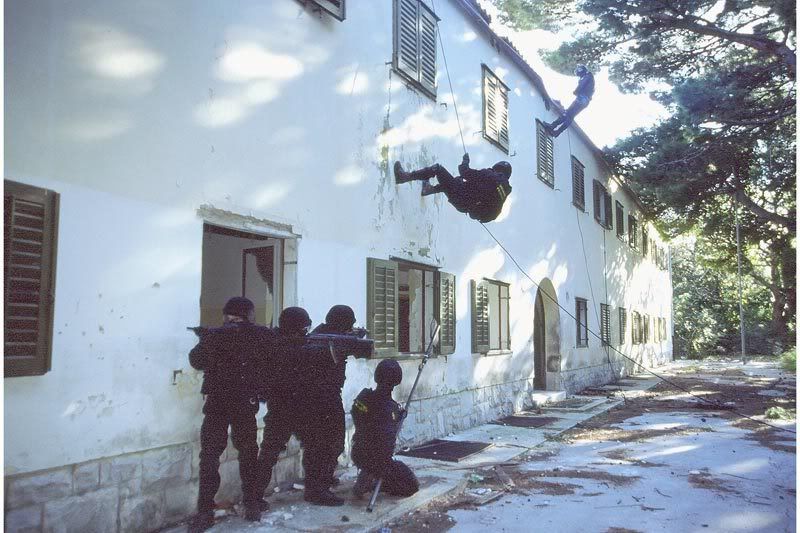
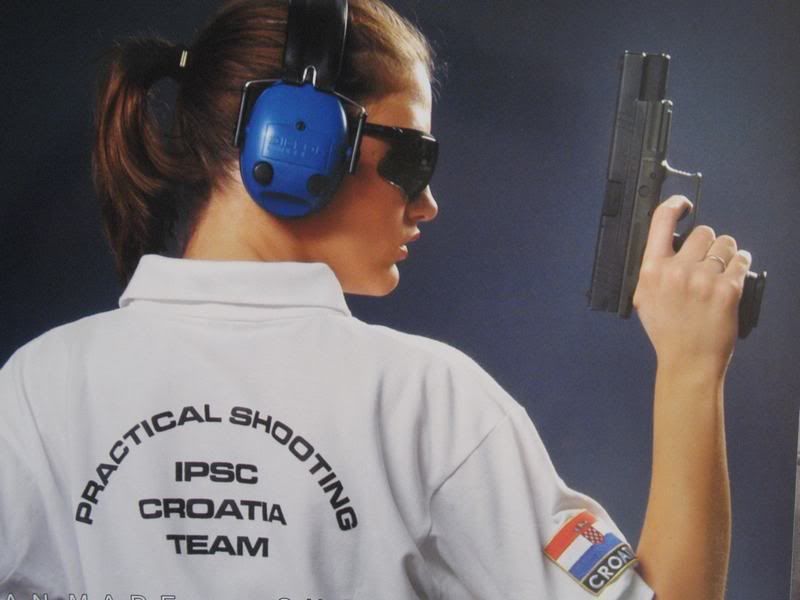
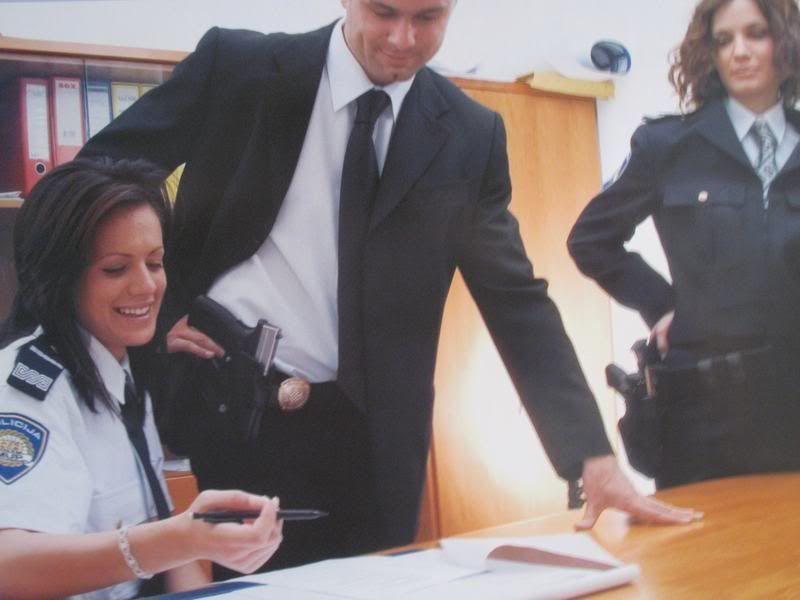
SP training in Zagreb from Bukjan.hr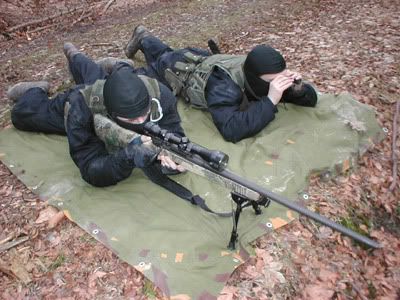
..
………….
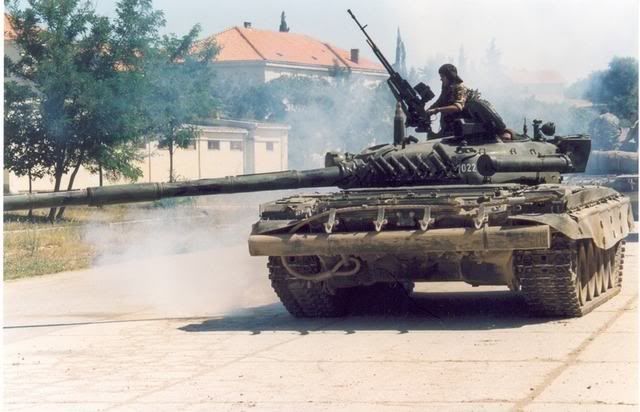
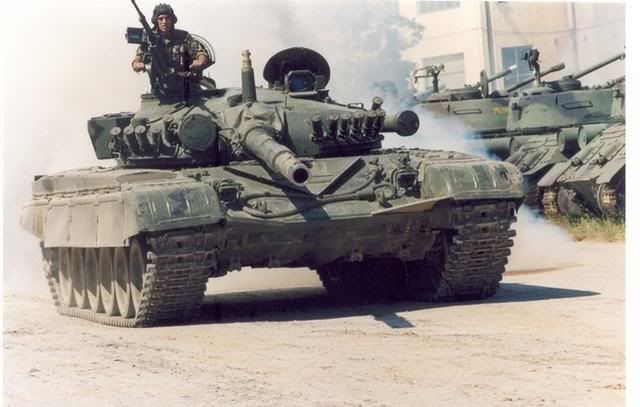
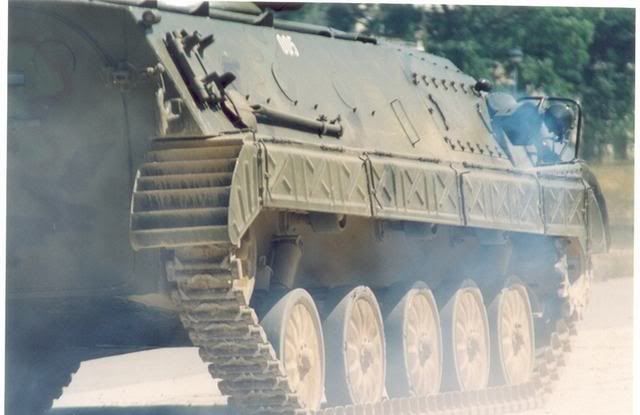
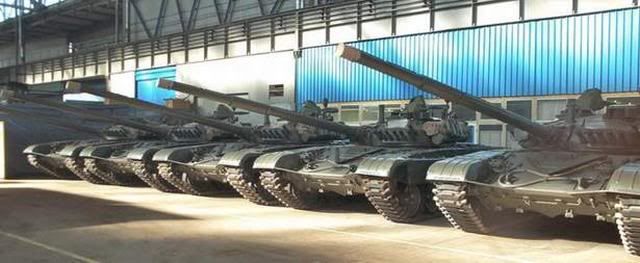
M-84D(will replace all M-84’s and will serve also in the kuwaiti army)
VHS ASSAULT RIFLE!!!!!!!!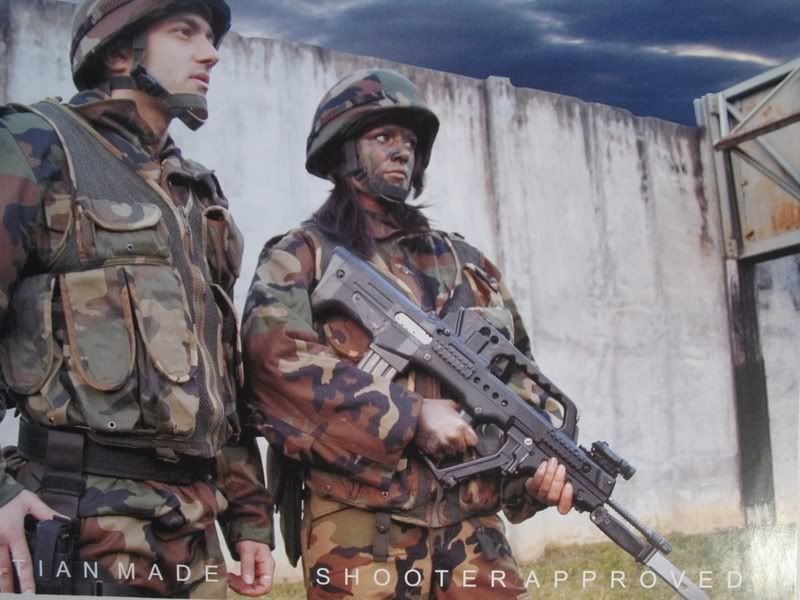
…………………..
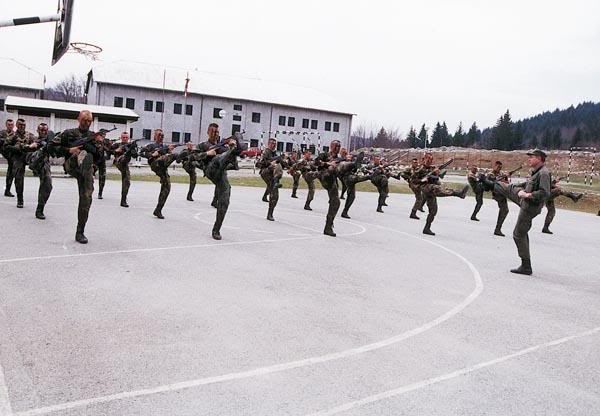
…………..
…………..
DomobranIndeed, Gollevainen, let’s return to the original topic…
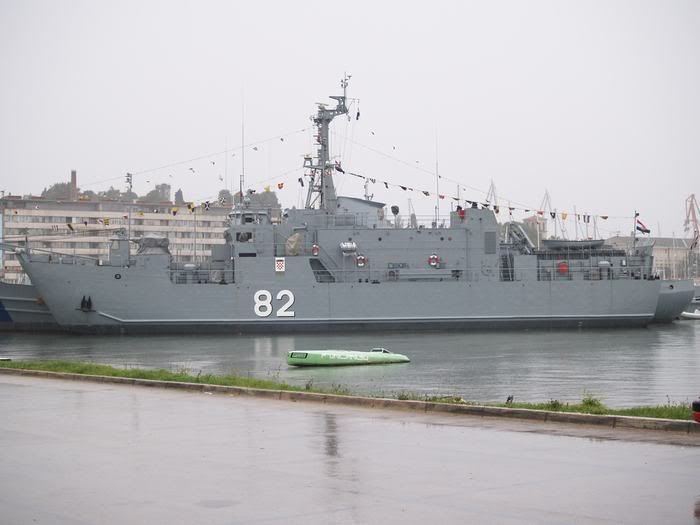
Today our new small minehunter LM-51 Korcula will be officially entering service in the croatian navy, and will immediately begin joint excercises with the French minehunter “Orion”, which is already moored in Lora. They will be practising searching and destroying underwatter mines. Will post pictures if I find them…
Orion in Lora
Korcula
And you Ustasa, are the one ruining this thread… I realise that you are young, but there are some good books on the subject. If you cannot restrain yourself, than please do not post here… The way you are communicating and the things you are saying are only casting the wrong light on my country and people…
Excuse me i dnt ruin this thread, it was u people complaing about my nick. I wanted to go foward with the cro navy. But u should ask ure buddys like zare ect… I dnt go and talk about ustasa’s and ww2 lol u should ask them not me
DomobranAnd who is this “we”?
It’s obvious that for you this is about ideology and for me it’s about history. This is common with ex-patriate Croats and their descendants – they continue to live in the past, black or red…
re: moderators. Please keep a close eye on this topic.
Croats lol and i dnt live in the past lol i live it fully and lively. I rarly even think about it. I just dnt like when people spit on our nation. Especially u trying to say that we should of stuck with the kingdom of Yugoslavia(which obviously u dnt know what ure saying
DomobranOK, this might get the therad locked and me banned, but I think it has to be said.
Ustasa, calling your choice of nick as being unfortunate would be an understatement, a well as your position on ustase:
For the Record – the Ustase movement Never had any widespread support among the Croatian populace. The main Croatian political party at the time (From the end of the WW I to the fall of the 1st Yugolsavia) was “Hrvatska Seljacka Stranka”, HSS – directly translated as “Croatian Peasant Party”. It was a democratic christian organization deeply rooted in villages and agrarian regions. The Ustase movement was a terrorist organization. Why terrorist – because any organization that advocates the use of arms and assasinations for achieving a political gain can be clled terrorist. They CAN NOT under any circumstances be called “freedom fighters” simply because most of Croatians at the time didn’t even hear of them or care about them, much less supported them. Croatians in 1941 stood behind the HSS which gained large concessions from Belgrade in terms of autonomy – a new administrative unit called “Banovina Hrvatska”.
When Germans attacked Yugoslavia (and even before) they attempted to get the leader of the HSS, dr. Vlatko Maček, to form an “independent” Croatian government. He refused, because he was an anti-nazi. Furthermore, he went on radio and asked the people to submit so there would be no unecessary loss of life. He was somewhat of an idealist, possibly not really grasping the reality of the situation. He was interned during the war by the Ustashe puppet regime, and later fled Communist Yugoslavia.here endeth the history lesson.
I apologize to the moderators for the extensive off-topic post, but these are tha facts, and I wanted to stop the tendency of this thread to go towards political debate, although I am fully concious that I may be adding fuel to the fire. If this post is felt to be imflammatory or inappropriate, delete it, but I felt obliged to point out some facts.
edited for spelling
Ja and they cared about yugoslavia? plz man first croats wernt happy under king Aleksanar what are u talking about thats why they did an assasination
and no one herd of them? We had almost total support, until Pavelic like a traitor sold Dalmacija and Istra to the Italians.
Are u one of those pro-yugoslav croat traitors lol SO URE TELLING ME U LIKE BEING UNDER SERBIAN ROYALTY OR UNDER THEIR RULE LOL
and im not saying if u are not a ustasa ure traitor(that would be stupid)


 Sign In








