F414 had fewer parts, with formerly independent parts packed into modules. I remember hearing the parts count was down 40%.
MadRat (or other members) : don’t know why, and if i’m the only one, but i can’t see pictures of your posts. :apologetic:
I noticed that, too, when I’m on another device. I started posting the links, too. If you hit quote you can see the posts I haven’t fixed. The forum I’m exploring is loaded with pics I’ve never seen elsewhere.
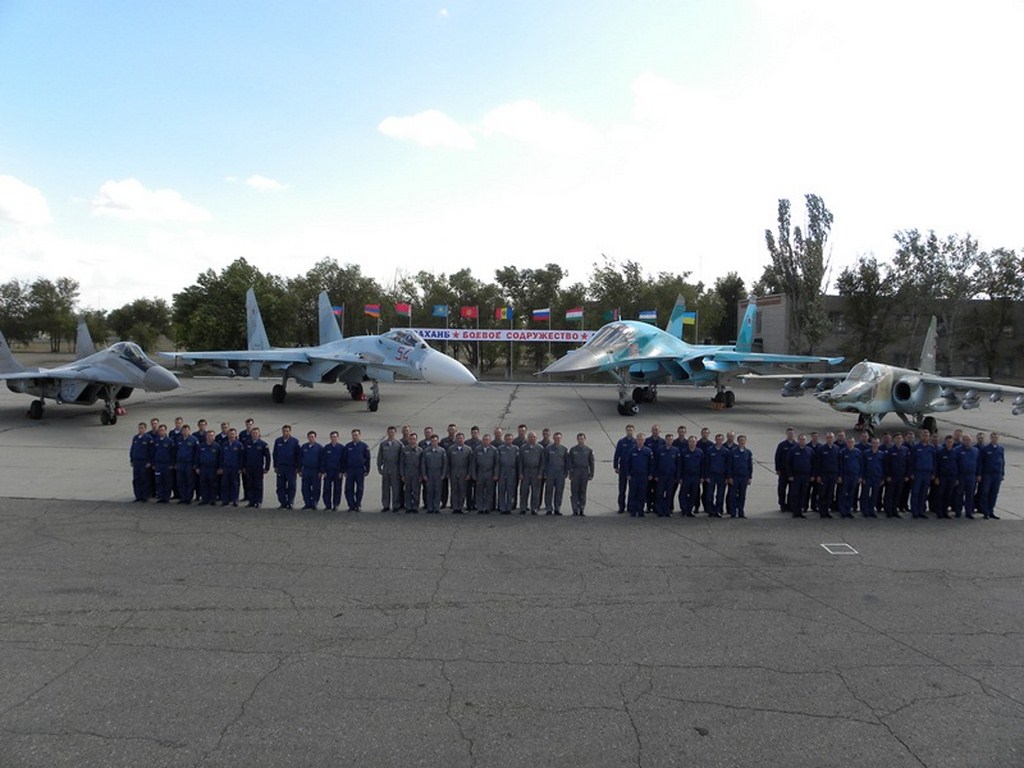
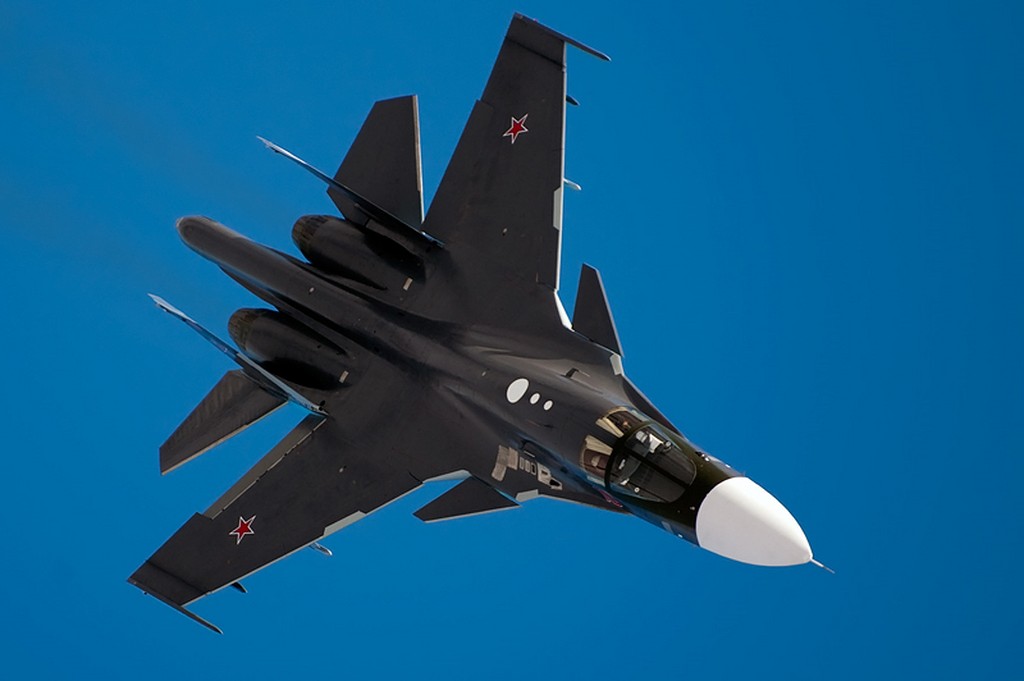
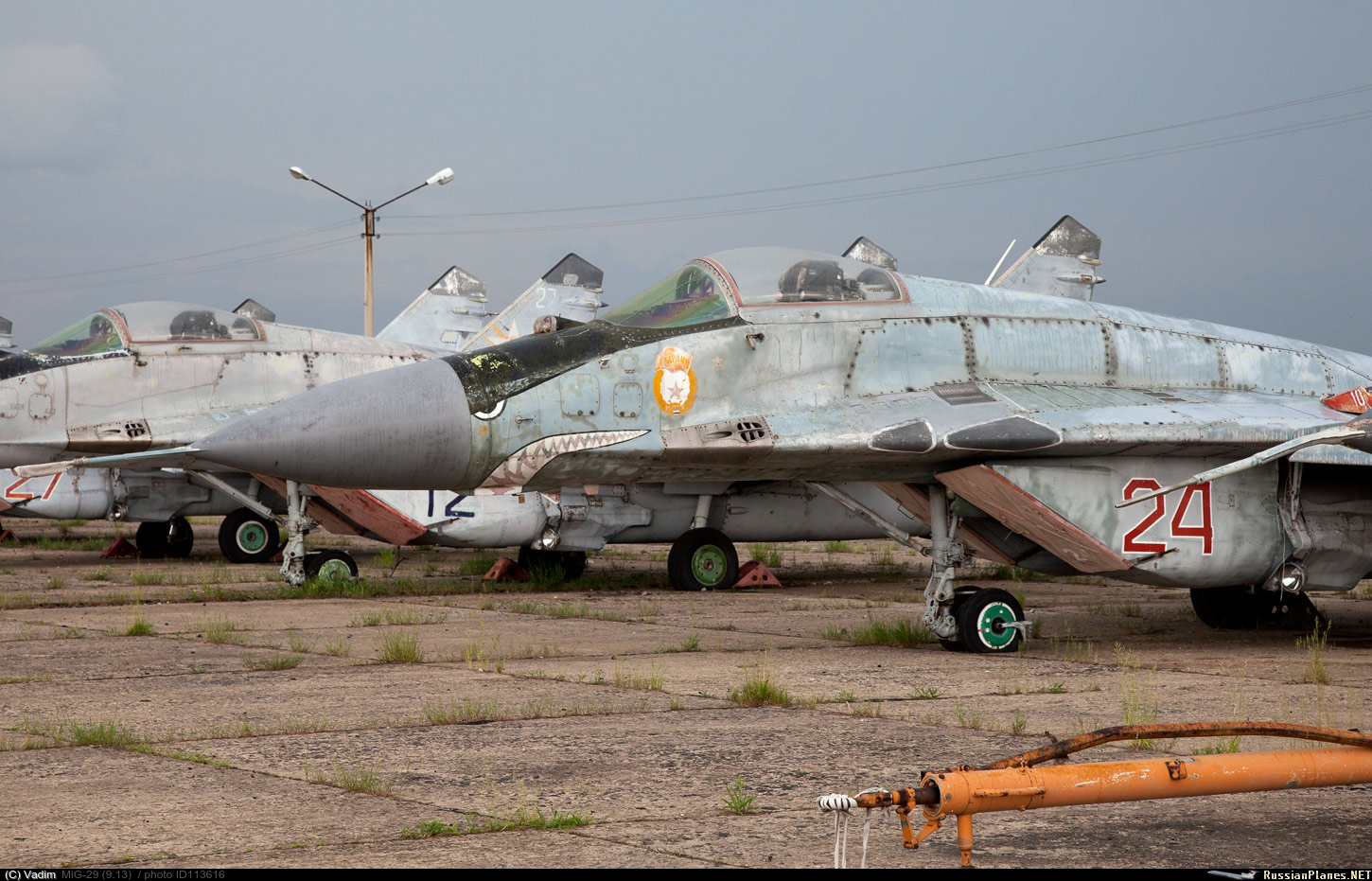
The bombs underneath the outboard underwing pylons are interesting. I don’t think I’ve ever seen a Flanker carrying anything there other than an R-73 or perhaps an R-77.

I have to admit the R-77 out there is very interesting.
Please refrain from the activity whatever the case.
Back on topic, the Gripen B/D are not trainers and wouldn’t fair as well in the role as a dedicated trainer considering the integration of simulator technology in T-50 and M-346. I imagine Hawk and Yak-130 can have it integrated, but that’s the big difference between the vendors. The Lockheed Martin and Boeing teams integrate these functions into the modern fighters and from F-16 to F-22 in U.S. service it is possible to convert fighters into training modes. It’s why you buy from the big iron salesmen.
The engines being proposed in the competition are strangely chosen IMHO. Two denatured F124’s cost a little more than one full blown F125. One non-afterburning F404 is cheaper than the F125. The F404 is cheaper than the F414. Two F125’s cost less than one F414. One non-afterburning F110 costs roughly equal to the F414. Running costs favor putting larger non-afterburning engines into trainers. If you need the thrust of two engines you may as well go for one bigger engine. Running two engines raises the overall running costs and gives one twice the chances of poor maintenance leading to catastrophic failure.
120 J-11B’s are flying? Seems double the number.
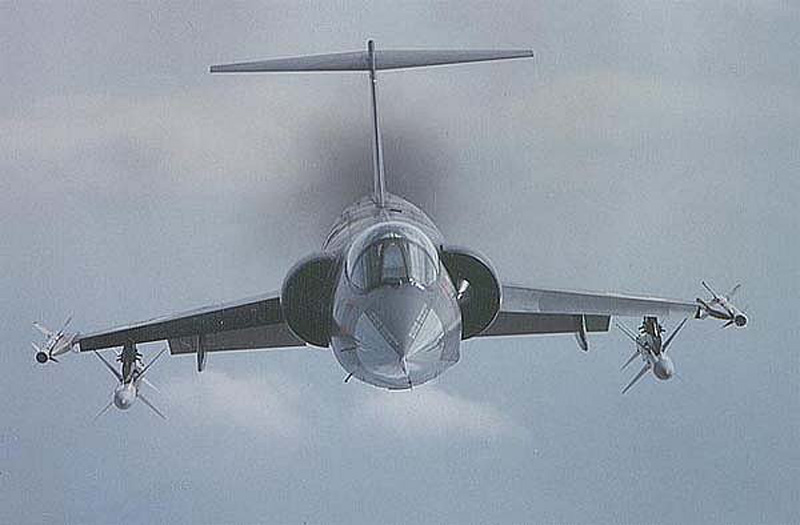
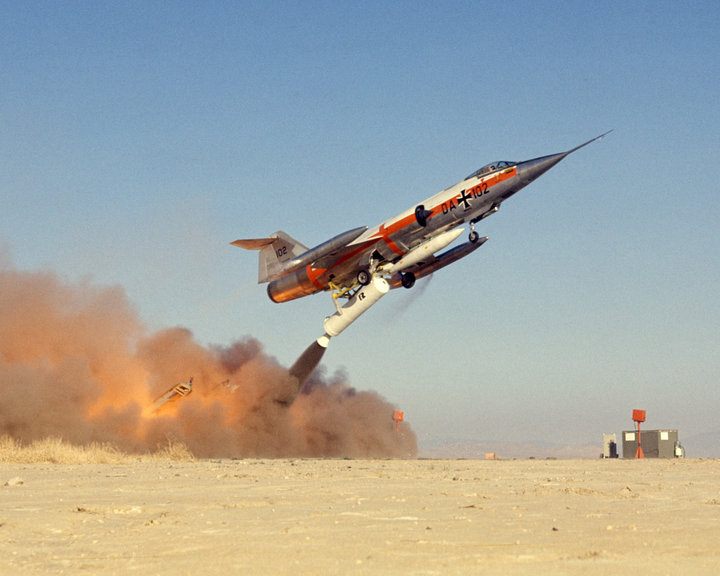
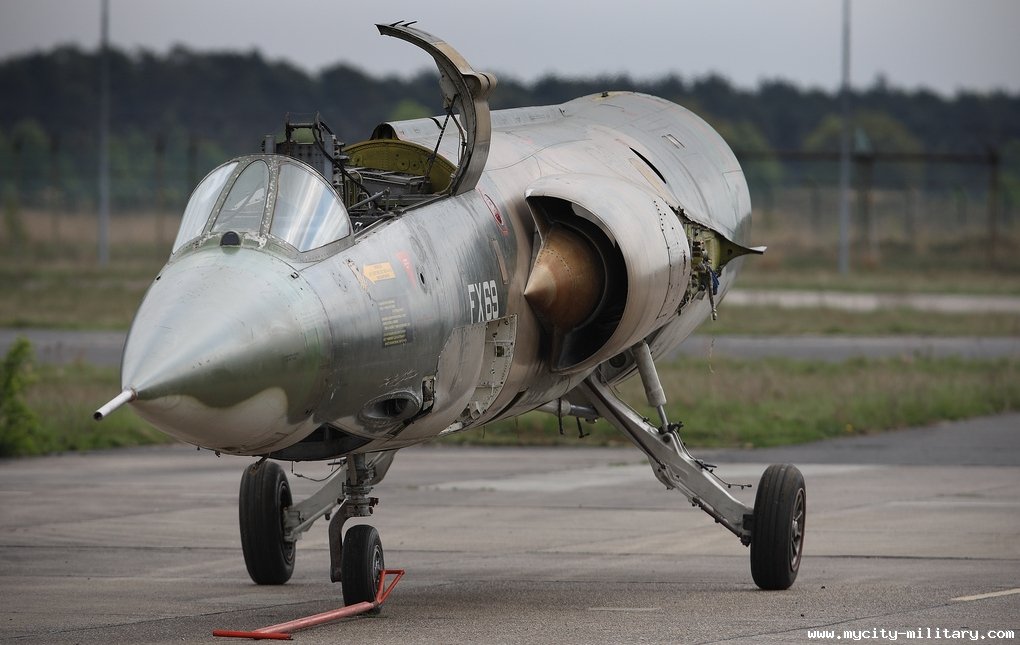
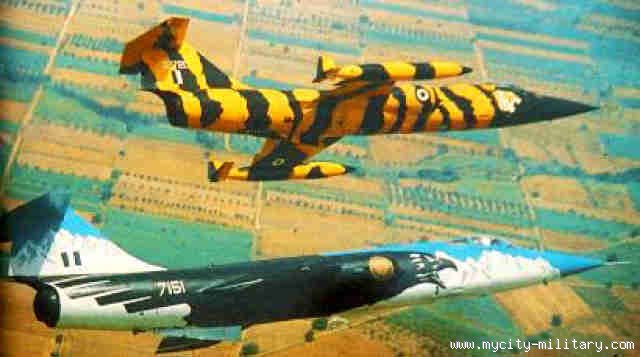
Some F-104 Pr0n


There is a Typhoon out there with bombs, asraam, and four amraam. Its more impressive.
Smoke. TWR. Maintenance man-hours. Reliability. IDK
TBH, Sea Harriers probably would have been the best option. It’s much too late for it now, with no real chance to acquire any working airframes. I always thought the British should have made Sea Harrier possible to launch from a low power catapult to squeak out more takeoff weight, but the ski jump success more or less made that idea moot.
The A-7 probably would have worked, but to be honest it’s a pig on such a light flattop. It didn’t have the same wing as the F-8 and didn’t have the same nimble landing speed. The A-7 would have been something you could have engineered into working, but that decision needed to be made decades ago. And honestly, the naval AMX made more sense in their favor. A-7 was a nice plane for the 80’s, it’s just not good enough today. They replaced it with Hornet for good reason.