Over the last 30 years or so the UK MoD has squandered billions on escalated or cancelled projects, fatally flawed designs, and politics-based procurement. Lately it has looked like the MoD and BAE shouldn’t be trusted to even put a battery in a torch.
Yet, the governments still send the armed forces to many far-flung bits of the planet to act like global enforcers, while at the same time cutting their budgets and assets. This is where most of the budget goes, instead of actually protecting this maritime nation and its surrounding seas.
For all the huge amounts of money spent, in a war of attrition the UK’s days would be numbered in weeks, if not days. An awful lot of hope seems to be pinned on those 11 subs…
I’ll ask around regarding ’54 at Dalcross…
Thrust SSC’s body design was designed from the start to optimise staying on the ground – I wonder how this new vehicle will cope since there doesn’t seem to be much inherent downforce in the F-104, which was designed to go up rather quickly?
Those solid wheels are nothing new – Harley-Davidson have been doing it for decades…;)
Thrust SSC’s body design was designed from the start to optimise staying on the ground – I wonder how this new vehicle will cope since there doesn’t seem to be much inherent downforce in the F-104, which was designed to go up rather quickly?
Those solid wheels are nothing new – Harley-Davidson have been doing it for decades…;)
Let’s face it – the original WW2 paint jobs were usually as rough as sandpaper, the matt dark earth/dark green/night paint on, say, a Lancaster, being so coarse that it reduced the aircraft’s top speed by a considerable margin.
Added to that, the painter probably had hundreds of airframes to do, and didn’t take too much care with demarcations, stencilling, etc, so long as the AP specs were met.
Scrutinised closely, most nose art is also rough and ready, painted on by someone on the squadron who was handy with a brush, with any type and colour of paint at hand. These people were often in great demand.
My point is, a computer-generated vinyl graphic would just be too neat and tidy to look right on an old warbird in my view, but really it’s up to the person who is actually paying for it.
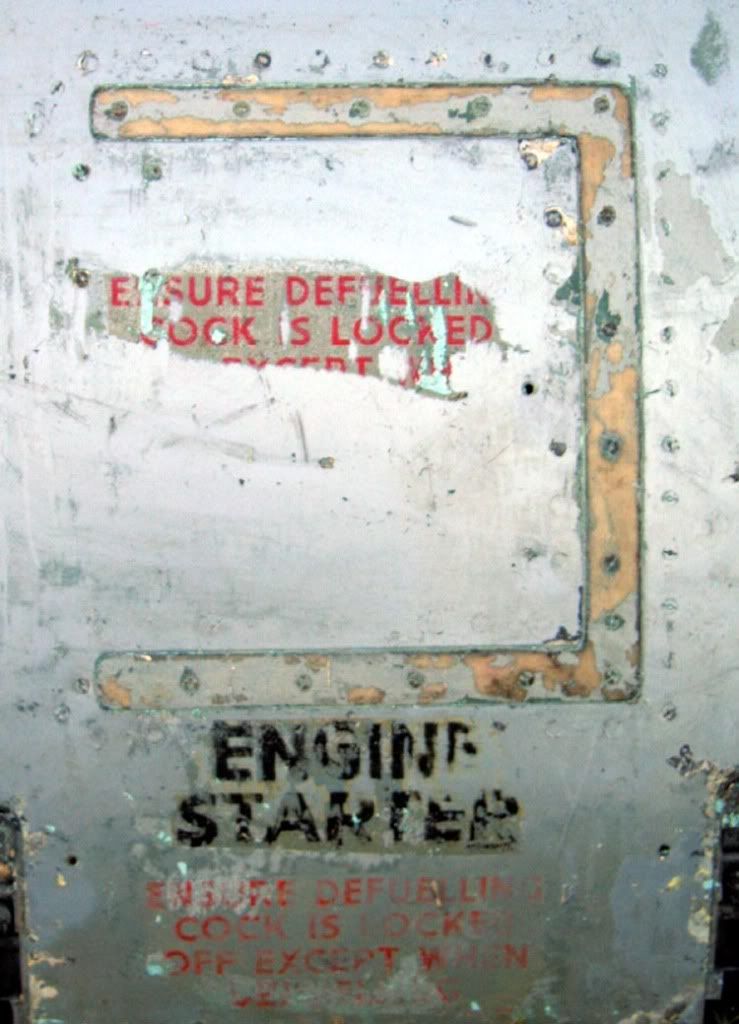
Modern technology does have it’s place however! I’m currently restoring Hunter WT660, and have found that the vast majority of the original airframe servicing and warning signs underneath all the spurious paint coats are not actually stencils, but Hawker factory water-slide decals.
This means I can reproduce the ‘stencils’ on a clear water-slide A4 sheet from a PC printer using pigment-type UV-resistant ink, using whatever mixture of downloaded fonts most closely resemble the original factory font, like on this gunpack decals…
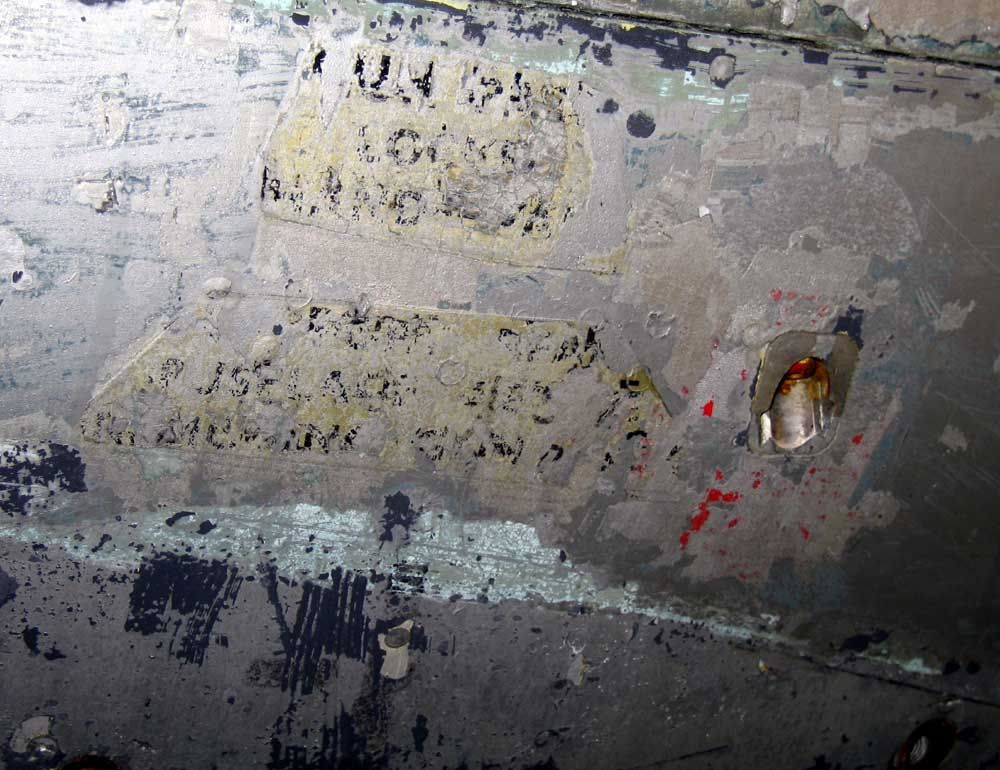
Let’s face it – the original WW2 paint jobs were usually as rough as sandpaper, the matt dark earth/dark green/night paint on, say, a Lancaster, being so coarse that it reduced the aircraft’s top speed by a considerable margin.
Added to that, the painter probably had hundreds of airframes to do, and didn’t take too much care with demarcations, stencilling, etc, so long as the AP specs were met.
Scrutinised closely, most nose art is also rough and ready, painted on by someone on the squadron who was handy with a brush, with any type and colour of paint at hand. These people were often in great demand.
My point is, a computer-generated vinyl graphic would just be too neat and tidy to look right on an old warbird in my view, but really it’s up to the person who is actually paying for it.
Modern technology does have it’s place however! I’m currently restoring Hunter WT660, and have found that the vast majority of the original airframe servicing and warning signs underneath all the spurious paint coats are not actually stencils, but Hawker factory water-slide decals.
This means I can reproduce the ‘stencils’ on a clear water-slide A4 sheet from a PC printer using pigment-type UV-resistant ink, using whatever mixture of downloaded fonts most closely resemble the original factory font, like on this gunpack decals…

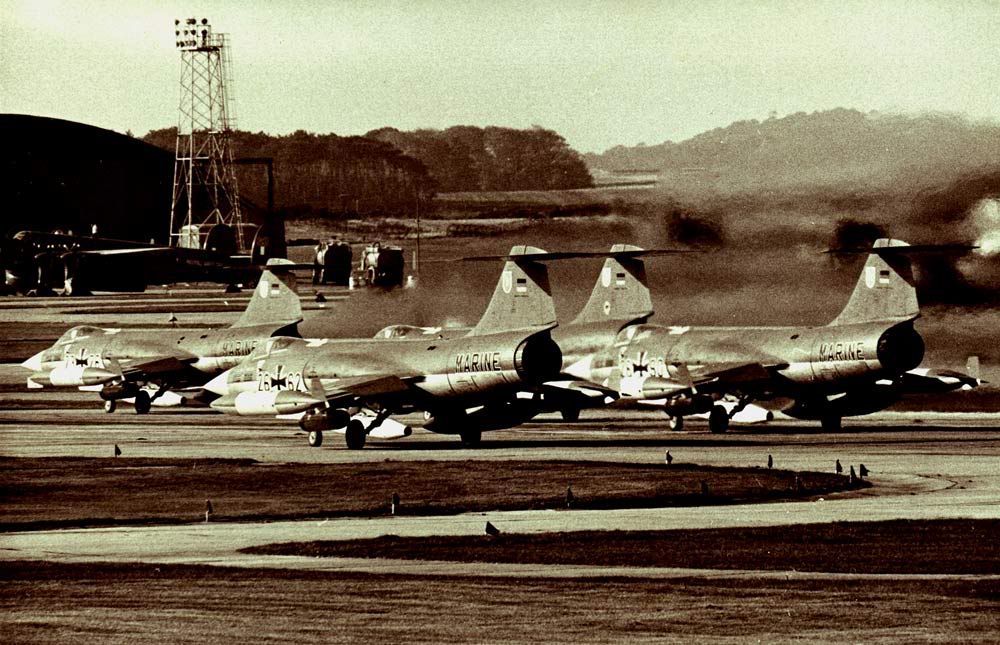
F-104s of all sorts of nationalities used to be a common sight around Lossiemouth, wailing around the circuit.
I have hundreds of photos of them that will require scanning, but in the meantime…
F-104s of all sorts of nationalities used to be a common sight around Lossiemouth, wailing around the circuit.
I have hundreds of photos of them that will require scanning, but in the meantime…
Maybe for an aircraft or a Met cloud base searchlight? They both used mirrors which would have needed to have a firm mounting to reduce stress and damage…
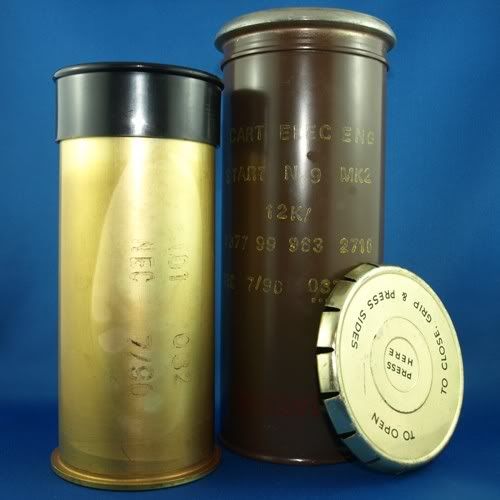
Thanks for the replies guys – I’ll try those mentioned. The actual cartridges would be nice, but the brown containers with the popper lids would suffice to restore the starter access panel from underneath the fuselage…
This went on eBay a while back…
Al – I thought for a moment you were serious……
I toned it down for you Arthur! In reality a bullet is a lot cheaper than keeping them in jail at the taxpayer’s expense…
Al – I thought for a moment you were serious……
I toned it down for you Arthur! In reality a bullet is a lot cheaper than keeping them in jail at the taxpayer’s expense…
Simply scrapping the MRA4 cost ‘most of £200,000,000’ – I wonder how much it would have cost to solve the old MR2’s fuel problem, and fully refurbish the entire fleet?
It’s criminality, pure and simple.
Don’t forget that the paint is probably stolen, and public and private property has been vandalised, all taking taxpayer’s money to put right.
Years of hard labour in a brutal chain gang might make amends…