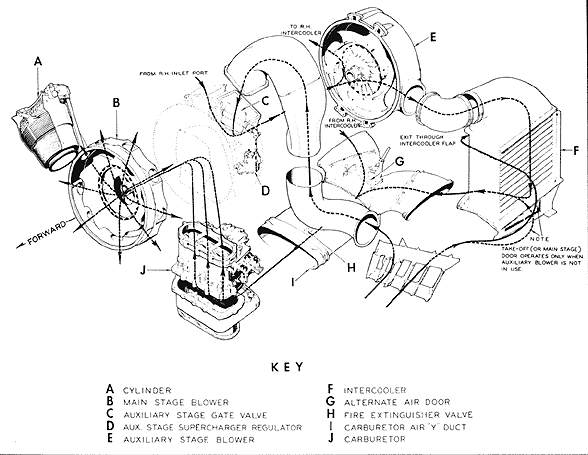
Perhaps the disks with the central bolts are blanks if a different type of carb is used, but I’m not sure where an air filter would have fitted…
Didn’t the Corsair and the Shackleton use a Bendix PR-58 carb with three circular intakes?
Isn’t it where the carburetor is attached to the airframe?
Mod Edit: I’m sorry, but your final image was far too big.
Realised it might be – difficult to portray the detail of the satellites in orbit within 1000 pixels across…
http://www.nasa.gov/images/content/312934main_image_1283-946.jpg
Mod Edit: I’m sorry, but your final image was far too big.
Realised it might be – difficult to portray the detail of the satellites in orbit within 1000 pixels across…
http://www.nasa.gov/images/content/312934main_image_1283-946.jpg
Fantastic images!
I’m currently thinking of buying a DSLR and telephoto – the 550s specs sound great, but how does the build quality feel?
Polar orbit satellites by definition track north/south, and there are a great number of them, usually around 1000 Km in altitude.
Usually an orbit takes around 1.5 hours to complete, and the satellite tracks a little further west every orbit, so that the whole Earth can be covered maybe several times a day.
Twinkling is caused by the satellite or space station revolving, with the sun’s reflection being disrupted at times, but polar orbiters have a constant reflection as their sensors always point towards the Earth.
But at an orbit of only 1000 Km their lives are relatively short, and you may have observed one in the first stages of re-entering patches of atmosphere.
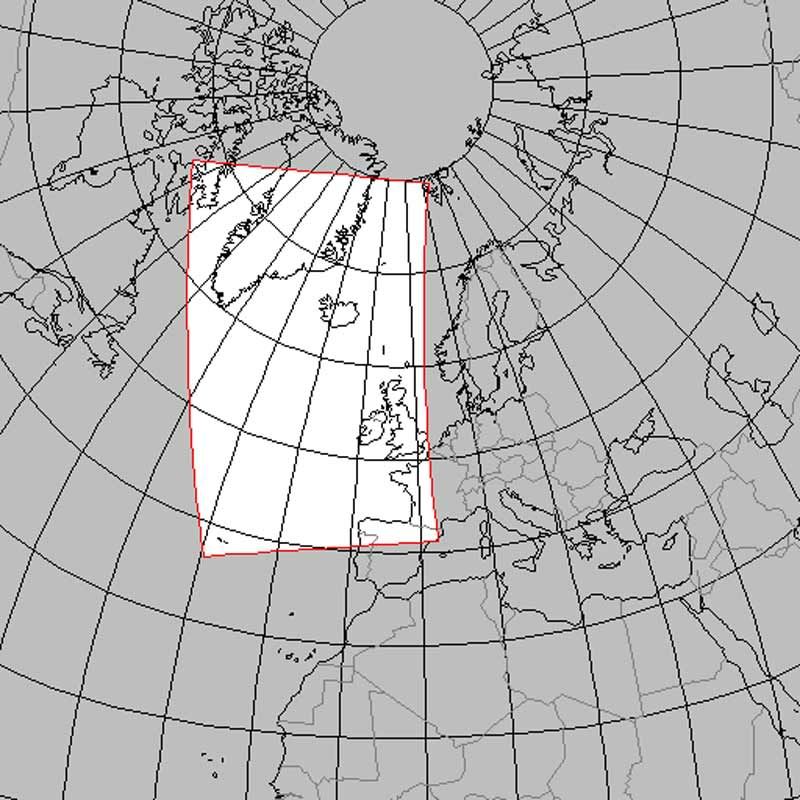
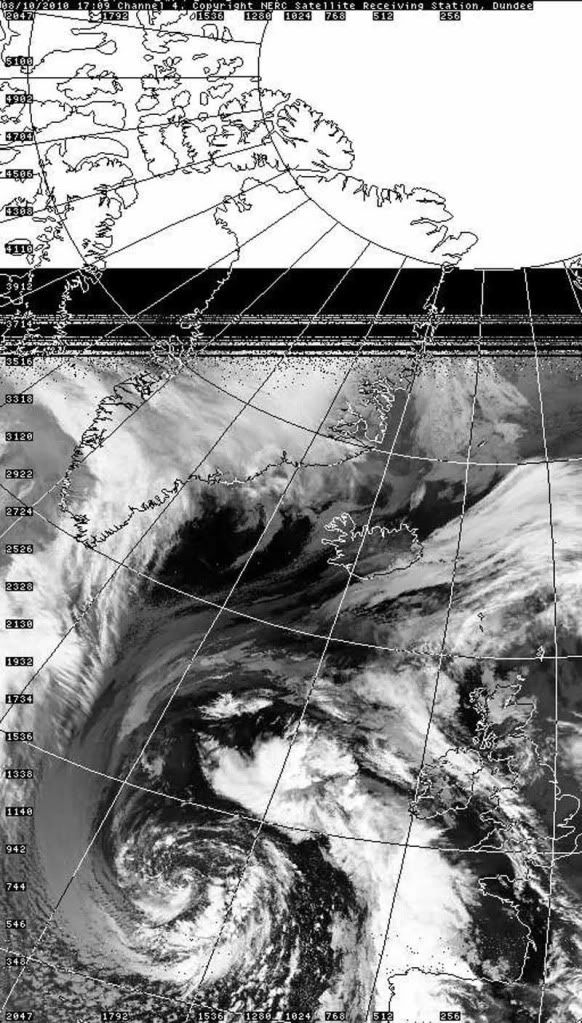
Here’s a segment of the track of one satellite (NOAA 15) northbound today at around 17:00. Taken from the Dundee University Satellite Receiving Station website…
http://www.sat.dundee.ac.uk/
Mod Edit: I’m sorry, but your final image was far too big.

Polar orbit satellites by definition track north/south, and there are a great number of them, usually around 1000 Km in altitude.
Usually an orbit takes around 1.5 hours to complete, and the satellite tracks a little further west every orbit, so that the whole Earth can be covered maybe several times a day.
Twinkling is caused by the satellite or space station revolving, with the sun’s reflection being disrupted at times, but polar orbiters have a constant reflection as their sensors always point towards the Earth.
But at an orbit of only 1000 Km their lives are relatively short, and you may have observed one in the first stages of re-entering patches of atmosphere.
Here’s a segment of the track of one satellite (NOAA 15) northbound today at around 17:00. Taken from the Dundee University Satellite Receiving Station website…
http://www.sat.dundee.ac.uk/

Mod Edit: I’m sorry, but your final image was far too big.

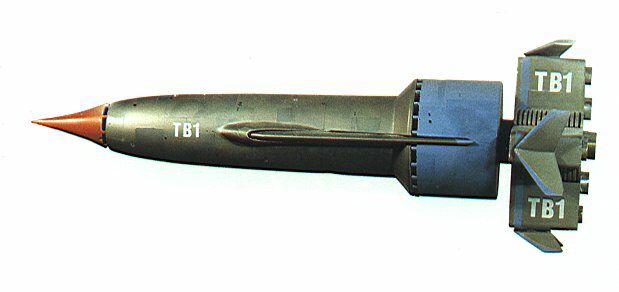
Gerry Anderson certainly came up with some great futuristic designs through the years…

Gerry Anderson certainly came up with some great futuristic designs through the years…

First cut is the deepest….
A huge waste that was going on all over the world with aircraft, ships, tanks etc, all surplus to peacetime.
Here’s Rolphy!
There’s still at least one complete MR2 parked at Kinloss, apart from ‘gate guard’ XV240…