I’m reasonably sure it was the most northerly hangar of the group and the doors facing NE.
They should really chop out the local sections of steel from the doors.
Can you remember if the war-damaged doors are double skinned or single?
Just wondered if the spent/smashed He-111 rounds might still be inside the doors, if double skinned…
The UK seems to be acting almost alone in Europe, using meteorological information quite different from that which continental Europe uses. Result – confusion.
The UK Met Office is the recognised world leader in meteorological advice and research. Most other countries just don’t invest in the massive computing power needed to run the various models.
Make no mistake, the atmosphere is the most complicated thing we have to deal with on a day to day basis, and it needs huge computers (as big as the US uses for its national defence!) to even come close to modelling reality. The atmosphere works on nano-sized changes, but the closest changes the computer models work on is a few kilometers, and even then only for limited, relatively small areas, like the UK. Models covering the globe are far more course, because anything finer would take up so much computing power that the period of time the forecast was for would be up before the computer had finished all its calculations.
How many times have we seen high-profile space shuttle and rocket launches delayed because of that pesky first ten miles of atmosphere?
All the armchair experts should give the professionals a break – just because aircraft are flying in Europe, doesn’t mean that it’s safe to do so…

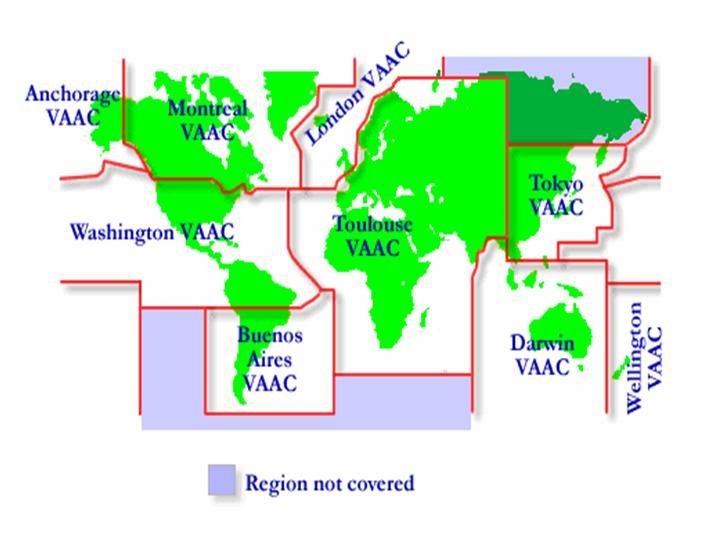
This chart shows the London VAAC area – the area which the Met Office is responsible for giving advice on, so that NATS and CAA can make their decisions, and they also issue advice to the other VAACs.
What the foreigners do is up to them – only time will tell who has made the right decisions…
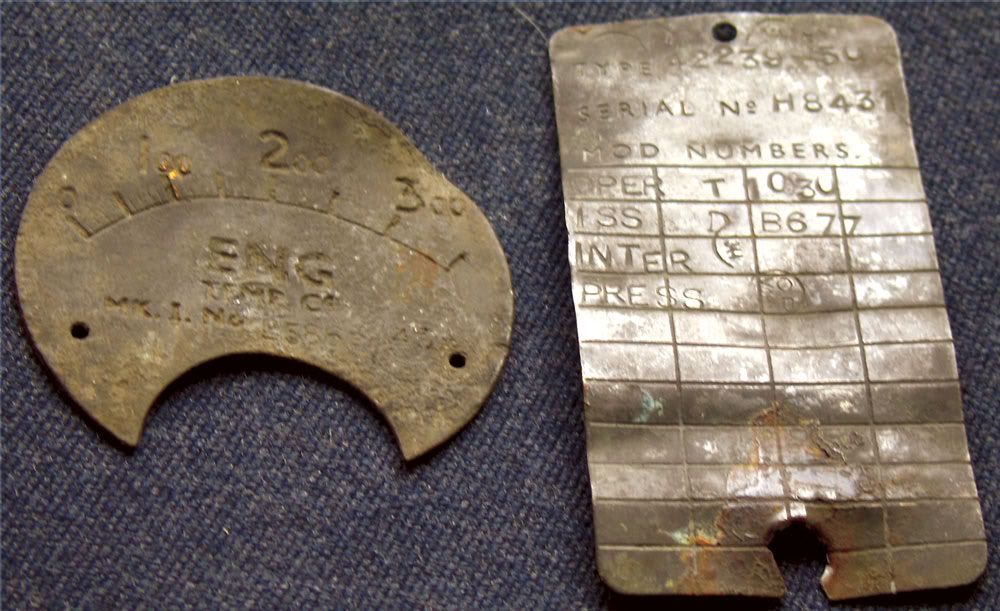
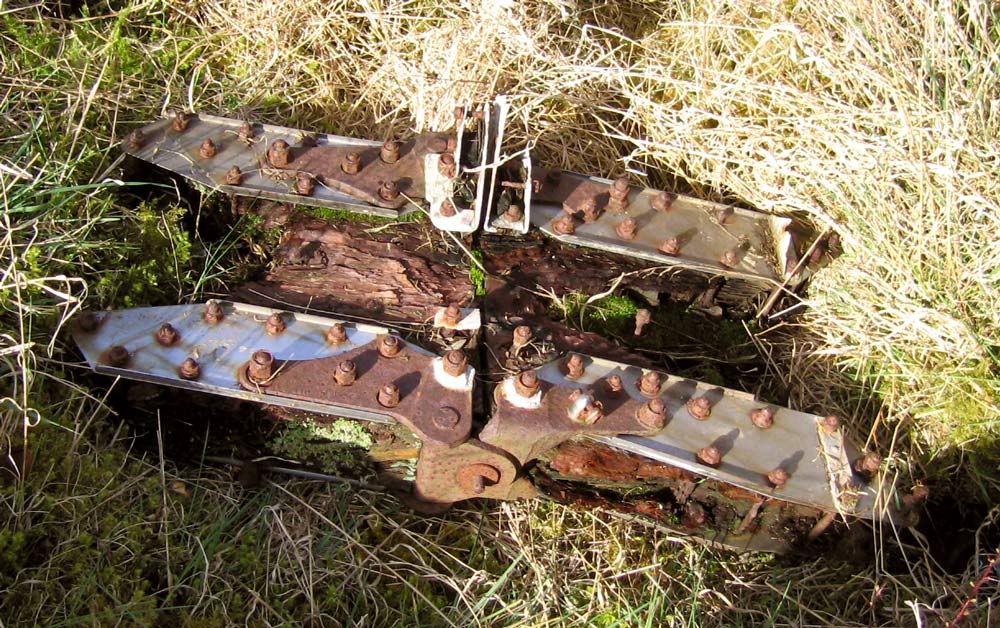
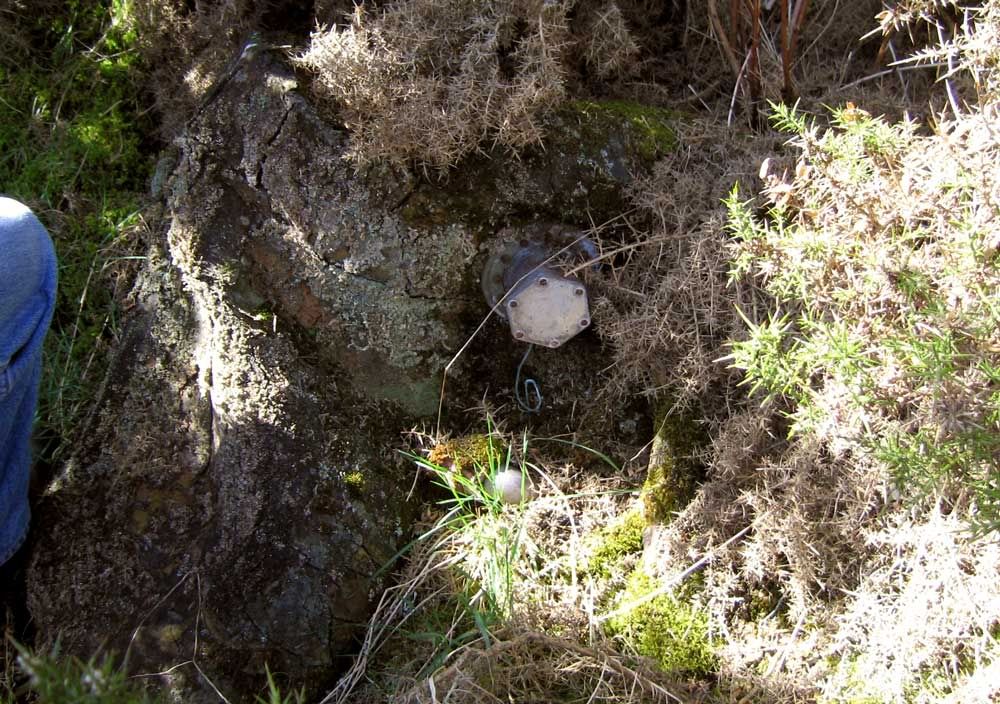
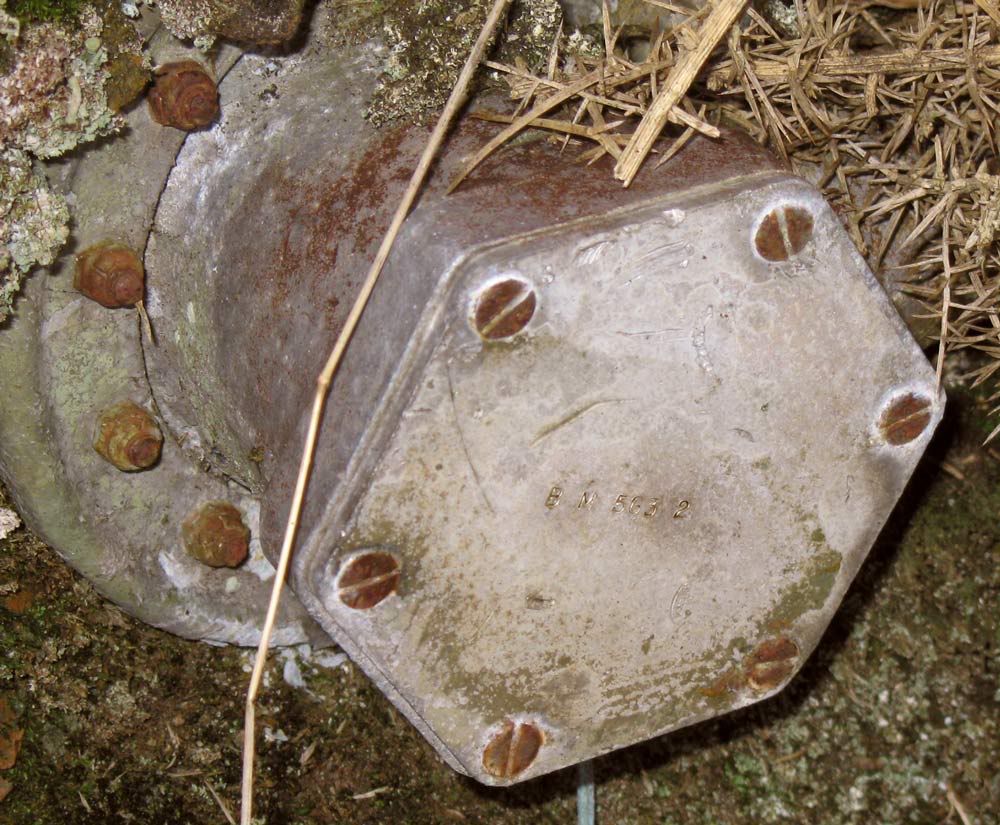
Some parts are easy to pick up and identify – a Mk 1 engine temperature guage dial from a radial!
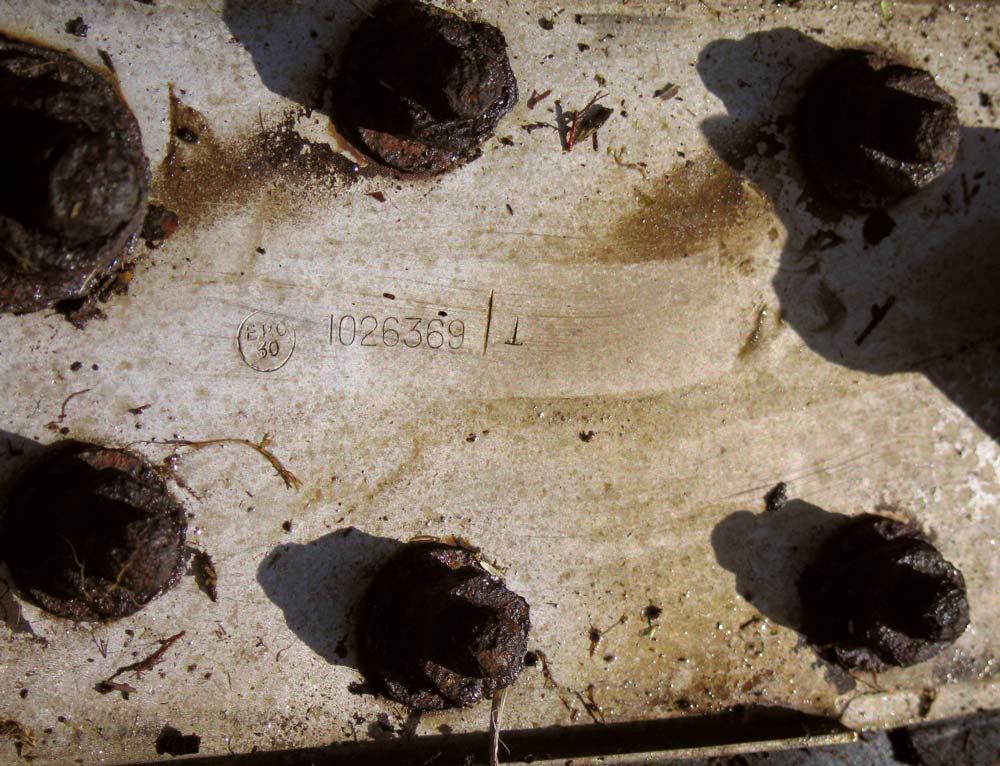
But what is the mod plate from – any ideas?
I’m reasonably sure it was the most northerly hangar of the group and the doors facing NE.
The station PR officer made a point of highlighting them to us on a visit, so they should be well known.
They should really chop out the local sections of steel from the doors.
That would figure – two of the three He111s came in from the NE…
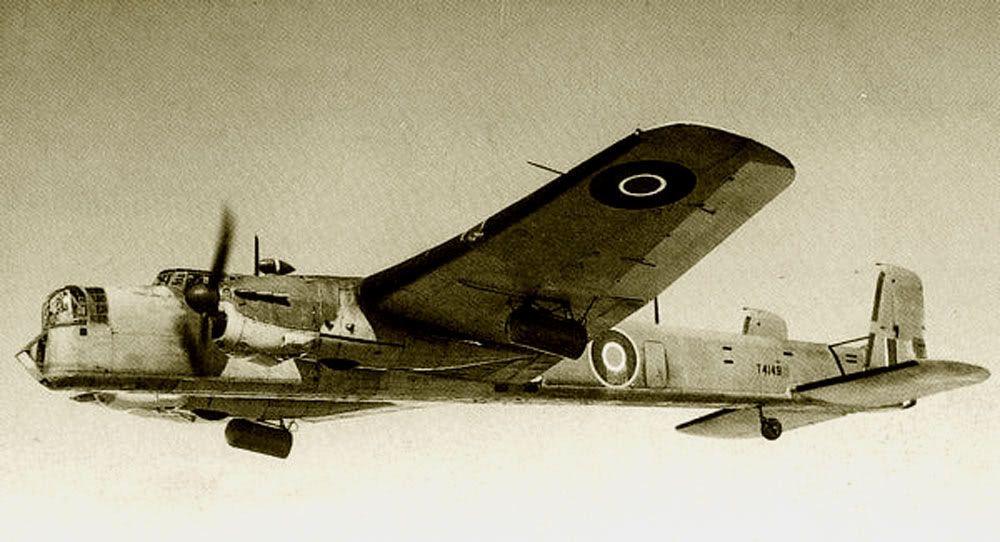
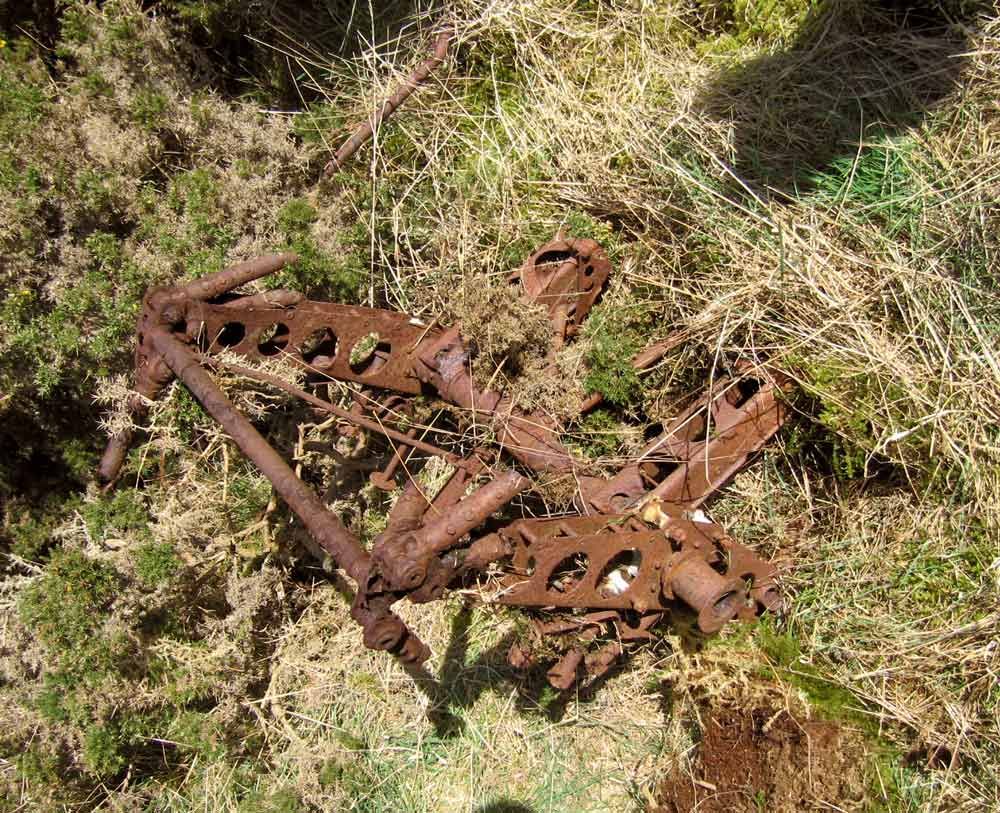
I thought I’d seen that strange teardrop-shaped thing before – that’s it behindthe Whitley’s cockpit! Any more Whitley parts?
I caught the programme late on – was the explosive in the TV simulated 1000 kg bomb encased in 0.4″ thick steel as per the original Hermann?
I just wondered if they had accurately simulated the steel shrapnel effect in conjuction with the blast of maybe 600+ kg of TNT…
I think that was around the time the RAF cleaned up their part of the old 45 MU site, a little further east than the public location we were at yesterday. On the modern aerial image, you can see the RAF area has been sanitised, due to the building of a reed-bed water treatment area ffor the station.
I’d be interested to hear what had been found back then!
One of those hangars which was used by the Sea King squadron, has cannon holes in the doors from a wartime german raider. I have seen them.
Any idea which doors? I could make enquiries!
Three He111 attacked Lossie at dusk on 26.10.40, bombed some Blenheims, and strafed the area, including Covesea lighthouse. One crew might have released their bombs too low, because they crashed on the grass on the runway intersection. The crew are buried in Lossie churchyard…
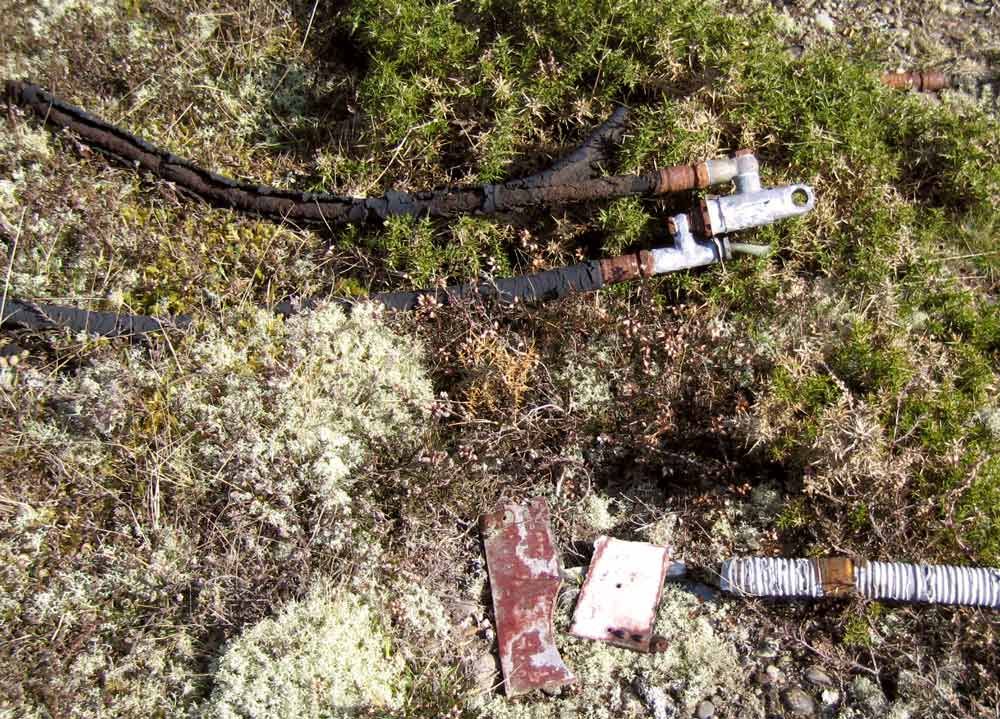
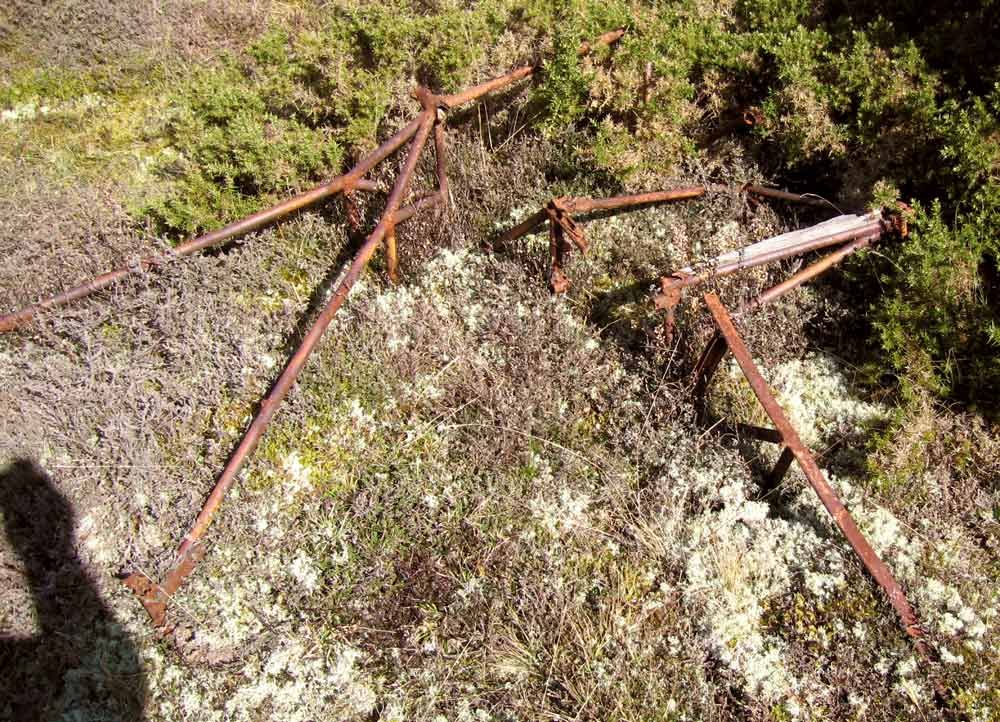
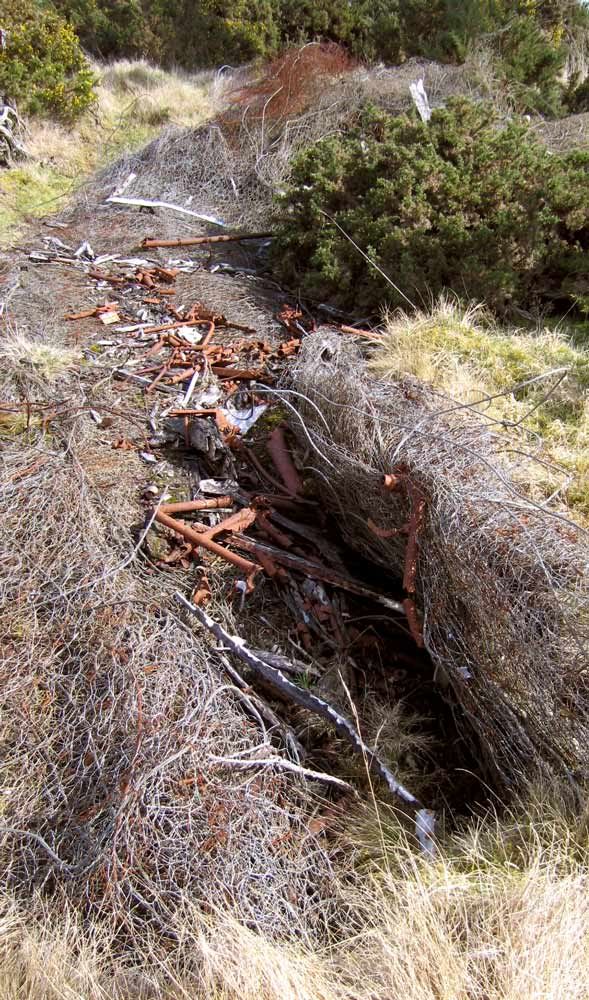
Most visible parts are in large gorse-covered depressions in the ground, very (ouch @?!&%!) difficult to get to, so not many people have been around there since 45 MU lef tit. We suspect there are probably a lot more sections (including Lincoln nose glazing as seen in the 1980s) buried underneath the mounds of gorse…
A question: What is the difference between flying through ash – as it is over the UK and europe – and flying through a sand storm taking-off from somewhere like Dubai?
Anyone?
Both ash and sand are hard and very abrasive, but ash will melt inside a jet’s combustion chamber at lower temperatures than sand, and coat internal parts. Ash can also be highly corrosive if left in engine internals…
I thought UK airspace was closed.
KLM783 is over London now at 39000 feet.
SE-RHU VIK477P now going through Scottish airspace
Jet2 757 G-LSAD had just left Newcastle as EXS919P.
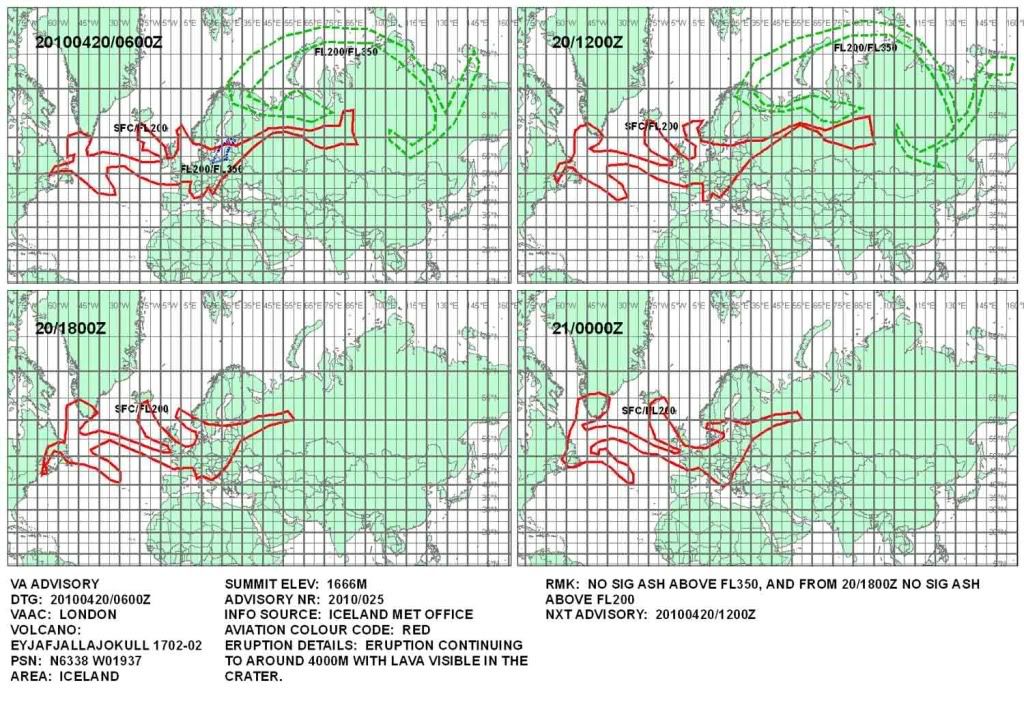
This is the latest graphic everyone should be using, which shows the extent of the ash coverage at various flight levels. The area in red is the only one covering parts of the UK at the moment, and is from the surface to FL200. As you can see, there is an area of ostensibely ash-free air over Newcastle by 1200 Z, which is probably being taken advantage of.
Any aircraft over the southern half of the UK are probably above FL200…
You can find the latest graphics for free at…
http://www.metoffice.gov.uk/aviation/vaac/vaacuk_vag.html
and the latest text version at…
http://www.metoffice.gov.uk/aviation/vaac/vaacuk.html
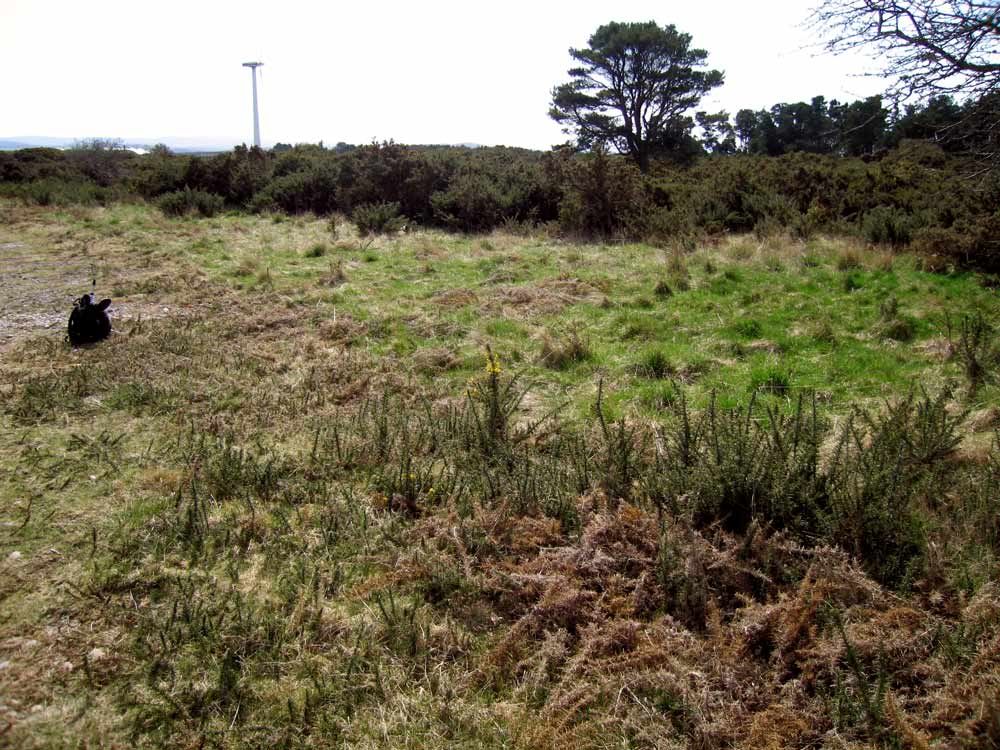
View from direction ‘A’ in 1946 RAF recce photo…
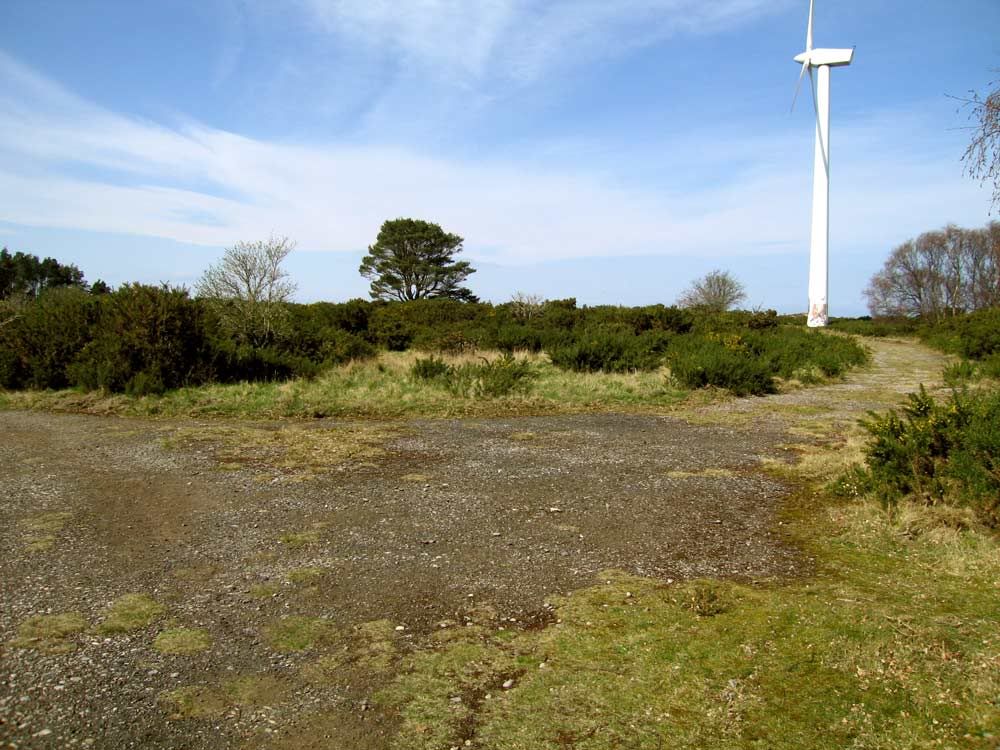
View from direction ‘B’…
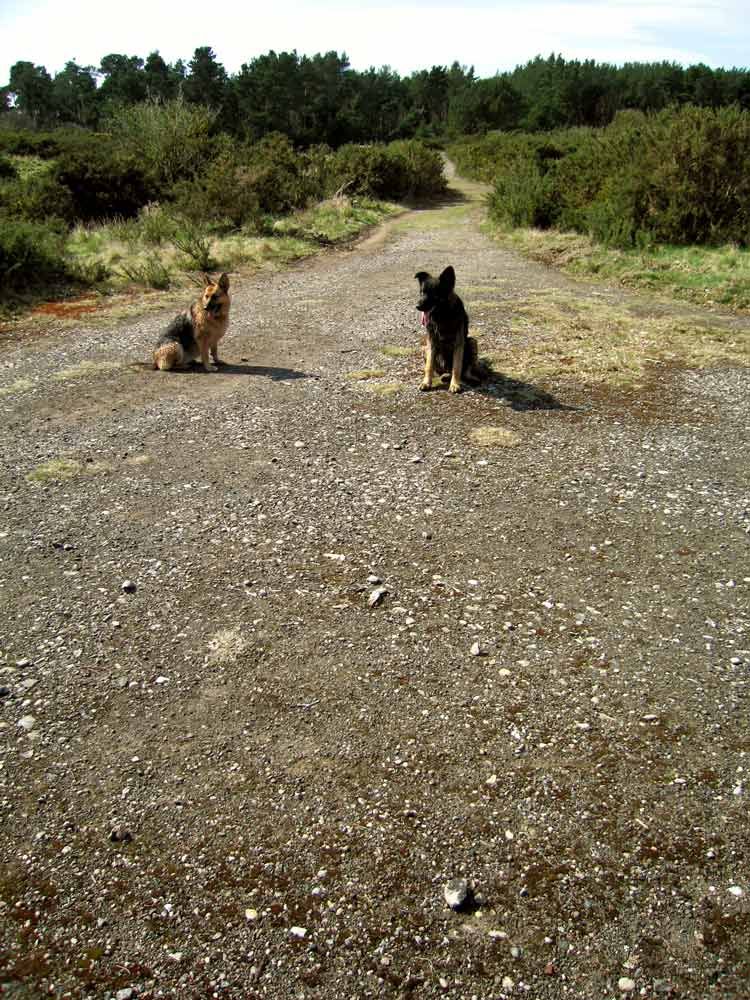
View from direction ‘C’ – doesn’t look big enough for 8 large aircraft…
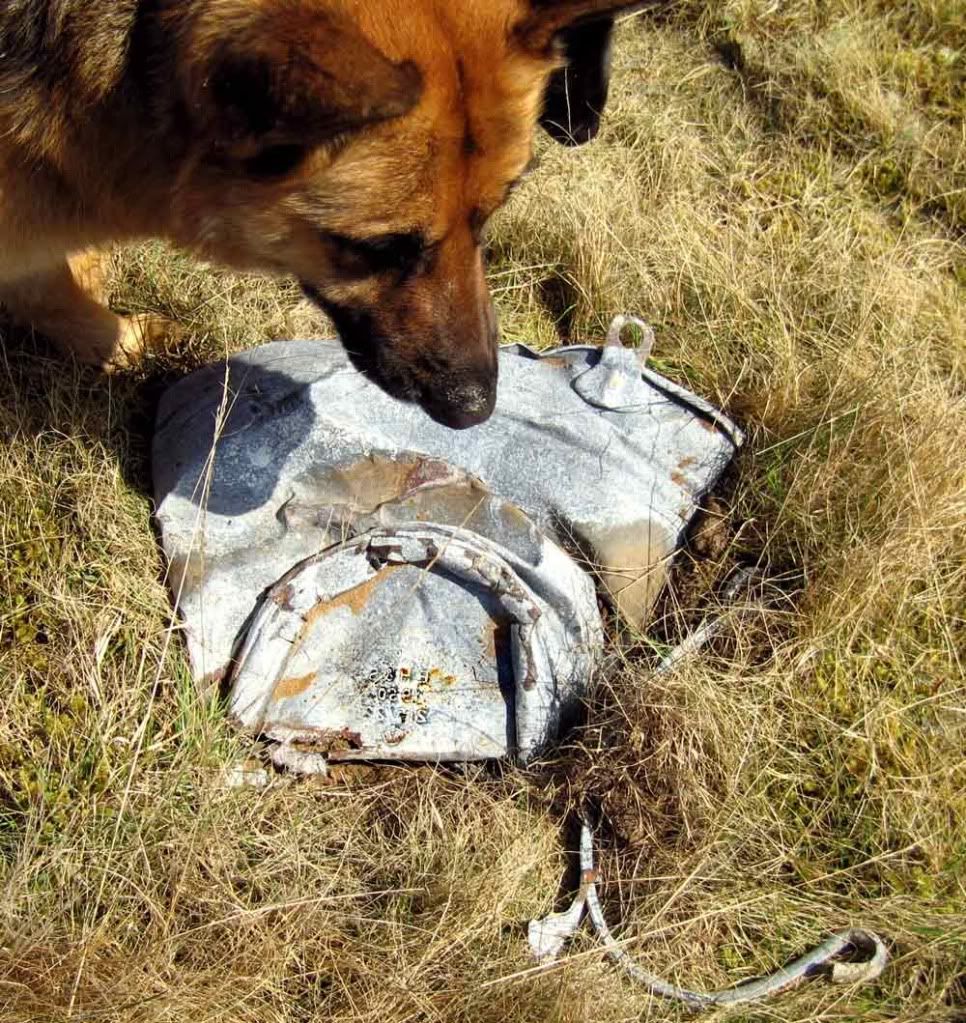
And finally, a nosy bitch inspecting an Air Ministry issue bucket…