 LordAssap
typhoon1
I’ll read them then I quiz you on a few questions.
K!
LordAssapYes TMor i was wondering…:p
LordAssaptyphoon1 Why does the rafale have canards? I believe to improve the sustained turn rate.
Start at page 16 i believe….
http://forum.keypublishing.co.uk/showthread.php?t=80325&page=18
http://forum.keypublishing.co.uk/showthread.php?t=80325&page=20
On Canards configurations…
The main reports on canard-wing interaction are posted and quiet long.. Sorry
SUSTAINED turn rates depends FIRST on LIFT then on THRUST.
Little to do with the canards although they act as LIFT enhancers (when close-coupled)…
On Rafale the canards works like the Mirage 2000 (Root vortex) and extend their influence outward thanks to their span.
Their tip vortex energises that of the main wing as well as the root vortex at the wing/fuselage junction…
With STRAKES you got only the equivalent of the canard’s ROOT vortex, like those fited to F-18, Mirage 2000, Gripen and Typhoon, it energises the airflow over the surface of the FIN and helps maintaining a higher degree of YAW control at high AoA, on the F-18 the vortexes these strakes generates actualy “breaks up” the negative battering of the LEX vortexes on the fins, they were encountering structural fatigue problems.
F-35 have the same problem with its integrated inlet strakes (only it is most unwanted and not controled).
At high AoA, the fin gets shielded from ambiant airflow by the fuselage and you loose YAW control quiet early in the AoA scale, since the wing LIFT and overal airlfow are affected your maneuvrability becomes limited earlier, first ROLL is affected then PITCH, on classical aircraft you need to compensate for YAW when you loose ROLL control, IT works i tried it.
The higher the airflow velocity over the fuselage and wings at high Ao/A the higher level of control you will have, if you manage to extend the energised airflow over the span of the WING and the FIN you keep high YAW, PITCH and ROLL level of control at much higher higher AoAs.
Since there is a scalability to this, the higer level of control you have at the highest AoAs the more effiscients your controle surfaces are in combat condition.
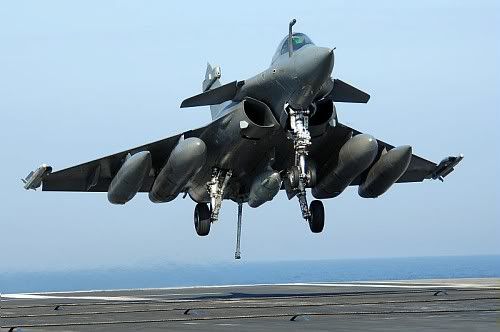
OR, STVOL characteristics, canards enhances the delta design flight envelope.

Basicaly, for LESS maneuvrability it’s this design or Rafale.
LordAssapScorpion82
Rank 5 Registered User
I react on wrong accusations and offences, don’t expect me to be polite or respectful to someone who can’t keep a civilsed discussion.
I’ve no problem to admit that my knowledge in some areas, such as aerodynamics is limited.
Please stop the hypocrisy, your posts and official sources correcting your inacuracies, plain invented stories and INSULTS to me are there for everyone to see, there is no point trying to make up that i have been leting myself go to the level where and your buddies and yourself have been, this is another one of your LIES.
According to YOU; DASS achieves the same than SPECTRA despite a difference of a full generation of technology including 5th generation core system architecture, interferometry and active scanned arrays for the ECMs.
Either Thales and BAe (remember your post on the computers being “upgraded”?) are telling stories, either you keep taking people for granted.
The sources i have quoted makes my points several times over, now you can only try to discredite me by taking matters to a personal level, you have NO argument at technical level whatsoever to oppose to them, please dont mix yourself with those who have been properly trained and educated to debate on a subject which obviously you do not comprehend fully.
greg
Rank Zero
_Which radar absorbing material?
Are the leading edges of the wings and canards, and also the nose, covered by RAM?_
When they aren’t they are MADE of it and when they are not they are covered with a layer of RAM paint like the rest of it…
The whole front fuselage is made of composite materials because it appears to be the EM hot spot in the frontal area, the inlets-LEX and part of the leading edge are made of Titane PFDB, it is RAM treated too.
AND BTW, the PAINT itself is RAM, it was developed in BLACK colour with the “DISCREET” Rafale C01 Alias Rafale D, together with other features which weren’t judged cost-effiscient.
The Rafale Ms were the first to feature this overal blue paint which looks like IR absorbing too, you can tell this from the paterns in the paint itself apearing two-tone under certain angles and monotone under others.
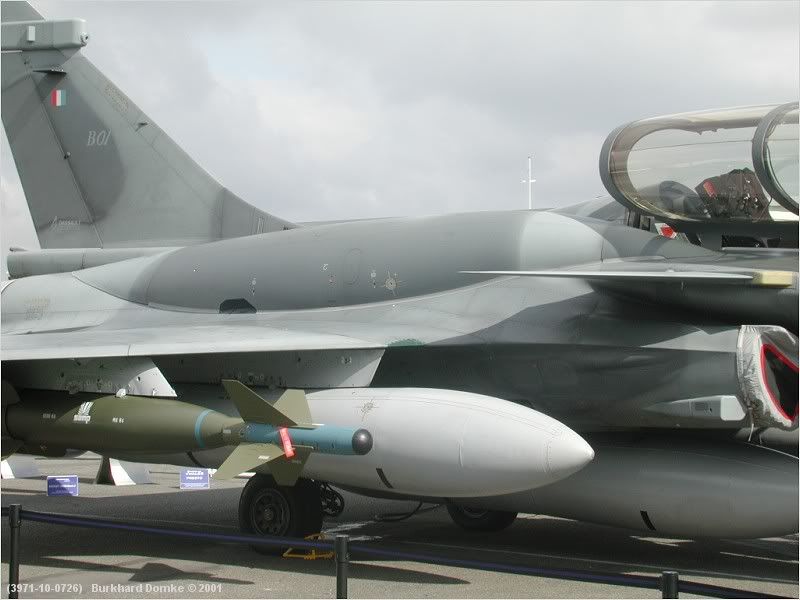
The B used some of it mixed with green.
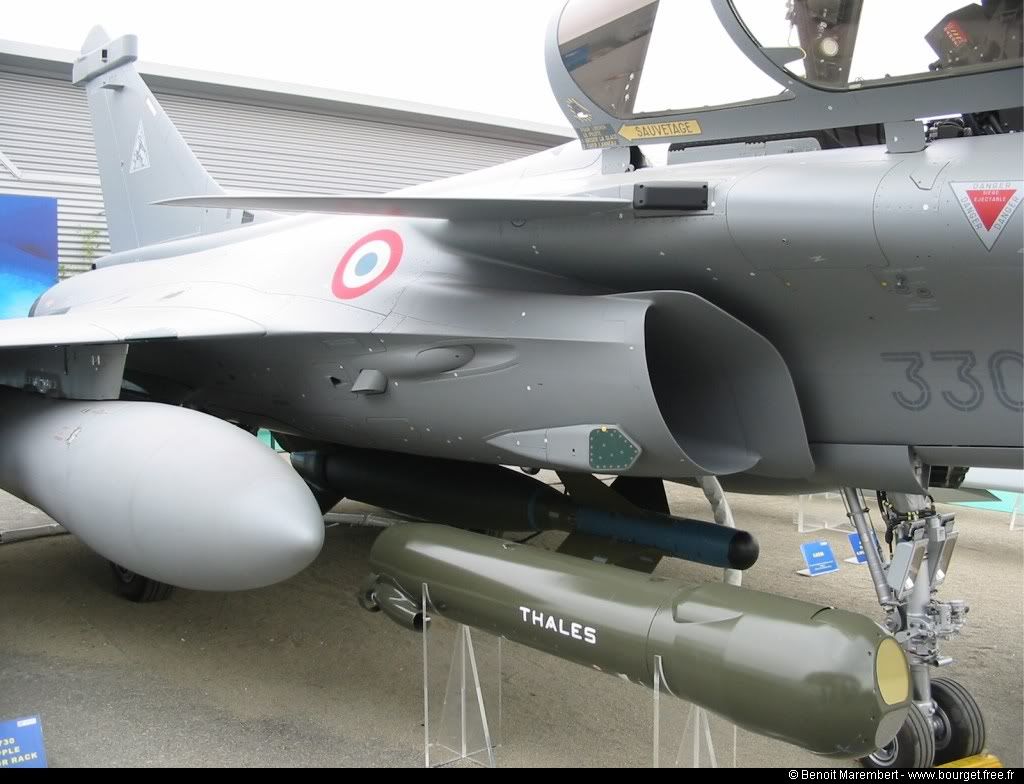
With lower costing solutions (RAM paint, Composite materials) you can manage avery low-reflection and the airframe was designed with aerodynamic arrangements which also help reducing RCS.
The inlet modular design is well visible in this shot, it could easly be upgraded for higher airflow rates, those designed for the M 88-3 were tested and shows NO increase in RCS or DRAG…
The gun muzzle is also treated with a plug, the double cambered wing-fuselage junction just behind the cocarde is significant when it comes to the aerodynamic properties of this area…
Once again there is an area used to triger a mild shockwave on the airframe itself, straight on the way of the airflow where the intake upper diffuser’s channel and the LEX/Wing cranck vortex expends.
This helps diffusing the boundary layer with renewed energy from the vortexes over the entire area including the fin (Canard root vortex) and the Flaps (LEX, Diffusers, Canards Vortexes).
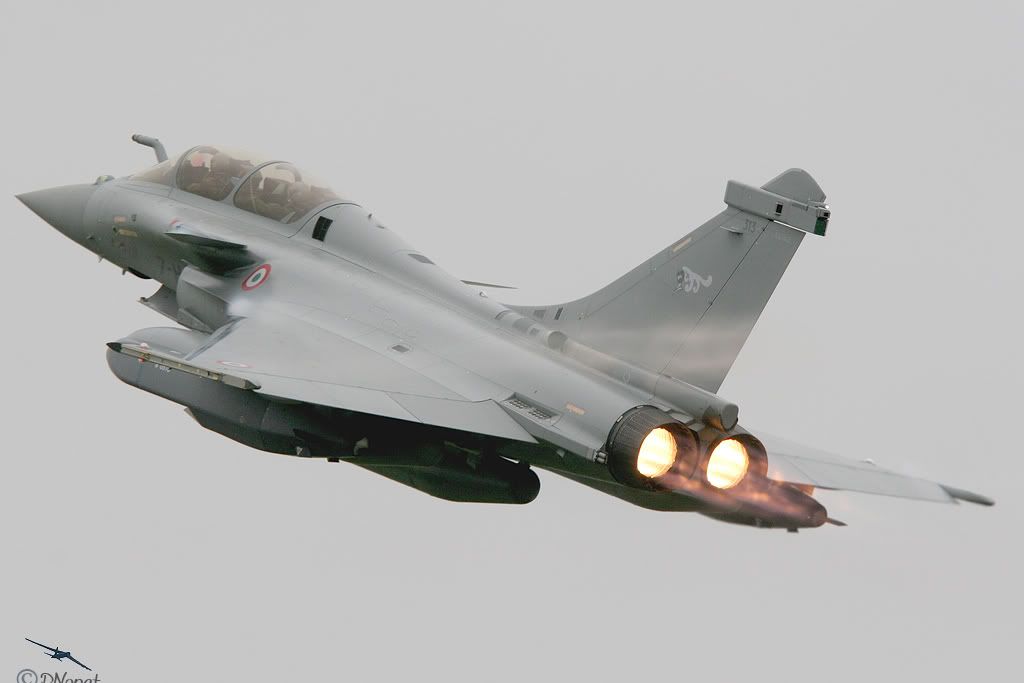
A shot i personaly see as exeptional, one can clearly SEE the vortex streams from the canards (ROOT, SURFACE, TIP) and the cranck at the junction LEX-WING.
Active LIFT control full ON.
How the airflow works on the fuselage.
On the Rafale shot above you can see that the expensive area is situated RIGHT behind the canard trailing edge which accelerated airflow increases the velovity of the canard vortexes in this area.
The expensive wave velocity is increasing and transfers its energy to the vortexes, insuring the boundary layer is not departing the surface at higher AoA.
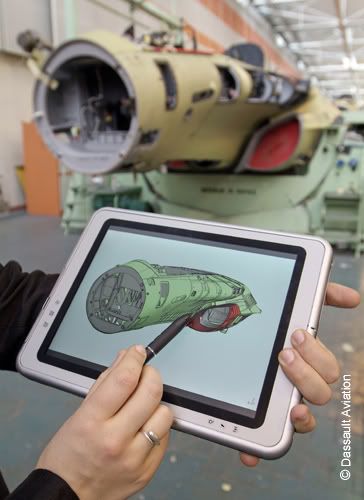
They KNOW what they are doing…
The work on the internals is something else i believe details will not be available before long…
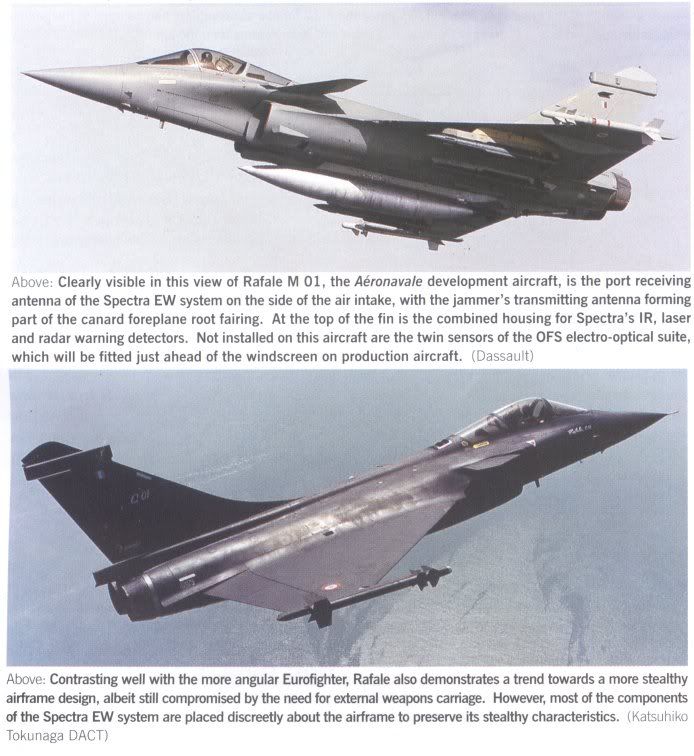
Thales on SPECTRA:
SPECTRA, a new generation integrated electronic warfare system, was specially designed to provide the Rafale aircraft with a decisive advantage in every situation.
The SPECTRA system for the Rafale combat aircraft operates in electromagnetic, laser and infra-red domains. Using sophisticated techniques, such as interferometry for high precision DOA and passive ranging, digital frequency memory for signal coherency and active phased-array transmitters for maximum effectiveness and covertness, the highly advanced multi-sensors and artificial intelligence data fusion capabilities of SPECTRA provide the Rafale aircraft with the best chance to survive in harsh and lethal environments. The Rafale combat aircraft and the SPECTRA system are fully operational onboard the French Navy’s Rafale.
Offering unique high sensitivity detection and multiple threat capability, and operating smart data fusion between multi-spectral sensors, it provides identification, location, jamming and decoying against an extensive range of electromagnetic, infra-red and laser threats.
Additionally, SPECTRA fulfils new functions in a combat aircraft, while significantly participating in the determination of the aircraft’s tactical situation, and providing the crew with operational advantage by performing accurate threat location.
By virtue of its fully passive situational awareness capability, SPECTRA is a major contributor to the low observability concept of Rafale.
Product page – SPECTRA.
The paint itself seems to be muting in the background like a cameleon but it seems to be a feature many other fighters posseses, the difference beint parhaps the RAM characteristics.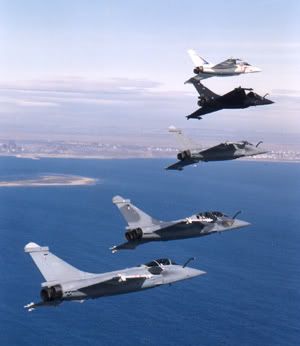
TMor
Originally Posted by LordAssap
The detail of the SERATED area above the exhaust is interesting too, the frontal sector wasn’t the only one to be treated anti-EM.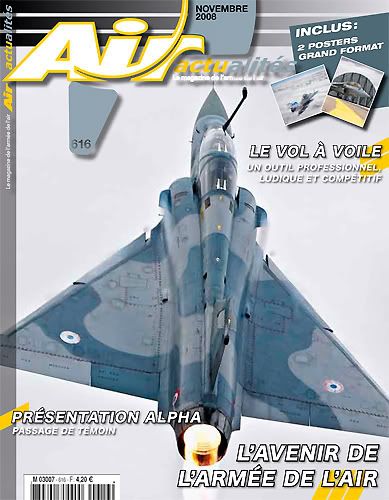
Here for comparison how the Mirage 2000 strakes are working, because they do not posses a proper lifting area (At whatever AoA) their effect is limited to the upper area of the wing/fuselage junction.
This helps YAW-axis stability but does loads less for the wings vortexes than that of the canard tip vortexes, you can see the strakes vortexes sucked in by the low pressure zone forming behind the inlets…
LordAssapEven an A-4 could do this and I have a nice collection of F-15 in the gunsights of F-4Fs. An F-15 always had to keep speed and energy up to dominate the enemy.
Since it was designed as it was to beat climb records, still turn better than a Mig 25….
At subsonic speed some said that the A4 was excellent at energy management, it would eat any F15 any time…
Having said that, these turn rates of course would be relevant in BVR too when Raptor/SU-BM is trying to gain as much range out of its missile as possible in order to increase its own chance of survival.
The bit some love to forget about Some other pilots would give different clues as to how to use energy and speed in BVR combat.
LordAssapEven an A-4 could do this and I have a nice collection of F-15 in the gunsights of F-4Fs. An F-15 always had to keep speed and energy up to dominate the enemy.
Since it was designed as it was to beat climb records, still turn better than a Mig 25….
At subsonic speed some said that the A4 was excellent at energy management, it would eat any F15 any time…
LordAssapSig, i think it’s OK to compare with other aircrafts, we had tons of “concurent aircraft” and i don’t see why the SAAB Gripen and its systems shouldn’t be quoted.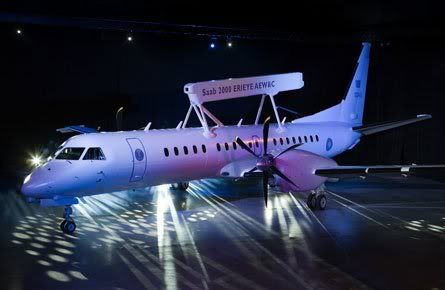
About Sweedish ECM/Radar capabilties…
Bring it up it is also good to see where countries and manufacturers are going, i’m sure SAAB are up to something.
Gripen is very close to Rafale BTW in design and capabilties, the roadmap for the Gripen is looking similarly interesting, i say we compare, no question of flame here they aren’t in the same category…
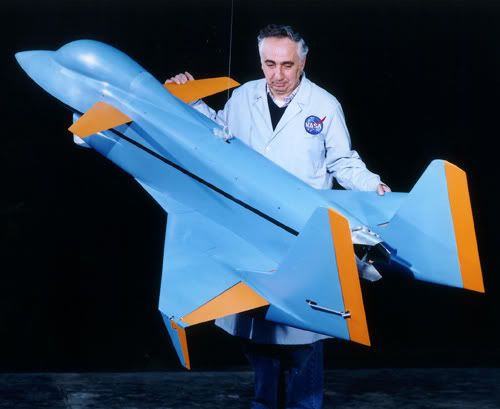
An interesting project from Rockwell BeforeMBB and Herbst collaborated to the program and a TFK90 arrangement was chosen for the X-31.
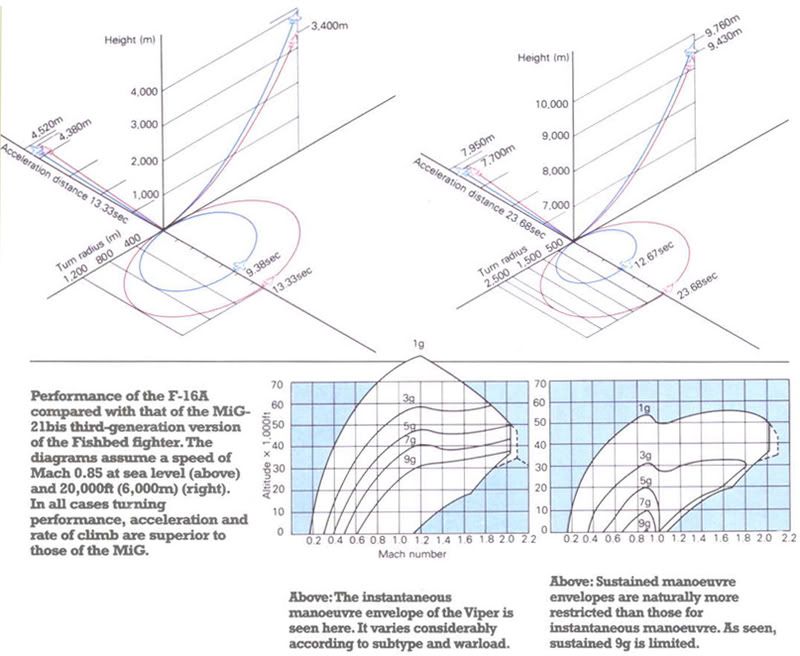
What CCV, FBW, LEX, Active Lift Control, Instability and a good TWR can do for you.
Useful for positioning yourself in a a firing position be it BVR or WVR. Faster, Tighter wins the day…

Cornet Vortex how a Delta wing generates LIFT.
Imagine the effects of the canards surfaces at the forward root of the wing and the interaction of MORE vertices.
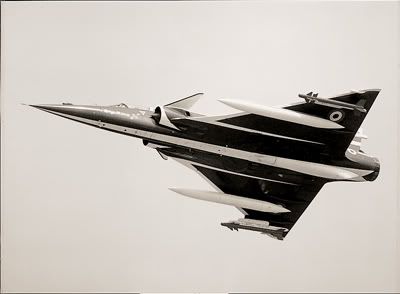
A bit of this…
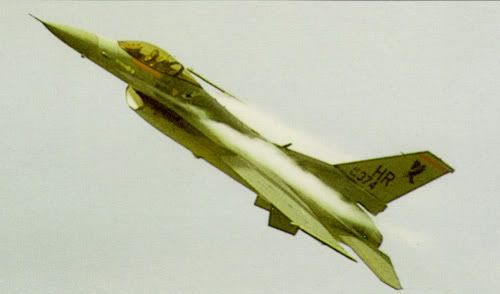
And this…
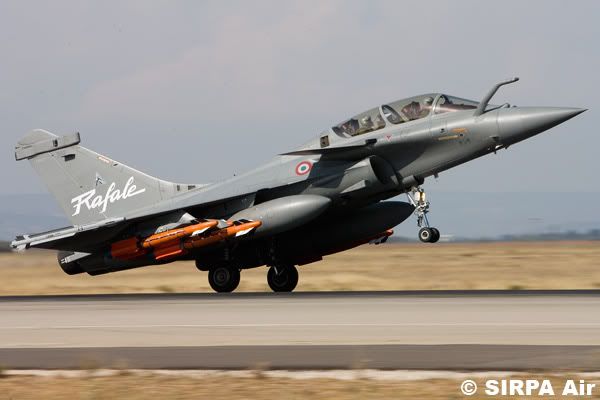
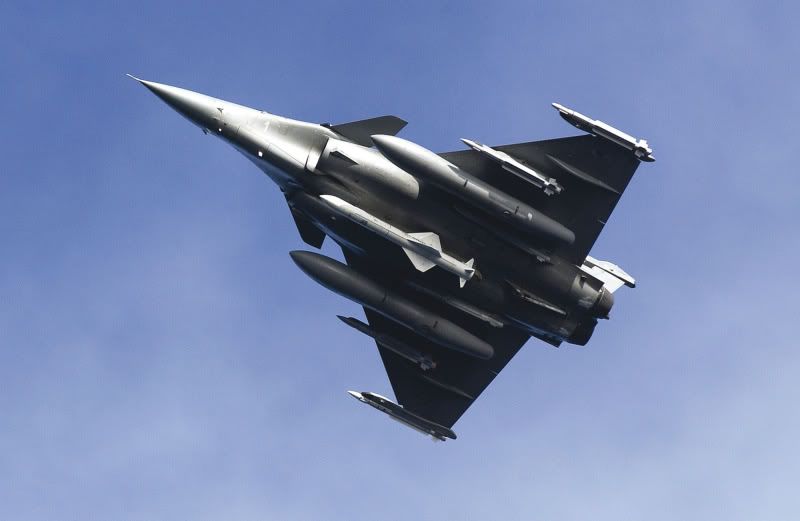
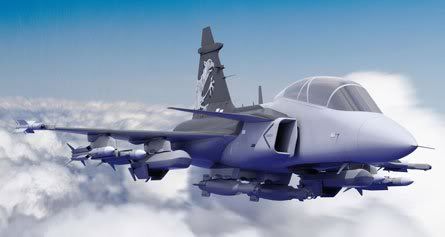
On the subject of close-coupled canards.
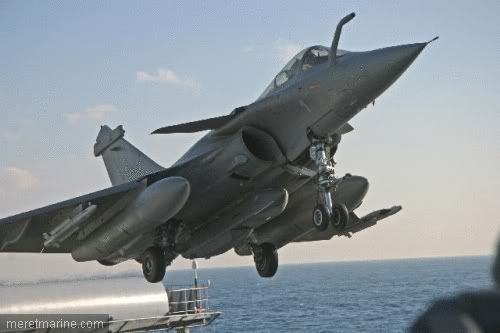
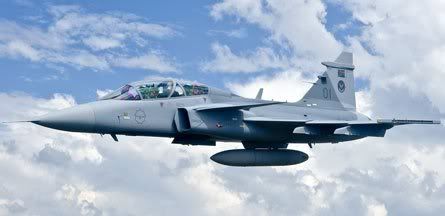
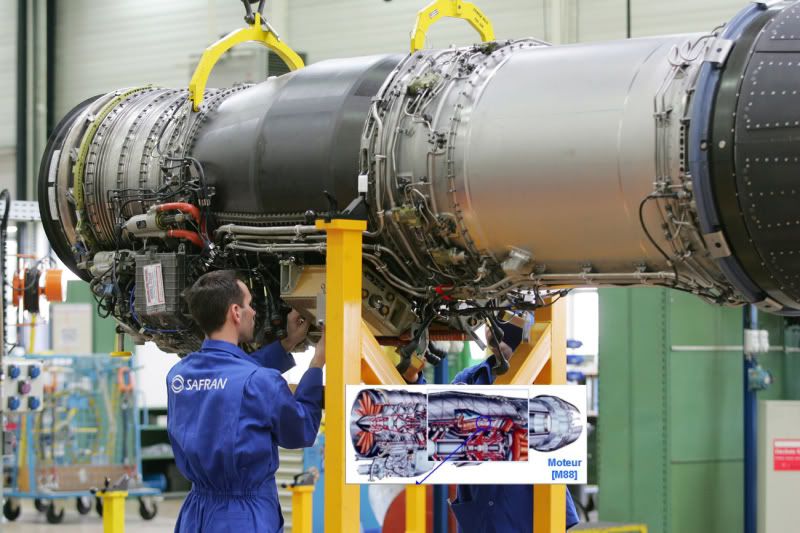
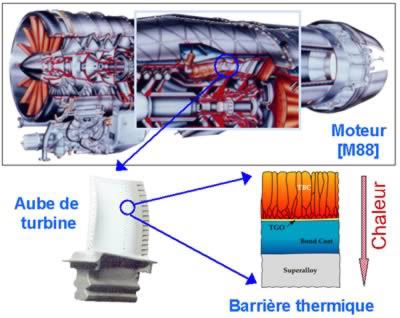
Interesting shot of the M 88.
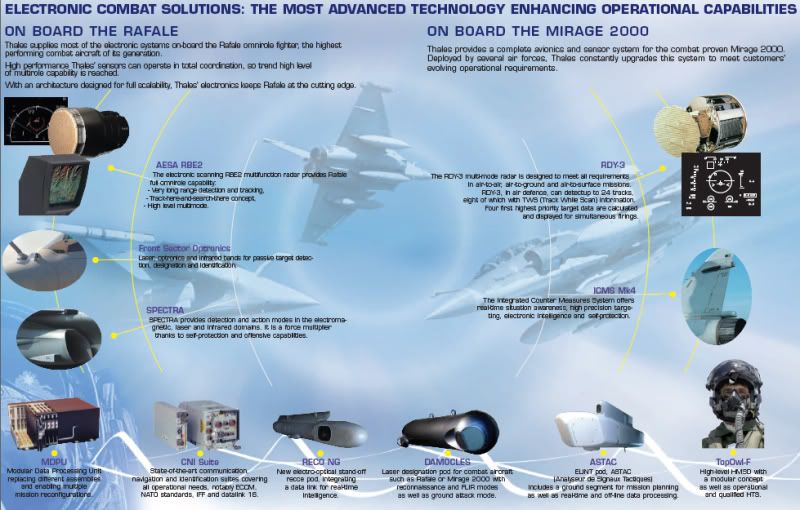
Systems.
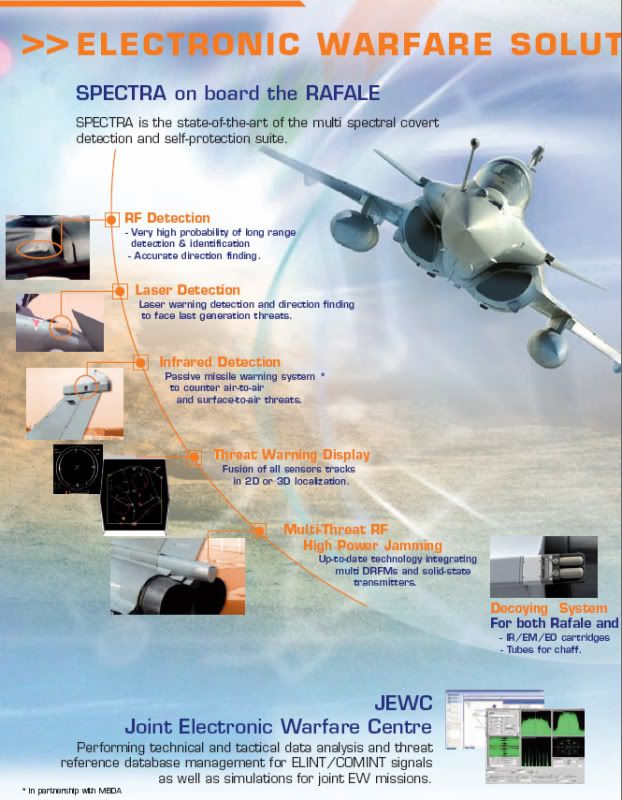

LordAssapAbout layers of stealthy materials using plasma technics? (perhaps a visit to the ONERA website would help).
I can’t imagine anything of this kind injected into the linlets, like a gaz (particles) hitting the engine components at high speed?…
Sweden don’t spend money building helicopters, carrier or tanks instead the R&D is put into smart solutions to deal with bigger threats. That’s why the datalinks, EW and s/w and is so highly developed.
–
Sig i TOTALY agree with you, i know how respected Sweedish EMC capabilties are, perhaps top in Western Europe or close but tell me, does the Gripen DEMO posseses this 5ht technology core architecture and similar AESA systems for its ECMs?
If yes then Thales stament is wrong.
I must admit that i know towns more about Typhoon than Gripen and you are welcome to post any information on the actual level of technologies used in the last Gripens for comparison.
I’m sure if it is not the case yet, SAAB will be first to keep up and get level, being able to put AWACs together even smaller twin engines is BTW more than what France managed out of a collaborative program.
LordAssapThe days of the “tail-chaser” or gone for some time.
Little diablos doesn’t hide reality…
Maneuvrability allow for reaching engaging and desengaging positions as well as threat avoidance.
Only listening to a Raptor pilot is enough to understand what energy and maneuvrability are to this aircraft…
Let US guess, TVC are for airshows.
The day an airfight will be fought in a straight line at 1 g is only in your imagination.
Just learn your stuff some of us knows by experience that AAMs arent going to rule the sky any time soon over unamneuvrable aircfraft but also that a 9g capable aircraft is MORE survivable than a 7 g one, same goes for a 11g capability in case of emergency.
Alternatively, if you still cant comprehend this, you can join the Air force, they’ll tell you a little about it.
LordAssapSince the 80s the agility is no longer decessive.
LOL! I think i will trust pilots rather than this statment any time. 😀
Agility allows for engagement, pulling out of it, avoidance of threat etc.
Best example, it takes the current generation of AAM 3 X the target G capacities to get a kill, an aircraft maneuvering with a hard limit of 7.5 or 7.0g is likely to be unable to escape even out of the AAM NEZ.
Enough with silly excuses for the design faults of the F-35. :diablo:
LordAssapSpectra is a conventional EW system with a lot of marketing and nice myths (active cancelation of EM waves…good luck with that)
W.H.A.T.E.V.E.R!!! 
Appart for being provocative i dont see the purpose of this post…
Mirage 2000 Mk2, F-22 and F-35 Rafale are the only aircrafts using this sort of technoloy, 5th generation Core systems architecture and interferometry.
Dont mention Typhoon Gripen or any other because they are not in the same league, happy or not.
Full integration of the AESA RBE2 positions the Rafale as the only combat aircraft of its category equipped with active arrays for both its radar and electronic warfare suite. This outstanding system that allows a 360-degree smart antenna array coverage, is a real technological breakthrough on-board the aircraft.
Thales Reaches Another Key Milestone In Its Phased Array RBE2 Radar Programme
(Source: Thales; issued Nov. 3, 2008)
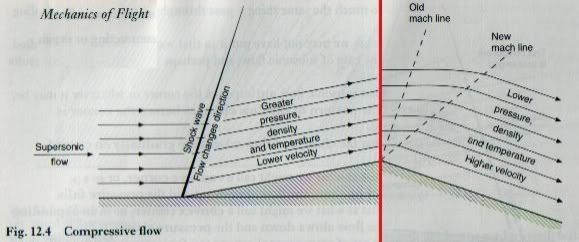
LordAssap“Now how effectively it is used on the EF/Rafale at low supersonic-mach 2 speeds to me is uncertain, but the idea the intakes compressing all the air and the mass flow rate is limited to the intake structure is not necessarily true”.
Rafale make FULL use of compressive and expensive shockwaves around the fuselage and this includes the intakes, there is NO build-up of pressure under the fuselage in the case of Rafale, only in the area covered by the diffusers which is normal considering the boundary layer and the compression zone there.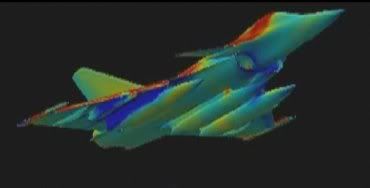
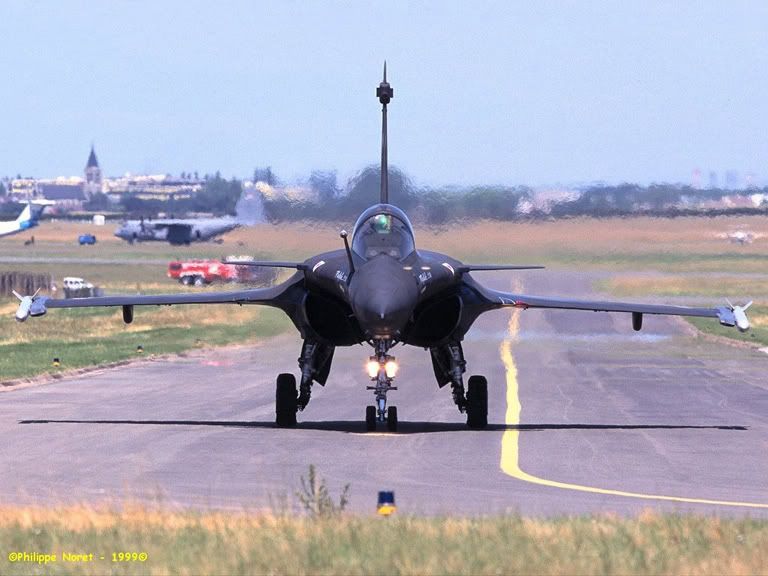
typhoon1 “but not mainly for supersonic compression”
EXPECIALY for supersonic compression, the engine compressor needs to hit a SUBSONIC airflow so anything supersonic have to be slowed down by mean of creating shocks.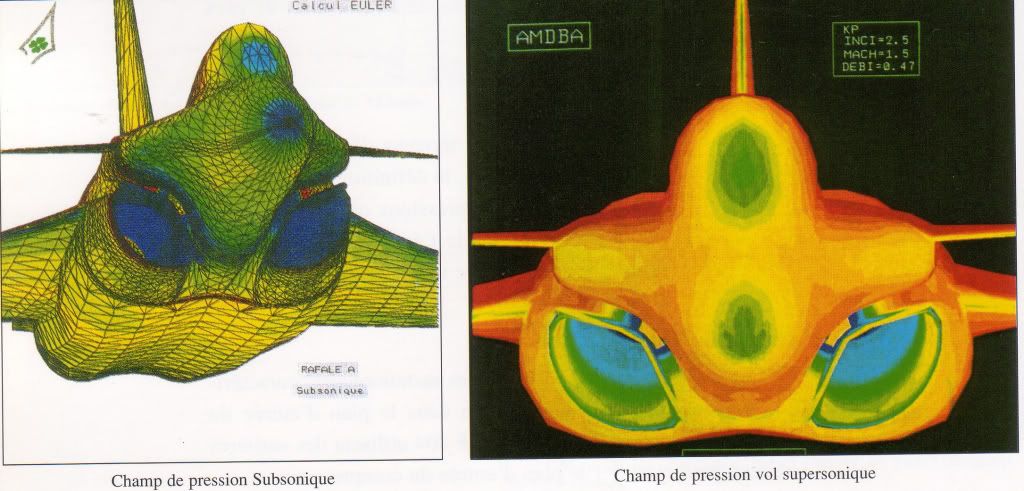
For the rest the laws of compression and expension applies:
Compressed airflow =
Increased temperature and pressure, reduced velocity, compute the opposite for expension waves.
Blue areas tells you where high pressure are, note for those who actualy didn’t get it yet, Rafale fuselage generates a lot more lift than most other aircrafts, the RED area being low pressure -> = LIFT…
KKM57P
There is NOTHING closer to Rafale wings that that of the F-22, LEX included.
The only visible differences are profile (Supercritical DRYDEN/NACA on F-22), trailing edge and crancked tips, for the rest geometry is almost the SAME and F-22 wing also generates VORTEX LIFT as does all deltas…
@torpedo
Can you make more irrelevant post?
Scorpion attacks the credibility of those who know more than he does because he cant make up any form of technical points…
Get real. Nice picture though….
LordAssapLordAssap I really want to answer to you, but as you can see my computer cannot “READ” your posts. Seem to be VLO ones.:p:p:p:p:p:p:p:p:p:p:p:p
First you DID answer, second, i adress myself to intelligent and educated posters.:cool:
This means a few boys over here are out of my must list.
Bye. Dont forget to write.
LordAssapThe problem is that it was never completed.The rafale still has a quite large RCS, as proved by the DACT in which it gets involved into.
IMHO the French kicked a fine opportunity to build an actual 5th generation fighter that can counter the F-35, in sales and in combat.
Well, actualy reality strikes again in the form of program requierements and budget and you’re wrong, it WAS completed according to requierements, even compared to the C01.
NO way Rafale could have been designed as a true 5th gen aircraft, the technology wasn’t mature according to Dassault themself before 1993 (nEUROn from Petit and Grand Ducs programs) and then again it takes nEUROn and its operational version plus the following program in replacement of the Tornados and Mirage 2000 to get there.
FOAS and the rest were developement programs not actual technology-ready programs.
Rafale is what could be best as a design and technologies used at the time and i personaly am quiet amazed at the deph of the thought which have been put into it… Question of taste i presume.
#836 6th November 2008, 13:13
typhoon1
Makes you wonder what would have been had Dassault kept in the yet to be EF programme. Money and technology wise. Ahwell
Quiet OBVIOUS isn’t it?
Typhoon would have been a FAR better design….
AND if youy want to compare Rafale to anything else in terms of shapes, try F-23, the way the wings and fuselage blend together is actualy speaking for itself. IR reduction doens’t have to be squared faced quiet the opposite considering that every NEW UCAV design isn’t….
And Petit Duc/nEUROn uses the SAME shape too.
arthuro: -The wings were redisigned after the rafale A (picture 3) for RCS reduction reasons :the junction with the fuselage is smoother. The pictures 2 and 3 are pretty straight forward. (a feature you can find on UCAV for instance)
R according to program managers own stories, redesign was firstly aerodynamicaly motivated BUT also reduced RCS, SAME for the larger blending area from the Mirage III to the 2000.
Karman wing/fuselage junctions are doing this since end of WWI, radar was only operational a war later…
There was a special issue of A&C which detailed the modification between the demonstretor and regular rafales. They mention this modification we are talking about for stealth reasons. That was my point, and I was thinking about that document to expalin the RCS reduction measures to show that theese measures were implemented early in the design stage.
Same here which stage and which design? ACX? Rafale A? Rafale C01?
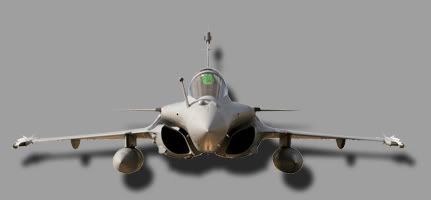
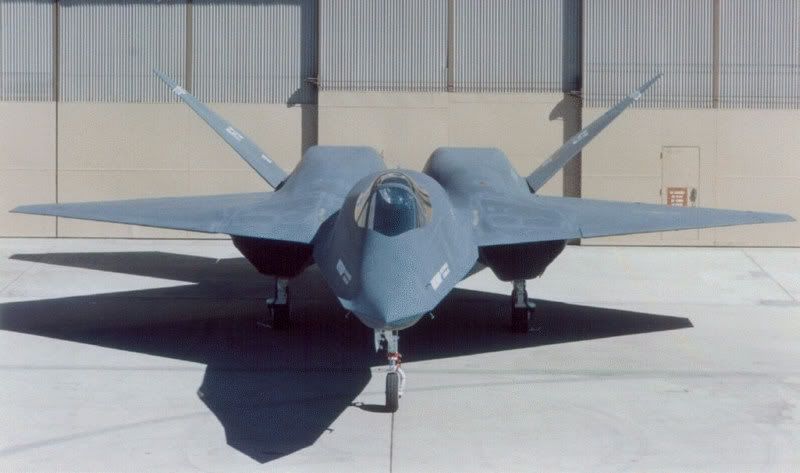
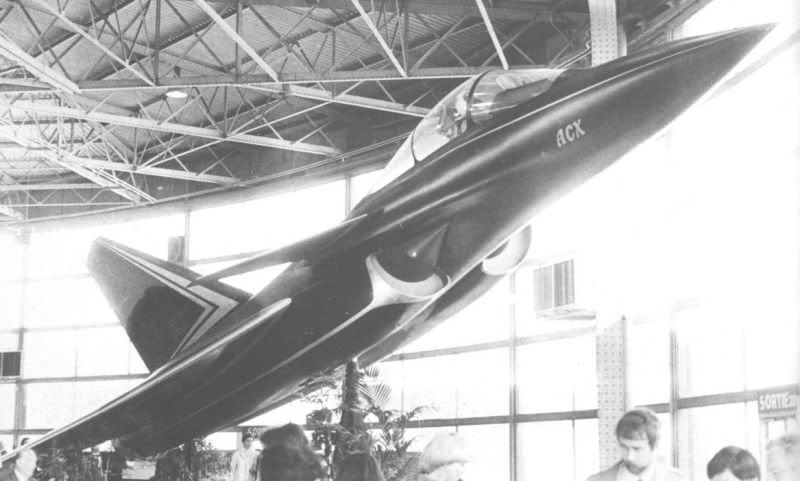
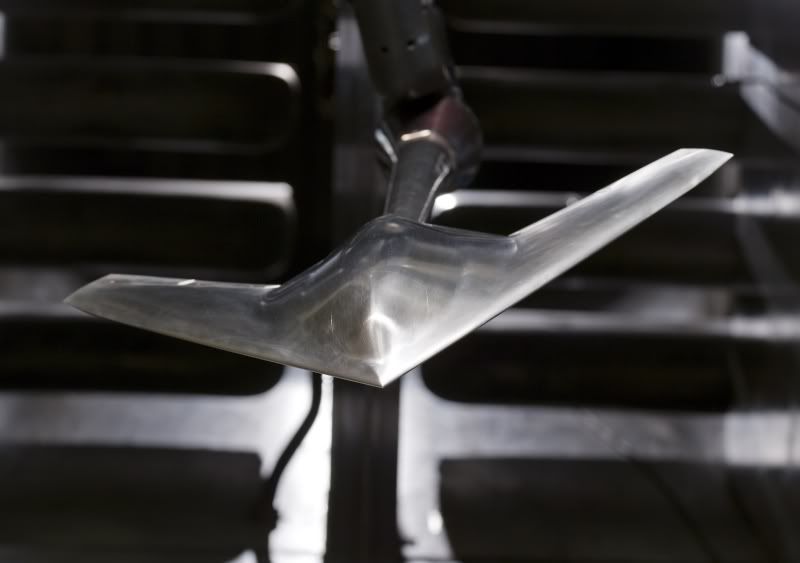
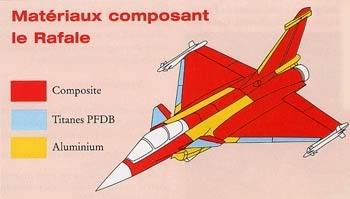
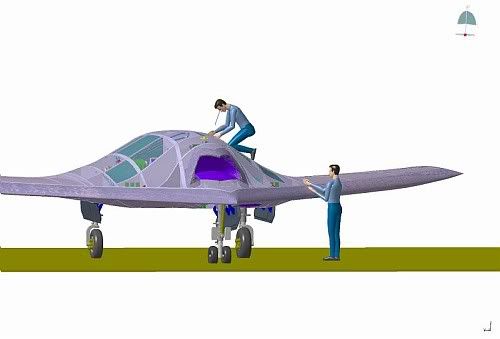
LordAssapThe shape of the fuselage is not V, or at least not a stealth oriented V.
It was designated by the placement of the intakes-canards.If stealth was intended then the rafale should have a fuselage shape close to this:
Sure! I believe you, LOL!.:D
over G
–-since the f-117 was unveiled some guys are willing to see things that does not exist…same goes with the EF-
The will of some to “SEE” is only related to ignorance and unwillingness to do their home work.
Please read this document form GIE-PDF_Fox_3 No 4.
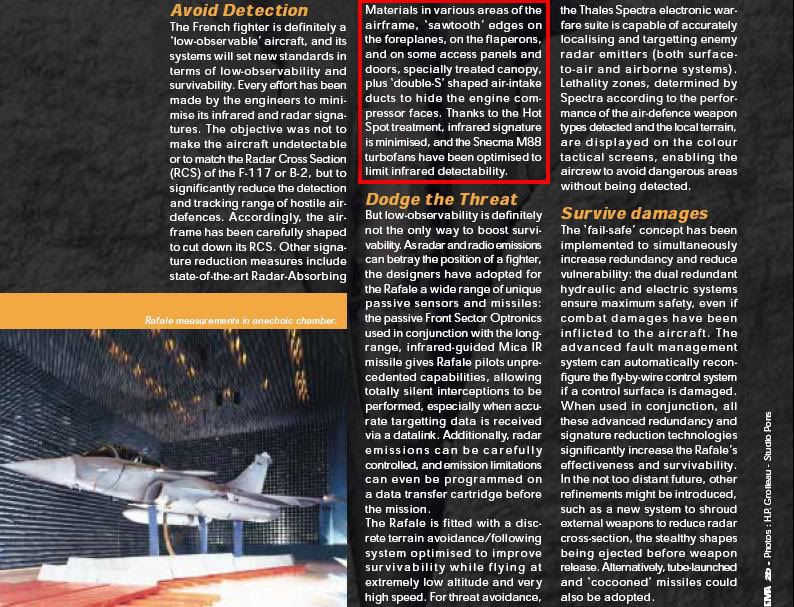
Such material is also used in the air intakes.
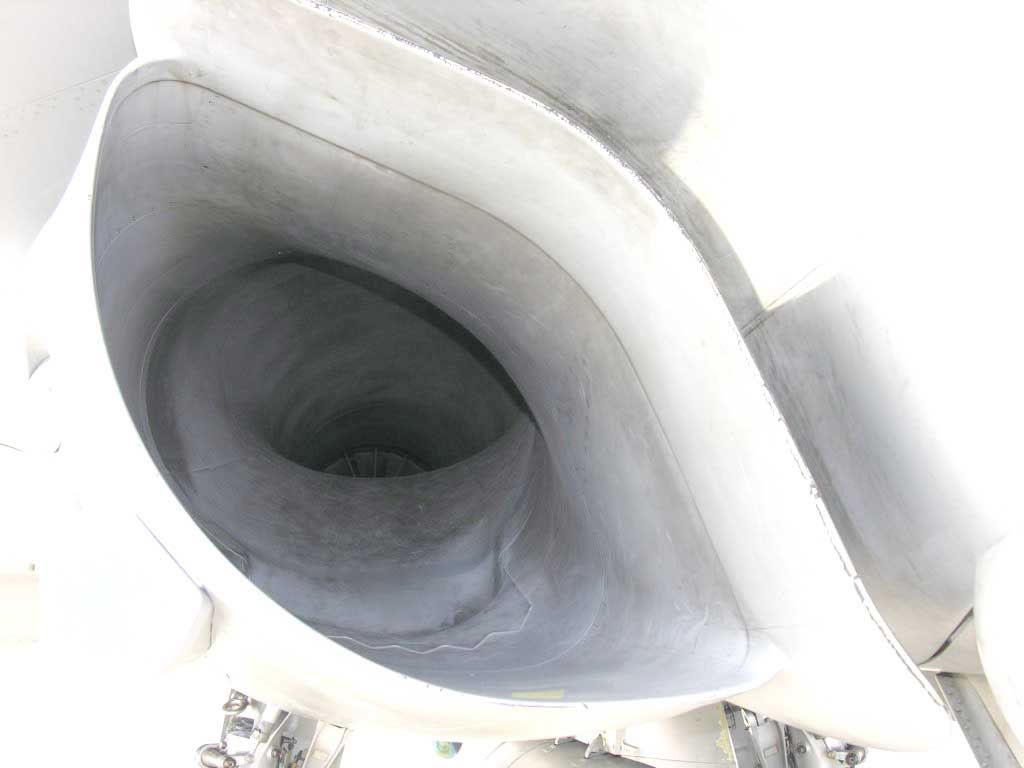
According to SNECMA, the M 88 was also designed with L.O in mind.
Unrestricted operation throughout the flight envelope has been demonstrated, as has “extremely fast throttle response, low observability and multimission flexibility”.
DATE:09/06/99
SOURCE:Flight International
Snecma M88
http://www.flightglobal.com/articles/1999/06/09/51979/snecma-m88.html


 Sign In







