G-APSA in Bride Flight
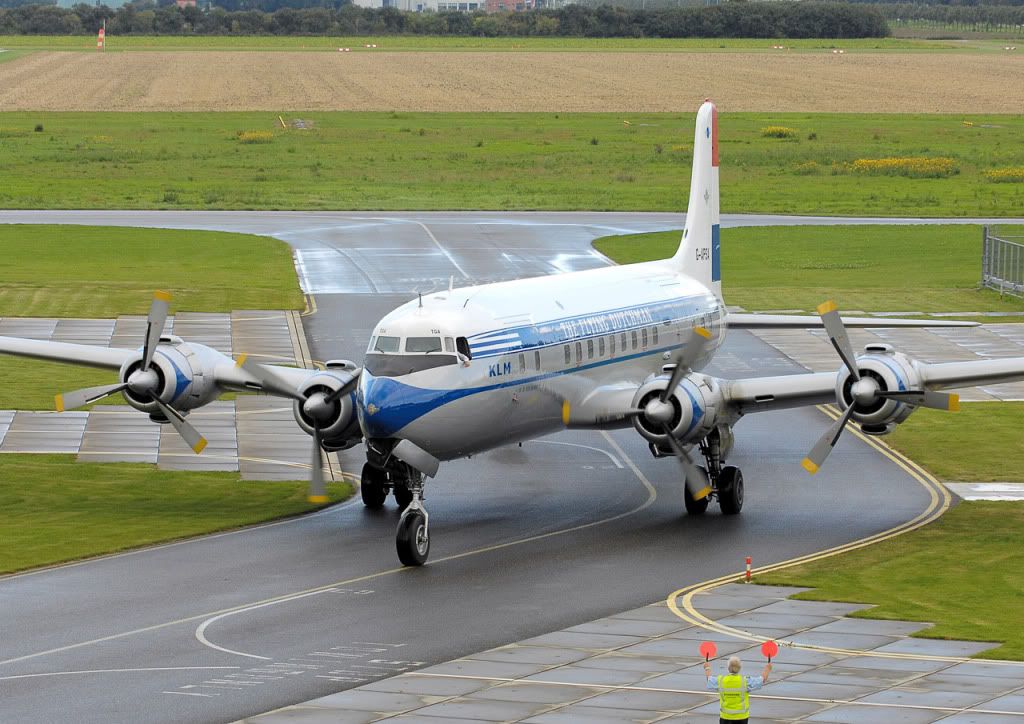
DC-6A G-APSA in KLM disguise for the Dutch movie Bride Flight, which begins with the participation of KLM’s PH-TGA Dr. Ir. Damme in the London – Christchurch air race in 1953.

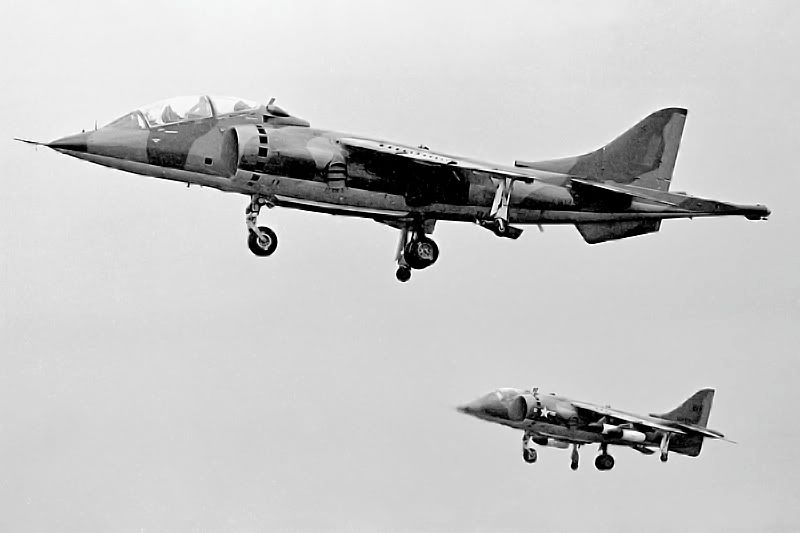
Farnborough, September 1970

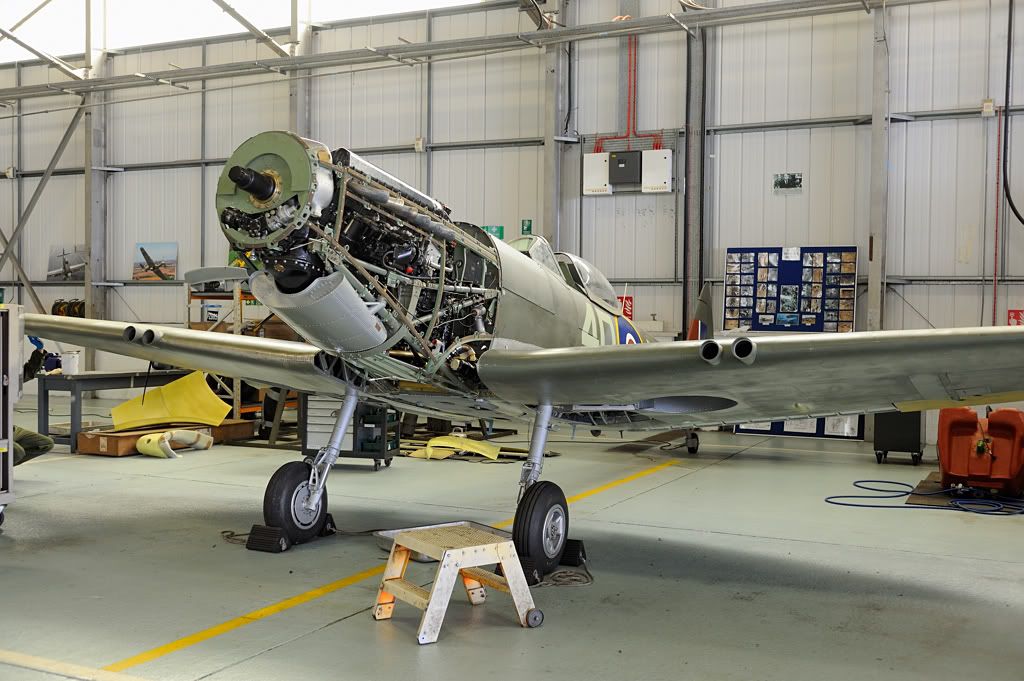
A picture of this bird, which I took when visiting the BBMF on 2 September this year. In my view the superb craftsmanship gone into this restoration was already clearly visible.

I looked at the settings and he had the quality set to medium.
I always shoot in RAW with my Nikons (D2x originally; D300 and D700 nowadays); which provides you with just one quality level: the best possible!!
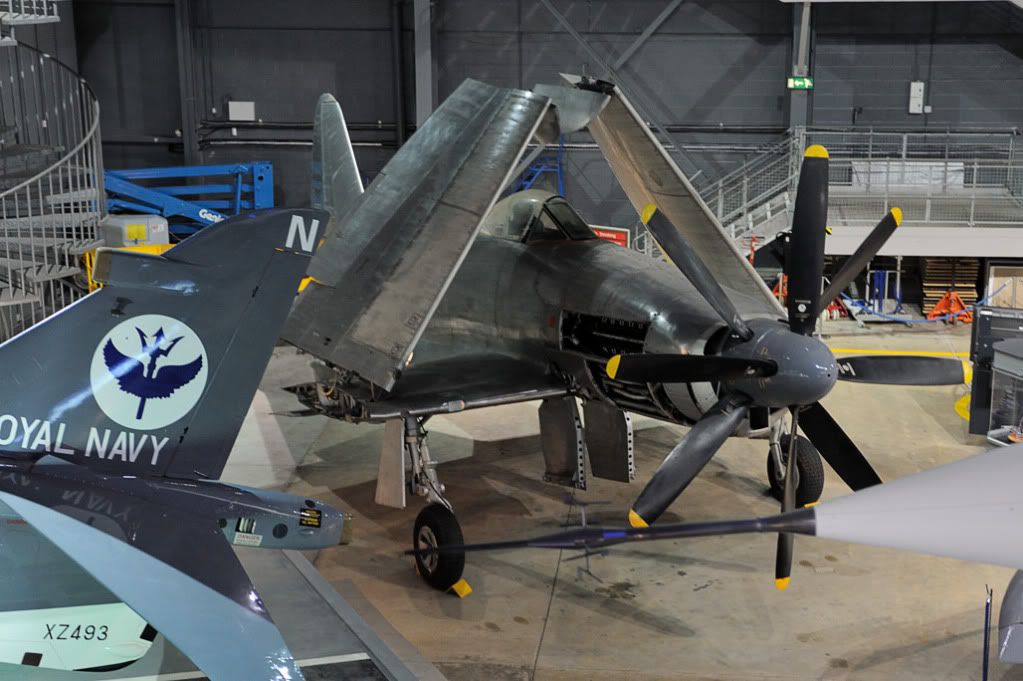
A recent shot of the Wyvern in the Fleet Air Arm Museum.

I find the autofocus behavior of my Nikon’s (used to be F4s, F100, D2x and nowadays D300 and D700) to be quite reliable. However it is crucial that the camera is setup correctly to get the best results. Depending on your (Nikon) camera model this involves the selection of modes like: AF-S or AF-C, focus priority (focus and/or release), single area focus or dynamic AF area (9, 21 or even 51 points), focus tracking with lock-on and selection of focus activation (shutter button or AF-ON button).
Depending on the camera model, you may not have all the options mentioned above, but it is important that you understand the options your camera offers. A lot of practice helps too……….
Example with D300 and AFS 4/300mm, with TC14 extender.

It seems to be movement blur. The shutter-speed was rather low (1/320) and the rear aircraft’s relative speed to the camera was lower that that of the front aircraft. With low shutter-speeds (to avoid frozen propellors) accurate panning is vital. In this example the panning seems to have been adequate for the Demon, but not quite for the Hind.
Lack of depth-of-field is indeed another plausible explanation. Although focus points seem to have covered both aircraft, the lens can only focus on one distance. The main focus should have been on the Hind and not on the Demon. The relatively short focal length used (115 mm), combined with the distances of each of the aircraft, could have made it impossible to provide sufficient focus on both a/c.
Any suggestions on free servers that I could upload to would be most welcome !
Hi Ashley,
Nice pictures! I can recommend Photobucket as a very good free server. http://photobucket.com/
That Hawker Hunter in RNLAF livery is really a delightful sight! It reminds me of my schooldays on final runway 05 of Ypenburg Airbase in the late fifties and early sixties .
Its the HFL/ARCo two seater that was in Dutch markings
For some reason I much preferred the Dutch livery…..:D:D
They even have 4 S.11’s; see http://www.skhv.nl/vliegtuigen/s11.html
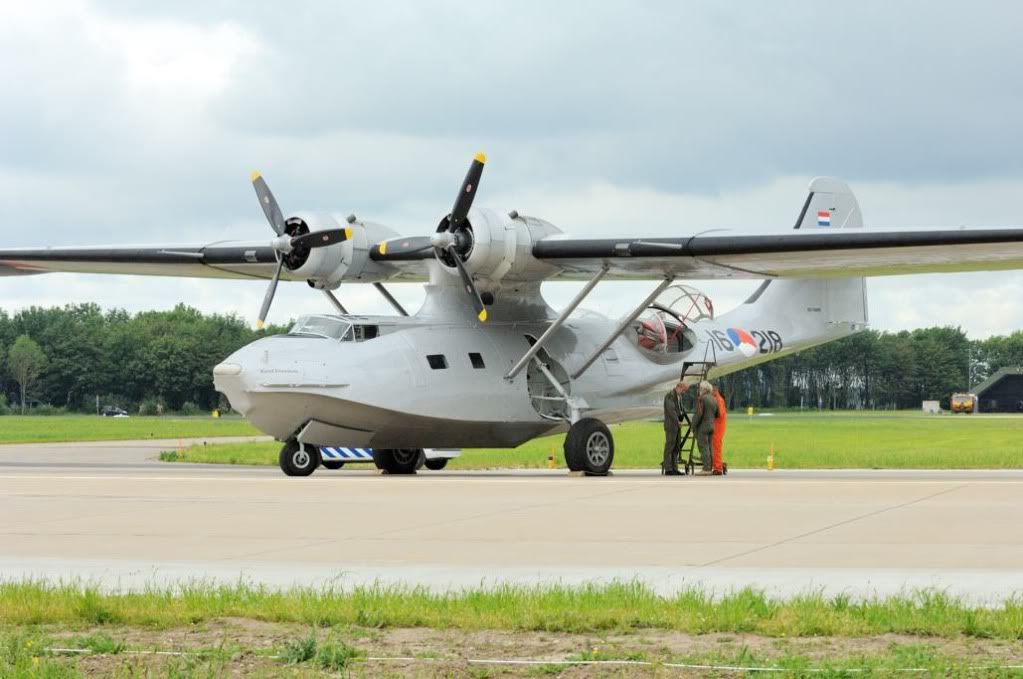
Although there’s no formal Royal Navy Historical Flight in the Netherlands, the oldest airworthy PBY-5A Catalina is operated in the Netherlands in Royal Navy livery.

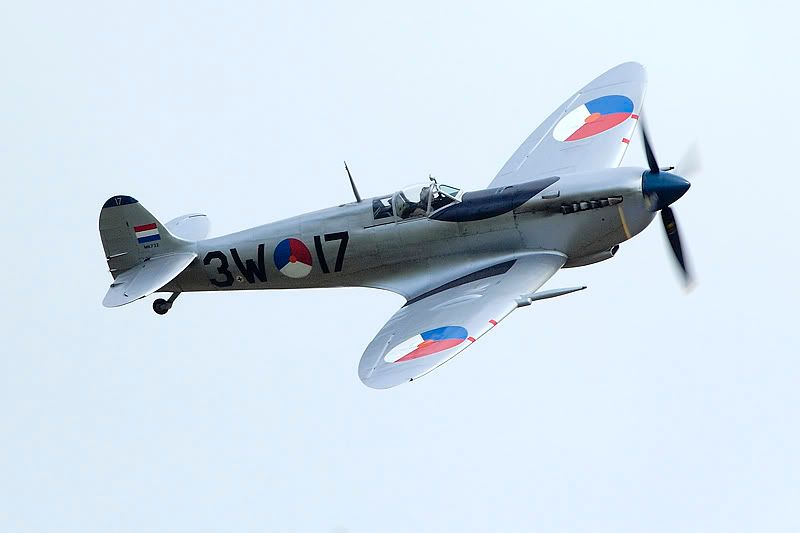
Very nice to see the Spitfire almost back in action again. Hopefully we’ll see her flying again very soon.
A picture from 2007 with my former colleague Robert van Diemen at the controls.
A few pics, which I took at Leeuwarden AFB in 2006.


I have my reasons to use the fisheye lens. With my 18mm I only could take some nose-shots. So it was a wel ballanced choice to use the fisheye…
About the lightconditions: I agree!
thanks for the comments so far 😉
I can understand that Giel, without a super wide angle lens it can be really difficult to make the shots you want in Hendon (and in most other museums too). My favorite lens for aviation museums is the Nikkor 14-24mm on Nikon D300 and D700 bodies. Especially the combination with the full frame D700 is a winner; very clean high ISO’s too! 🙂
The Blenheim is really looking good.
Cees
It does, doesn’t it? However somehow I do miss that Mk4 nose; made it look more impressive.