Nice set of pictures, although I’m not a big fan of overenthusiastic use of the Nikkor 10.5mmDX fisheye. In my opinion a well balanced mix of “straight'” pictures, combined with a few with a more unusual perspective would work better.
The last time I’ve visited Hendon (November 2009), I was rather disappointed by the extremely dark BoB hall. It used to be much brighter when I visited the same hall for the first time in the mid seventies. Also in other museums there seems to be a trend towards dark “moody” displays. I rather prefer good light which brings out the outlines, colors and details of the exhibits.
Most digital compact camera’s still suffer from some shutter lag, although improvements have been made over the years. However with DSLR’s (digital single lens reflex camera’s) shutter lag is virtually absent. My advice: get a DSLR of one of the main brands (Nikon, Canon, Sony, etc.).
The Last Survivor……
The last survivor at RAF Cosford.

You can process in Adobe Camera Raw which comes with PS Elements. It depends on your camera which version of Camera Raw (ACR) you require. The latest version of ACR is 5.6, for which you require PSE 8 or CS4. Older versions of PSE are limited to older versions of ACR as well.
For all versions of ACR see:
– Windows: http://www.adobe.com/support/downloads/product.jsp?product=106&platform=Windows
– Macintosh: http://www.adobe.com/support/downloads/product.jsp?product=106&platform=Macintosh
Alternatively (my personal preference for Nikon RAW files: Nikon Capture NX2) you could use the software which is recommended by your camera maker. The advantage is that all camera settings will be processed correctly, which is not the case with universal RAW developers as ACR and Lightroom. With such software only settings like exposure and white balance are processed, but not any specific picture modes such as landscape, portrait and monochrome settings.
the best value camera for shooting with at airshow is the long lens
A “long lens” without a proper camera body is a pretty useless piece of equipment for airshows and anything else…… 😀
Very familiar views for me, as I’ve been a TWR and Approach controller at Schiphol for well over 30 years.:)
Unless you require photo’s for immediate use, it makes no sense to shoot JPEG’s. RAW gives you maximum postprocessing flexiblity (e.g. White Balance correction) and is capable of delivering the highest quality possible.
If so required you can very easily make JPEG’s out of your RAW-files by using the conversion option in your RAW processing software. Personally I never ever make JPEG’s with my camera’s but shoot RAW exclusively. Why would you deny yourself the maximum in flexibilty?
Very nice pictures indeed! I especially like that moody Spitfire, although the prop is a little too frozen. Fine results from the Nikon D700. Mine is on its way to complement the D300.
Have fun!!:):) Don’t forget to wave at my former colleagues in the control tower.
I’ve done quite some air-to-ground photography in the past. My best results were obtained in flying in a high-wing aircraft like a Cessna 172, which also has the advantage that a window can be opened (but don’t drop your camera!). The weather conditions are very important. A very clear and sunny day is necessary for best results and also be aware of the position of the sun. Shooting against the light will diminish contrast. I would also advise to put the exposure on manual. A typical exposure for air-to-ground shots in good (sunny) conditions would be 1/500sec at f/8 at 100 ISO. Don’t use shutterspeeds longer than 1/500 to avoid unsharpness because of airframe vibrations.
A few older examples (on film):


However, be advised that in the Netherlands it is illegal to make air-to-ground photographs from aircraft except airliners, unless a special permit has been obtained. It seems to be ridiculous in this time and age, but an old law (1959) is still in force. See http://wetten.overheid.nl/BWBR0002327/geldigheidsdatum_14-04-2009 (in Dutch).
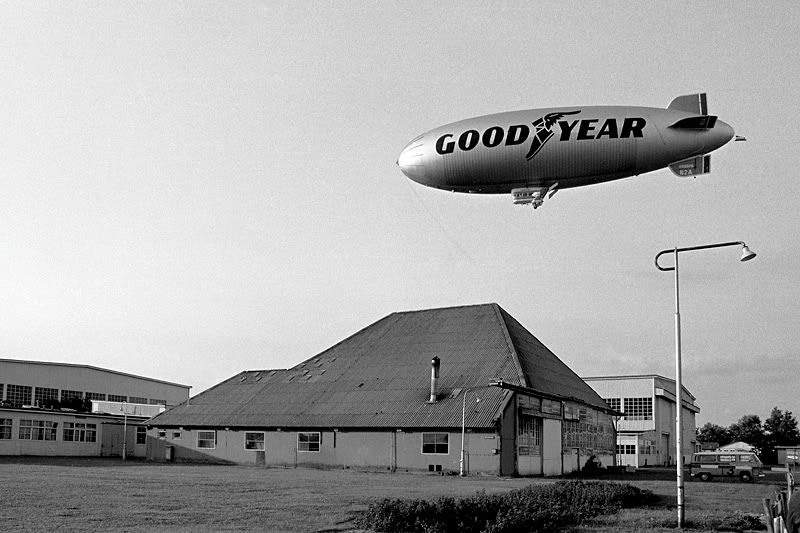
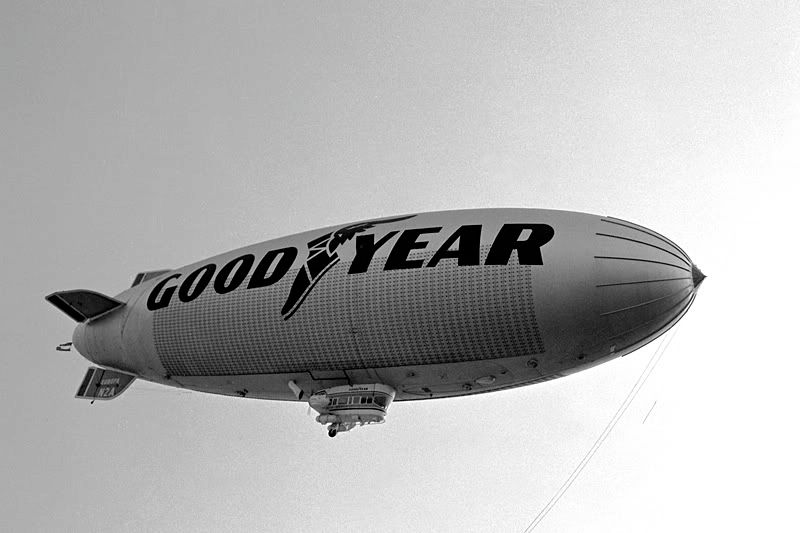
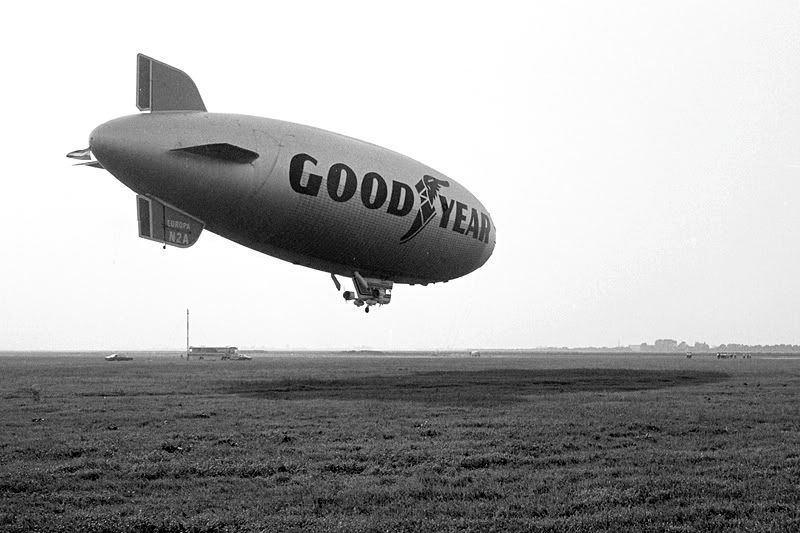
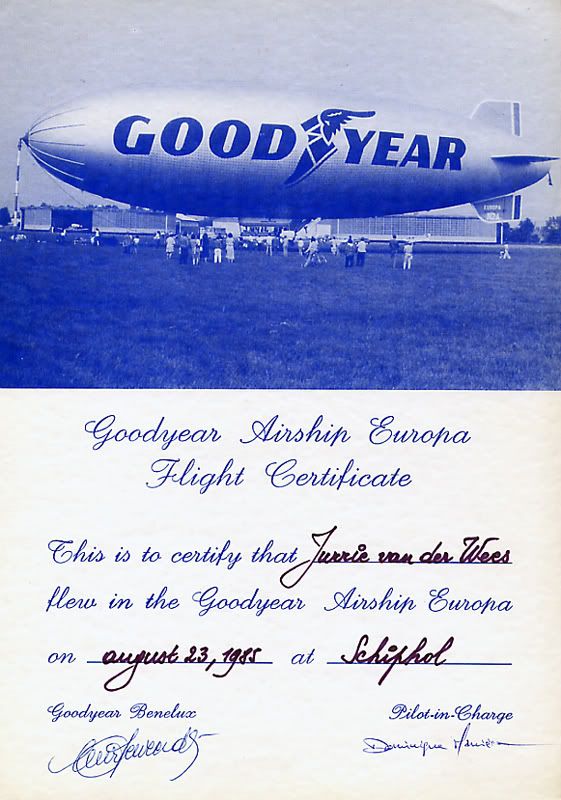
Between 1973 and 1985 I was lucky enough to fly 3 flights (3 hrs in total) on board the Goodyear Airship. The airship was usually stationed at Schiphol Airport for the yearly F1 Grand Prix at Zandvoort. Attached are a few pictures which were probably taken in 1973 and a certificate of my last flight in this airship in 1985.


Beautiful pics! Old B&W photo’s have so much character.
My advice would be to go for the best glass possible within your reach. For the D60 the 70-300mm f/4.5-5.6G AF-S VR Zoom-NIKKOR could be recommended. Stear clear of the so-called superzooms (e.g. 18-250mm), since they are very much a compromise and don’t usually deliver optimum quality in the tele-end of the range. Only consider the use of teleconverters with top quality lenses like the Nikkors AFS f/2.8/70-200VR or AFS f4/300mm and even then limit yourself to a 1.4 or 1.7 extender to retain good quality in your pictures.
There are some wonderful images in this thread but these four have really caught my eye. Would you mind telling me what they were taken using? What kind of film, were they scanned from prints, etc? There’s so much character in them it’s untrue!
Paul
Hi Paul,
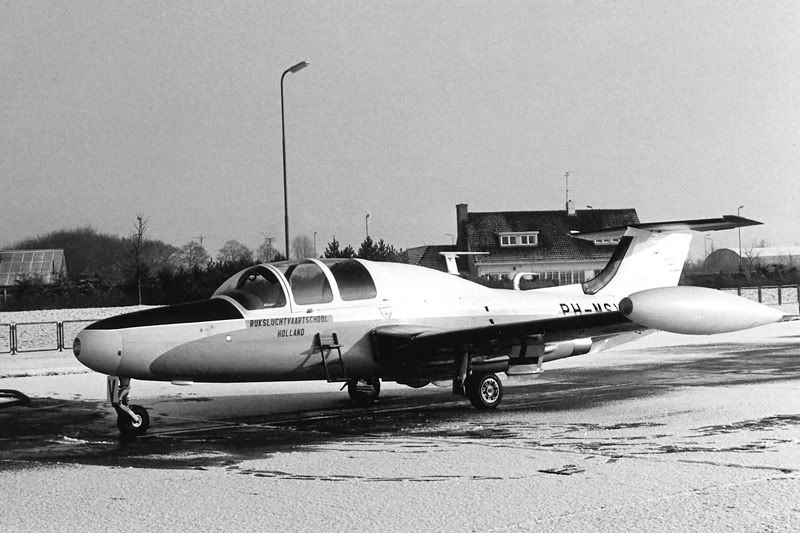
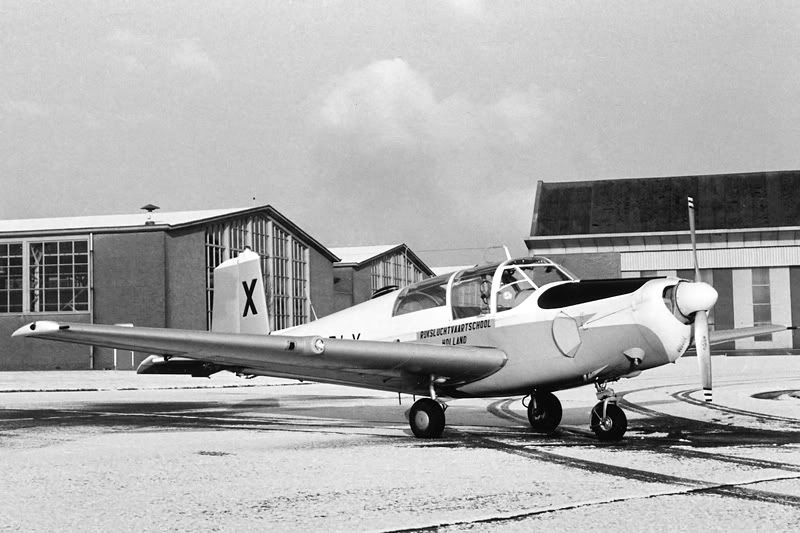
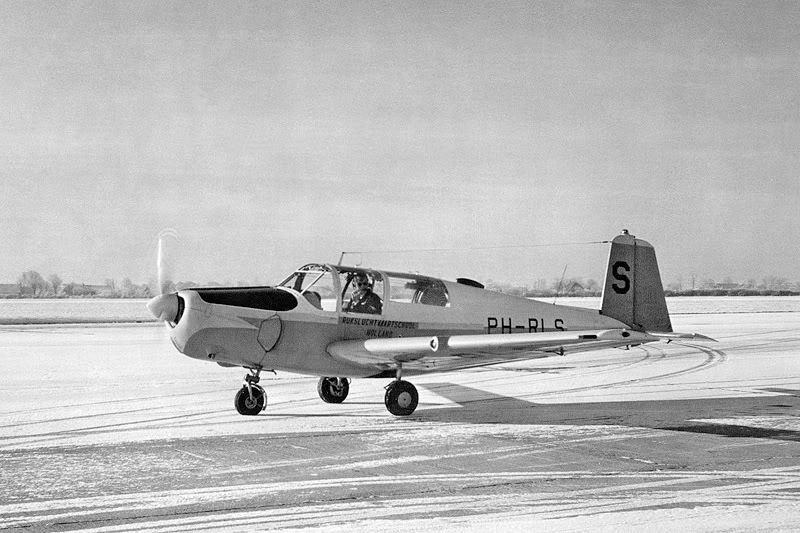
Thank you very much for your kind remarks. The first three pictures (Rijksluchtvaartschool) were taken with my first camera, a very simple Zeiss Ikon Colora (see Picture), on Ilford FP3 film. I don’t have the negatives anymore, so these were scanned from small prints.
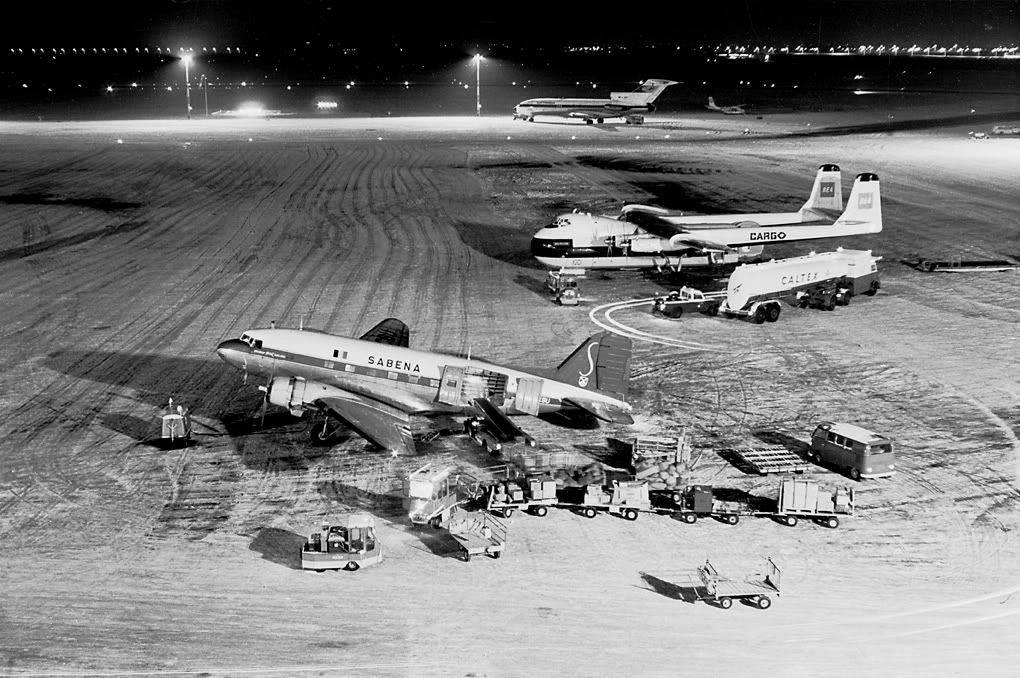
As I wasn’t very happy with the Zeiss camera (shortest shutterspeed 1/125 sec), I traded this camera in for a Werra I with a Jena 2.8/50mm lens and fastest shutterspeed 1/750sec. It was with this camera and FP3 film again that I shot the night picture (around 3 o’clock at night)) from the roof of the Tower-building at the original Schiphol site. Scanned from the original negative.
Kind regards,

A few from my early days in ATC training at Eelde/Groningen Airport and Schiphol in 1965 and 1966.