black eagleblack eagle
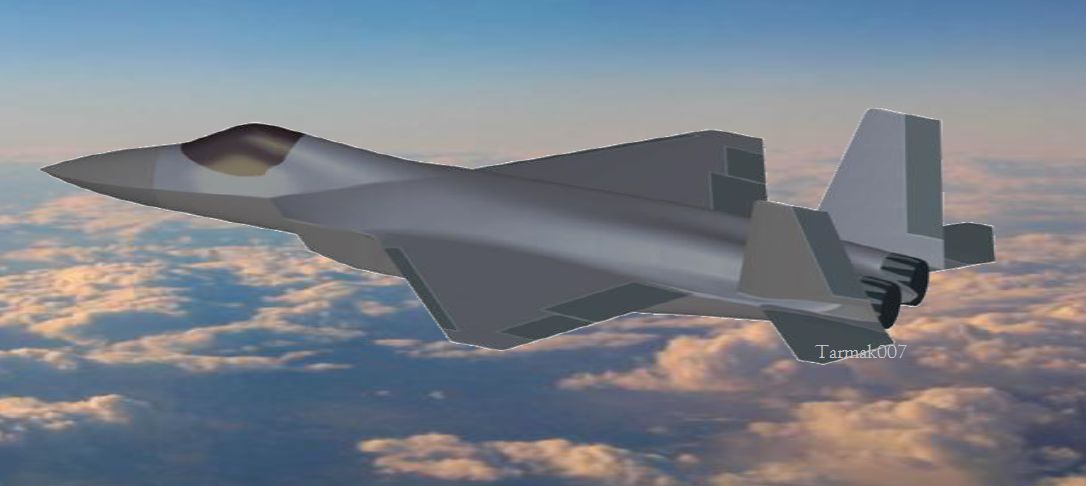
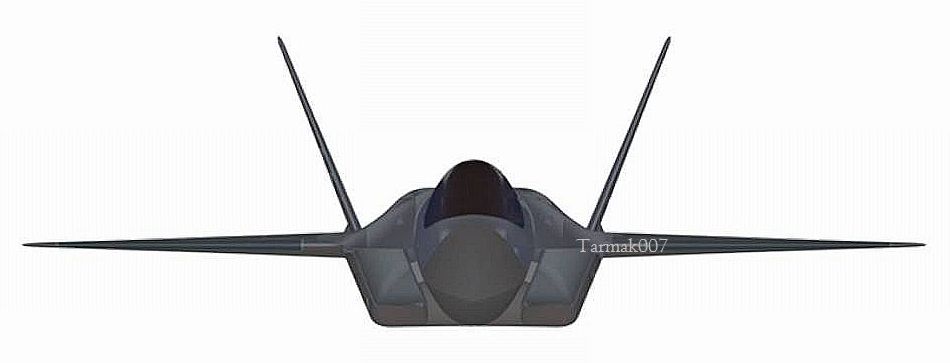
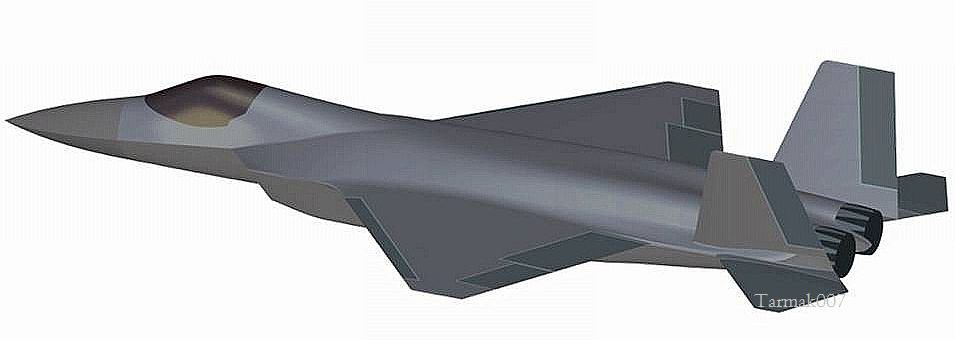
T-50 / PAK-FA: one year anniversary of the first flight and new documentary
http://rutube.ru/tracks/4001286.html?v=161f9887a5800237c7f75533d4e7b903&autoStart=true&bmstart=1000
Some assertions from the documentary:
– Work on “second stage” engine(featured with a increased thrust, stealthy nozzles etc.) for PAK-FA should be started in 2011 with consolidation of whole Russia’s engine manufacturing industry
– PAK-FA maneuverability capabilities should be significantly better compared to 4th generation fighter jets
– Self-diagnose systems in most critical parts and components of an aircraft
– A widely usage of advanced composite materials. PAK-FA’s airframe has four times less parts compared to Su-27(T-10) series aircraft
– VVS (air force) is planning to finish preliminary fighter jet by 2012 and general trials by 2015
– More than 50 aircraft are planned for the first PAK-FA procurement party
– Russia’s Ministry of Defense put higher requirements on PAK-FA program than Americans had put into their 5th-generation fighter jet program (more likely they refered to F-22 program)
– Second flying prototype was built in the end of 2010, then also two prototypes should be build in 2011
– First flying prototype is equipped with a most of 5th generation navigation an indication systems that were developed for PAK-FA program
– Third and fourth aircraft should be equipped with a full electronics package required by Ministry of Defense (it could be interpreted as radars, weapon systems, IRST, ECM…)
– One PAK-FA should be approximately equal in combat to three 4++ generation fighter jets
– Stealth capability was a primary requirement in design and research(airframe, materials etc.). But these 16 test flights(the number of flights up to June 2010) of the T-50-1 were nothing to do with a trials of stealth technology.
– PAK-FA would get new generation of air-air missiles (R-77 and R-73 successors more likely) that also incudes ultra-long range missile (~400 km range, the R-73 successor) in its compartments (internal bays).
black eagleDays after initial operational clearance, radar shock for India’s LCA fighter
Barely three days after India’s Light Combat Aircraft (LCA) “Tejus” received its “release to service certificate”, which means a go-ahead for air force induction, an international report claimed that Israel has barred the export of the Airborne Electronically Scanned Array (AESA) version of the EL/M-2052 radar presumably under U.S. pressure.
black eagleIndia’s MMRCA trials help Russian aerial refueling tanker bid
Our Bureau
Flight trials of the six contenders for India’s Medium Multi Role Combat Aircraft (MMRCA) tender have had an unusual side effect on the race to sell India aerial refueling aircraft. Asked to prove aerial refueling capability, the contenders, F-16, Gripen, Rafale, F/A 18, MiG-35 and Eurofighter have had no option but use the Indian Air Force (IAF)’s existing tanker, the Il-86 mid-air refueler to prove that their aircraft is capable of meeting IAF’s requirements as regarding aerial refuelling.
black eagleIndigenous AWACS to roll out in February
It’ll be another eye-in-the-sky for the Indian Air Force
BY Ritu Sharma
Delhi
The indigenous airborne early warning and control system (AWACS), integrated on board a Brazilian aircraft, which will give the Indian Air Force (IAF) a capability beyond conventional ground-based radars and tethered electromagnetic radars, will roll out next month.
The system, being developed by Bangalore-based Centre for Airborne Systems — a laboratory under the Defence Research and Development Organisation — would give the IAF the capability to “see” beyond enemy lines and detect incoming, airborne threats.
A senior defence official said: “The AWACS has been integrated with the Brazilian aircraft Embraer according to IAF’s specifications. The first indigenous system would roll out in February and the flight trials would begin by this year-end.”
India and Brazil had inked a deal in 2008 under which aircraft manufacturer Embraer had to modify its EMB145 aircraft to carry an active array antenna unit on its fuselage. Termed to be “very cost-effective” and “probably the cheapest in the world,” the system is expected to be a potent force-multiplier for the IAF.
The home-grown AWACS, beyond its ability to detect aircraft, cruise missiles and other flying objects at ranges far greater than what is possible through existing systems, can also collate surface information about troop movements and missile launches even while “listening in” to highly confidential communications between the enemy’s front line units.
When inducted in the IAF, it would supplement the fleet of three AWACS purchased from Israel. The current AWACS operational in the IAF is a Phalcon airborne radar integrated with the Russian IL-76 heavy-lift aircraft.
India is in a select club of nations — along with the US, Russia, Britain, Japan, Australia and Turkey — that operate such a sophisticated system. Other countries — notably Pakistan, Brazil and Greece — too operate AWACS but at a much lower end of the scale in terms of capability.
http://www.tehelka.com/story_main48.asp?filename=Ws110111DEFENCE.asp
black eagleretractable refueling probe will be only be added to Tejas Mk-2 , Tejas Mk-1 will get Refueling probe very similar to older Jaguars which is non-Retractable , 2012 is the period Tejas Mk-1 will have them while Tejas Mk-2 will have them from first aircraft in 2014-15.
I think Indian jaguars have retractable refueling probes….
black eagleWas it a Russian or localy assembled cryogenic engine?
russian… but the accident didn’t happen because of that…
black eagleIndia’s Aerostat ‘AKASHDEEP’ Ready….
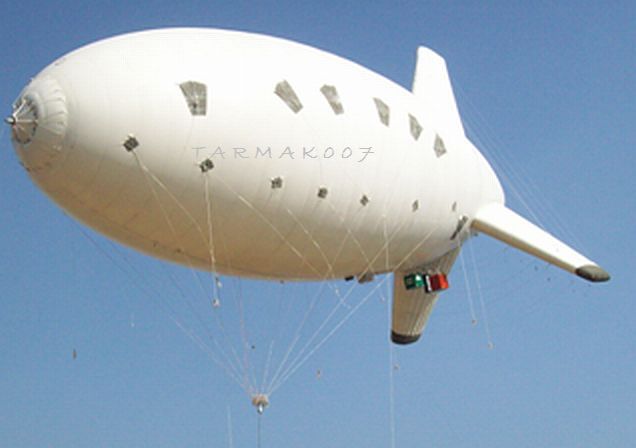
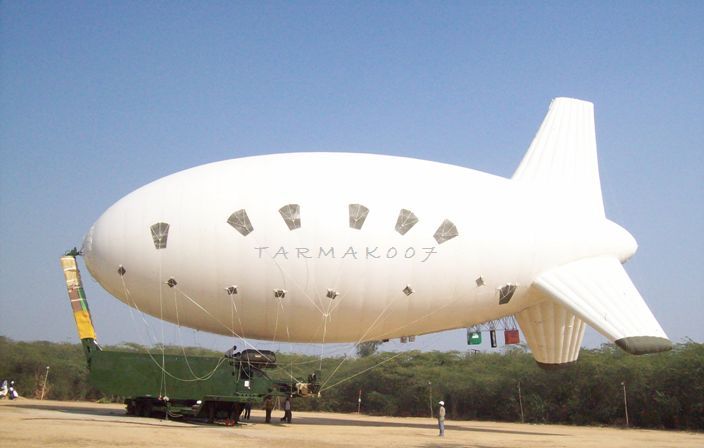
http://tarmak007.blogspot.com/2010/12/indias-akashdeep-is-ready-drdos-agra.html
black eagleBREAKING NEWS: India’s GSLV launch fails.. Vehicle explodes mid-air during the first stage of flight..
black eagleCOLUMN: An IAF View Of The FGFA Partnership
The following column, exclusive to Livefist, is by a senior IAF officer, who for obvious reasons, cannot be named. I sought his views on the FGFA agreement and have with a measure of effort persuaded him to give Livefist his views on the programme in his own words. The following piece is the result. The views here are his own, and written in his capacity as an officer of the Indian Air Force. As a matter of detail, he has permitted me to mention here that he is a fighter pilot who has been involved in two major Indo-Russian aircraft programmes in the 1990s. He has also permitted me to proofread his piece but only for purposes of clarity and continuity. His piece, in full:
At the outset, it should be clear to all concerned, especially the Indian taxpayer, that this “mother of all aircraft programmes”, i.e. the agreement between India and Russia to jointly develop and manufacture an advanced fifth generation fighter aircraft (FGFA) will deliver a formidable combat platform. While all development projects have their attendant hurdles, delays and overruns, we as a nation must be sure that the end result meets all performance parameters. As of now, there is no reason to believe that there will be any undue problems in the programme.
However, it is the idea that the FGFA is a “joint design and development programme” that is troubling to many in the IAF who have dealt with all parties concerned, i.e. Hindustan Aeronautics, Sukhoi Design Bureau (SDB), UAC and ROE. Before proceeding to the ground realities, let us first understand what the FGFA is being projected to offer India over and above the material delivery of a combat platform. It is being projected as a partnership between India and Russia, where both sides will co-design, co-develop, co-engineer and co-manufacture the aircraft. The idea is also that in the course of the programme, HAL’s design inputs to the FGFA will spin-off and accrue into an indigenous capability to build next generation combat platforms using strictly in-house resources. There are several other projected benefits of the programme, but these two will suffice for the purpose of this article.
Currently, the SDB has designed three prototypes (1 flying, 2 ground testbed platforms) which are of single cockpit (i.e. T-50) configuration. The idea of the preliminary design contract signed on December 21 is that HAL will be the design partner for the twin-seat variant of the aircraft. Some facts: The fact that the Russians are now testing the single-seat T-50/PAK FA does not mean that they do not have the necessary design data to fabricate a twin-seat/trainer platform. In fact, it is just the opposite. Remember that the PAK FA programme was initiated in the late 1980s, which means the standard approach of the time was to build aircraft along with a mandatory trainer variant for conversion training as well as squadron service, as has been the standard practice with Soviet aircraft engineering. Furthermore, it is a known fact in the IAF that the SDB has, in a layperson’s terms, a blueprint to fabricate a twin-seat version of the T-50. If so, then the purported design inputs being offered from India’s side are worth pausing to think about. What are these design inputs? Are they really design inputs?
Since 2006, ever since HAL had expressed its keenness to co-implement the IAF’s custom specifications in the new platform, there has been a debate between the definition of design input and specification/modification input. Let us be clear that the T-50 prototype that is currently flying is the work of years of design engineers from one of the most skilled design bureaus of the former Soviet. This is not suggest that HAL does not have any design strengths, but merely to say that in this particular programme, the space for any inputs simply does not exist. In simple words, even if HAL is partnering in the twin-seat version, their job will involve no/negligible inputs as far as airframe is concerned. A common perception that needs to be corrected is that adding Indian avionics, BEL radar receiver, DRDO weapon systems or composite control surface elements constitutes “design input”. It does not. That falls in the realm of custom modification which is basically what IAF/HAL had undertaken with the Su-30 programme in late 1990s. However, in all fairness it must be said that the scope for composites in the airframe holds some innovative possibilities from Indian laboratories. Be that as it may, the design of the platform will not be changed.
When the preliminary design of the T-50 was frozen some years ago, the IAF provided requested inputs on platform preference. Our inputs basically fell in four categories, i.e. two-pilot configuration, custom sensors/avionics, options for turbofan engine and weapon systems. Additionally, the IAF was of the view that it would be desirable to have a lower empty weight, a parameter which would to some degree be met with composites, and for which work has already begun by SDB. While the IAF team tasked with studying the platform/programme proposal was quite satisfied with the basic design, the above four parameters were crucial for our own future operations and perspective planning. The requirements were duly endorsed at all levels and met with the concurrence of HAL engineers. As far as the IAF is concerned, HAL will not be a design partner in the FGFA programme. For IAF purposes in the project, HAL is a integration/workshare partner that will co-inspect the joint modification study and execute in conjunction with SDB/Irkut/ROE. None of these areas justify the prestigious title of “design and development partner”.
Finally, the FGFA will be a very competitive platform for IAF, and its first stealth aircraft. And India’s involvement even at this late stage in the programme is still desirable to just being a customer like in the case of all other platforms barring Su-30 (though in the last also, contribution has not helped us keep cost down). There should be no doubts about the platform itself.
But to project this as an landmark project that has created history with great dividends for India is too far fetched. HAL is our partner at the best and worst of times. And it is important to remember that the way the FGFA programme is being projected today is as much the play of the Russian side as it is for sections within the Indian defence setup. The Russians have been reliable friends for decades, but it would be imprudent to imagine that there is any element of philanthropy in their dealings with India. If communications between IAF and ROE were ever declassified (like the Wikileaks, maybe some day!), the nation would have quite a different picture of how it is to deal with the Russians. Still, that does not take away from the value of their partnership. Ultimately, the FGFA programme, in my view, is no different from most of the other so-called joint programmes we have with Russia, including the Su-30 MKI.
To conclude, a few questions which are worth considering: As a “joint D&D partner”, will HAL be able to devlop and deliver India’s next generation fighter aircraft all by itself? Is India’s involvement in the FGFA programme simply as a monetary investor?
http://livefist.blogspot.com/2010/12/column-iaf-view-of-fgfa-partnership.html
black eagleBang on target: SFC, DRDO begin Christmas & New Year celebrations with Prithvi-II double dhamaka
(The official DRDO Release issued at 11: 45 am, below.)
Two Prithvi Missiles have been successfully flight tested within one hour time from ITR, Chandipur in Orissa. The two launches took place at 08.15 hrs and 9.15 hrs respectively on 22nd December 2010. The liquid propelled twin Engine Prithvi Missile has already been inducted into service by Armed Forces. The two Missiles were taken from the production lot and were test fired by the Strategic Force Command ( SFC ) as part of the regular exercise.
The Prithvi Missiles equipped with state of art guidance system have reached the specified targets with very high degree of accuracy. All the Radars, Electro-optical tracking systems and telemetry stations along the coast have monitored all the trajectory parameters of the vehicle throughout the mission. Ship located near the target location has witnessed the final event. This is the second time two Prithvi Missiles were flight tested successfully within a gap of one hour. All the launch operations of the two missiles were carried out by the Armed Forces and guided by the Scientists of DRDO. Director, DRDL Shri P. Venugopalan, Director ITR Shri S.P. Dash. Programme Director Shri VLN Rao, Project Directors Shri DS Reddy, Shri Adalat Ali were present and overseen all the operations. Dr V.K. Saraswat, Scientific Advisor to Raksha Mantri congratulated all the Scientists and Armed Forces for the successful flight tests. Defence Minister A.K. Antony has also congratulated all the Scientists and Armed Forces for the grand success.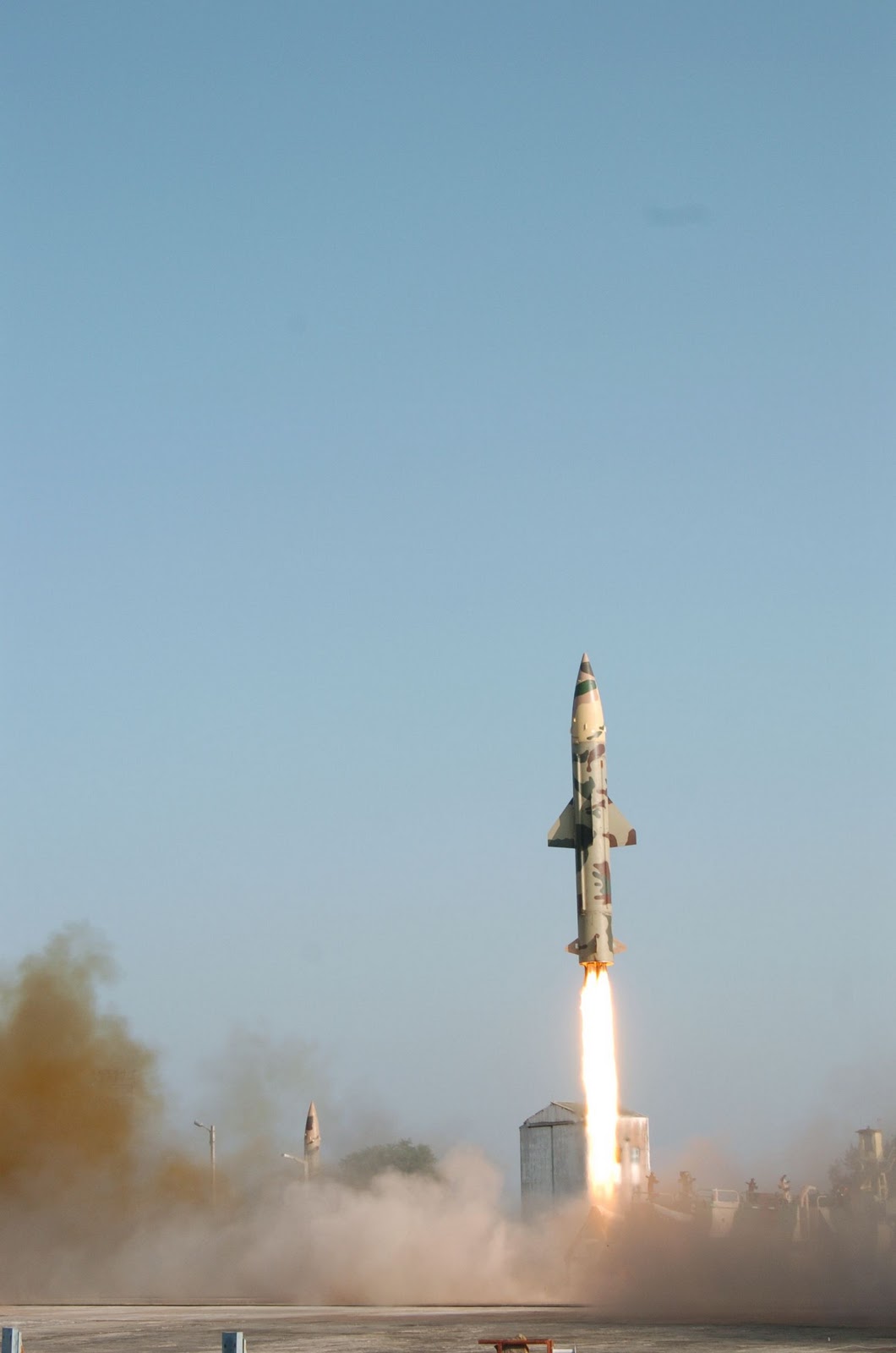
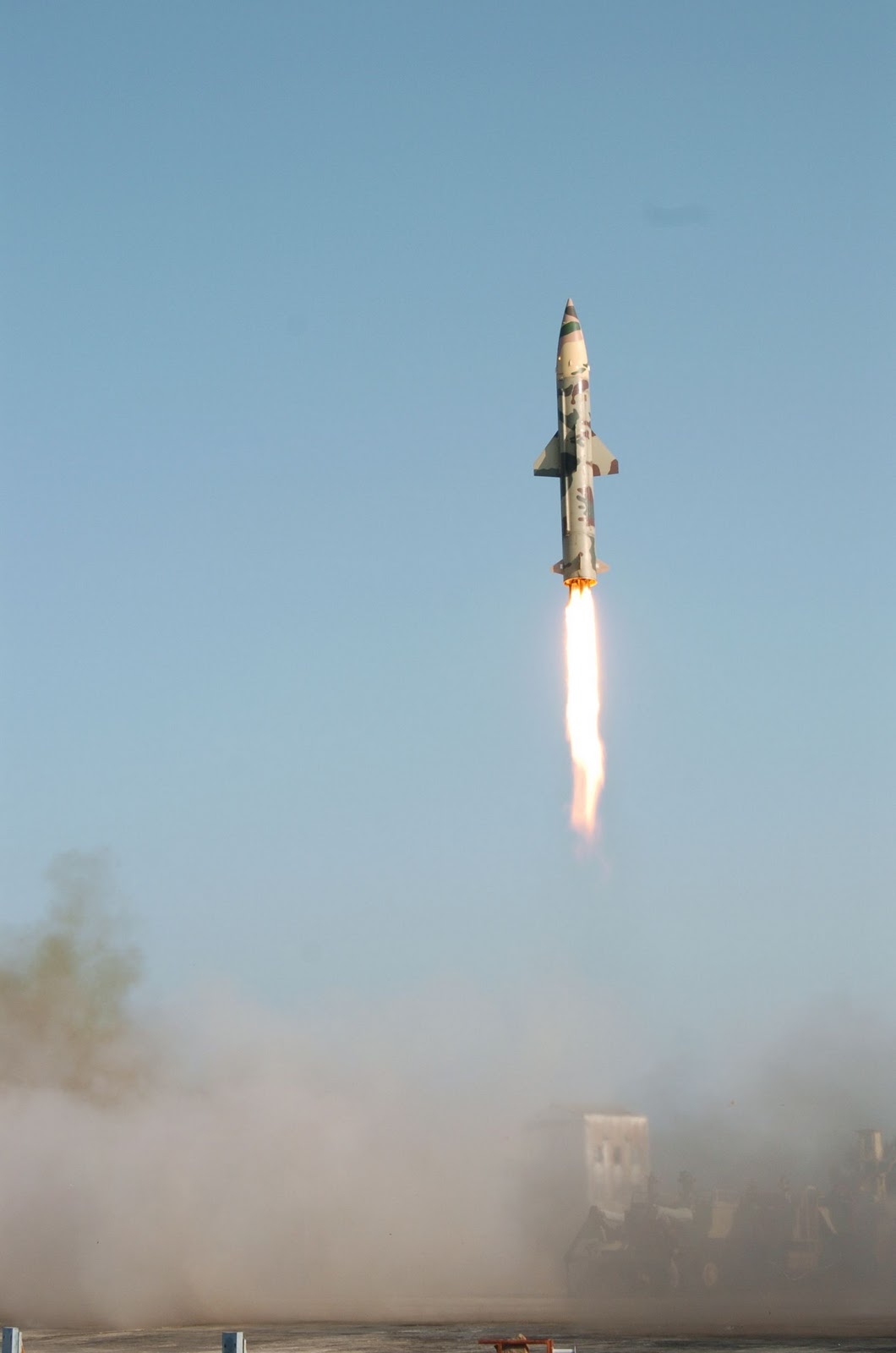
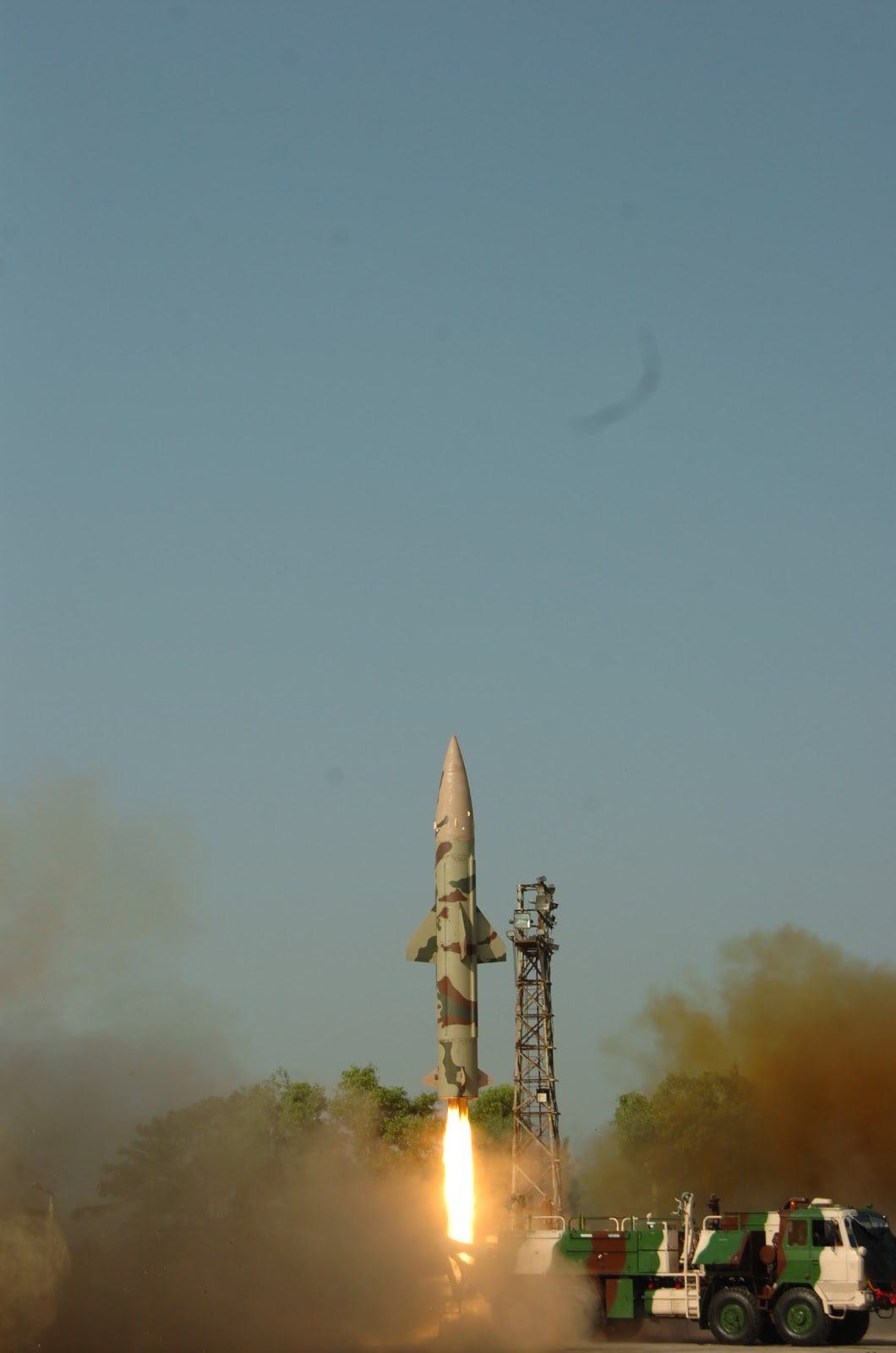
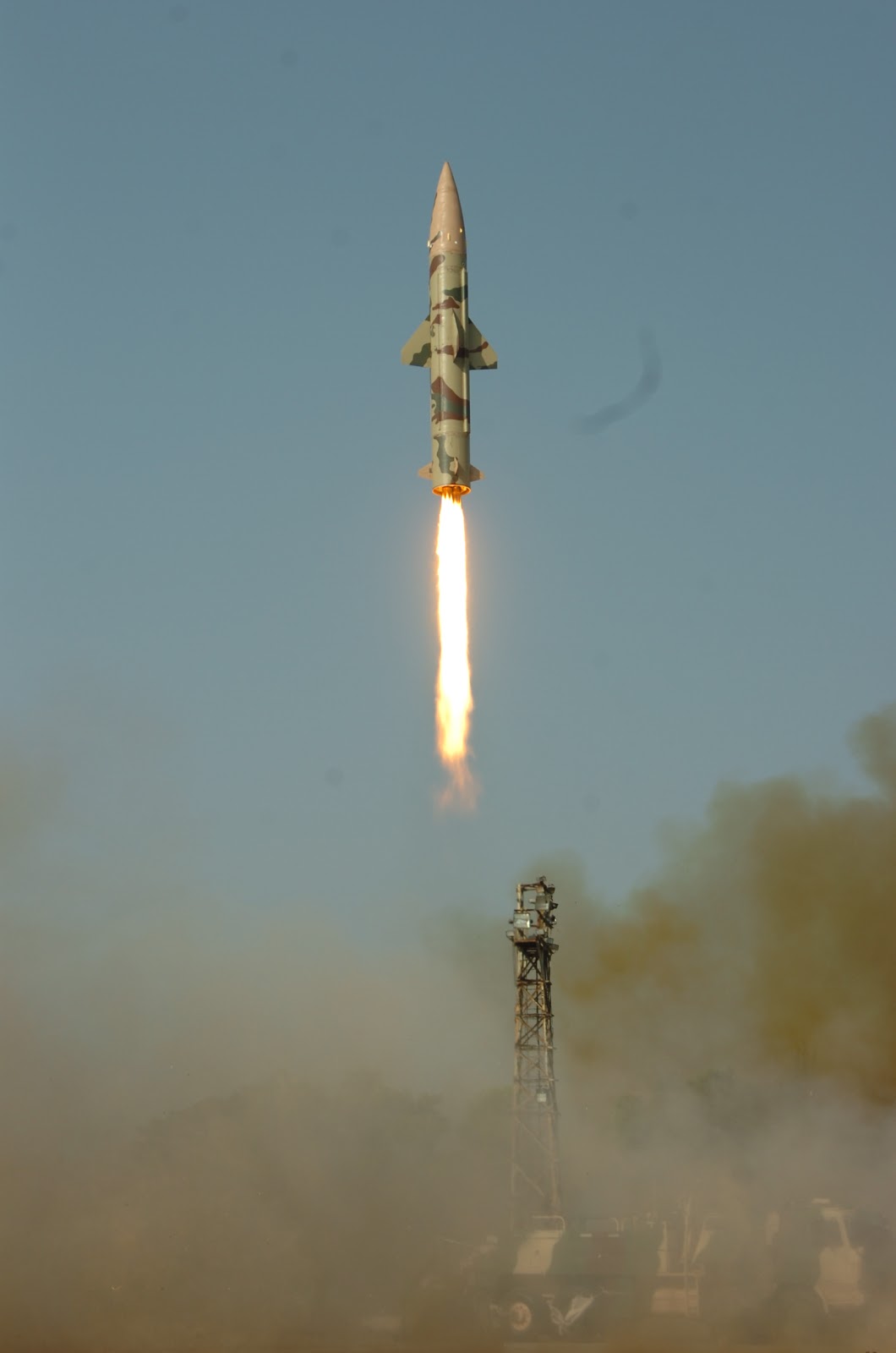
“The salvo launch of the Prithvi-II missiles today is a major milestone of India’s strategic capabilities. The precision terminal accuracy demonstrated is a pointer to our credible deterrence,” Defense Research and Development Organization chief Dr V.K. Saraswat tells Aviation Week-Tarmak007
black eagleMade in India: IAF rings the BEL for 6 more Akash Sqdns worth $1.1b
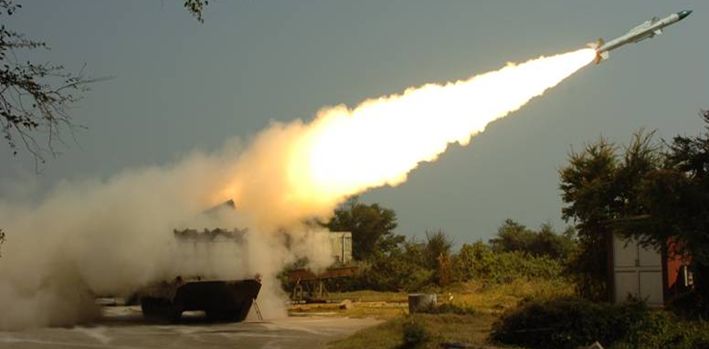
The Indian Air Force (IAF) has placed orders for six more squadrons of Akash Missile Systems (AMS) worth Rs 5,000 crore ($1.1 billion). Bengaluru-based Bharat Electronics Ltd. (BEL) will be the principal integrator for the systems. BEL is currently executing the first order for two AMS squadrons (48 missiles) for the IAF worth Rs 1,221 crore ($269.5 million).
The Defense Research and Development Organization (DRDO) confirmed to Aviation Week Dec. 16 that the additional orders have come as a huge boost to India’s indigenous military program. “The fact that the user [IAF] has placed additional orders shows the growing confidence they have in homegrown products,” a senior DRDO official says. “IAF will benefit immensely from these orders as they can get whatever modifications to AMS done within no time. Time, cost overruns and delay in getting spares won’t be major issues anymore.”
http://tarmak007.blogspot.com/2010/12/made-in-india-iaf-rings-bel-for-6-more.html
black eagleAGNI-II PRIME
black eagleIts just too expensive for me. why can’t they just replace them with additional MMRCAs??
black eagle

 Sign In