 jackehammond
Folks,
On the subject of the S-2 (NATO KENNEL) when the Russian military expert Steven Zaloga researched the Russian strategic missile program and the Cuban Missile Crisis he shocked everyone when he gained access to the Russian archives and discovered that the S-2s that Russian sent to Cuba were armed with nuclear warheads!!!
Jack E. Hammond
jackehammondDear Garry B.
Your description of how wire guided torpedoes work in the “real world” is the best I have ever read in what is a texts thumbnail. Most people — ie including myself — have make a chapter to explain it. THANK YOU!
Jack E. Hammond
jackehammondJust before Desert Storm, the USAF was starting to remove their A-10s from service, to be completely replaced by F-16s by ~1995. The US Army once again asked to be allowed to take over the A-10s, but were receiving no support in Congress.
Of course, Saddam gave the Warthog its chance to prove its worth, and 15 years later it is still in the USAF, in large numbers and fully upgraded!
Dear Member,
After the 1991 war the USAF offered to allow the US Army to take over the A-10s. The US Army declined because of budget reasons and the fact they did not had the infastructure to support such a large aircraft (ie airbases, tankers, etc). The US Army would like to have a fixed wing aircraft for short range ground attack and CAS, but the are thinking of a much smaller aircraft like the Italian AMX.
Today in South Korea there are just 13 OA-10s that are armed with only the 30mm cannon. One US Army commander stated that if the balloon went up, those 13 30mm cannons would be valuable beyond belief.
Last, unknow to many the USAF hated the A-10 so much that shortly before the 1991 War they ordered the jigs destroyed so manufacturing could never be resumed.
Jack E. Hammond
NOTE. Personally, I think the US should have pressured South Korea to have squadrons of A-10s. CAS is a very dangerous job. It would be vital in a war with NK. The US should have forced SK to prepare for that kind of war instead of a war with Japan that she is preparing for now.
jackehammondSkipping topic slightly, the G.91 was evaluated by the US Army wasn’t it? Did the experience in Africa have anything to do with the decision not to take it? I’m pretty sure it was the Army not the USAF
Dear Member,
The US Army evaluated one G.91 in the early 1960s before the Vietnam War. They really wanted to have it but the USAF killed any plans. So in the end the US Army had to develop attack helicopters. Because if the Korean War proved anything it was you can not rely on the USAF for ground attack and CAS. In one instance in a battle up north of South Vietnam a USAf pilot got shot down while one US Army and a South Vietnamese Army unit was in danger of being over run and all the USAF aircraft left to help the USAF pilot who was shot down and two AH-1 Cobras in an extremely brave effort fought off the NV attack with one Cobra crew paying with their lives.
Jack E. Hammond
jackehammondWhat about NATO exercises? How did G.91’s typically perform? Were they particularly effective attack aircraft?
Dear Member,
The G.91 only saw combat with Portugal. They stated it was a very effective ground attack aircraft. It was designed to a requirement based on the Korean War. Because of airbase restrictions a lot of the ground attack missions had to come from Japan or way south Korea. Took to long to get on station when requested. The requirement was for a small ground attack aircraft that could operate from smaller airfields near the front lines. A lot of NATO nations were suppose to buy the G.91 but politics came in — ie the French were p*ssed because theirs was rejected and North American was selling the F-86 at such cheap prices no would could reject it. Germany became the major user of it and in an actual war it would have be very valuable because the bigger airfields would have been cratered in a day or two.
Finally, I never figured out whey South Korea never bought the G. 91. It was designed with a war there in the first place?
Jack E. Hammond
jackehammondDear Members,
About two years ago Air Enthusiasts (a Key Publication) had a large article on the G.91 in combat in Angola and Mozambique. Lots of photos. In the late 1970s when Air Enthusiasts came out (ie rename Air International later) it had an article on the G.91 and other Portugese aircraft in that small African colony near Senegal. Will try and find the article volumes and numbers.
Jack E. Hammond
jackehammondWith exception to my amateur knowledge probability of hitting a ballistic missile in air with even most advance ABM (Patriot-3, Arrow-2) is between 40-60%. So if ballistic missiles are fired in numbers then they can penetrate any ABM shield. Like if 10 fired most probably six to seven will reach the target. The way i observe it, US and Allied forces took the advantage of first strike in both the Gulf wars. That is, hundreds of cruise missiles followed by a massive air strike. Enemy got paralyzed in just 3-4 hours of initial fight.
Dear Member,
Have to disagree. The PAC-3 is a totally different missile than the PAC-1 missile and is designed to engage at a lot closer ranges. It uses a self contained millimeter wave radar that has proven extremely accurate and relies totally on hit-to-kill and not an explosion near the missile. And where a PAC-1 and PAC-2 launcher has four missiles the same launcher would have 16 (sixteen) PAC-3s.
The problem would be IRBMs which have a far higher terminal speed. It is doubtful that the PAC-3 could intercept an IRBM warhead. But unlike the SCUD (ie or the improved SCUDs that many nations have) IRBMs are not in such numbers that systems like the THAAD or ARROW could handle.
Finally, the big fear that the US and Israel has is the use of an IRBM to explode a small nuclear weapon in the upper atmosphere causing a massive EMP. This could be devesating.
Jack E. Hammond
jackehammondAnd the Bofors BILL is an excellent ATGM but not cheap and not widely sold either.
Dear Member,
I did the first article on the Bofors BILL in the US back in the way early 1980s. The solution it had was unique with its slant warhead for a “kind of” top attack — ie the BILL does not dive on its target or direct a warhead directly straight downwards to achieve the effect. And in reality what makes it more expensive than say the TOW or MILAN is the small scale of production. It is actually similar in a lot of ways to the TOW.
Jack E. Hammond
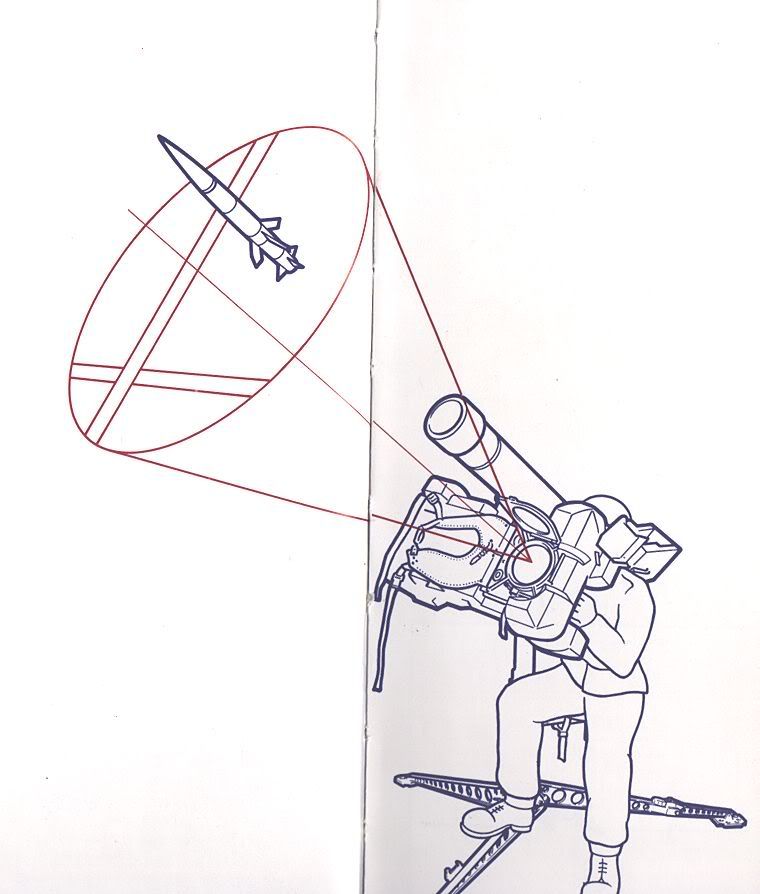
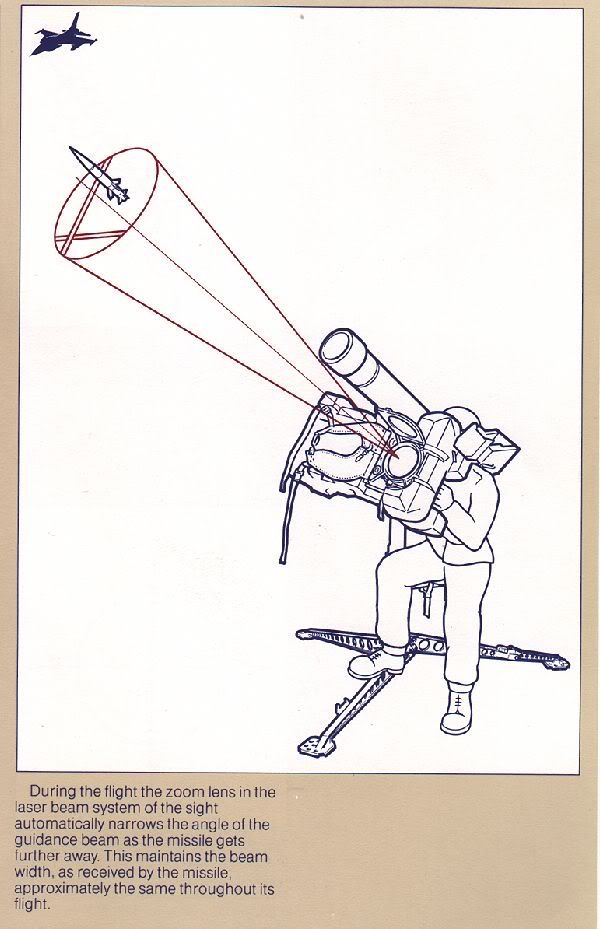
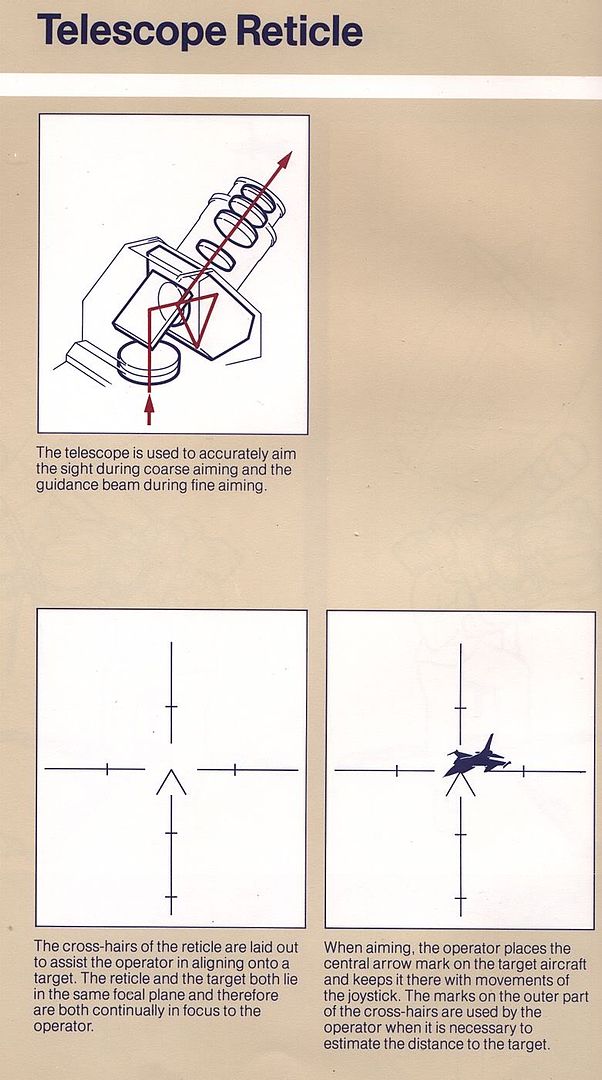
jackehammondhas the RBS70 ever been used to down an aircraft?
Dear Member,
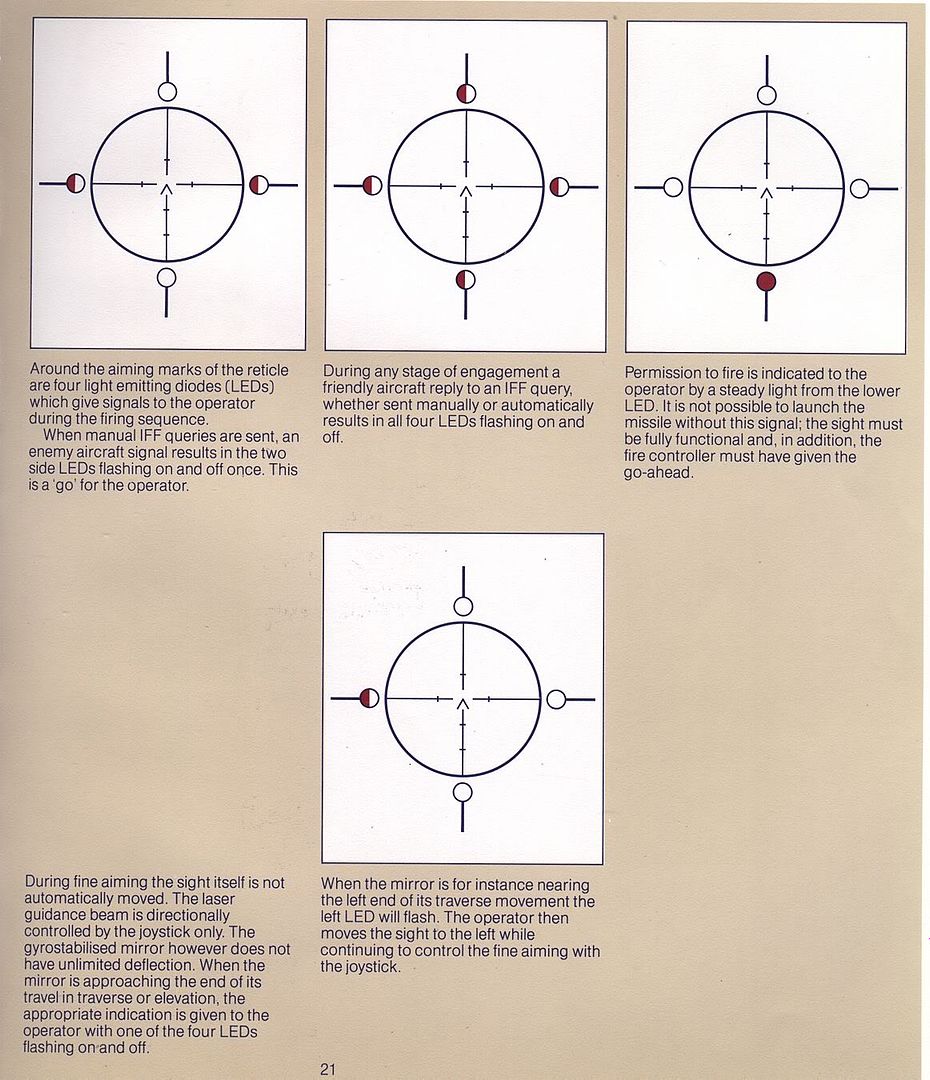
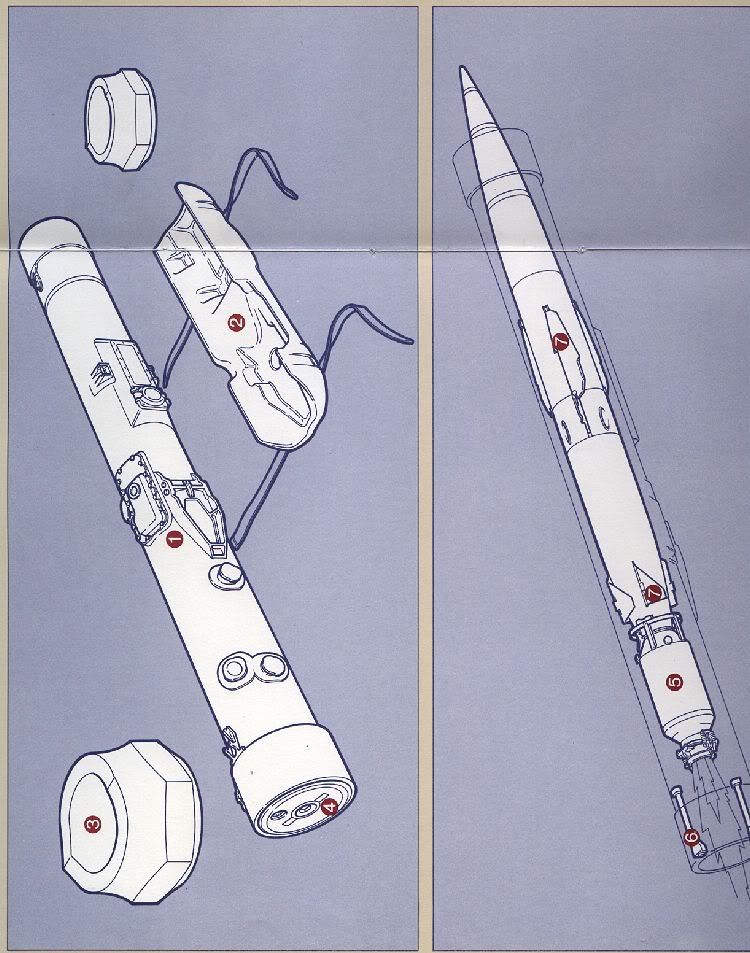
There have been reports since the Iran-Iraq War that Singapore bought some RBS-70 firing units and then passed them on to Iran. They are reported in all the defense publications listing a nations military assets and weapons. They were supposedly used to defend the Imman-Ks residence, etc and used against the Iraqis. But no one has ever seen a photo of them or heard any more. Some believe that it was just a big bluff by Iran. No one knows for sure. Maybe one of our members can enlighten us?
Jack E. Hammond
jackehammond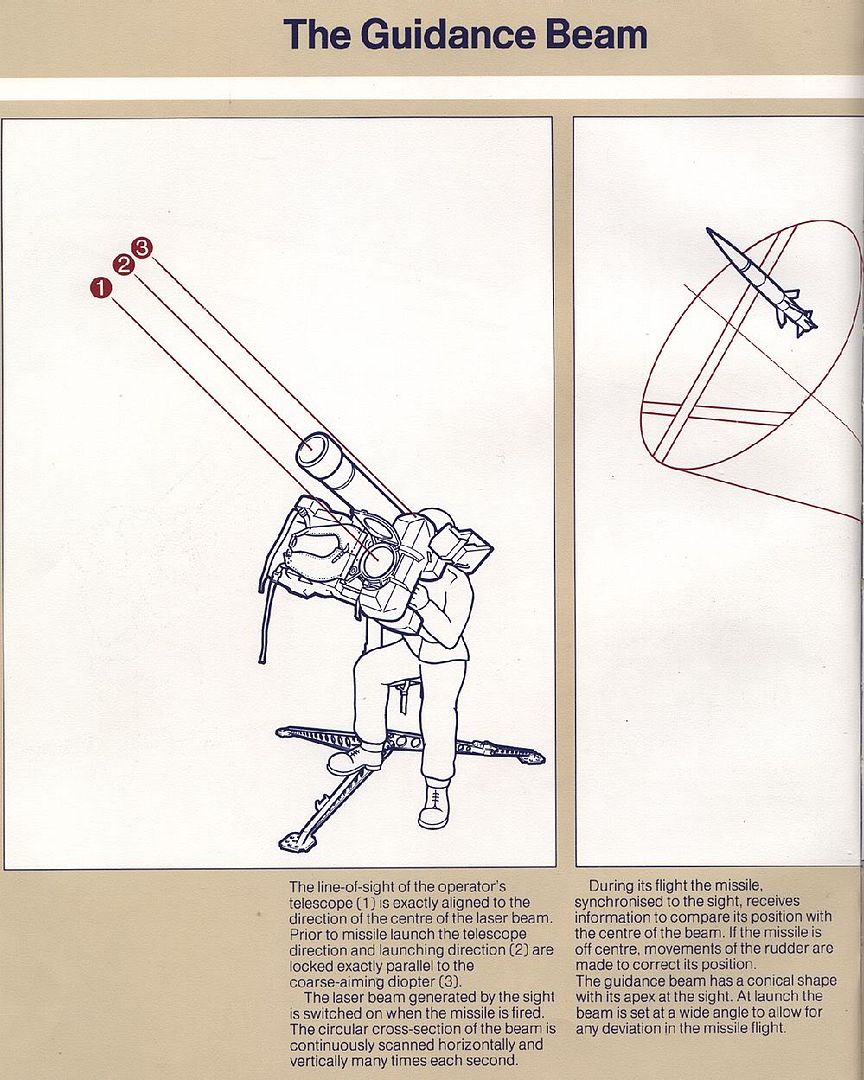

jackehammondDear SteveO,
Sorry, but those were not it. The flight deck behind the two turrets (ie with three cannons each) had no island and no 5/38 caliber dual purpose cannons and the illustration showed it with the Boeing fighter-bombers.
Last, this is a shame. But I had almost all my old Warship Internationals along with other material in storage. It got broken in to and a few boxes were taken. Unfortunately my collection of older WI were taken.
Jack E. Hammond
jackehammondSubmarine-Aircraft Combo
Dear Steve,
Yes that was the photo shown. Also, History Channel showed an idea that the Russians had in the late 1930s that looked a lot like the Italian SA S.73 on floats only with armor plating!!!!
Last, thanks for posting the link. I really appreciate the effort. Sorry, I can’t post a photo or link of the 1930s USN idea for a cruiser-aircraft carrier.
Jack E. Hammond
jackehammondI have to admit that I didn’t think the Skyhook concept was a practical one, In my opinion it defeated the benefits of operating a V/STOVL aircraft that didn’t need shipborne systems such as catapults and arrestor gear.
I do have a book called Strike from Beneath the Sea: A History of Aircraft Carrying Submarines by Terry C. Treadwell which has a very good cover illustration featuring a Skyhook equiped submarine aircraft carrier:)
Folks,
I know you will find this impossible to believe, but a US aircraft manufacture in the 1960s or 1970s offered to the US Navy an aircraft design that could be launched from a submarine under water raise to the surface, take off and then patrol, etc and then land and go back underwater and redock in the submarines. Bill Sweetman back in the 1990s posted on Compuserves Military.Com (ie one of the few military forums then with a large scale membership) the only know photo of the design.
Jack E. Hammond
jackehammondFolks,
I can’t find the copy of WARSHIPS (ie it was from the 1970s) but in the early 1930s the US considered a quasi-cruiser/carrier design. It was a light or heavy cruiser with the two forward turrets and a deck behind them which could operate a half dozen Boeing F4B fighter/bombers. While today it would be considered stupid by the lessons of WW2, remember back then radar was not known and night operations of aircraft was nexts to impossible. Basically the design was for a battle group to hunt down commercial radars and naval groups composing of fast destroyers and cruisers and as a colonial-cruiser to show the flag and the then todays politically incorrect term of “keeping the natives” in line. Some have said that is exactly what Spains one V/STOL carrier was orginally designed for.
Jack E. Hammond
jackehammondFolks,
A French newspaper has reprinted the famous 12 cartoons yesterday, plus added one of its own. The new cartoon shows Mohammend with his face in his hands saying “It is so hard to be loved by fools”.
The French editor Phillippe Val stated freedom of press was at stake and stated further : “When extremists extract concessions from democracies on points of principle, either by blackmail or terror, democracies do not have long left.”
Last, in my country newspapers like the “brave” NYT, Washington Post and Wall Street Journal are still not reprinting the cartoons “bravely” claiming it is a matter of principle not to offend others religions. Most Americans are embaressed beyond belief on the subject — ie they get thousands of letters demanding they stand up with the Danes, but most have stated the subject has been discussed enough (ie these are the same newspapers that condemn the Latin American editors for not standing up to the drug lords and for decades have stated over and over there are not “sacred cows.” in there reporting or news articles)
Jack E. Hammond


 Sign In







