I asked Jim and this is his reply “…me an Dave Davison (he was Sir Wullie’s last fitter, unfortunately passed away recently). Sold it to Tim Mann after owning for 2 days.”
I most certainly never seen it at Strathallan and as a Strathallan “nutter” had the run of the place.
Ah Scone and not Strathallan that makes sense.
So what’s it doing on a Strathallan thread?
I thought the Strathallan collection only had one Provost and that went to East Fortune. WV493.
Just curious – How “sound” is the insulation on the wiring in general?
It’s not perishing with age?
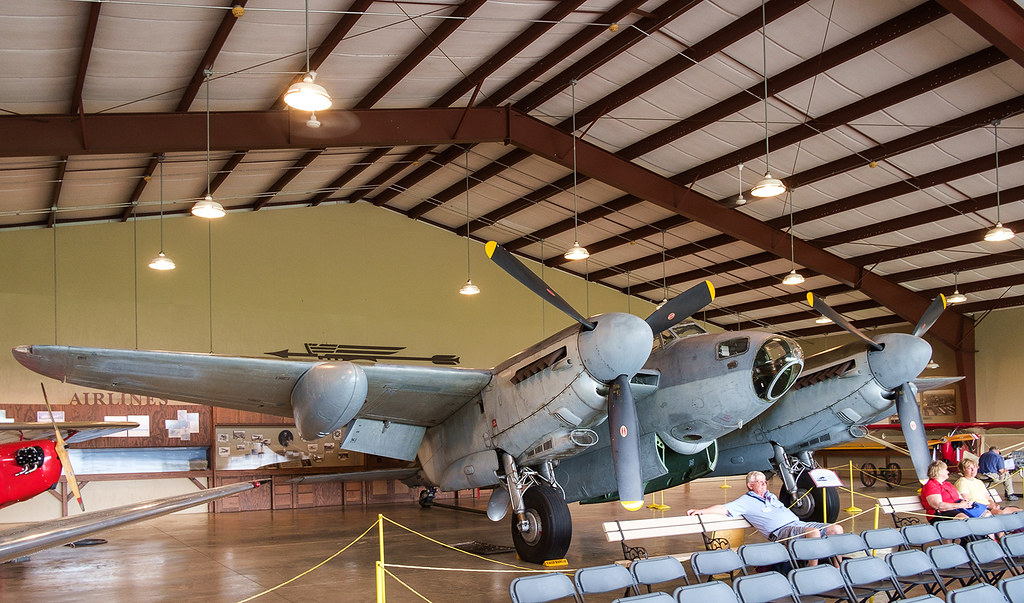
Here’s the Mossie at Oshkosh in 2016, she’s not fared well.
N35MK Mosquito, Oshkosh by Wallace Shackleton, on Flickr
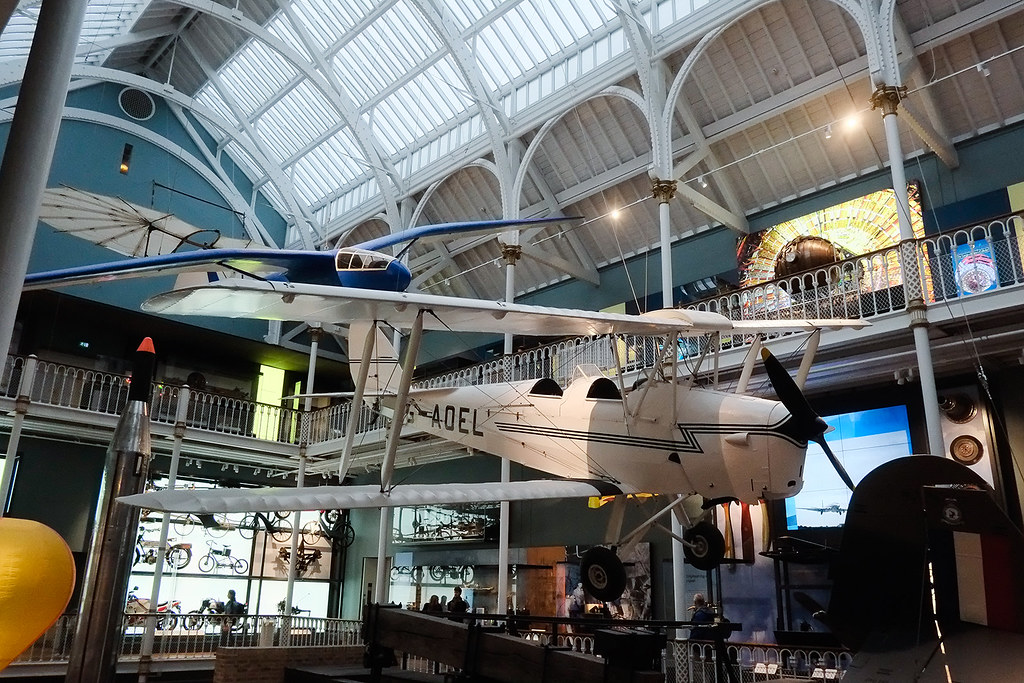
One of the Tiger Moths in Edinburgh
G-AOEL Tiger Moth , NMS Edinburgh by Wallace Shackleton, on Flickr
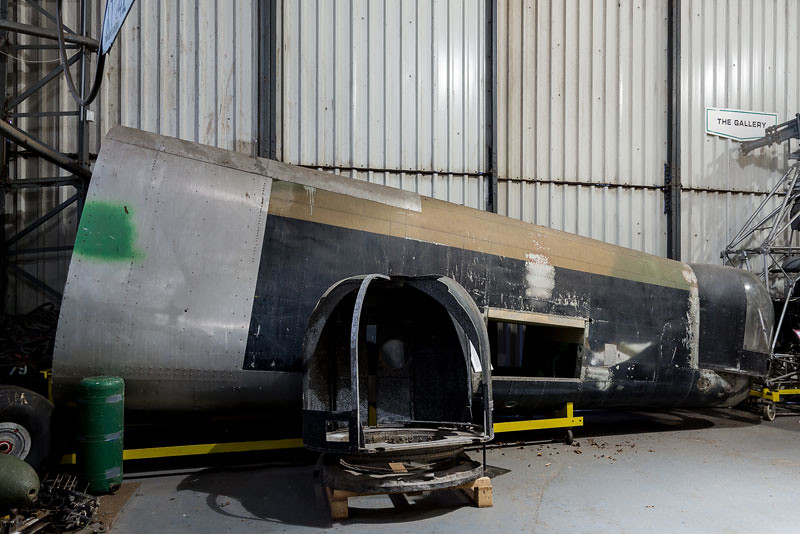
The rear fuselage of the Lancaster at Doncaster
G-BCOH Lancaster, Doncaster by Wallace Shackleton, on Flickr
Blue, your restoration blog is a pleasure to follow. You (and your team) have achieved so much with 788 over the years.
Happy Christmas, you and your team and achieved so much with 788’s restoration, truly remarkable.
You know how there’s no such thing as a stupid question…. but what are the anti-creep markings for?
I could guess that the tyre could start to rotate with hard landings and possibly rip out the valve…
Tim mentioned that he was still spraying it but it looks even better now he’s got the job complete.
Seriously impressed.
I had a look at a Jumo in Berlin last year and was struck with how crude the engine was and how many low grade materials went into making one.
It’s going to be interesting to see how the engine fares with high grade components.
There’s a fantastic video on Youtube of a German Me262 training film for new pilots that’s worth watching… I never even knew there was a two stroke jockey motor in the nose cone of each engine for starting the air compressor stage.
Isn’t it the pilot that gets the display license and not the aircraft?
One could possibly argue, that in the absence of the full facts of the event and where the money raised that the image is a juxtaposition between the RAF veterans of 1940 and the significance of raising money for the RAF Benevolent fund… if they are the benefactor.
Interesting in that the prop blades are straight and not bent back. I wonder what the circumstances of it’s demise was.
Thanks for that, every day is a school day.
By the looks of it the motor is a small gas turbine, possibly the one shown at the end of the video?
For the benefit of the unknowing, like me, what was the Dry Motor?
I could guess that it’s a device for spinning up the engine compressor for a start.
I really like the work that you guys are going, just a pity that the BCWM is so far away!
Funny, when you think of those aircraft being stored in surgical conditions while every other aircraft that’s been preserved just gets by with ordinary air around them.
As for “failing 1940s infrastructure” strange how the RAF are still using those hangars after all those years although the word MAINTENANCE may be missing somewhere. Besides they are in the preservation business right?
Sorry guys, the Science Museum seems to think they are something special while I don’t.
I visited their collection in the late 70s, some place and interesting collection then and would like to go back sometime but I’m not holding my breath for that new building opening.