 Colombamike
another view of the C1 design
Clearly, this design is a much diffrent from T45 daring line
(hull much more stleathly….)
ColombamikeJSF – Navy Ready To Abandon Ship?
The Navy is not happy with the new joint-service fighter. It’s gained weight during development, but more importantly, the Navy isn’t sure that the capabilities it provides are what they want to spend more money on. It’s tempting to scrap it and go with an alternative, from a company with recent carrier-jet experience. The obstacle is a headstrong Secretary of Defense who’s staked his reputation on the joint program, but the signals are clear: the moment he’s gone the Navy’s going to bail.
Enough about the F-111. What about JSF?
For the service of “loose lips sink ships”, the Navy leaked the blandly titled “Joint Programs TOC Affordability” document through more holes than IJN Yamato off Okinawa. This was no baby-seals-type accident. It’s a deliberate hit at the highest level.
blog post photo
The key chart is page 10, which shows that – over the lifetime of the fleet – the carrier-based and STOVL JSF versions will cost the Navy 40 per cent more, in total operating costs, than the F/A-18C/Ds and AV-8Bs that they replace. (The older aircraft costs are taken from FY2008 and include a lot of aging-aircraft issues.) This is despite a smaller fleet and fewer flight hours: the new aircraft are expected to cost more than 60 per cent more to fly per hour than their predecessors.
The Navy report suggests that the total cost of the Pentagon’s JSF program will be $705 billion in FY2002 dollars, just over twice the figure predicted at the program’s inception.
Lockheed Martin and the JSF program office will respond that the Navy figures are conjectural, based on experience with legacy aircraft, and not applicable to the JSF’s cutting-edge technology. This matters not a hoot. What matters is that the admirals and senior Navy leaders believe the report is roughly accurate, or it wouldn’t be on the street in the first place.
So where are all those billions in extra O&S money going to come from? The answer is “nowhere”. When the report states that “JSF will have a significant impact on naval aviation affordability”, what it means by “significant” is “about the same as the ten torpedo and seven bomb hits on Yamato.”
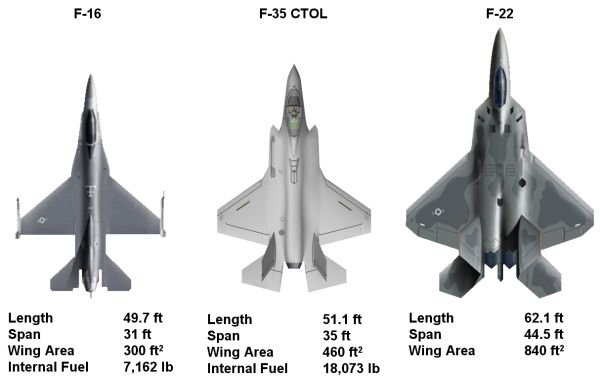
But wait – there’s more. The Navy is not talking exclusively about the F-35B/C. If similar TOC comparisons hold for the F-16, USAF TacAir plans have some challenges ahead. Moreover, the Navy notes an “upward” pressure on the $705 billion – indicating that the program team will be doing well to hold it level.
The Navy is the only US JSF customer with a ready Plan B, in the shape of the Super Hornet. (And GE has developed a thrust boost for the F414 and Boeing has muttered quietly about stealth enhancements.) What would the Navy do about the Marines? That wasn’t in the report’s terms of reference.
The Navy is not identifying factors behind the per-hour TOC number. However, the JSF is Super Hornet-sized, and bigger than either of the aircraft it replaces. The F-35B includes a complex lift-system full of critical components. And JSF includes stealth technology, which has yet to prove as affordable in service as the engineers promised it would be.
No one presentation or study is definitive, but this latest disclosure places more pressure than ever on the JSF program to perform.
ColombamikeWell played Wanshan 😀
😉
Regard
🙂
ColombamikeThe final answer of this thread…..:rolleyes:
:rolleyes:
ColombamikeMadness. What would follow next?
The ultimate dream for al qaida is to hit a US AIRCRAFT CARRIER
(ideally in US Harbor)
:rolleyes:
ColombamikePicture is an obvious Photoshop (shadows and missing fins on AIM-120).
Arg !, yes, I agree totally, sorry !
Now I see the PS modification
Colombamike@Colombamike
Three questions.
1) When did C got tip pylons?
2) When did C got enlarged radome?
3) Does C has larger weapon bays, than A and B?
Thx.
I am not sure than C has larger weapons bays than A or B :confused:
comparaison of load weapons F-35 B & C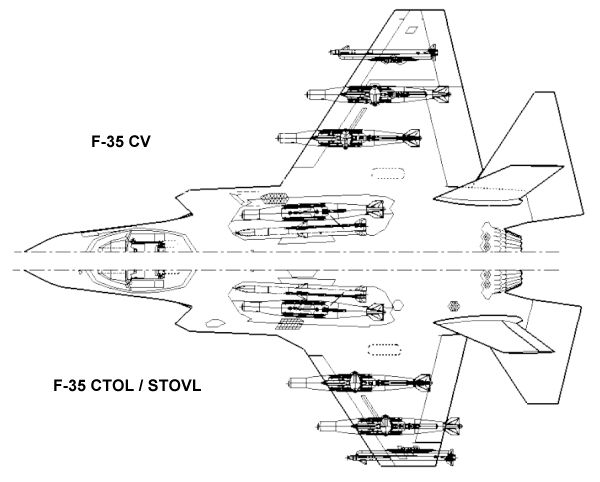
F-35 with pylons ready (+ canon stleathly pod !?:cool:)
F-35 weapons load

F-35 with big bomb & missiles
ColombamikeThat F-35 pic with all the missiles internally is some fanboy pic IIRC.
only fanboy dream ? :rolleyes:
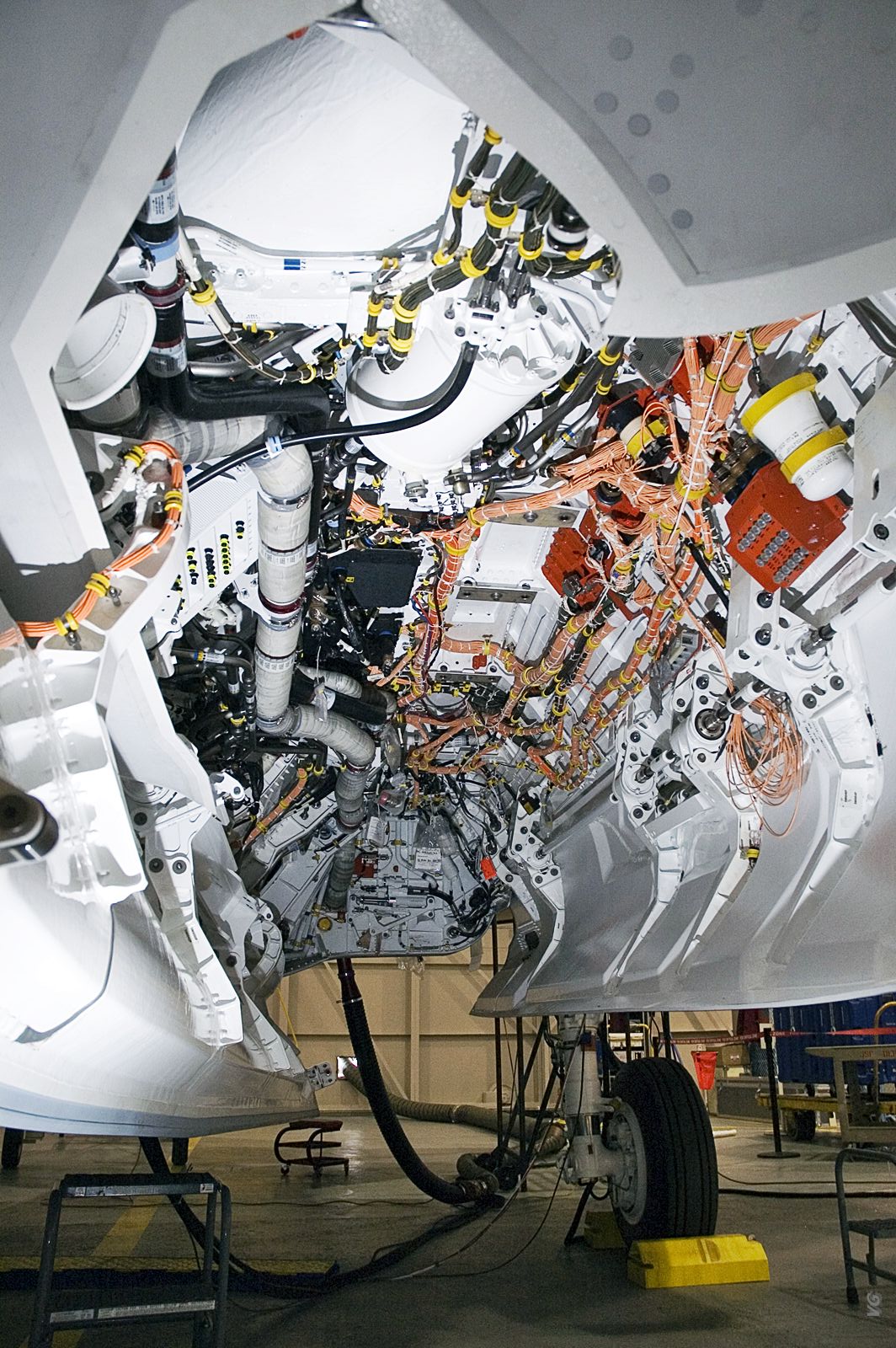
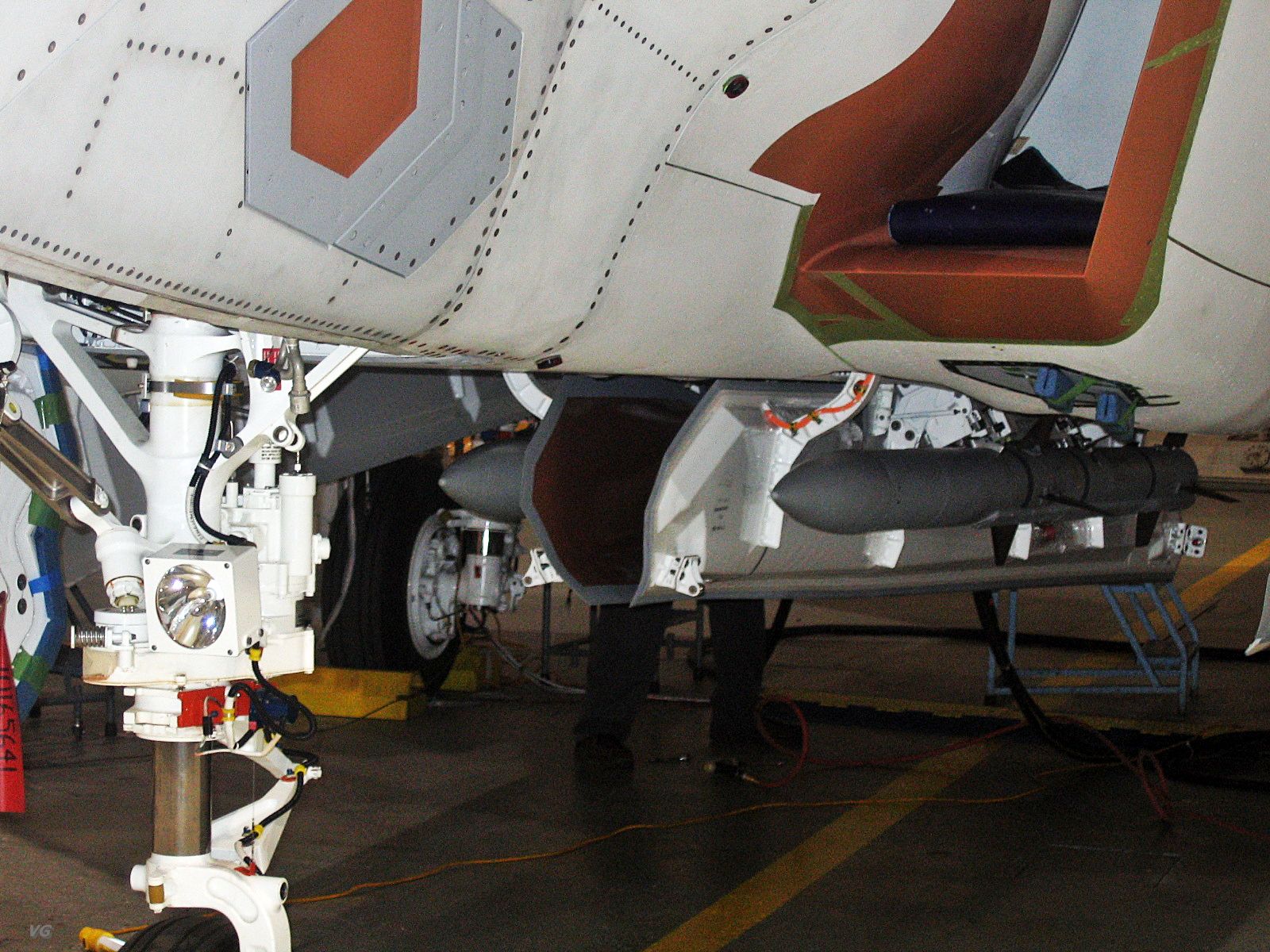
I don’t think….:rolleyes:
Colombamike
Colombamike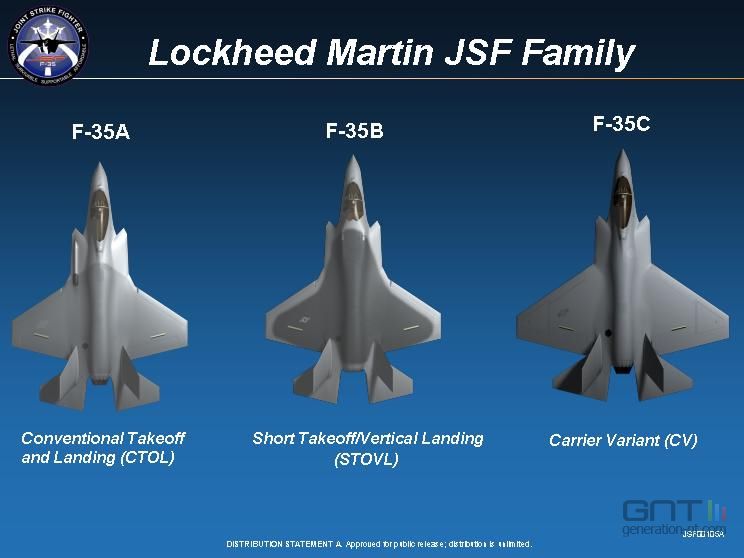
very interesting
EXTREMELY VERY INTERESTING
😀
ColombamikeIndonesia’s Ship-Building Industry Capable Of Making 50 Warships Per Year
If all of its ship-building industry’s capacities are mobilized, Indonesia can make 50 warships per year and thus meet its navy’s full need for such ships in three years’ time, Antara news agency reported Monday, citing a legislator as saying.
“Thereby, our navy’s need for 151 warships to secure Indonesia’s territorial waters can be met in just three year’s time at a cost of Rp7.5 trillion (US$791.9 million) a year,” a member of the House of Representatives (DPR)’s Commisssion I, Fayakhun Andiradi, said here Monday.
But to enable the domestic ship-building industry to meet the navy’s need for warships, he government must really have the political will to achieve it through the Defence and Finance ministries and the National Defence Forces (TNI),” he said.
He said, the House’s Commission I (Foreign, Defense, Information and Communication affairs) was very keen to see the domestic industry developed and empowered to a level where it could readily meet the military’s needs for armaments such as warships to defend national sovereignty.
“One of the things that can be done immediately is to empower the domestic ship-building industry so that we will not remain too dependent on foreign-made military hardware,” Antara quoted him as saying.
About the price of a warship made in the country, Fayakhun said as was revealed when the defense minister commissioned a warship built by domestic ship-building company PT PAl in Surabaya recently, it was about Rp150 billion (US$15.8 million) per unit.
“If the Navy needs 151 new warships, it means the government should set aside a total of about Rp22.6 trillion (US$2.3 billion) to produce them at home,” he said.
Fayakhun said PT PAL’s ship-building capability had already reached a good enough level to be assigned the job of making warships for the Navy, especially in combination with the other major ship-building company, PT Dok Koja Bahari, and smaller companies in Banyuwangi, Manokwari, Batam, Makassar and Bitung.
source:
http://www.bernama.com/bernama/v5/newsworld.php?id=463697
ColombamikeIf the next missile test (probably early 2010) ended a failure, the next one (maybe during spring) is vital.
If the next two test ended a failure, this clearly threatened the futur of russian naval deterence….
:rolleyes:
Colombamikecitation:
United Kingdom Announces Approval of Third F-35B Joint Strike Fighter Purchase
The Joint Combat Aircraft (JCA) program has announced that the United Kingdom has received financial approval to purchase its third Lockheed Martin (NYSE: LMT) F-35B Lightning II operational test aircraft, reinforcing the U.K.’s continued commitment to the Joint Strike Fighter program’s upcoming Operational Test and Evaluation (OT&E).
“The U.K. this week received financial approval to go ahead and purchase the third U.K. STOVL OT&E aircraft that is planned within LRIP 4. Given the extremely tight financial climate in the U.K. government and the consequent impact across public spending, especially defence, this is a significant achievement,” said Air Commodore Graham Farnell, the U.K.’s Joint Combat Aircraft Team head. “I believe it reflects well upon the JSF program and it is a measure of the confidence that the U.K. has in both the F-35 Lightning II and the program to deliver this capability.”
This approval follows recent F-35 down-select or procurement commitments by Australia, Norway, the Netherlands, Italy and the United States. The strength of the F-35 business case has enabled program suppliers to obtain the capital financing needed to recapitalize the industrial base and produce the F-35 in high quantities over the next 30 years.
“The United Kingdom’s participation in F-35 Operational Test and Evaluation, and the associated commitment to purchase F-35s in early production lots, help ensure production stability as we move from the current assembly rate of one aircraft per month to our goal of one per day,” said Matt Maxwell, Lockheed Martin director for F-35 Low Rate Initial Production.
The U.K. has invested $2 billion in the F-35’s development – the largest contribution among the program’s eight partner nations. More than 100 British companies are involved in the program, including BAE Systems, which produces the aircraft’s aft fuselage and tails; Rolls-Royce, developer and manufacturer of the shaft-driven lift fan and other propulsion components for the F-35B STOVL variant; and Martin Baker, maker of the jet’s ejection seats.
The F-35 is a supersonic, multi-role, 5th generation stealth fighter. Three variants derived from a common design, developed together and using the same sustainment infrastructure worldwide, will replace aircraft in at least 13 services for nine nations initially, making the Lightning II the most cost-effective fighter program in history.
Headquartered in Bethesda, Md., Lockheed Martin is a global security company that employs about 140,000 people worldwide and is principally engaged in the research, design, development, manufacture, integration and sustainment of advanced technology systems, products and services. The corporation reported 2008 sales of $42.7 billion.
Colombamikethird french BPC to be named “DIXMUDE”
http://combatfleetoftheworld.blogspot.com/
ColombamikeI expect little else than either a set of BARAK-1 vl-sam or a couple of Kashtan for self defense.
very probably


 Sign In







