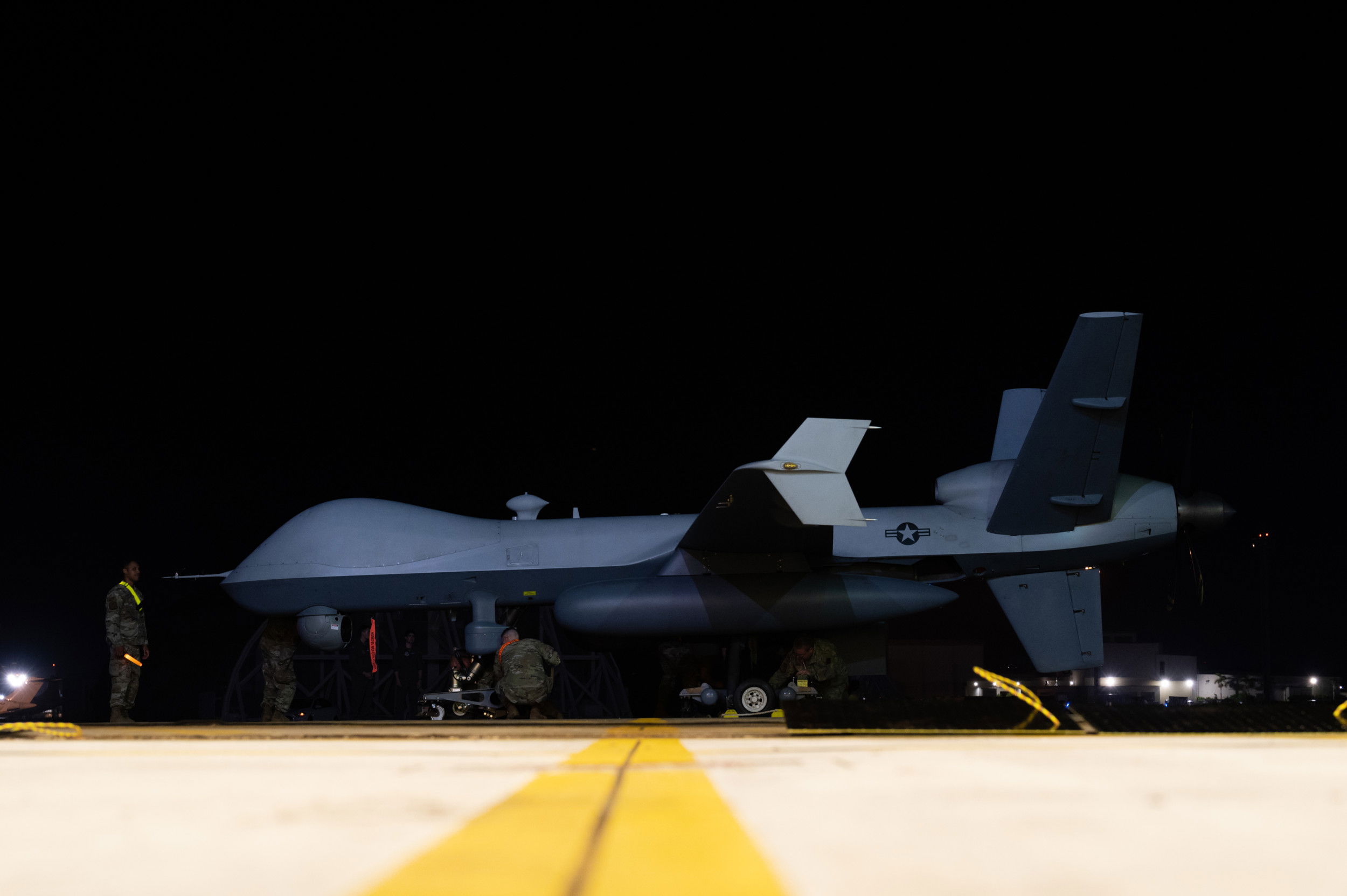
On October 13, Kadena Air Base in Okinawa, Japan, greeted the first of several USAF-operated MQ-9A Reaper unmanned combat air vehicles (UCAVs) that are scheduled to deploy to the base, which is also referred to as the ‘Keystone of the Pacific’
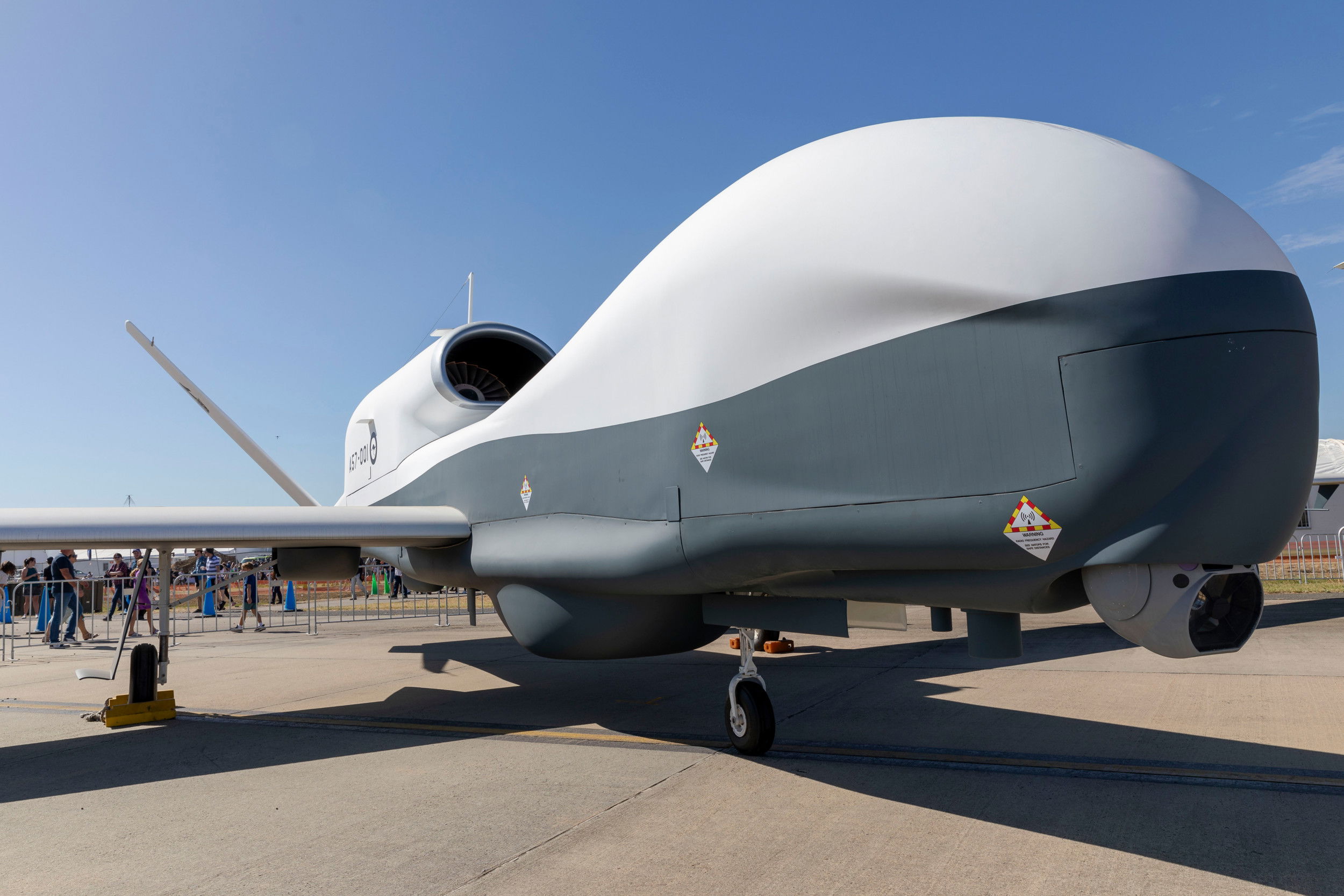
La Real Fuerza Aérea Australiana (RAAF) ha reactivado formalmente el Escuadrón nº 9 en la Base Tindal de la RAAF -situada en el Territorio del Norte de Australia- mientras la fuerza aérea se prepara para dar la bienvenida a sus primeros vehículos aéreos no tripulados (UAV) de gran altitud y larga resistencia (HALE) MQ-4C Triton de Northrop Grumman en 2024.
The Royal Australian Air Force has formally reactivated No 9 Squadron at RAAF Base Tindal – located within Australia’s Northern Territory – as the air arm prepares to welcome its first Northrop Grumman MQ-4C Triton high-altitude, long-endurance unmanned aerial vehicles in 2024
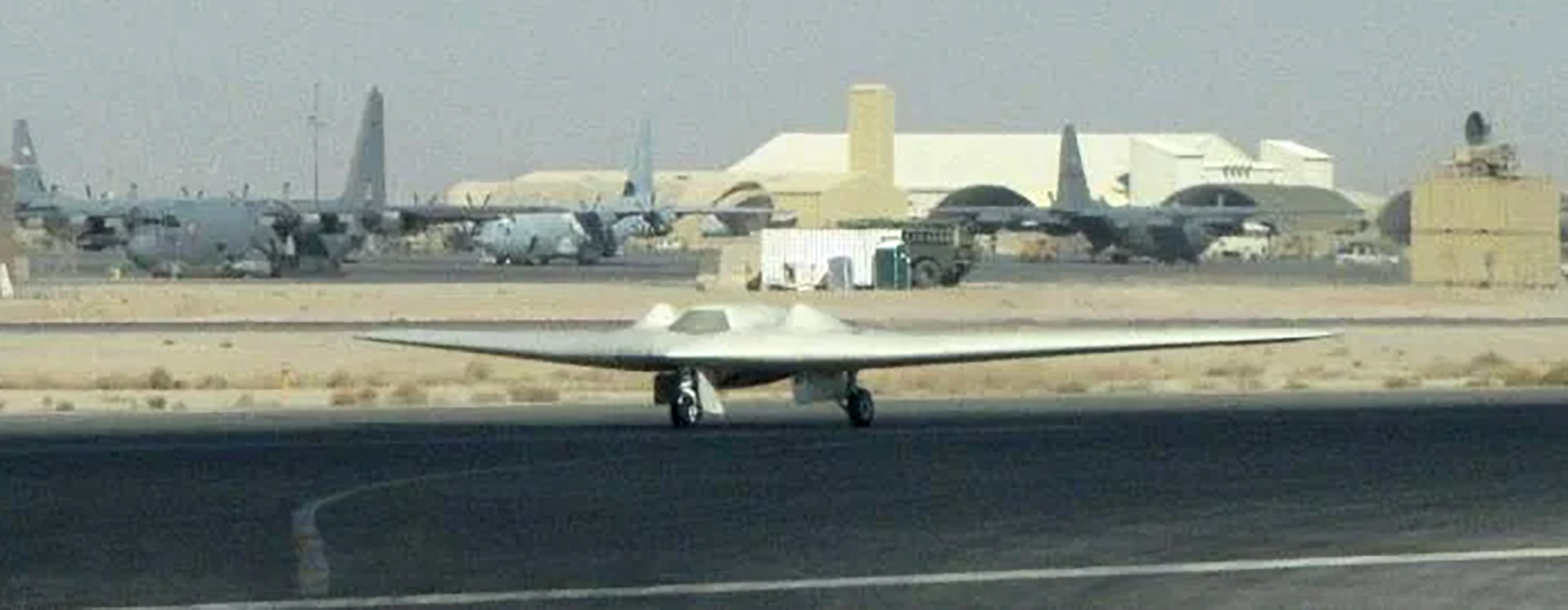
Nine flights have been carried out over the Black Sea by USAF-operated Lockheed Martin RQ-170 Sentinel low observable (or stealth) unmanned aerial vehicles, according to a batch of secret US military documents posted online
Se han realizado nueve vuelos sobre el Mar Negro con vehículos aéreos no tripulados Lockheed Martin RQ-170 Sentinel de baja visibilidad (o furtivos) operados por la USAF, según un lote de documentos militares secretos estadounidenses publicados en Internet.
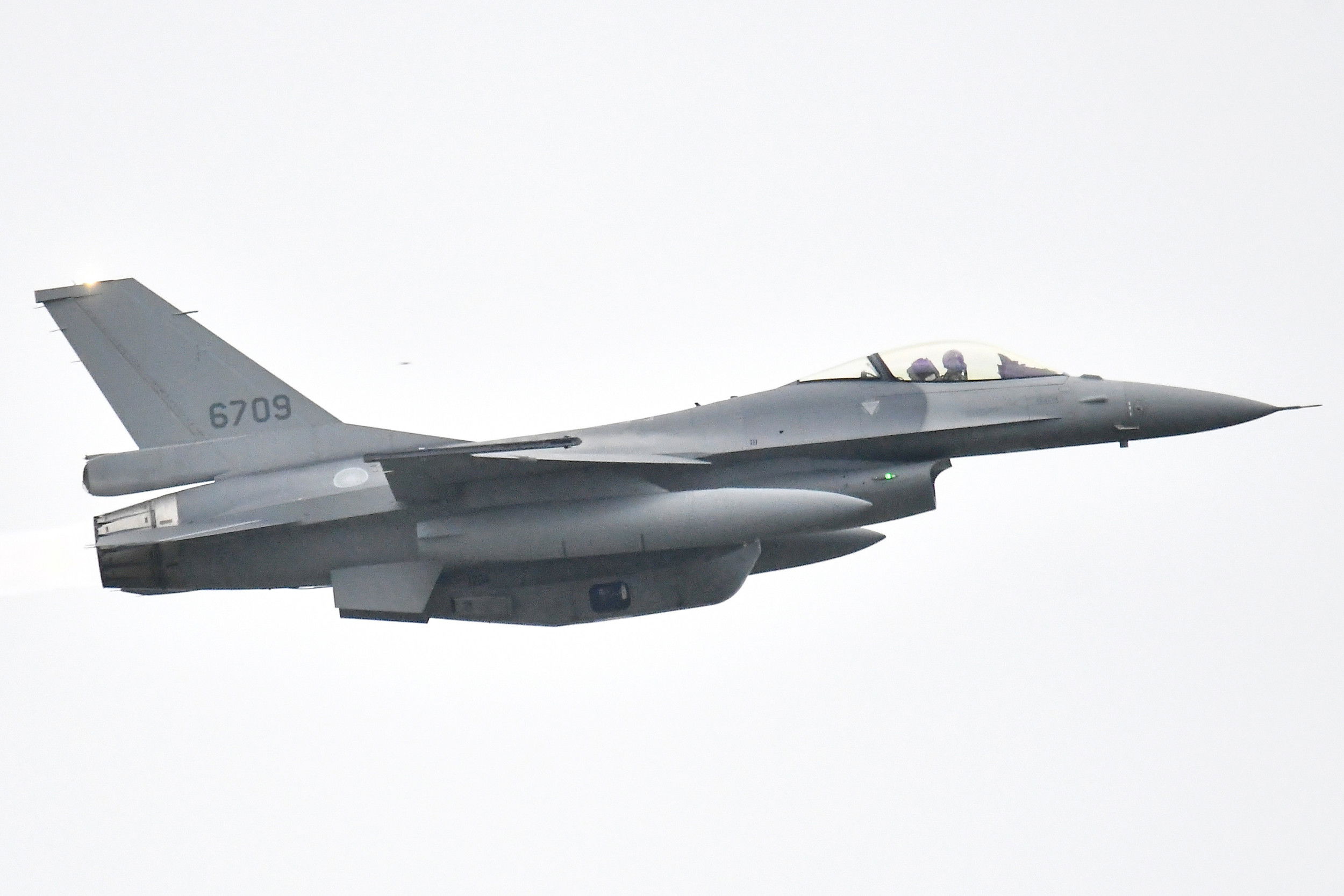
When the Republic of China Air Force’s (ROCAF’s) fleet of F-16A/B Block 20s were upgraded to the F-16V, the latest and most advanced configuration of the Fighting Falcon to date, it was discovered that the AN/VDS-5 Long Range Oblique Photography Electro-Optical (LOROP-EO) reconnaissance pod was not compatible with the newly modified aircraft
Cuando la flota de F-16A/B Block 20 de la Fuerza Aérea de la República de China (ROCAF) se actualizó al F-16V, la última y más avanzada configuración del Fighting Falcon hasta la fecha, se descubrió que el módulo de reconocimiento electroóptico de fotografía oblicua de largo alcance (LOROP-EO) AN/VDS-5 no era compatible con el avión recién modificado.
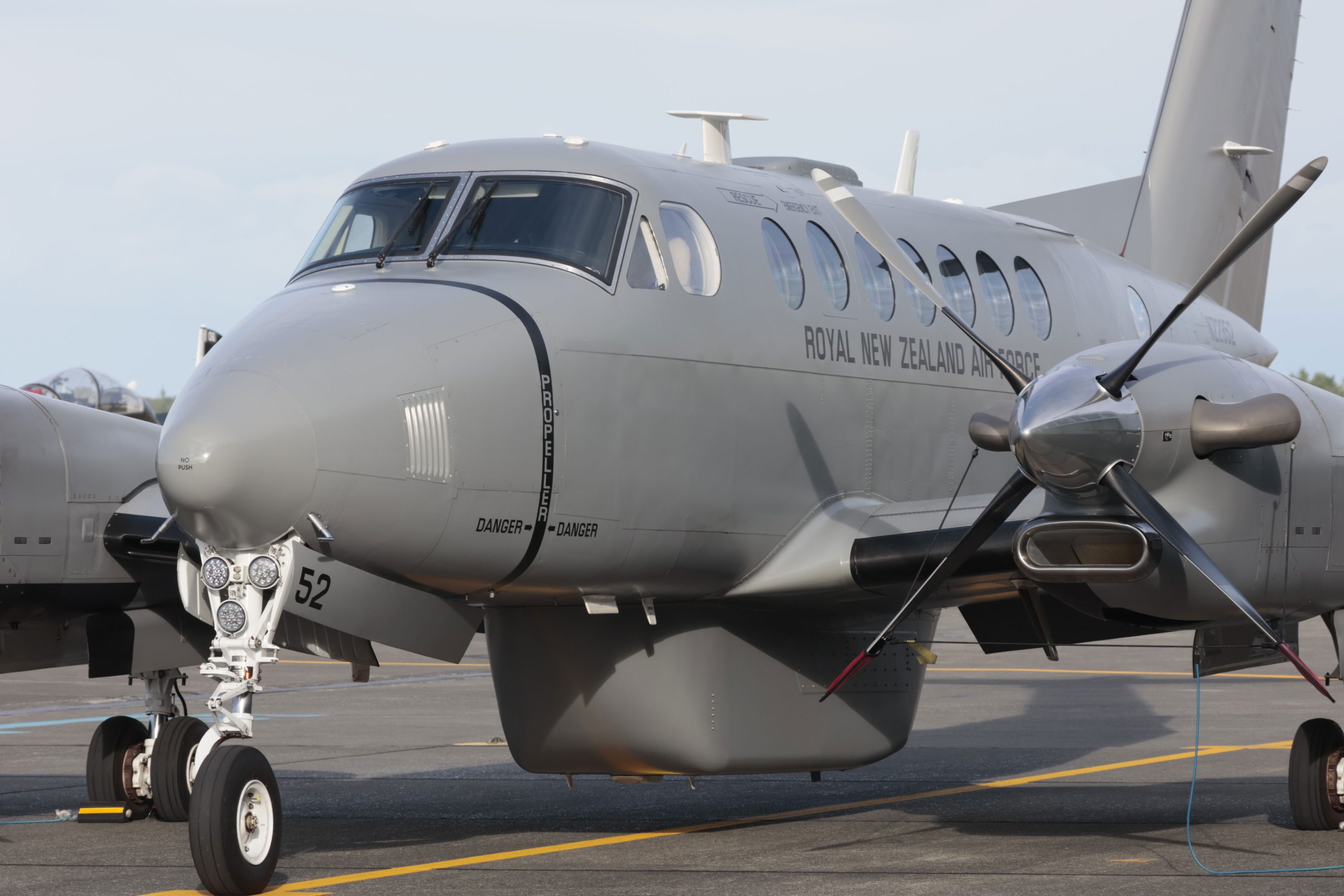
Dos de los cuatro aviones Beechcraft King Air 350i equipados con sensores de la Real Fuerza Aérea de Nueva Zelanda (RNZAF) recibieron en febrero el visto bueno para realizar misiones operativas de inteligencia, vigilancia y reconocimiento (ISR), además de sus actuales funciones de formación de tripulaciones.
Two of the Royal New Zealand Air Force’s four sensor pod-equipped King Air 350i aircraft were signed off in February to perform operational ISR missions in addition to their existing crew training roles
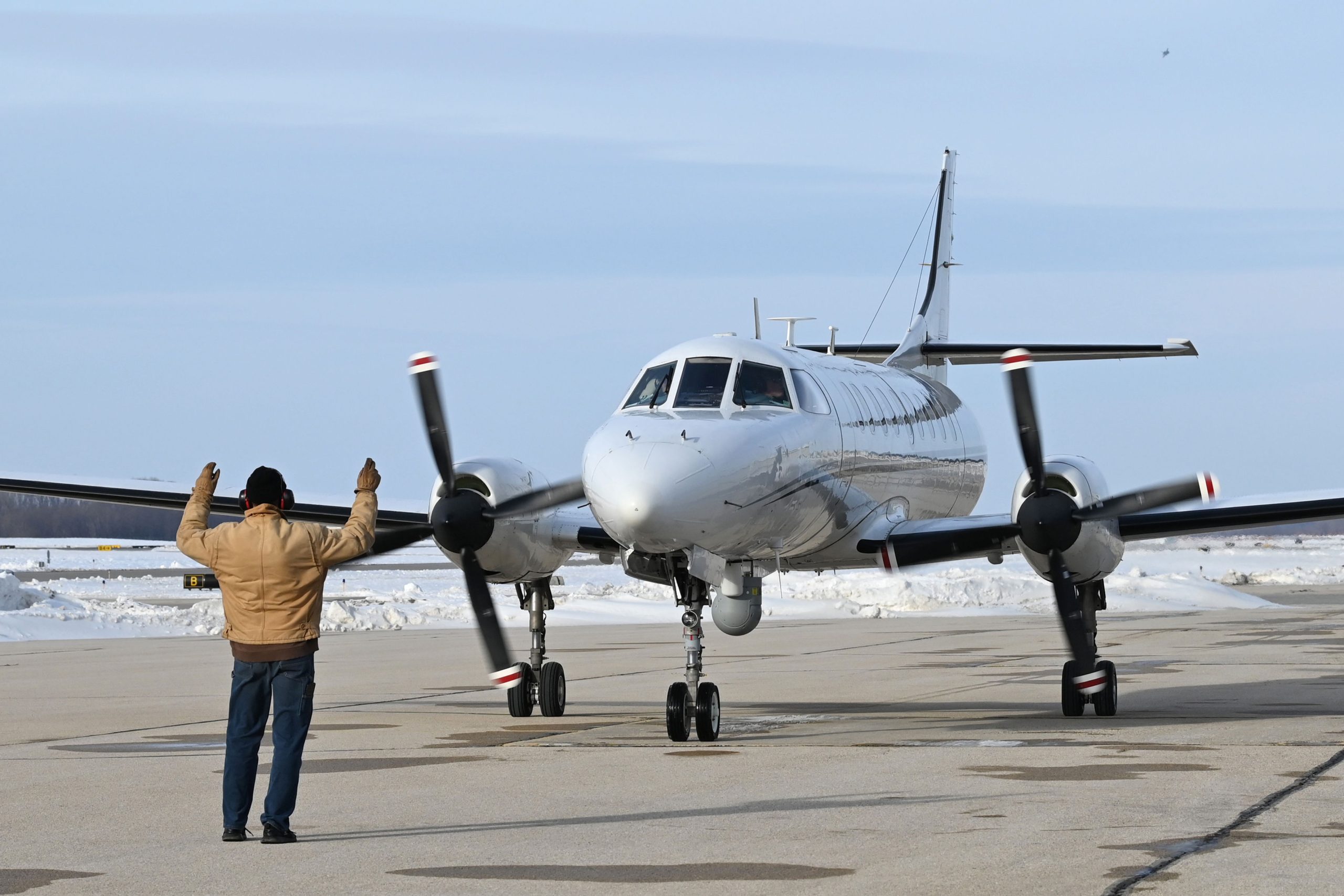
Having served as an integral part of US ANG counter-narcotics operations for the last 30 years, the USAF is now moving to accelerate the retirement of its 11-strong fleet of RC-26B Condor reconnaissance aircraft – a type the service has been pushing to divest in recent years
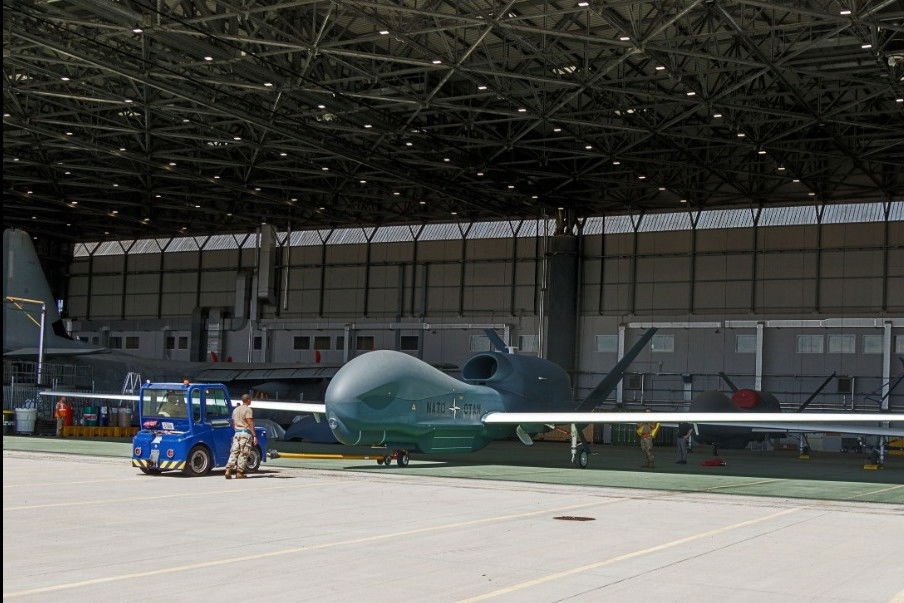
El primer vehículo aéreo no tripulado (UAV) RQ-4D Phoenix de gran altitud y larga resistencia (HALE) que completó la llamada actualización del software del Modo Marítimo y las pruebas posteriores con el fabricante del tipo, Northrop Grumman, fue devuelto a la Fuerza de Vigilancia Terrestre de la Alianza de la OTAN (NAGSF) en la Base Aérea de Sigonella en Sicilia, Italia, el 17 de septiembre.
The first RQ-4D Phoenix HALE UAV to complete the so-called Maritime Mode software upgrade and subsequent testing with the type’s manufacturer, Northrop Grumman, was returned to the NATO Alliance Ground Surveillance Force at Sigonella Air Base in Sicily, Italy, on September 17
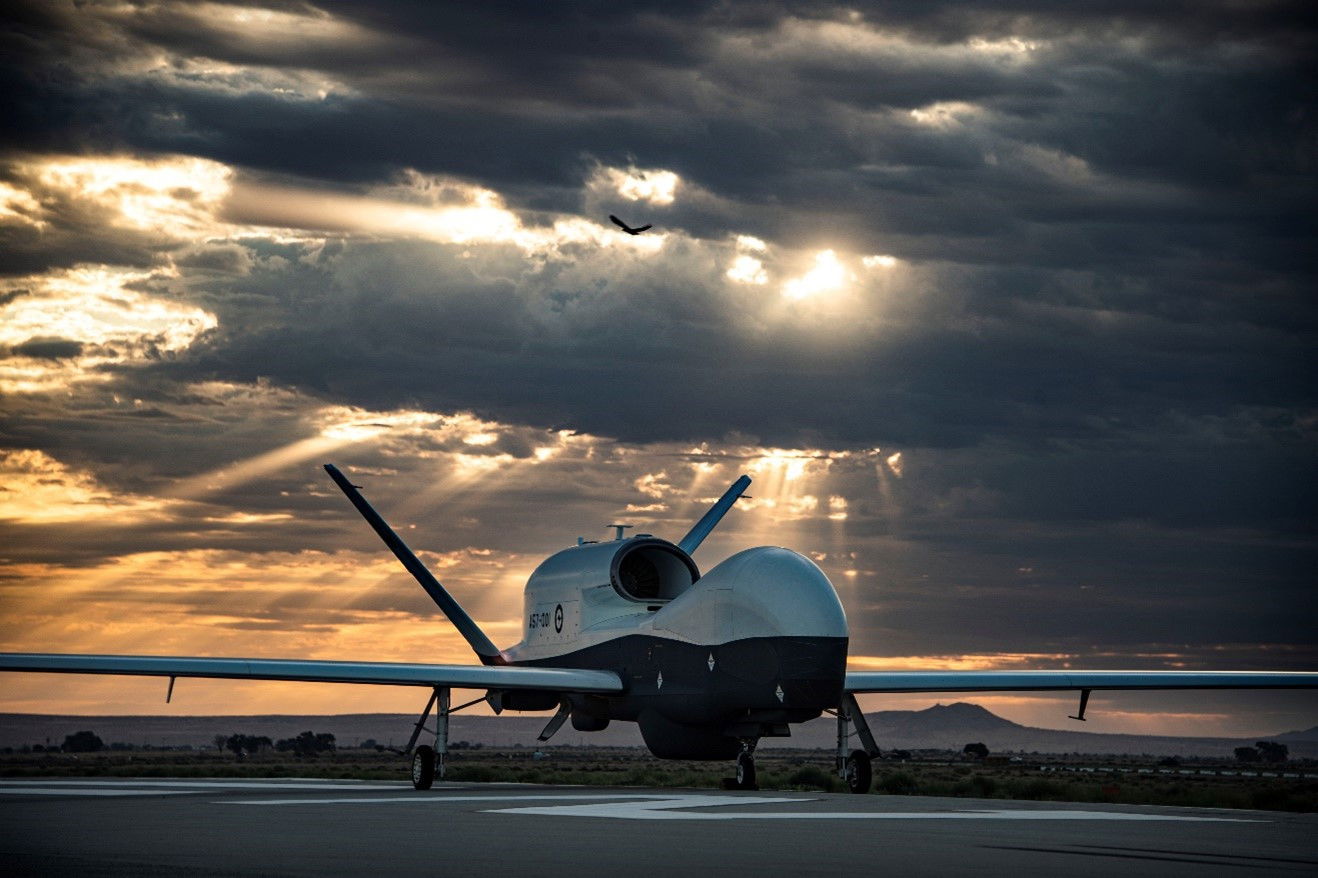
Northrop Grumman presentó el primer avión autónomo MQ-4C Triton de Australia, con el número de serie A57-001, durante una ceremonia celebrada en su centro de producción de aviones de gran altitud y larga resistencia (HALE) en Palmdale, California, el 14 de septiembre.
Northrop Grumman revealed Australia’s maiden MQ-4C Triton autonomous aircraft, serial number A57-001, during a ceremony at its high-altitude, long-endurance aircraft production site in Palmdale, California, on September 14
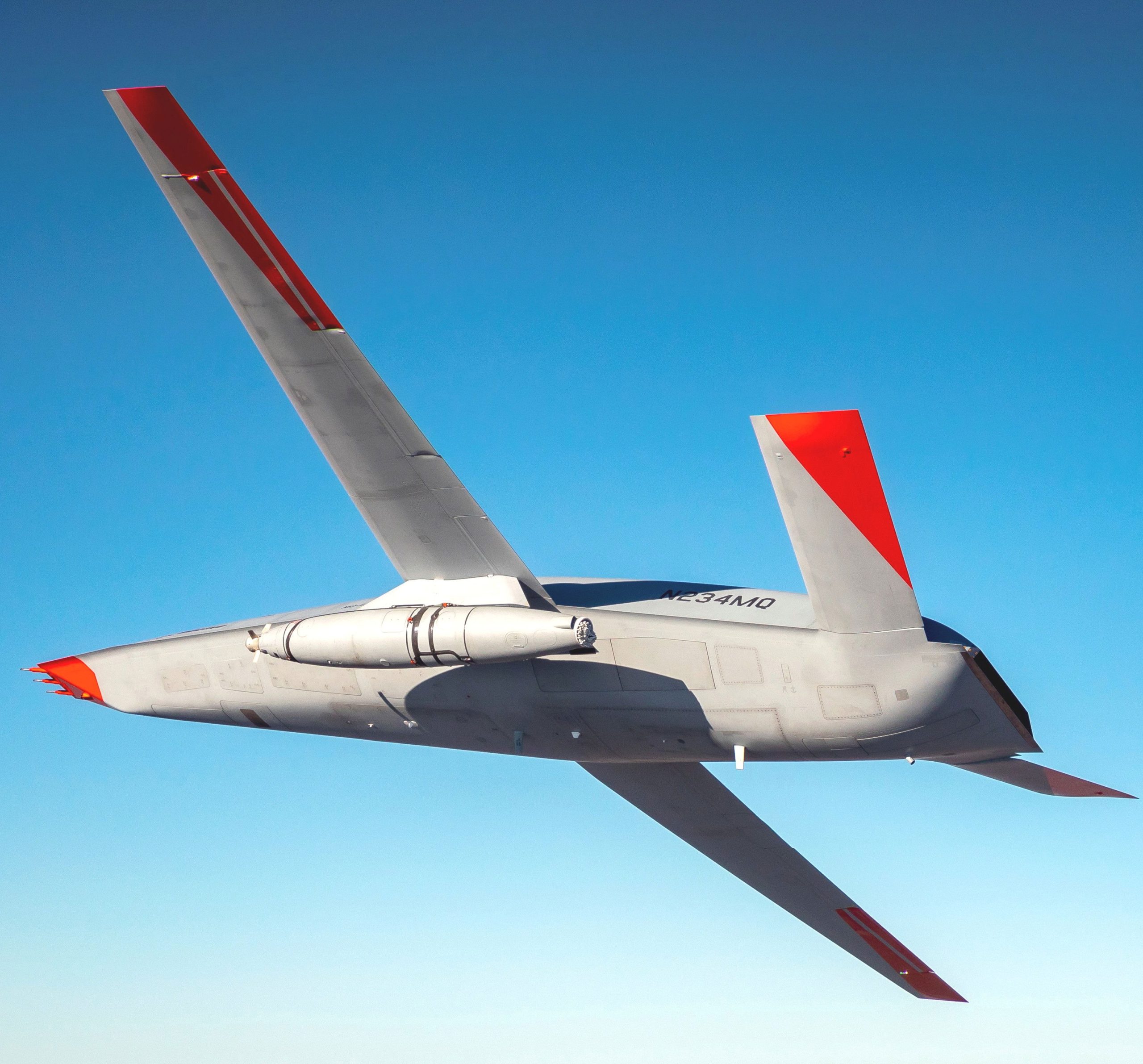
Boeing announced on September 6 that it has digitally demonstrated a new open autonomy architecture for the MQ-25A Stingray carrier-based aerial refuelling UAV that will allow the US Navy to increase mission effectiveness by integrating MUM-T capability at speed and scale