 Manonthefence
It didnt have a problem with brakes at Fairford on Monday, the PR Spitfire did. Stormin was on the Lanc and they had to get him off to tend to the Spit, hence the delay.
ManonthefenceIt was a shame that the Sea Vixen was only down for the 100 years RN flypast……..another jet of the calibre of the Sea Vixen was sorely needed amongst what appeared to be rather alot of Gripens and Hornets:rolleyes:
Thats because its a modern military airshow.
ManonthefenceYeovilton
Manonthefence91Regal
I am not having a go but everyone says that. As Nike says, just do it!
You can get cheap Ferry tickets of you look hard enough and if you plan in advance you can stay at Talbot House (TocH) for something like 30 quid a night. If that is full there are an amazing number of B&Bs about the place. The people are friendly and the food is reasonable (McFood is available). Ypres is about 45 mins drive from Calais if you manage to ignore the countless memorials and cemeteries along the way.
You can almost do it in a day and take in the Menin Gate if you get a wiggle on. In fact the biggest pain on the whole trip is the M20/M25!
Go! You wont regret it.
ManonthefenceGreat thread and pics, would love to have few weeks in France on the fields
All I can say is go! It will change your perspective on life. But I would do it a few days at a time, it is emotionally very draining to do too much in one go.
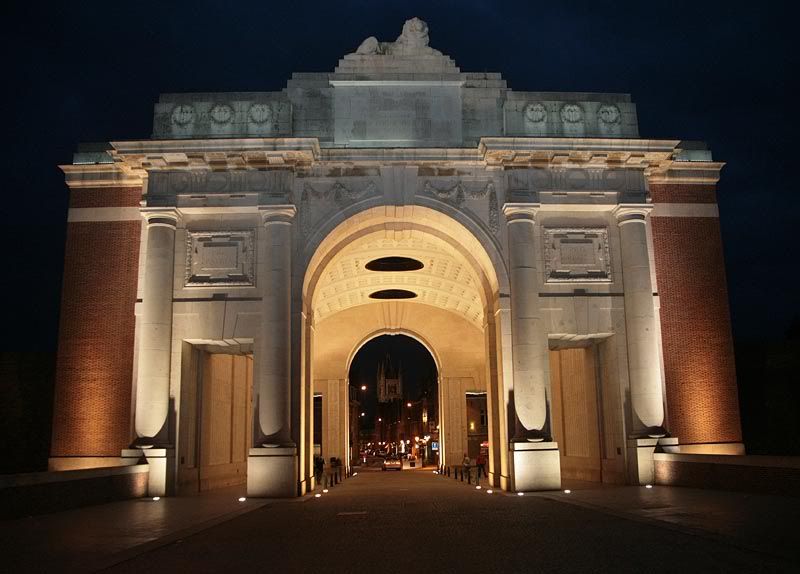
ManonthefenceThe Menin Gate
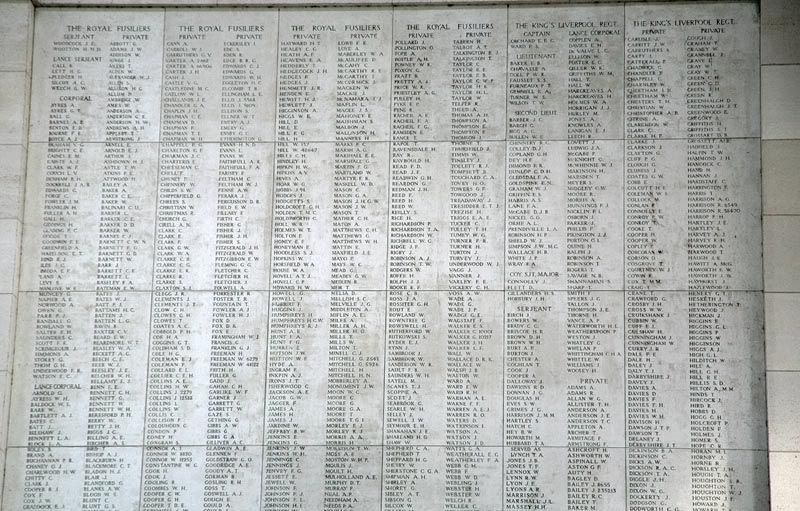
Totally destroyed during the Great War, the gate over the Menin Road leading from the city, was rebuilt as a Memorial to the fallen who have no known grave. As such it is literally covered in names.
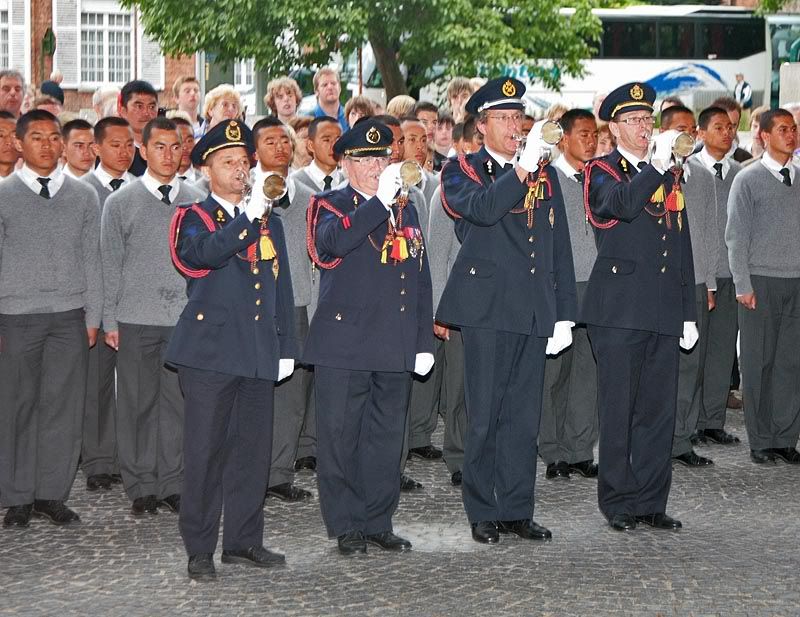
Every day at 8pm, a last post ceremony is conducted under the auspices of the Royal British Legion and led by Buglers from the local Fire Brigade. During the ceremony, poppy wreaths are laid by members of the general public (by prior arrangement). It is always packed, the silence is always impeccable. The townspeople of Ypres ALWAYS remember.
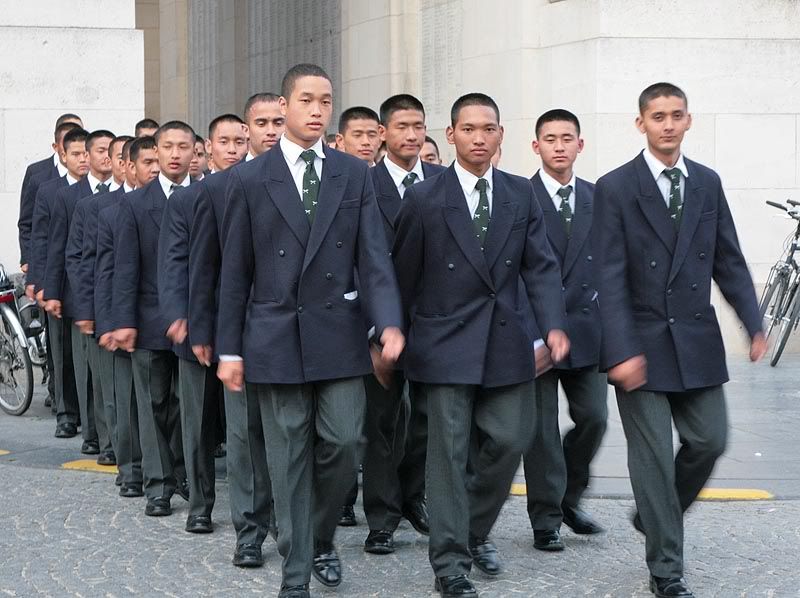
While we were there, as I said earlier, there were two parties from the Army garrison at Catterick. The Gurkahs and the Guards. I was a very moving moment when the marched into each end of the gate and has what appeared to be a good natured (they were seen in various bars with each other later) marching competition before the ceremony. The future of the Army is in good hands if these young men are anything to go by, fiercely proud of what they represented they conducted themselves with dignity throughout their stay in town. As an aside the town of Ypres is beautiful and the people are very welcoming and friendly and EVERY shop sells Poppies.
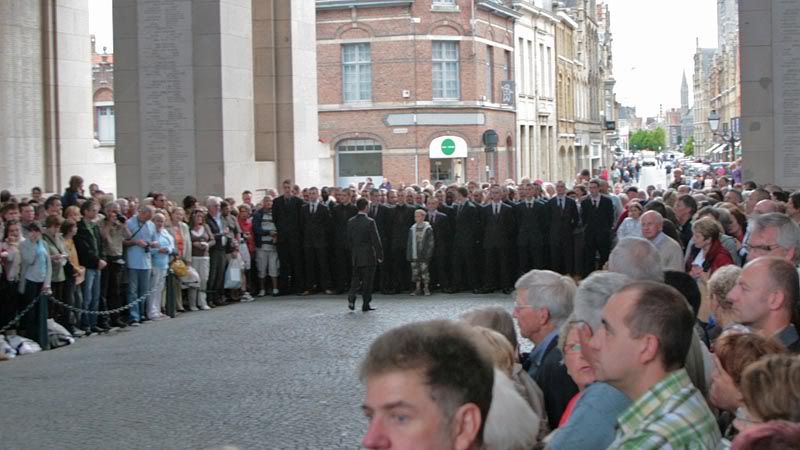
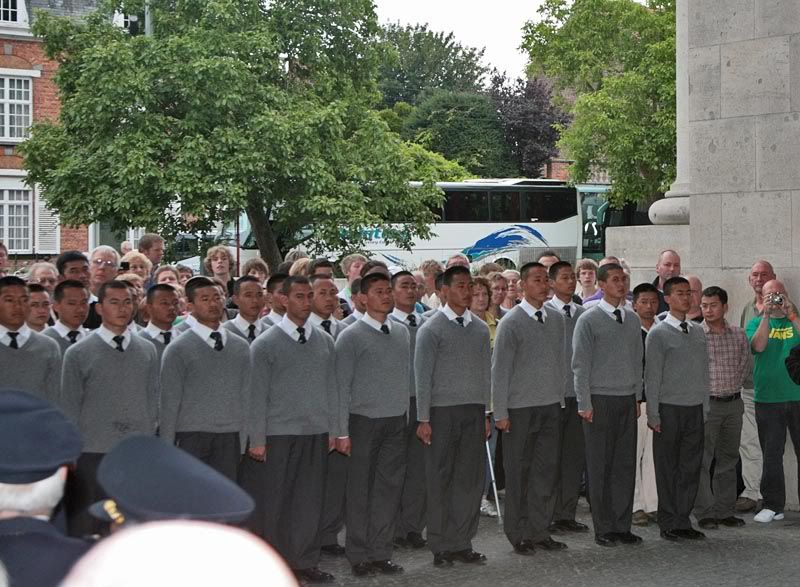
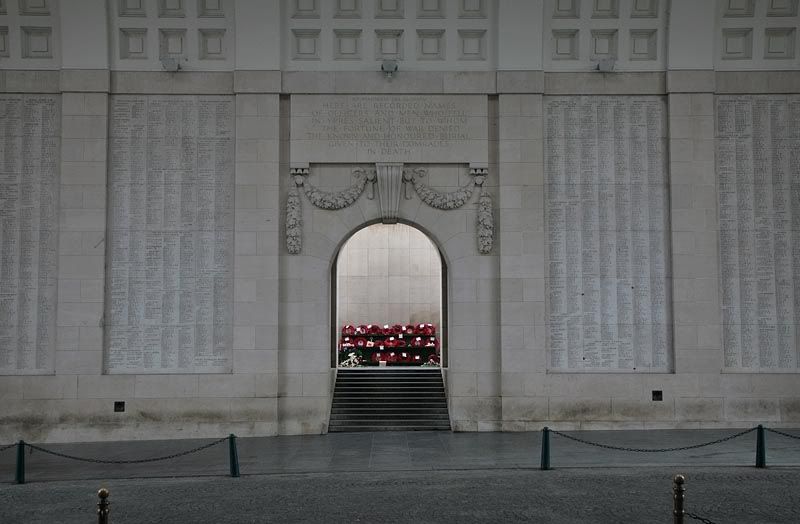
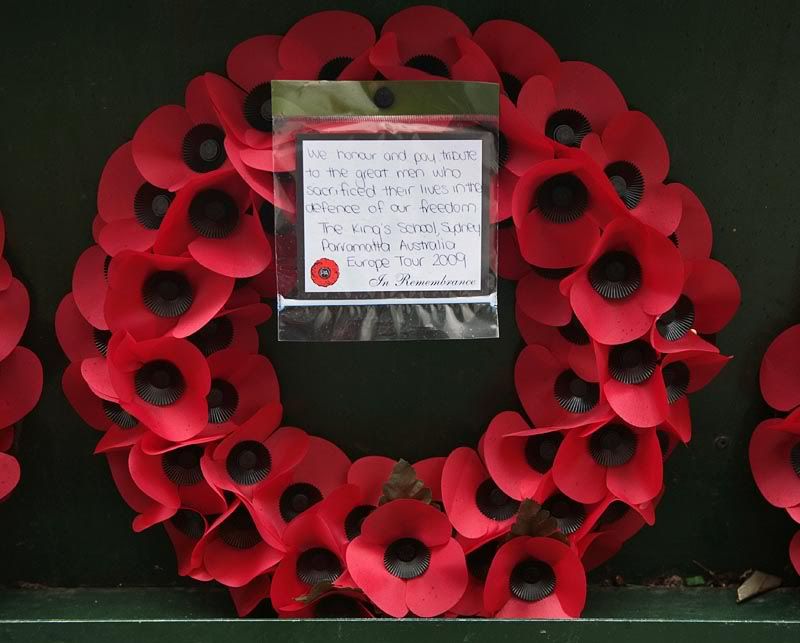
People from all over the world attend, this school from Australia laid a wreath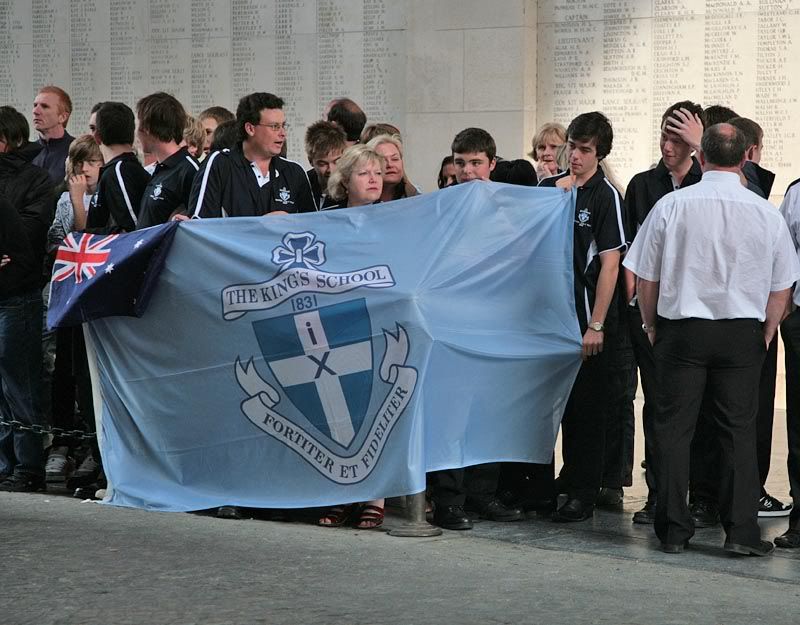
The Buglers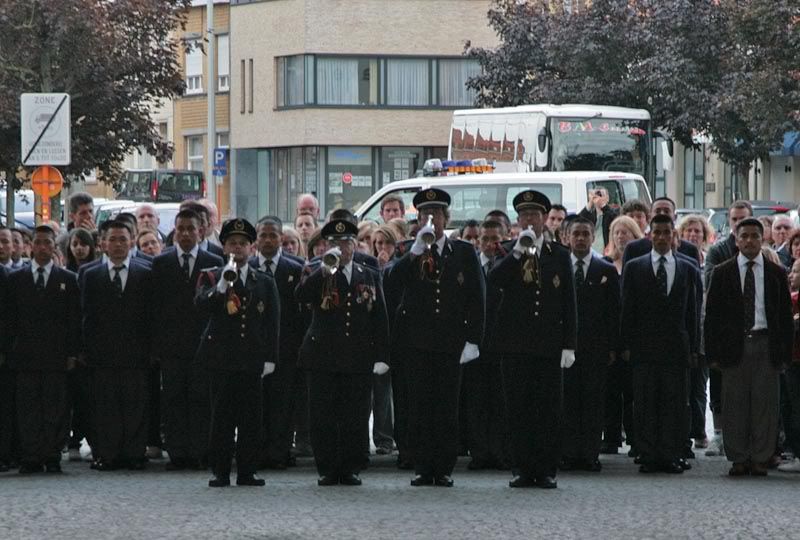
This young lad was wearing his great grandfather’s medals, there wasn’t a dry eye in the house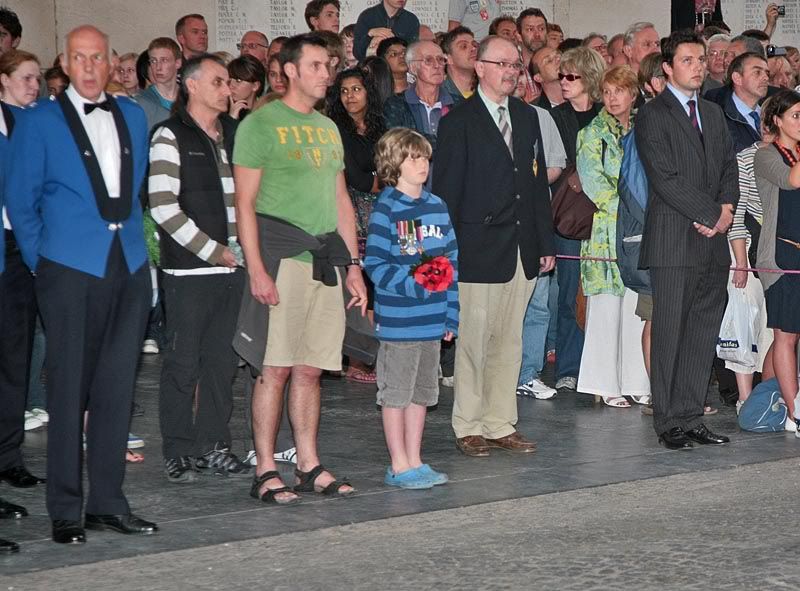
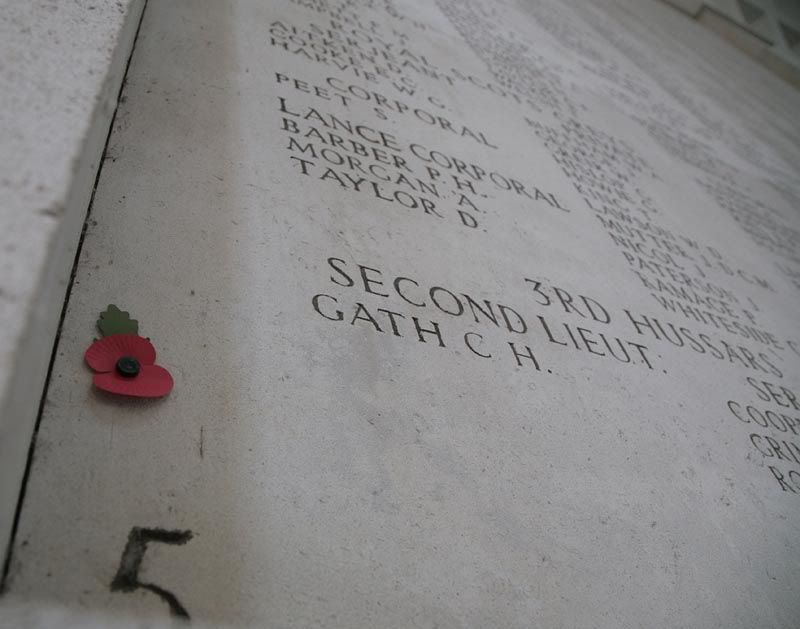
Finally there was a surprise in store. I have known for ages that my own Great Grandfather served on the Somme. As far as I was aware he was the only member of my family who served during the war. Having an uncommon surname (if its spelt the same way we are related, however distantly) sometimes comes in handy. As I was waiting for the ceremony I was glancing around the walls looking at the names, not expecting to find anything and to my complete surprise I found this.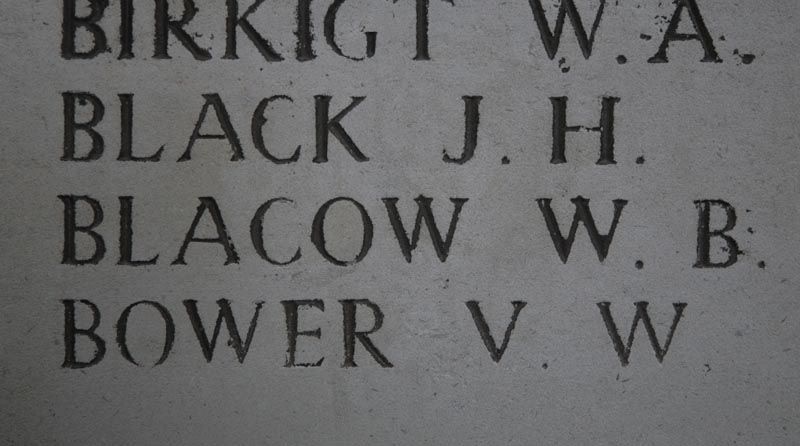
Listed under the South African Infantry. As I said, the name s the same so we are related, but I am not aware of any South African family. Checking the register finds this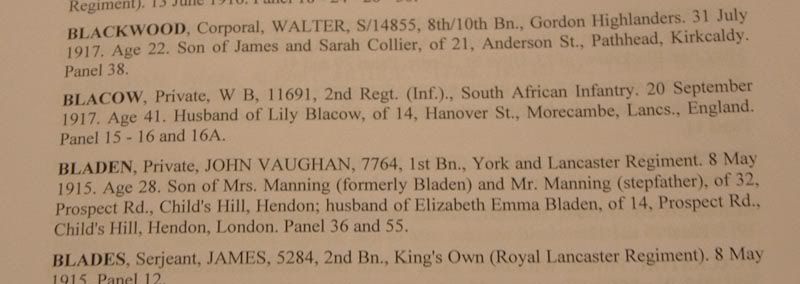
This cleared things up a bit, the address is in the right area to be family and I have a spouses name as well. I will have to do some digging through the family history, I am looking forward to it.
It seems odd but, discovering this made me feel better about touring round the Cemeteries, I felt an empathy in a strange way.
Before we left I placed a small tribute on the wall by his name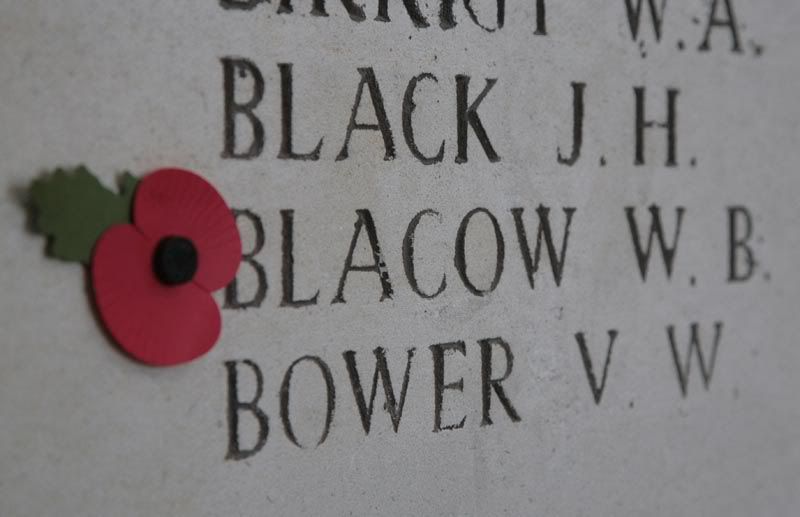
If you haven’t been, then go. If you have been, then go again. It puts everything into perspective.
It certainly beats an over hyped airshow.
In Flanders fields the poppies blow
Between the crosses, row on row,
That mark our place; and in the sky
The larks, still bravely singing, fly
Scarce heard amid the guns below.
We are the Dead. Short days ago
We lived, felt dawn, saw sunset glow,
Loved and were loved, and now we lie
In Flanders fields.
Take up our quarrel with the foe:
To you from failing hands we throw
The torch; be yours to hold it high.
If ye break faith with us who die
We shall not sleep, though poppies grow
In Flanders fields.
ManonthefencePart 7
On the morning of the final day, we paid our respects to a truly heroic gentleman. Throughout the visit I had tried to treat all graves as equal, irrespective of rank, country or gallantry awards. However in Brandhoek Military Cemetery lies Capt Noel Chevasse VC and Bar! To win the highest award for gallantry takes a special person, twice is beyond my description. Both awards were for tending wounded under fire. His death was no more devastating to his family than any of his comrades, his life however was beyond compare.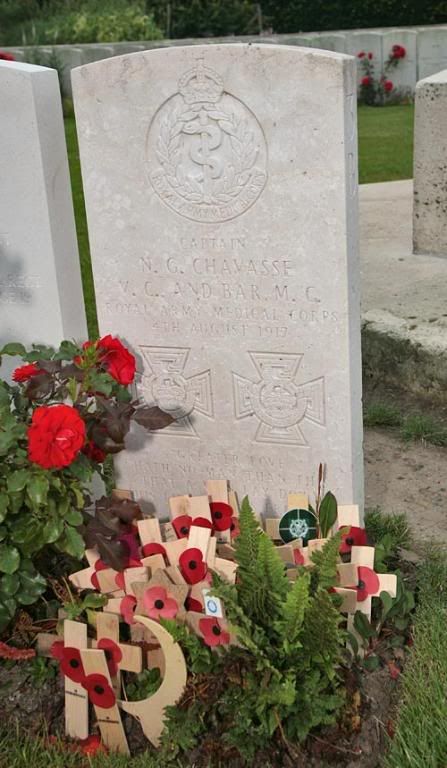
The Cemetery is in fact 3 Cemeteries very close to each other, like may others they are in a small hamlet by the side of a main road, over looked by the back gardens of the local villagers. The setting couldn’t be more perfect. The locals couldn’t have been friendlier to us throughout the trip.
Also here was the grave of one of the Chinese Labour Corps. Like all of his fallen comerades he is marked by his number and with one of two inscriptions. I this case the date of death is 1919, I suspect he died while clearing the battlefield.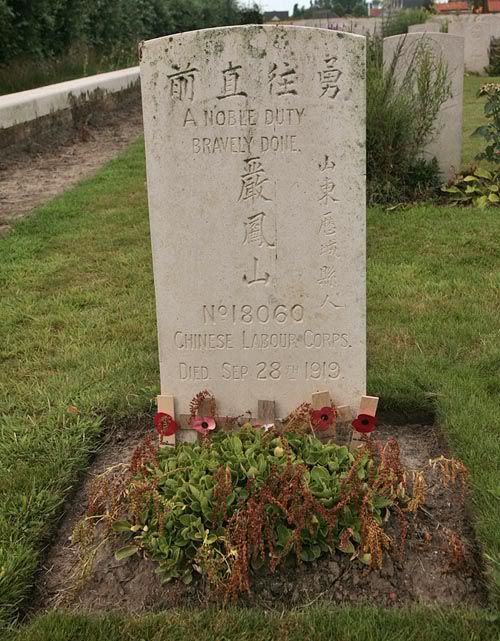
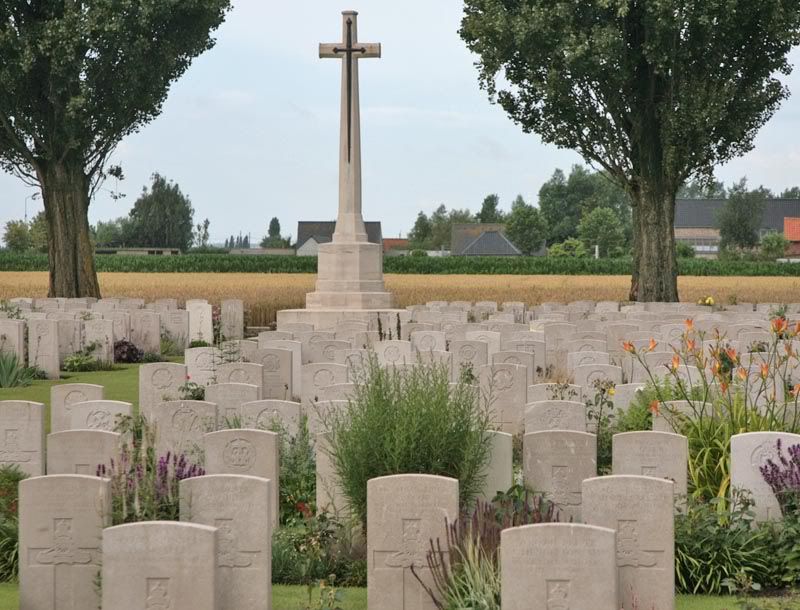
I said earlier that Tyne Cot was one of the most visited Cemeteries, our last stop was one of the least visited. Gwalia.
Its pretty easy to get to, but a bit isolated. But its worth the trip. Situated in an area that would have been a vast tented city, indeed it was very vulnerable to shelling and one grave holds 14 Men killed on the same day.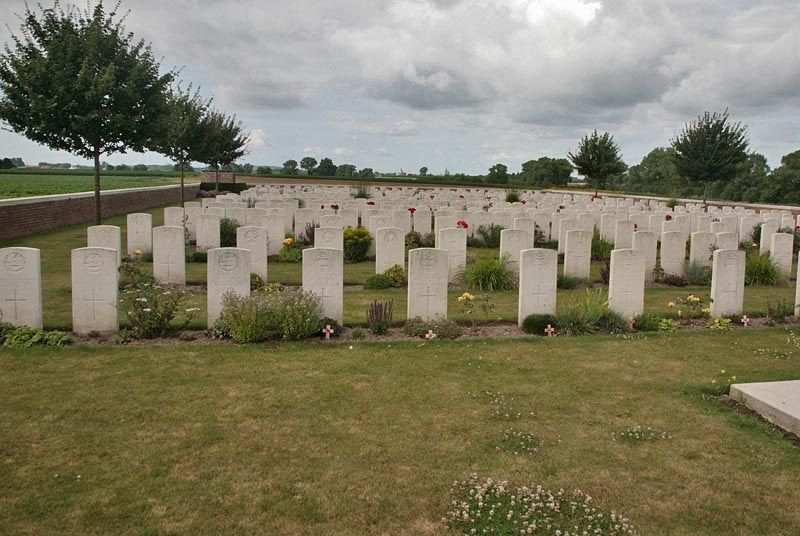
It is very beautiful though.
Foes buried side by side.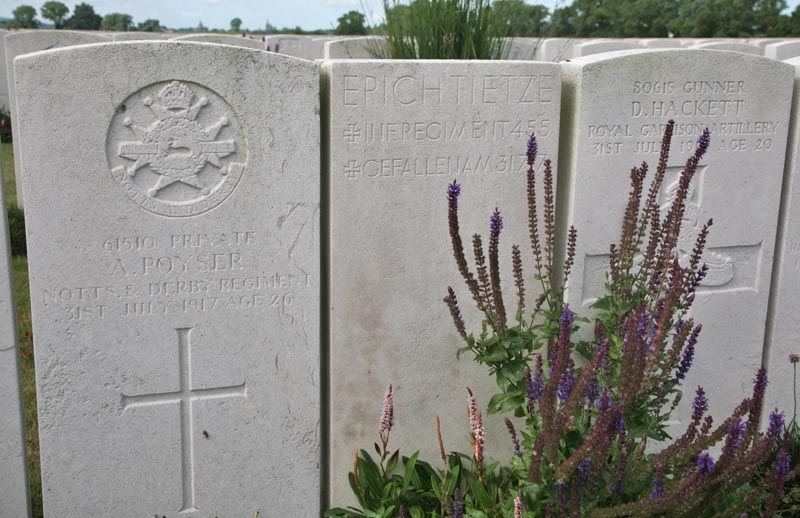
Lest we forget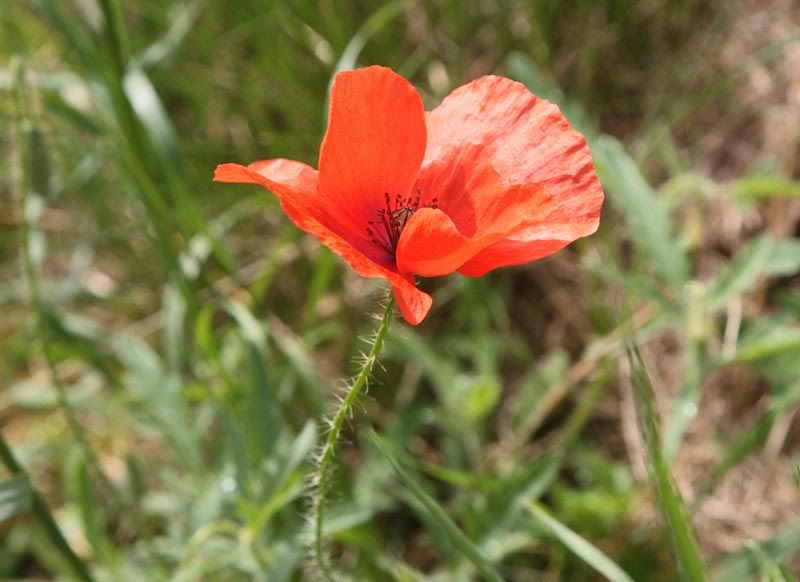
The Menin Gate and a discovery will complete the story.
ManonthefenceRoss, sadly not on this trip.
Part 6
In the town of Poperinge there is a building called Talbot House aka Toc H, this was a rest house for soldiers. It fulfills the same purpose today and rooms can be booked, I would recommend it as a stop, the tea is good! If yopu had a relative who served on the Salient, the chances are he passed through here.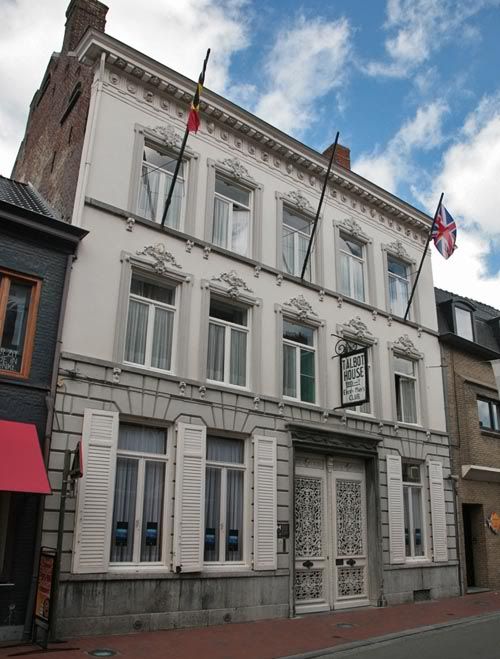
Essex Farm Cemetery, fames as the place the Poem In Flanders Fields was written by John McCrae, there is a memorial just outside the cemetery. Behind is a set of Bunkers that was used as a dressing station. Imagine being wounded and laying in here, the conditions are something wouldn’t wish on my worst enemy.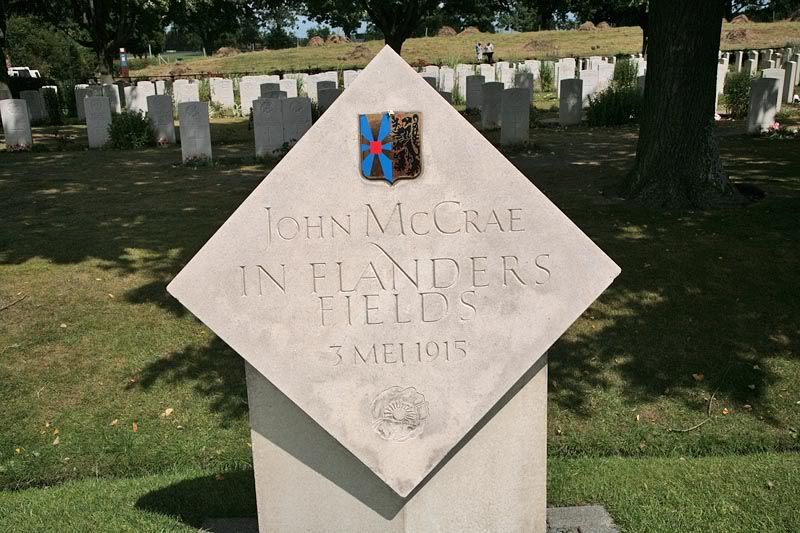
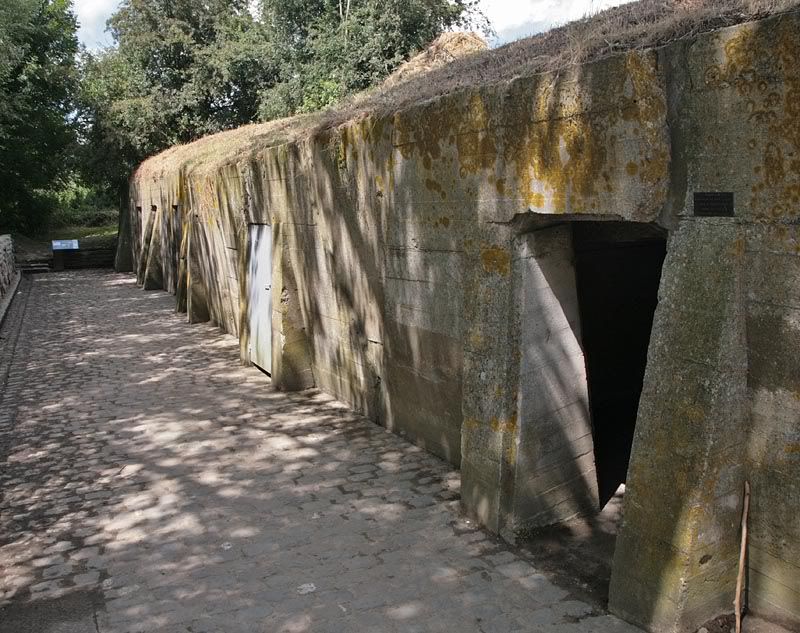
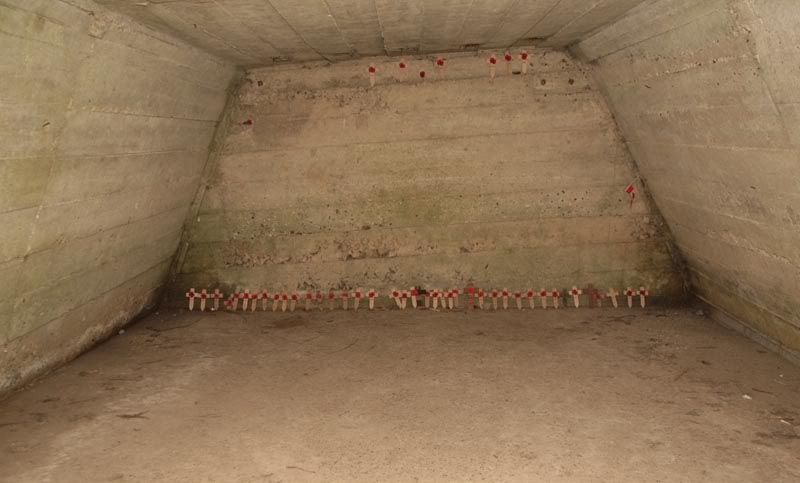
The cemetery includes the grave of Pvt V J Strudwick who was one of the youngest victims of the war at 15 years of age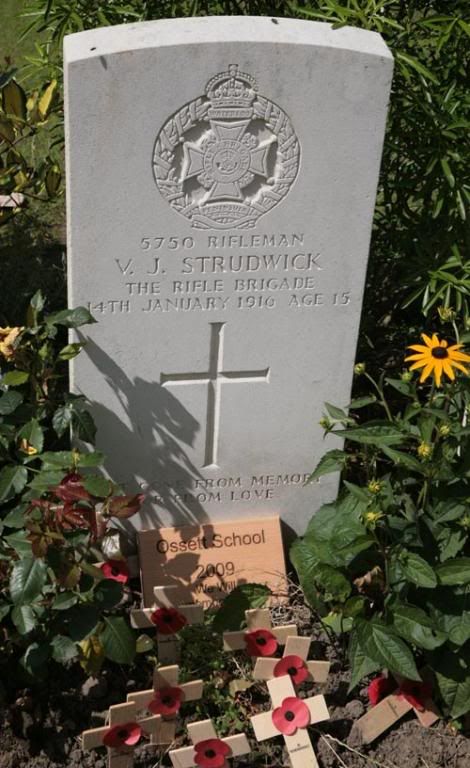
ManonthefencePart 5
The start of Day 3 took us to Bedford House Cemetery. Built on the site of a moated Chateau, it was used by nearby field dressings stations and contains 5048 Burials (including 1 VC)
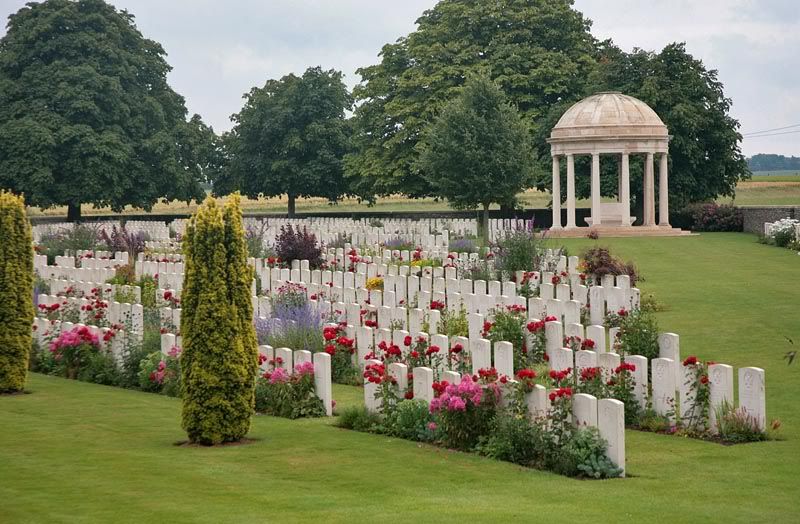
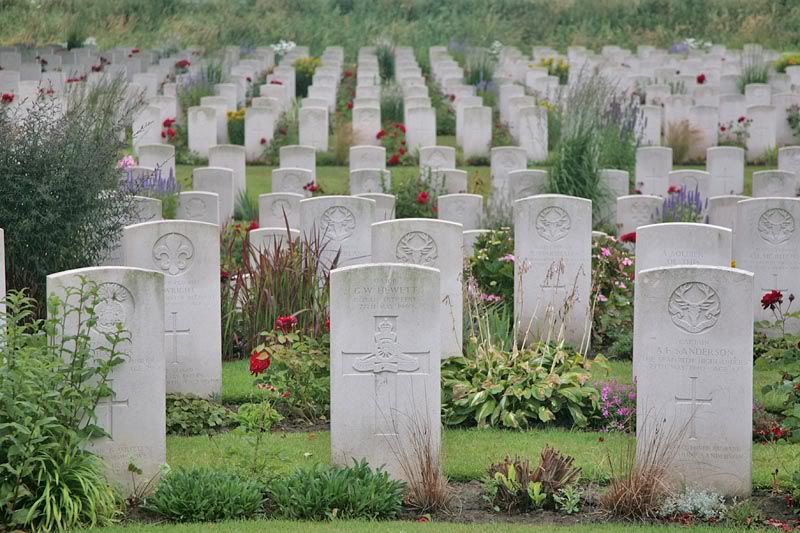
The VC is Temp 2nd Lt Rupert Price Hallowes of the 4th Bn Middlesex Regt, who for 5 days inspired his men with no thought for his own safety until he was killed on 20th Sept 1915.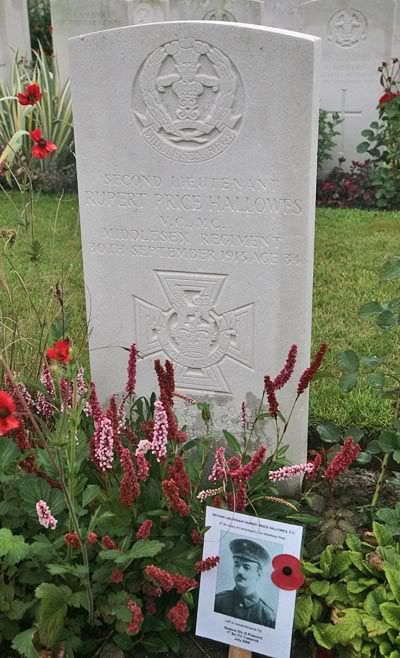
Nearby at Lankhof Farm, surrounded by a moat are the remains of shell proof bunkers.
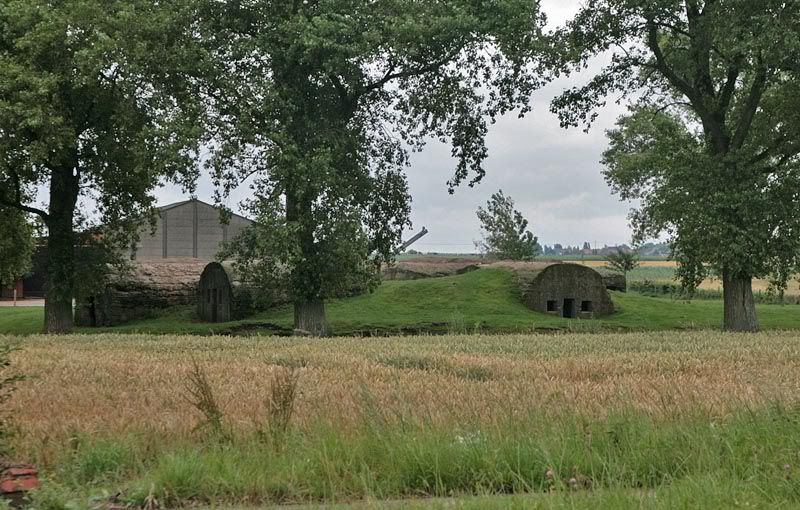
On to the Island of Ireland memorial, I wont say much here as we bumped into Ian Hislop and a Channel 4 film crew who were filming a piece for a program to be broadcast near Armistice Day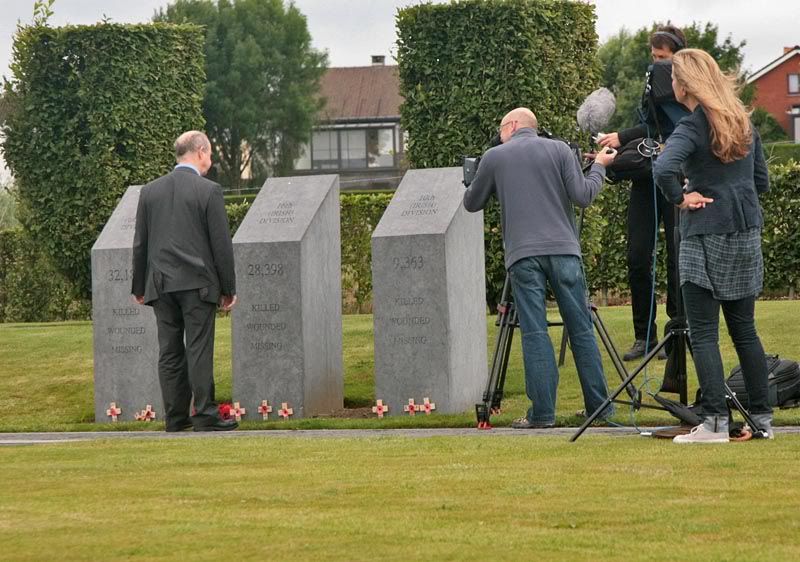
This just about sums it all up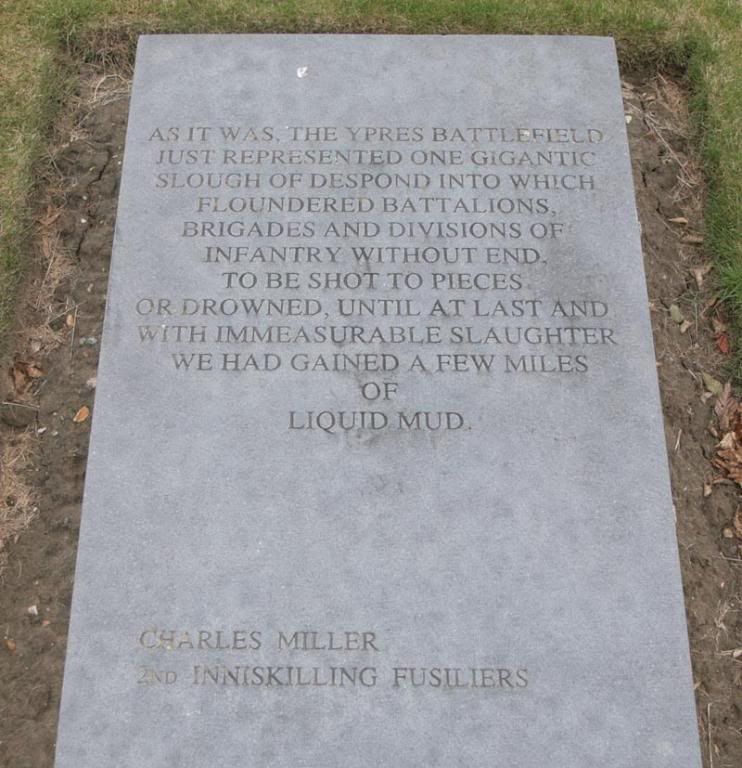
Onwards to Hyde Park Corner near Plugstreet Woods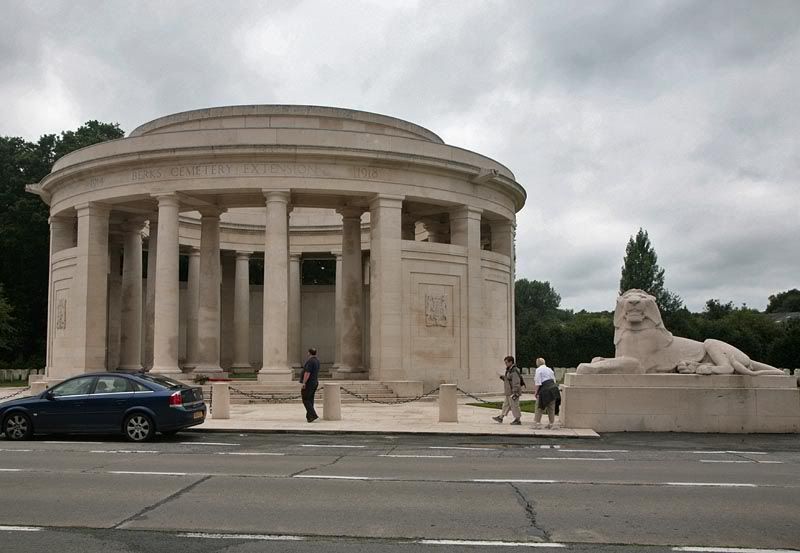
Here lies the grave of 16 year old Albert French who was the subject of a Radio 4 documentary “He shouldn’t have been there, should he”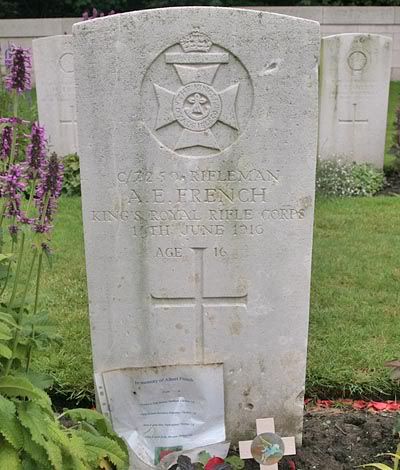
A view into the dense Plugstreet Woods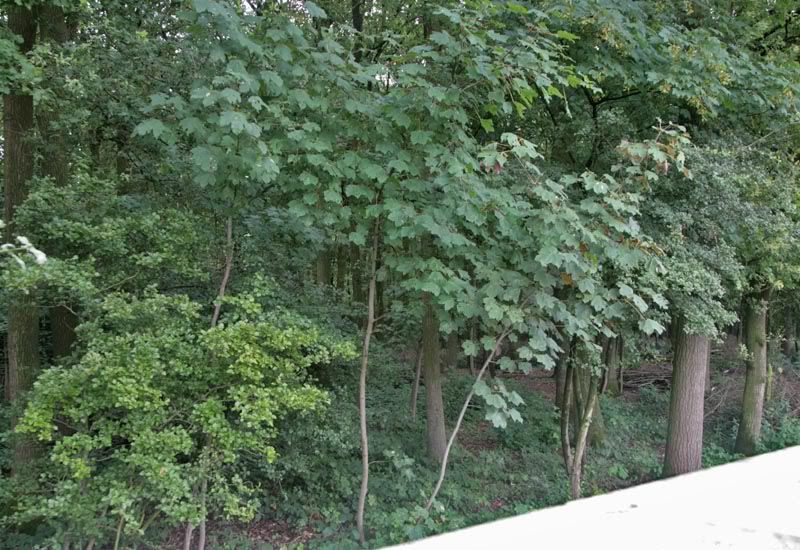
On a very rough back road we came across the memorial to the 1914 Christmas Truce (by this time we were above the weather but below sea level!!!)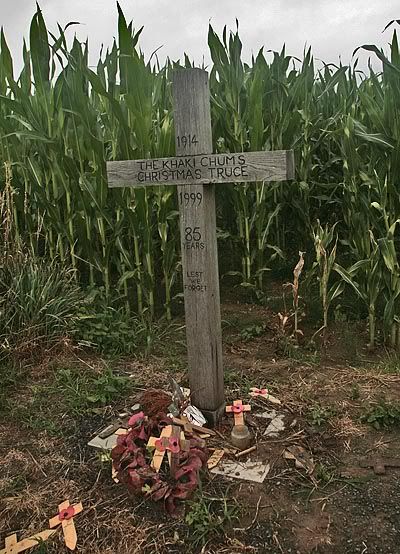
The aptly named Mud Corner Cemetery, with another on the horizon. Plugstreet woods is dotted with cemeteries.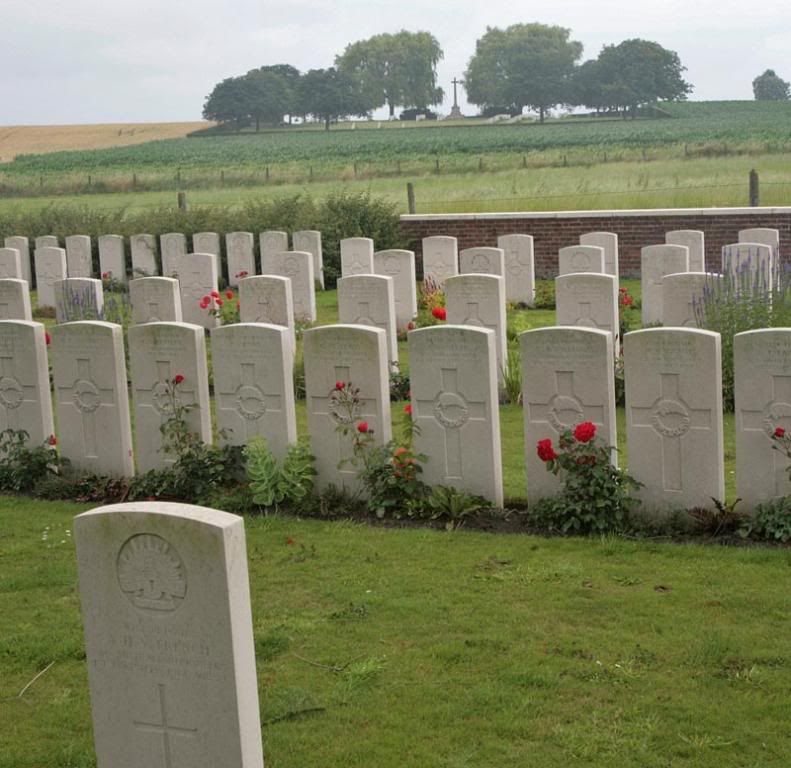
ManonthefencePart 4 – Tyne Cot
Tyne Cot Cemetery is the largest and most visited CWGC in the world. It contains 12000 graves with a further 35000 names of the missing listed on the rear wall. Its situated on the site of 3 concrete bunkers, all are still present with one forming the base of the cross of sacrifice.
I just didn’t know where to start.
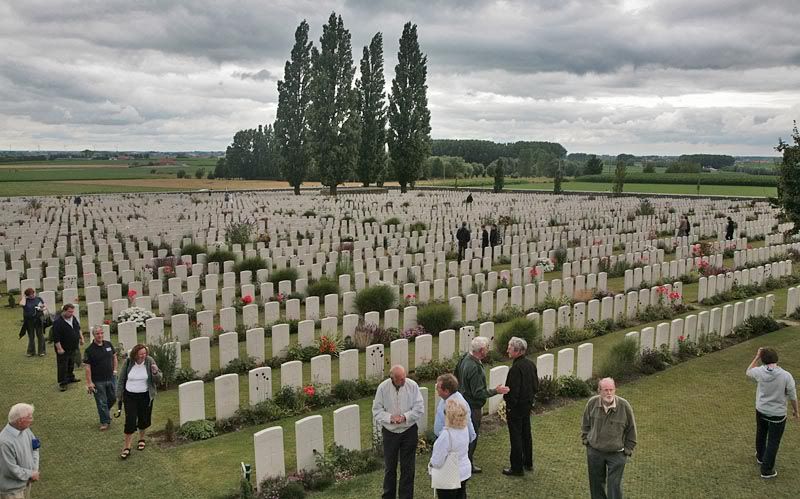
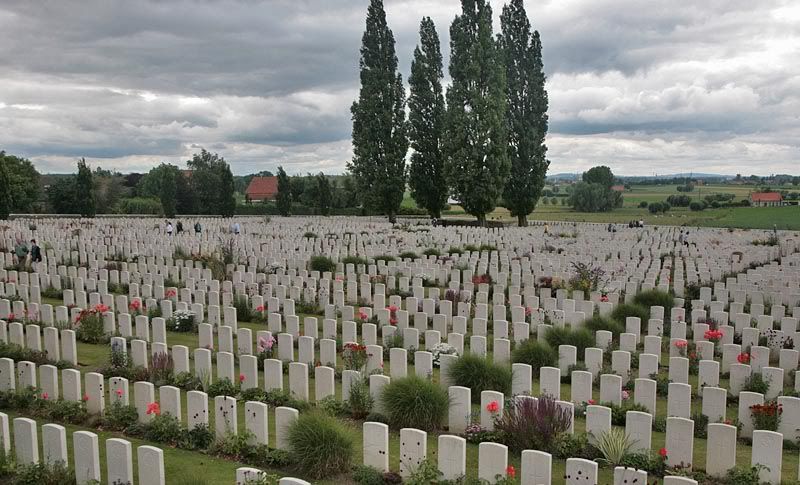
A stone commemorating men whose graves were destroyed in subsequent fighting, these are surprisingly common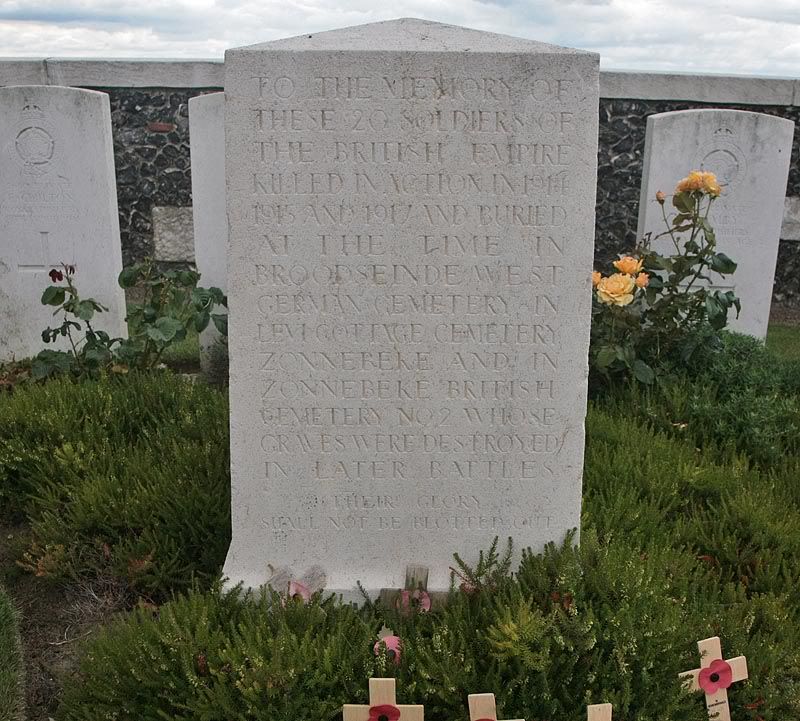
The Blockhouse is still visible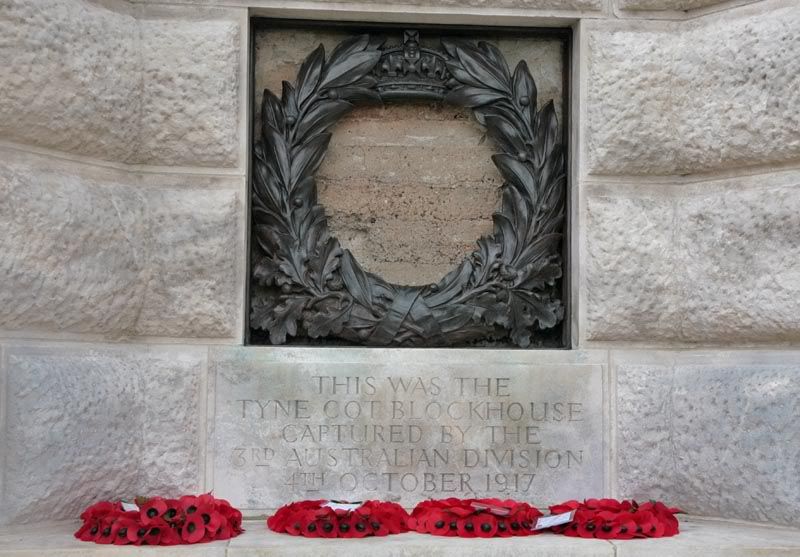
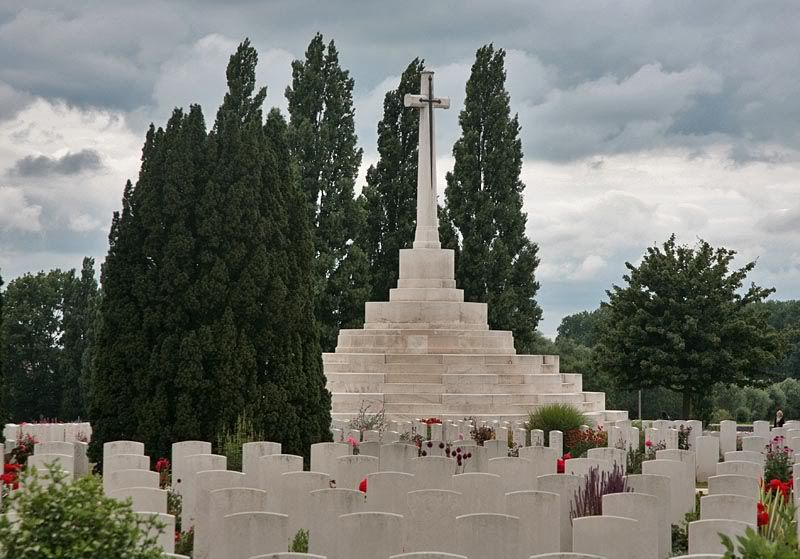
A crew who died together?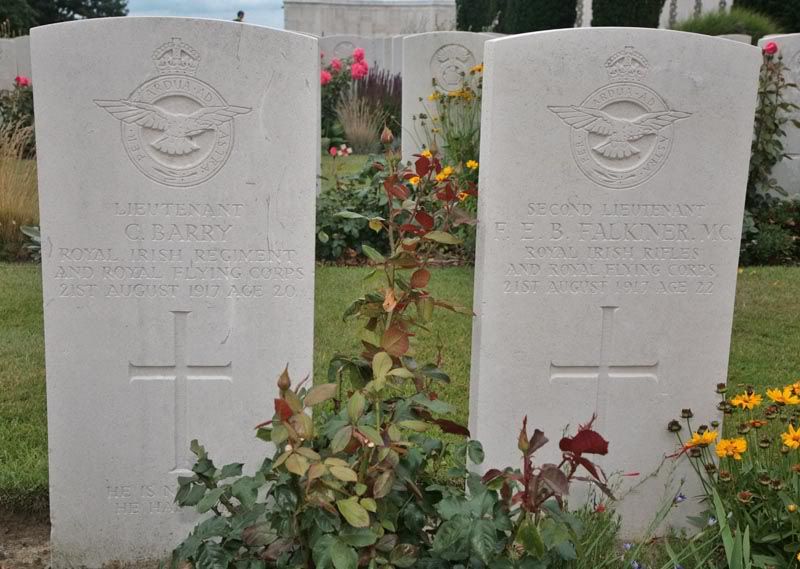
Very sobering, one could guess that they died together in the same shell hole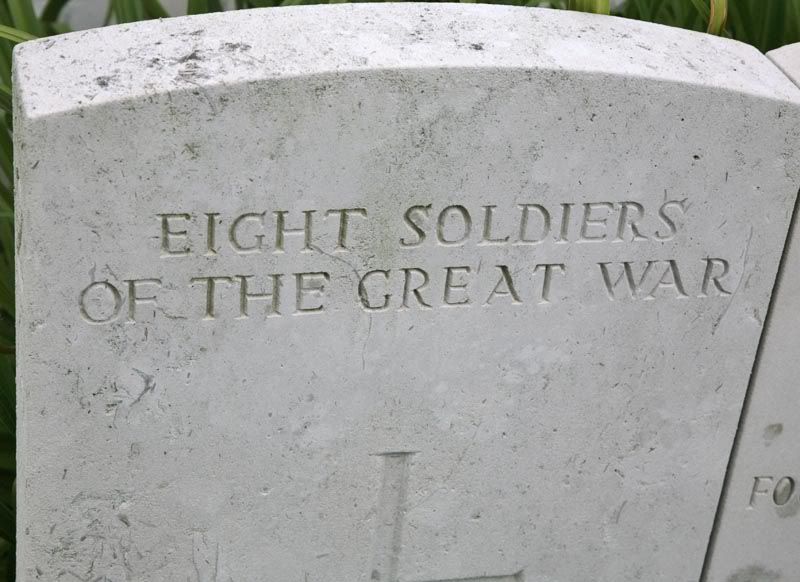
ManonthefencePart 3
Day 2 dawned wet, very appropriate considering the reputation of all 4 Ypres battles for the Mud.
The first part of the day was spent in the town centre first looking round the rebuild Cathedral, as with all houses of religion, I appreciate the architecture but don’t believe the message (although I do respect it)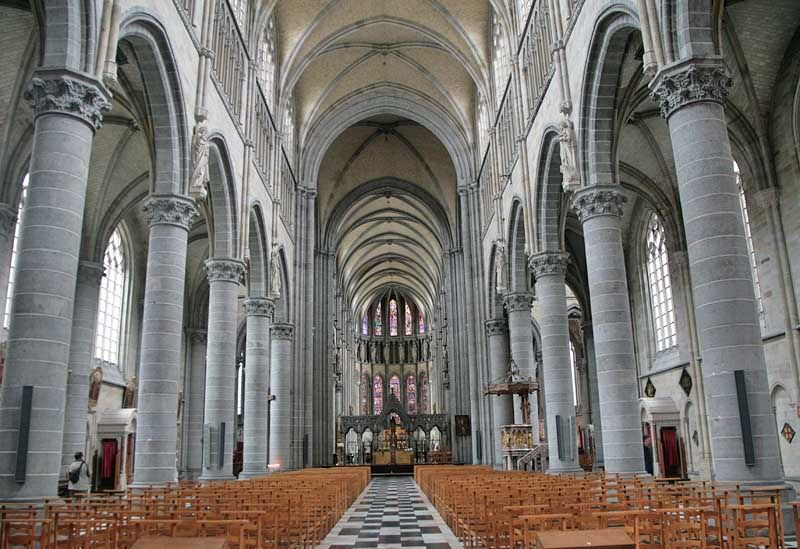
Inside the Cloth Hall is the “In Flanders Fields” Museum. It doesn’t contain many artifacts, focusing instead on telling the story of the 4 battles. When we went round we have a party of English School kids with us, the were lively and noisy as you would expect but they were lead by an excellent teacher who had clearly been here before. Part of the exhibition takes in the use of Gas on the battlefield, when the kids approached he quietened them down, th tableau starts with a very loud explosion which had them all jumping, this is followed by a description of the effects of gas and some original gas masks mounted in well lit tubes.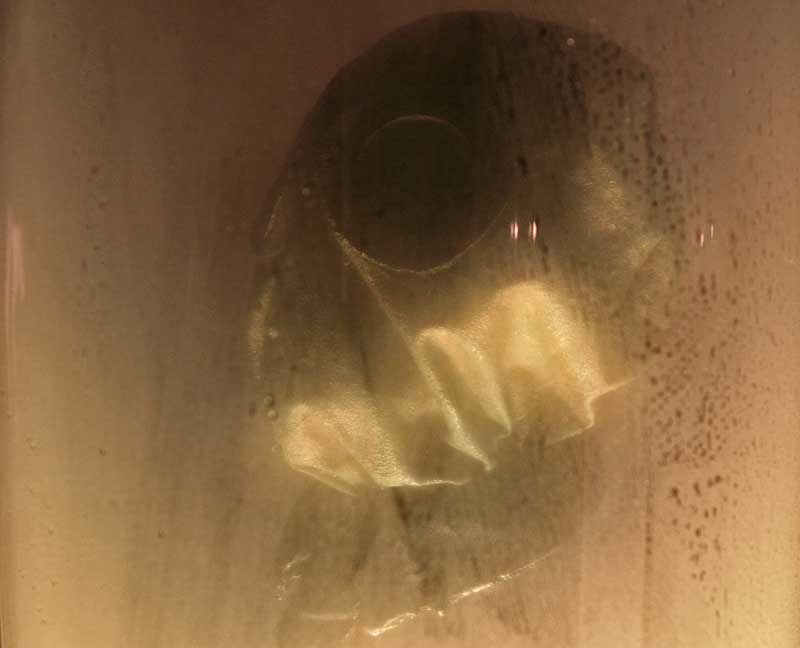
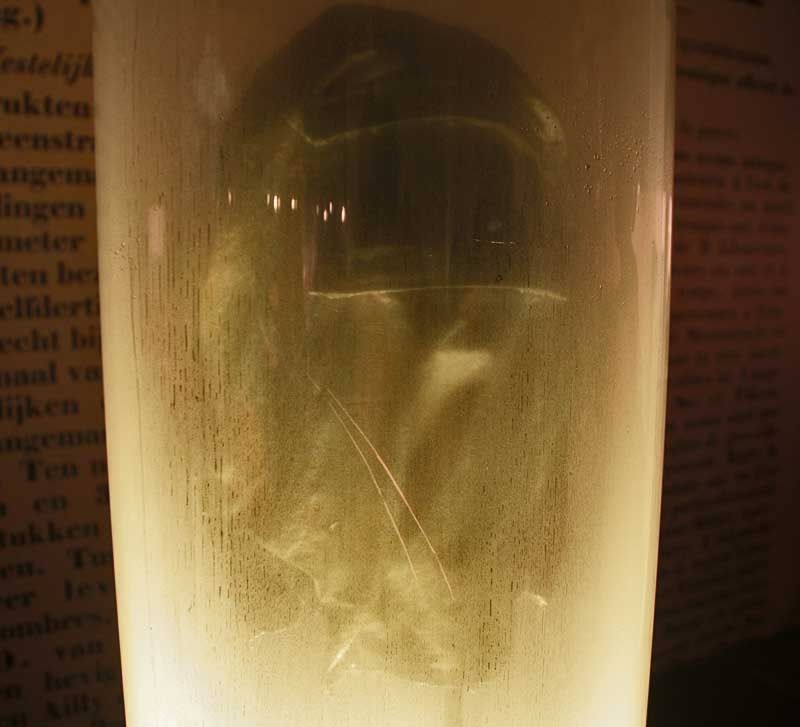
They got the message!
On the way out there is a superb model of a house pulling an Ammo Truck to emphasise the use of animals on the front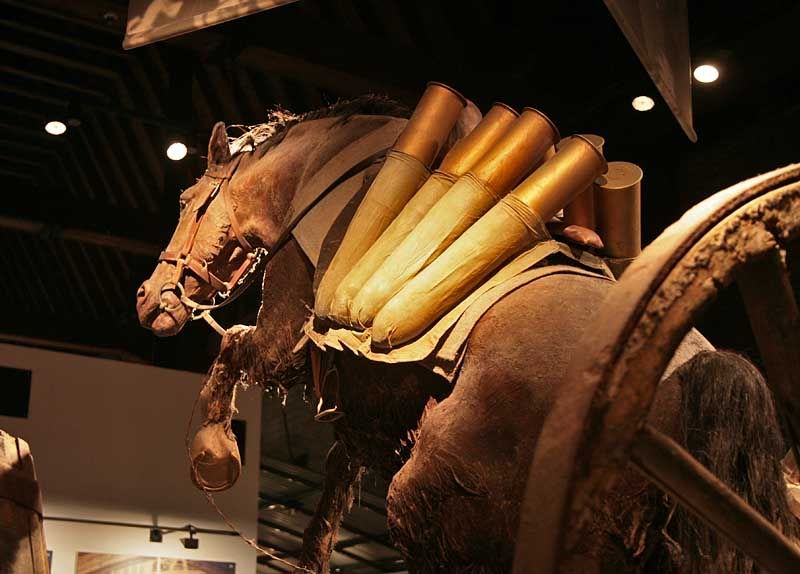
Hill 60
This is/was an artificial hill formed when a railway cutting was dug before the war. It was the site of an underground battle and its here that the first British mine of the war was exploded.
The Hill was left after the war and is now run by the CWGC, Here is what remains of the crater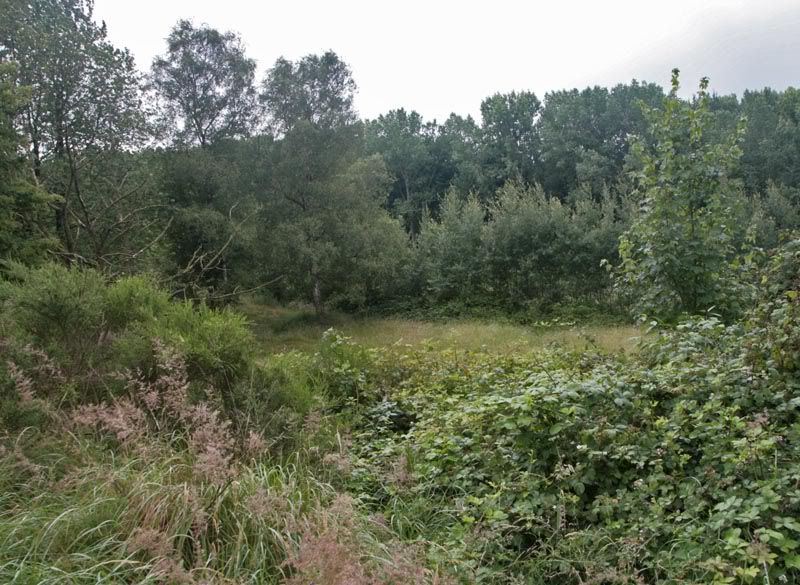
There is still a small amount of battle detritus laying here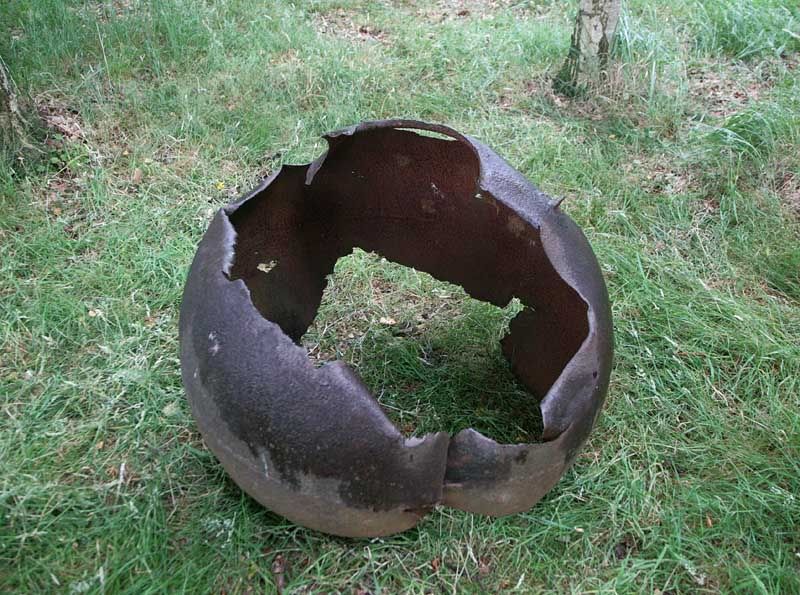
On our trip round the battlefield we seemed to bump into two parties of Soldiers undergoing basic training at Catterick and as part of this they were taken on a battlefield tour, all between 17-20 ish (not much older than many who served here) they are loud and boisterous as you would expect, but they listened intently to what they were told (their tour guide was trying to show them how the lessons learned here applied to today’s wars) and they did us proud later. One party was from The Guards, the other were Gurkahs.
To the rear of the crater there was an old defensive blockhouse, literally covered in memorials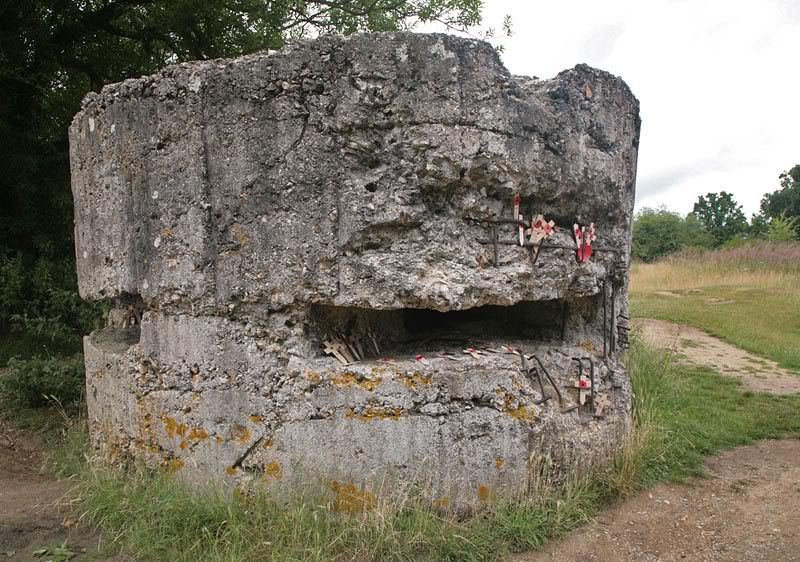
Some were very old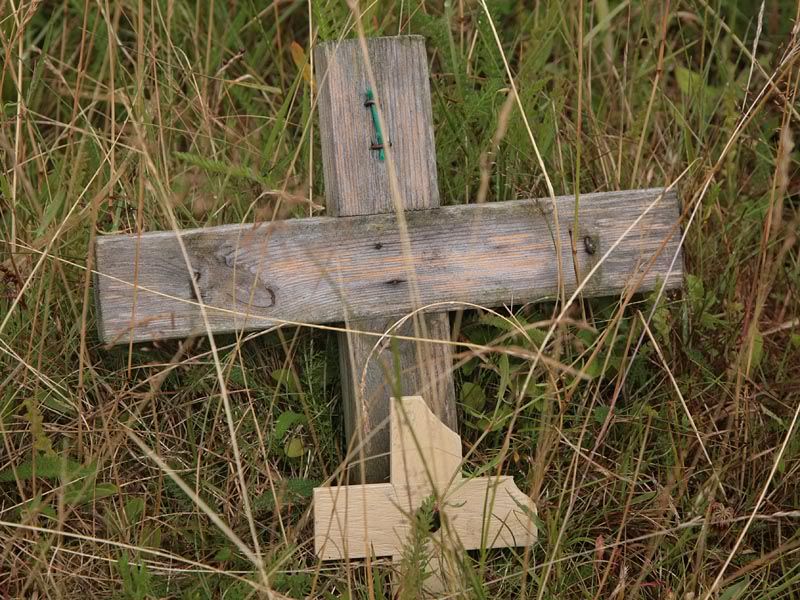
This one caught my eye, somehow I have no doubt it means what it says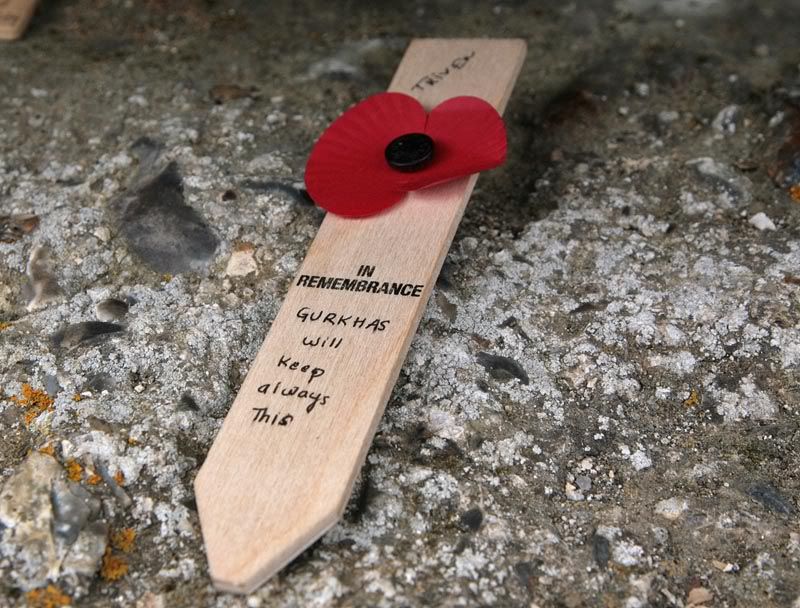
Next stop, Tyne Cot.
Manonthefencelets face it Rob, its shoved in the corner in the dark and is anything but a fitting memorial to those who flew and died in them. But from the RAFM under Fopp I would expect nothing less.
Part 2
The town of Ypres was pretty much destroyed during the fighting, it is very sobering to think that practically every building you see within the town (and nearly the salient as a whole) was reconstructed after the war. Indeed as the British and French governments were busy arguing about what to do with Ypres, the Belgians were already rebuilding it. This process finally finished in 1967 with the completion of the beautiful Cloth Hall.
Ypres was a walled city and the Gate on the Menin Road was reconstructed after the war as a memorial to those who have no known grave. Hey are commemorated every night of the year at 2000 hrs with the famous Last Post Ceremony. This took on a particular significance for me, but more of that later.
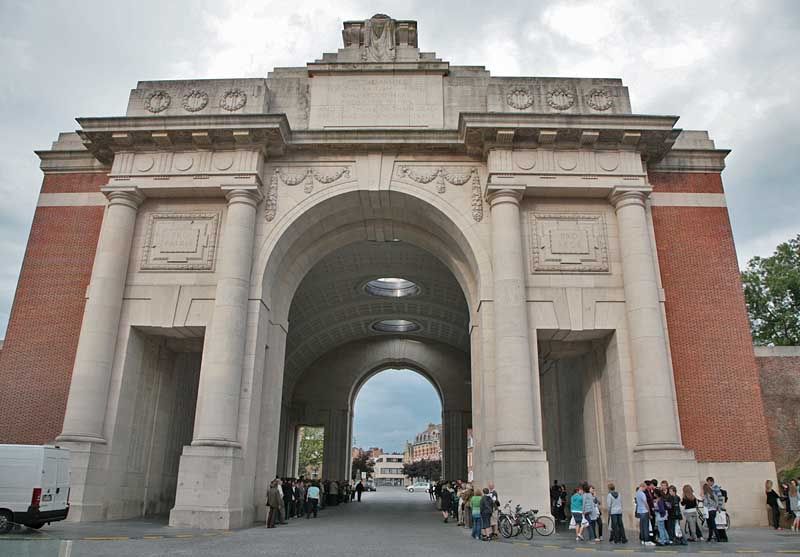
The original Battlements have been restored and now make a very peaceful walk after an excellent evening meal. If one walks from the Menin Gate so the south you will reach the Lille Gate, which was the most used by the BEF for entering and leaving the City owing to the Menin Road being heavily shelled. Right by the Lille gate lies the Ypres Ramparts Cemetary, this is possibly one of the most peaceful I have visited. It also contains the ashes of Rose Coombs MBE who did so much to keep alive the memories of the great War when she worked for the IWM.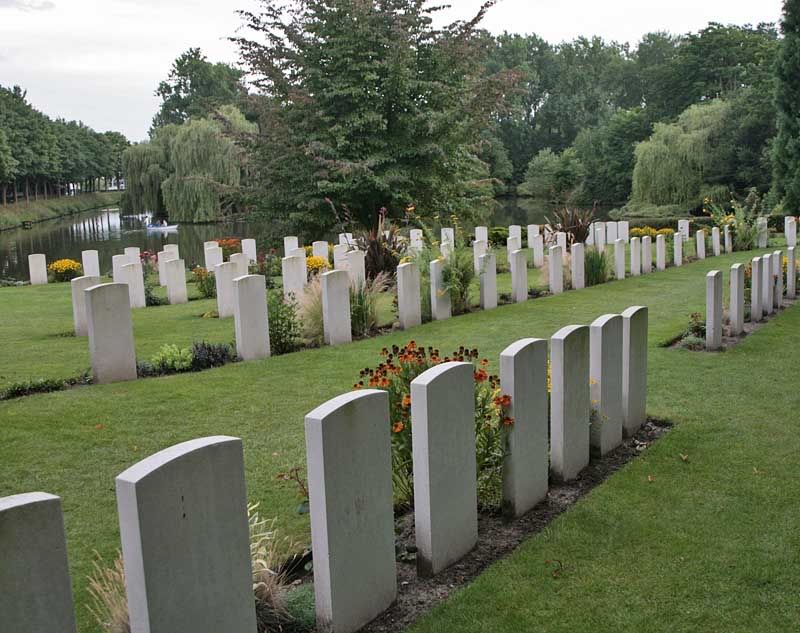
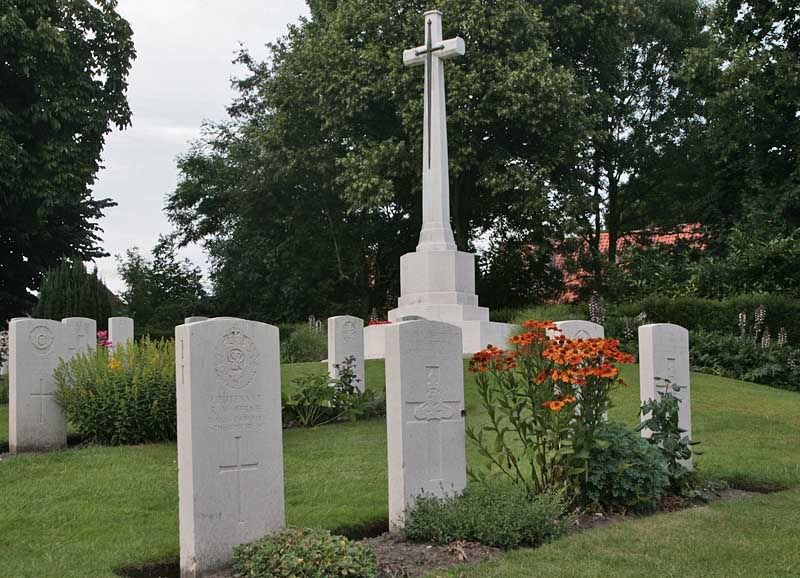
On the gate itself there are some old IWGC markers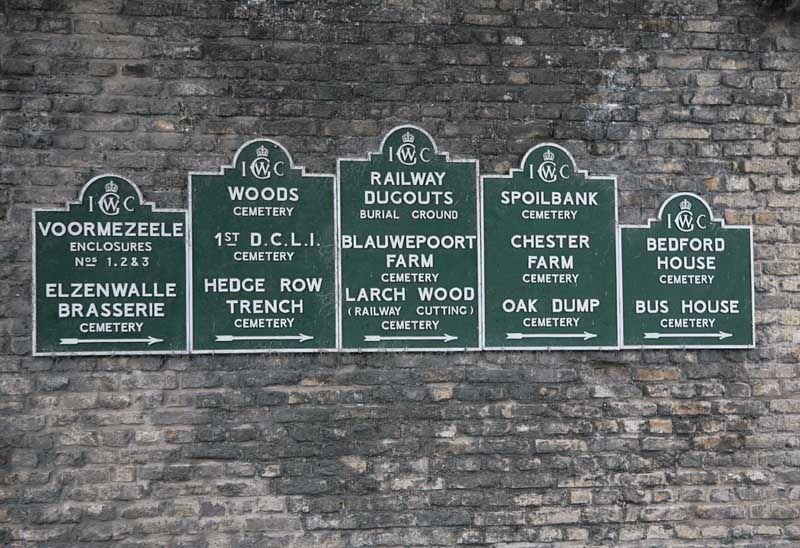
ManonthefenceI think we can wait for the official version from TFC please….
Bruce
I am 41 years old. How long do you think I’ll have to wait?
Personally I’d rather hear it from the CAA.
ManonthefenceThe dogs name has nothing to do with it. Nigger is the codeword for the breeching of the Mohne Dam. To use anything else is changing history so as not to risk offending one section of the population, the very same group of people who are happy to use that word when describing each other.
So its either wrong or it isnt, which is it?
Political Correctness gone mad.
ManonthefenceWhich Hind is that then? The Shuttleworth one is still suffering from engine maladies.


 Sign In







