isn’t it a bit over simplified to take a fixed value as the increase of RCS when frequency get lower ?, i mean Aircraft airframe is a rather complex body, It already complicated with simple sphere, plate shape …
Yes it is. But I’m sure the authors of that text book have taken into account what design attributes constitute a V/LO aircraft – hence rendering your reams of ‘RCS 101’ irrelevant & unnecessary (again).
Note that the differences between 1Ghz (UHF/L Band) and 12Ghz Ku Band) are not that great.
Well, other supposedly reliable sources would contend the difference is closer to 18dB – which is roughly the difference between a small bird and an F-18. Eitherway, of much greater significance than you are postulating:
Btw, based on publicly available data, low band radars increase a VLO airframe by about 10dbm…
Could you share this “publicly available data”?…just that a certain Edward Lovick Jr. would beg to differ (page 119):
That’s not an “optical suit”. It’s LIDAR facilitating NOE flight via synthetic vision displays.
Go look at the canard and aft mounted wing layout of the JA-37and tell me why a similar layout for J-20 will not work.
The intake arrangement on the J-20 combined with the close-coupled canard is definitively not the most efficient wrt high AoA and sideslip. It’s the only close-coupled canard design that I know of that incorporates a LERX, which may go some way to mitigating the design’s detrimental effects on wing performance – primarily drag.
Sub & transonic vortex flow stability up to high AoA should (theoretically) be translated into high instantaneous turn rates, obviously for sustained it would require much higher thrust engines.
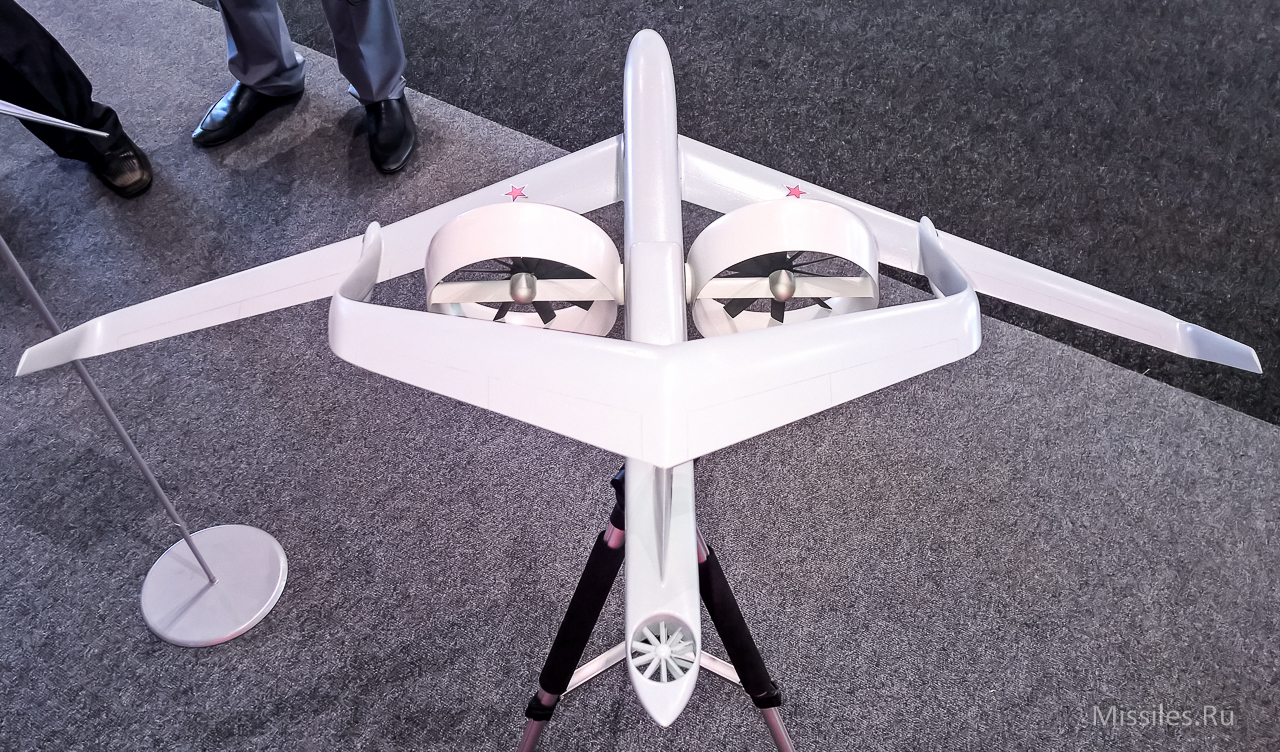
More realistic utilisation of lift fans:

http://missiles2go.ru/2015/08/29/maks-2015-kronshtadt-orion-fregat/
Lift fans must be a joke, but embedded arrays quite interesting:


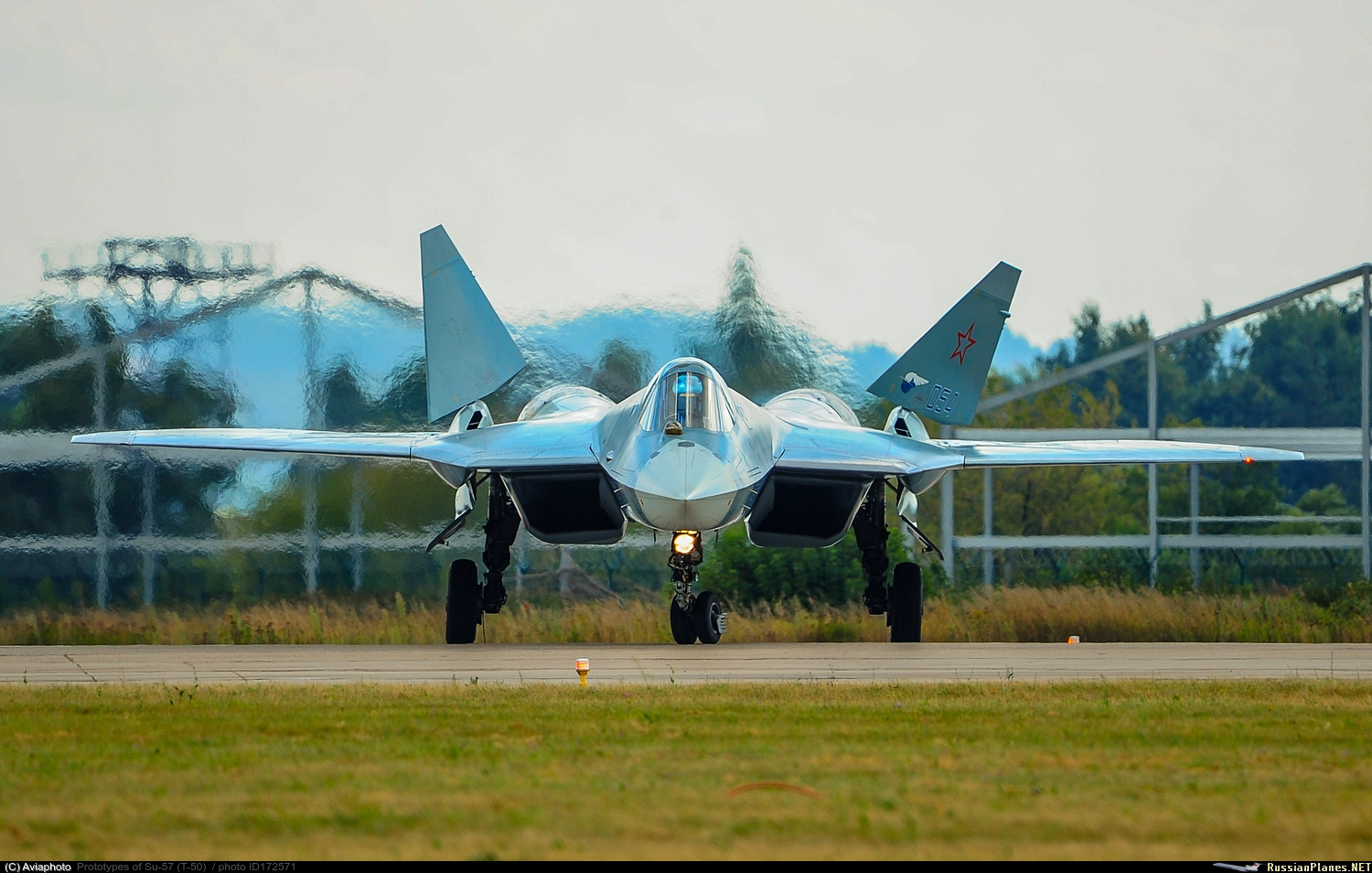
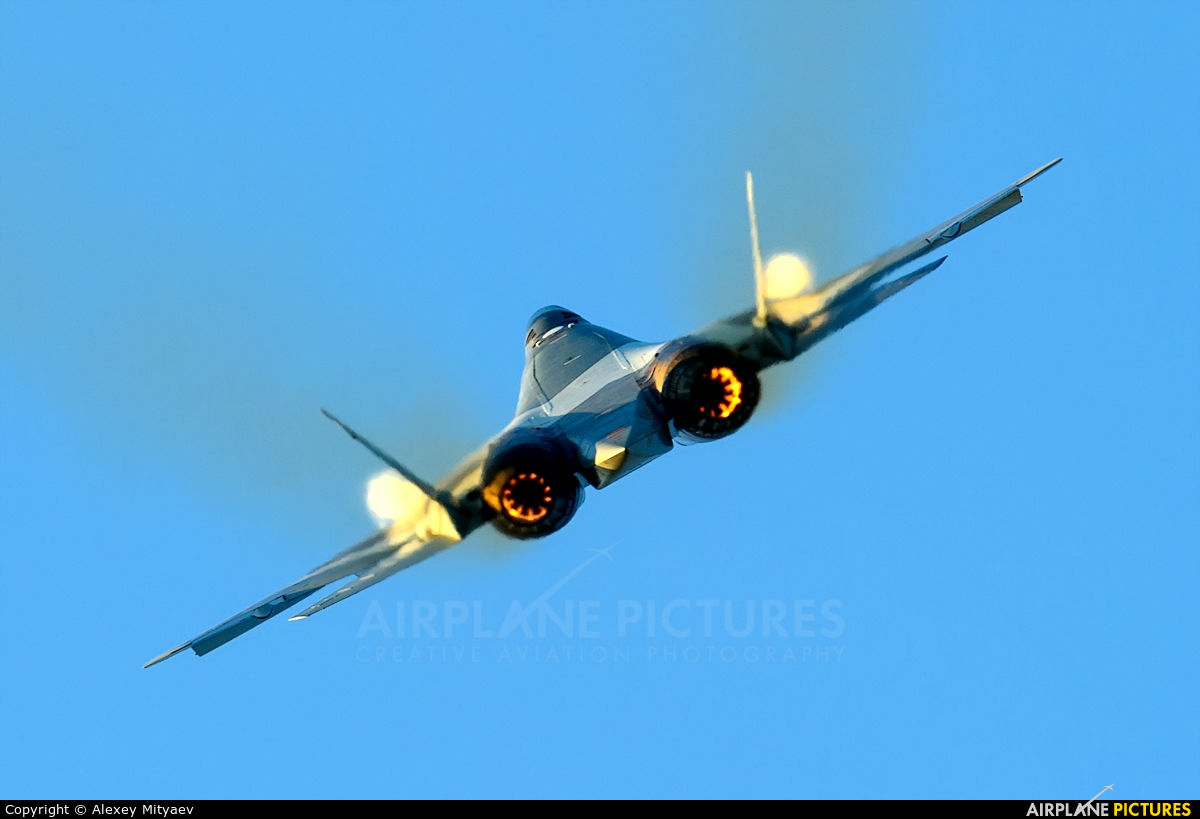
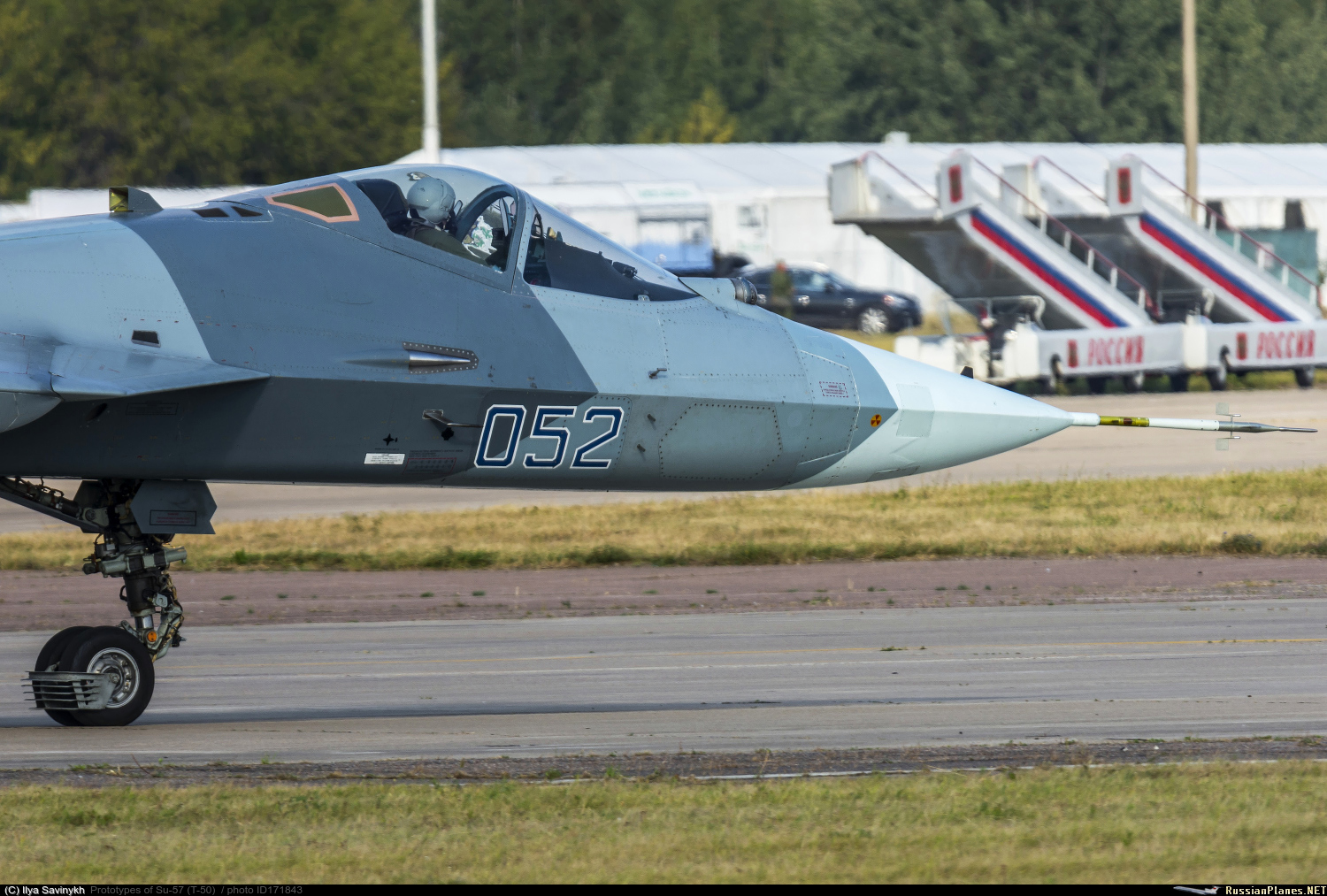
Yeah, apparently one solution to the T-50’s rear sector RCS reduction is nozzle deflection, so it makes sense to have that reflector for calibration during trials.
If one scrolls down to page 2 one can see robotic plasma spraying of high-temperature, erosion resistant RAM on the turbine nozzle and RAM treated afterburner elements:
20/08/15:

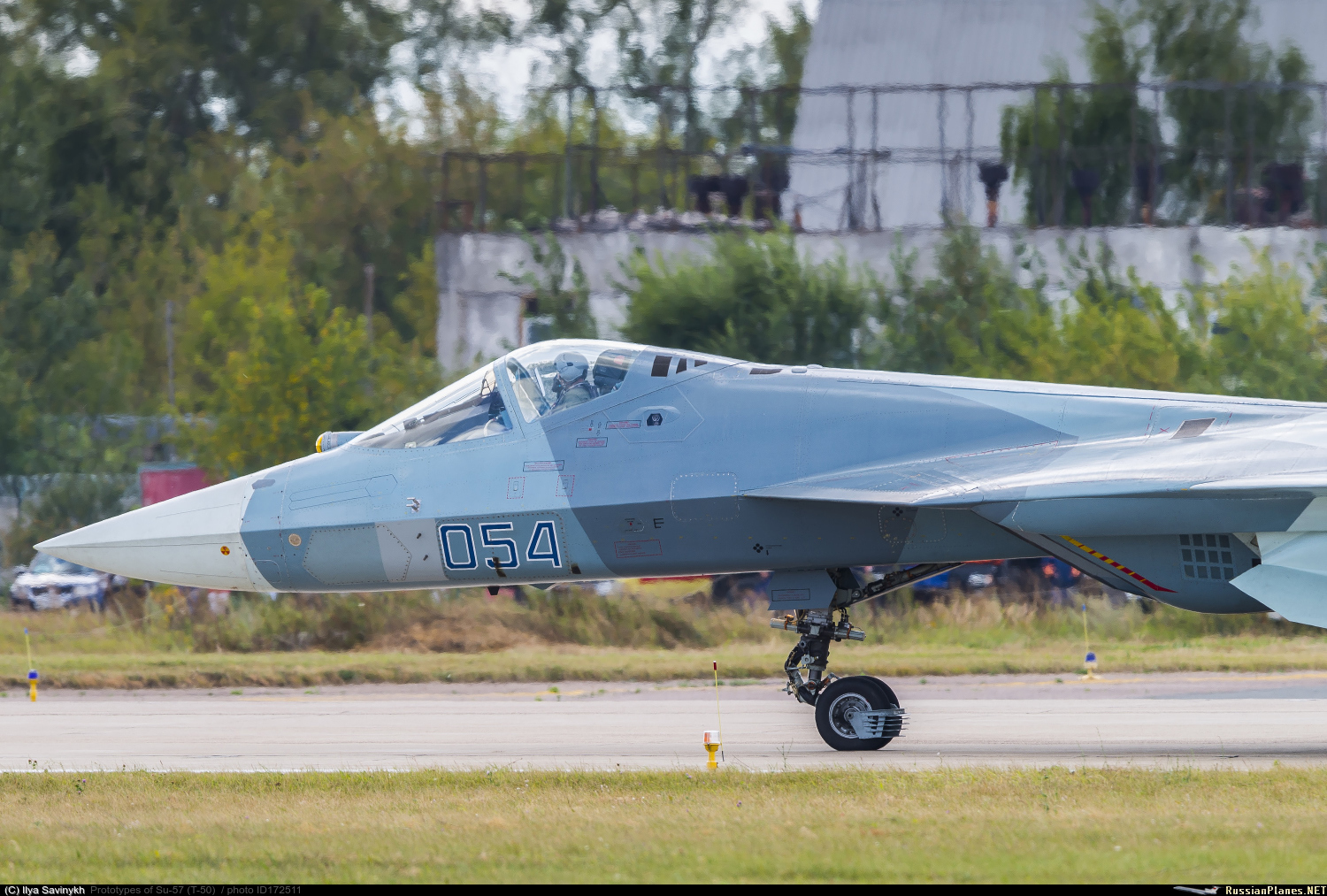
http://www.airplane-pictures.net/photo/602898/054-sukhoi-design-bureau-sukhoi-t-50/
27/08/15:
All the more proof that the recent order “cut” was not a response to the program funding being slashed, but the realistic development time still needed before serial production can really begin.
Which seems to reinforce the belief that the main problem is not Russian ideas and concepts but manufacturing processes and culture.
Well yours truly has been detailing for nearly 2 years now the polymer (and other) composites’ development and their respective timelines. Critical production technologies are only recently being inducted for pre-series ‘Stage 2’ prototype production to begin, many of them having been put through their paces on the MS-21.
Not all capital machine tools can be manufactured domestically and many are circumventing sanctions by claiming they are for civil or transport programmes (such as the IL-476).
In the case of the the T-50’s prime contractor, Obninsk based ONPP Technologiya, the claim is for “satellite shields”:
Having said that, anyone who thinks the Indian contribution of US$5.5bn is merely to tinker with ‘source code’ and a non-release will not further impact the programme timeline, then they’re very naïve.

Nice view of new heat-exchanger vent covers and new helmet:

A perfect storm culminating in the meltdown in China will ensure that business wise the next MAKS won’t be too different, or the one after that.
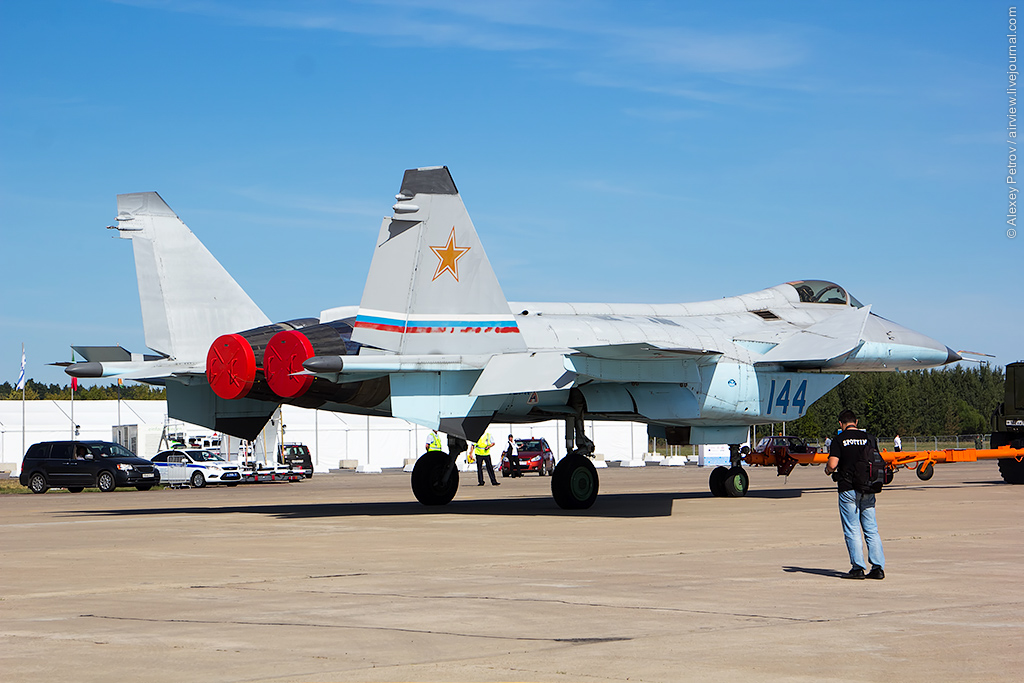
Rolling out the 1.44 appears to be a ‘Freudian slip’ – but hey the weather’s absolutely great, huh?!
The super high-res. adventures of our old friend Mr. Kuzmin (Day 1):
Voldermort Putin opens proceedings:
http://fotografersha.livejournal.com/707603.html
http://airview.livejournal.com/217315.html


http://michaeldec.livejournal.com/53471.html