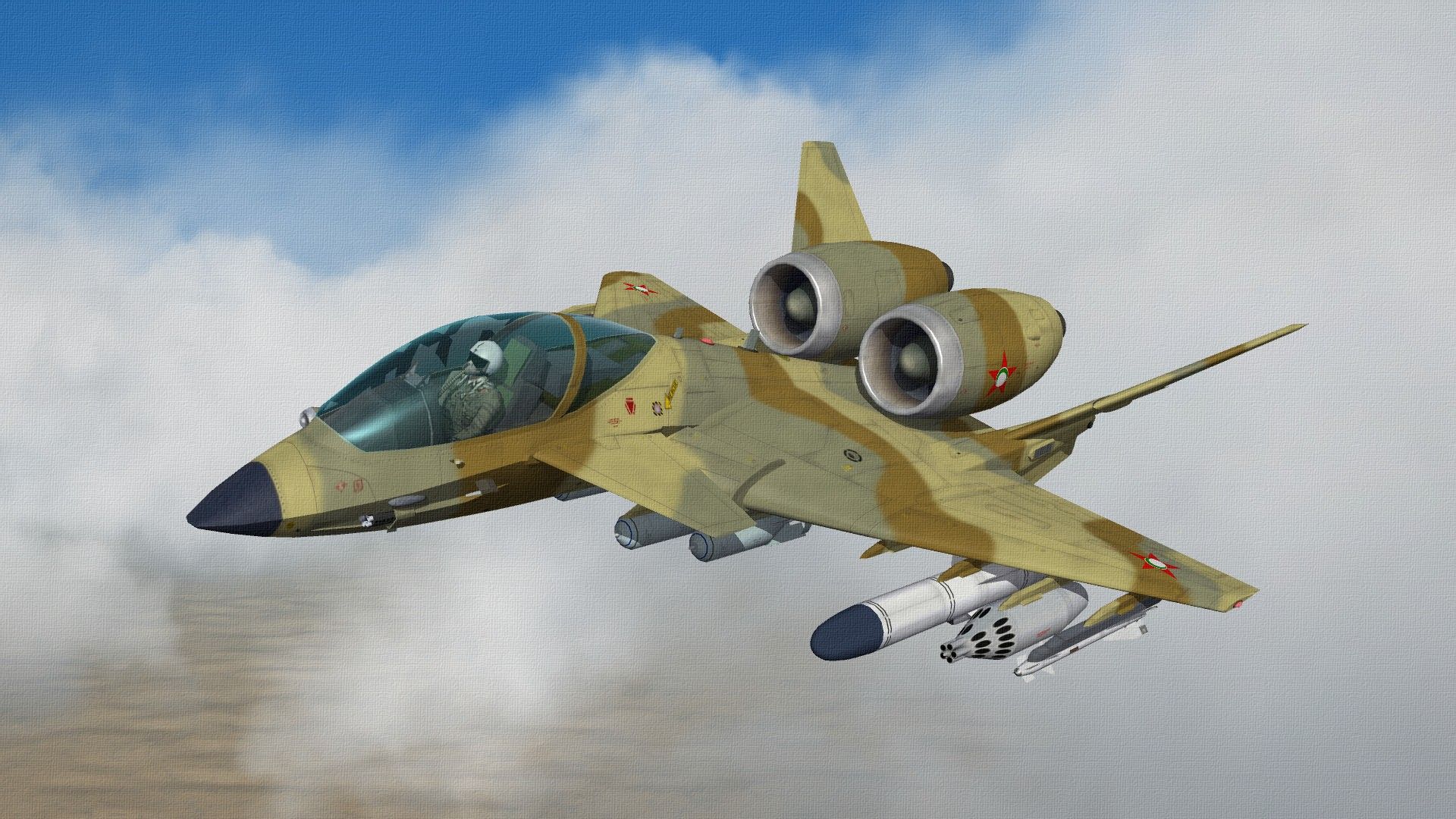
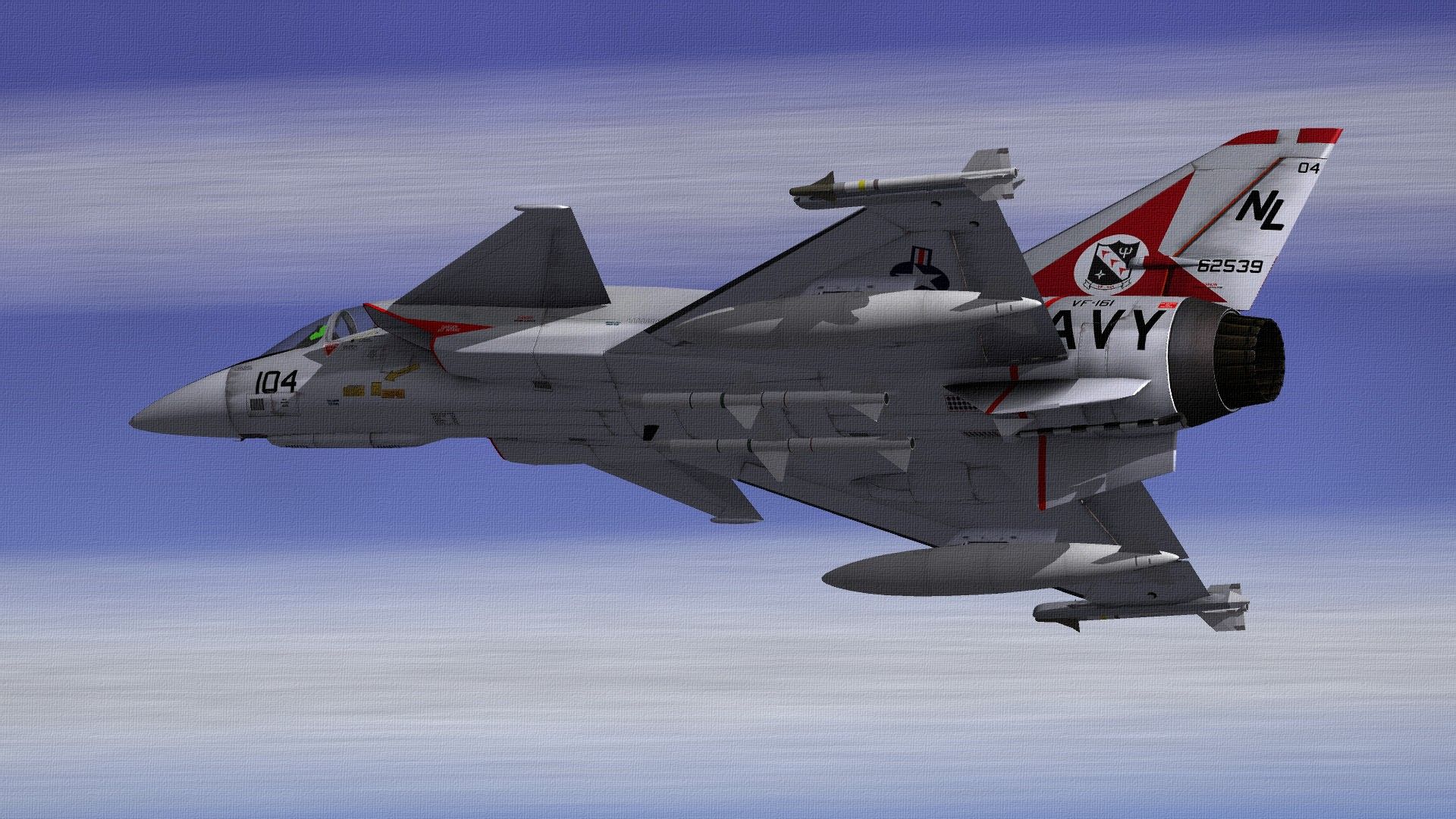
If they go canard the flight envelope is easier to develop and more adaptable to changes later. I’d be very surprised any clean slate doesn’t explore a canard.
But that is after a few governments in succession that spent almost nothing on the military, even sticking it to their pensioners.
General Dynamics ATF
http://s256.photobucket.com/user/SPINNERS1961/media/WHAT%20IF%202013/USNGD_ATF05_zpsb8d813c0.jpg.html
Cross between F-16 and F-18L
http://s256.photobucket.com/user/SPINNERS1961/media/WHAT%20IF%202013/RAFSTORMFG104_zpsd6afd651.jpg.html
P.1214 Sea Kestrel
http://s256.photobucket.com/user/SPINNERS1961/media/WHAT%20IF%202013/USMCKESTREL03_zps031c0b90.jpg.html
Vought Model 1100
http://s256.photobucket.com/user/SPINNERS1961/media/WHAT%20IF%202013/RNF-118BBRIGAND02_zpsec475f83.jpg.html
PZL-230 Skorpion
Convair Model 201
It’s a good thing MiG engineers didn’t copy what they did on MiG-31 on the MiG-29, mounting the radar guided missiles using recessed mounts and heatseekers on the wing tips to cull drag. And it’s good that their only active radar guided missiles during the Cold War era were never adopted. Instead they decided to run with draggy wing pylons to hold oversized semi-active radar homing missiles and drop tanks that filled the same locations, placing a strict hard limit on practical loads.
God forbid they match what was known about the future EAP and Hornet projects!
Argentina has a bigger chance of buying used F-5’s from Brazil and using Iranian Saegeh parts in them on a SLEP. Not going to happen. Argentina is showing outward signs that is could simply, quietly go the way of New Zealand when it comes to aviation. Next to none at all.
But why would they want to dump precious resources on adapting JF-17?
Still costs money a lot of money for a limited run of airframes I feel there best bet is still JF-17 with an in house avionics and weapons fit designed along side Brazil
What is the motivation here?
Screw the M-346, it’s too similar to the Yak-130. /sarc
Two problems with the theory.
1. MiG-31’s were committed to intercepting cruise missiles not NATO strike aircraft.
2. MiG-29’s were front-line units, not backups.
Nothing wrong with a canard solution. I wouldn’t want large canard wings in front and would prefer the EF layout over the Gripen, Rafale, or J-10 positions. One inlet underbody. If a faceted design is chosen then blend air intakes under the fuselage. (But really, why get overly complex?) Low or mid wing position. Begin thin LERX about even with the cockpit and use lift body principles to keep glide angle optimal in case of a flame out. Avoid the whole unbalanced aerodynamics design that will depend more on control surfaces for agility, but keep the design safer. After all its going to fly ridiculously high numbers of hours compared to frontline fighters. Build it in such a way the same fuselages can be adapted to other wing plans.
Pallet drop technology has been digitized for decades now. If it’s valuable enough they’ll guide the pallet to coordinates. Most freight isn’t worth the extra cost.
So technically it’s been possible to turn almost every US air transport into a precision drop delivery system.
MiG-31 flies a much lower stress flight envelope than Su-27/30. If MiG-31 needs replacing it is more likely due to lifetime costs. I doubt any MiG-31 airframes have maxed out their hours.
I’m kind of surprised that MiG-31 has never been repurposed for long range standoff strike. The platform is much better getting from point A to point B in a given time frame. It has a stellar fuel fraction. Its R-30 were literally the size of SRAM standoff attack missiles. Its wing pylons could carry Storm Shadow equivalents. Plenty of room to hang equipment off it. Probably could even adapt the retractable IRST into the targeting system.
…And its done by using ONLY what was decleared useless. Even today despite years of technological advancements, IR BVR missiles and IRST (and off-topic but also R-33) are still considered useless in this very forum.
Actually, I don’t suspend belief that an 8-inch IR eye is useful. On the contrary, a Heatseeker is future proof whereas active and semiactive radar guided missile technology is shoehorned into eras. AIM-9B may not be the sexiest missile, but its still functionally useful today. AIM-7C, not so much. The whole aircraft has to harmonised to AIM-7 technology, whereas a Piper Cub could technically fire AIM-9B.

And digital engine control, too. One has to emulate the cockpit AND flight controls of the target audience. I don’t think it will get a radar, simply it will get an interface that makes it appear to use radar if that is part of the syllabus. I couldn’t see the need for any more costs than that.