 packard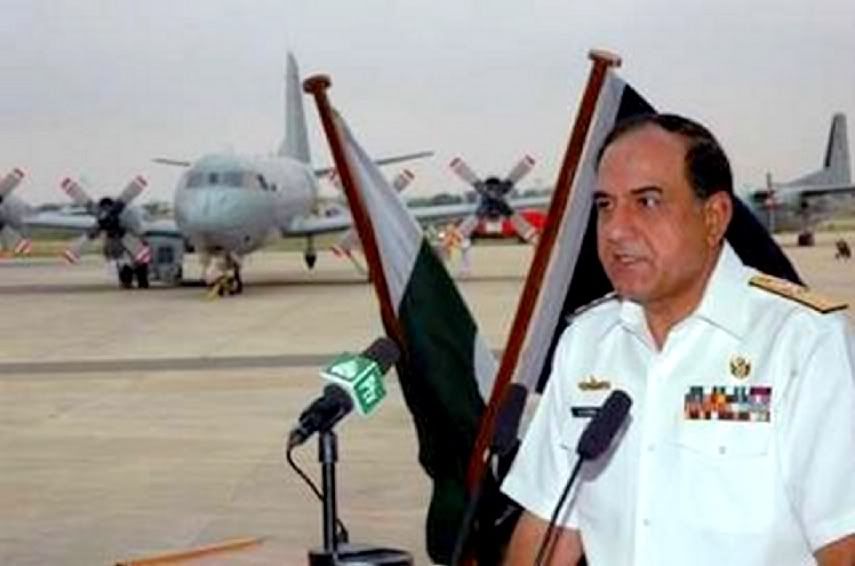
Pakistan’s Naval Chief, Admiral Mohammad Afzal Tahir, speaks at the roll out ceremony of the P3C Orion aircraft in Karachi September 12, 2006. The P3C, known as ‘Airborne Destroyer’, is designed for reconnaissance, anti-submarine and anti-surface vessel operations. Reuters
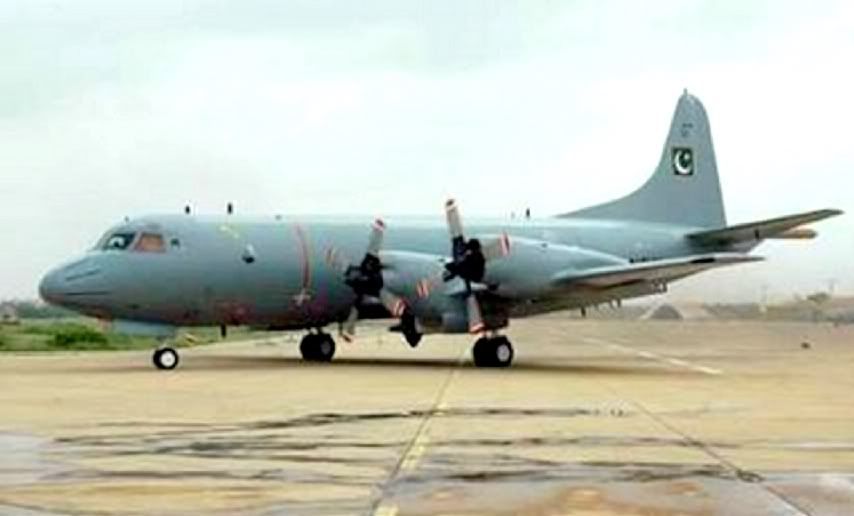
Pakistan’s P3C Orion aircraft sits in a naval aviation base during a roll out ceremony in Karachi September 12, 2006. The P3C, known as ‘Airborne Destroyer’, is designed for reconnaissance, anti-submarine and anti-surface vessel operations. Reuters
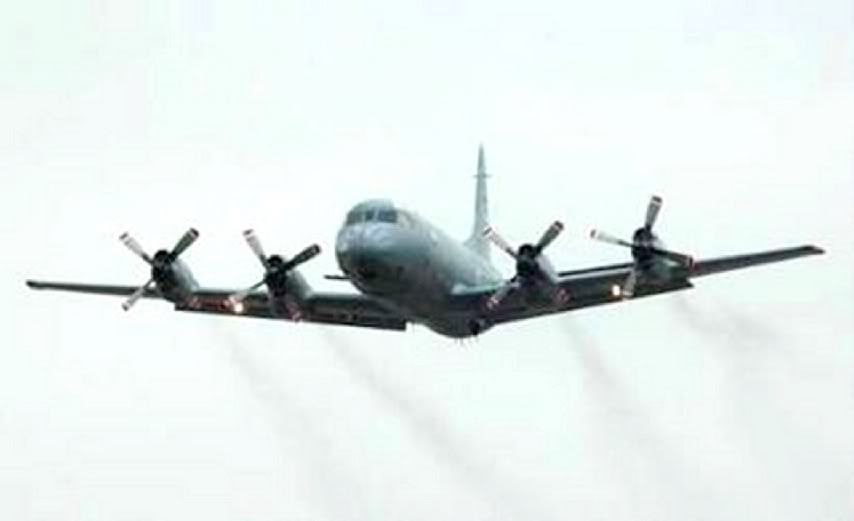
Pakistan’s P3C Orion aircraft takes off from a naval aviation base during a roll out ceremony in Karachi September 12, 2006. The P3C, known as ‘Airborne Destroyer’, is designed for reconnaissance, anti-submarine and anti-surface vessel operations. Reuters
packardHmmm I guess pakistan must have gifted a submarine to taliban/ Al-qaeda as a part of surrender agreement they signed with them recently.
Relax.
packardTwo P-3C surveillance aircraft reactived for Pakistan to fight terrorism
http://english.peopledaily.com.cn/200609/13/eng20060913_302245.html
Two old P-3C Orion surveillance aircraft, after being grounded for five years, have been reactivated for Pakistan’s terror war as a roll out ceremony was held Tuesday in southern Pakistan’s naval air base, according to a statement released by Pakistan Navy.
Addressing the ceremony attended by U.S. diplomats and engineers from the aircraft manufacturers Lockheed Martin and OGMA, Pakistani Chief of the Naval Staff Admiral Muhammad Afzal Tahir reaffirmed Pakistan’s commitment to the maritime component of the U.S.-led counter terrorism coalition in the region “Operation Enduring Freedom” which was launched in late 2001.
“Re-activated P-3Cs would contribute significantly to this end, besides PN (Pakistan Navy) ships which already make an important part of Coalition Maritime Campaign Plan,” he said, reiterating Pakistan Navy’s pledge to continue playing an active role in the global war on terrorism, according to the statement.
Extending his gratitude to the U.S. government for its generous support in re-activation and operationalisation of the aircraft, the Pakistani navy chief hoped that it would bring a major transformation in Pakistan’s naval air arm in terms of assets and capability.
P-3C Orion is a four engine, highly maneuverable, all weather aircraft primarily designed for reconnaissance, anti-submarine and anti-surface vessel operations. Being 116 feet long and with a maximum speed of 410 km, P-3C Orion is one of the fastest turbo prop aircraft and most widely used Long Range Maritime Patrol ( LRMP) aircraft in the world.
The two P-3C aircraft were manufactured in 1990 at Lockheed’s plant in California, and with the overhaul of both the aircraft becoming due, they were grounded for a period of 5 years, said the statement.
Later a contract to re-activate the two P3C grounded aircraft was signed between Lockheed and U.S Navy in January 2005 and maintenance work on both the aircraft was undertaken concurrently by Lockheed and Pakistan Navy personnel and technicians from OGMA, it said.
Local reports in September 2005 quoting officials said that Pakistan Navy had acquired free of cost eight P-3C Orion reconnaissance aircraft worth one billion U.S. dollars from the United States and the delivery of the aircraft would be made in phases in and after 2006.
packardTwo P-3C Orion aircraft ‘re-activated’. 🙂
Pak Navy to continue playing an active role in the global war on terrorism: Naval Chief
http://paktribune.com/news/index.shtml?154010
KARACHI:Chief of the Naval Staff Admiral Muhammad Afzal Tahir has reaffirmed Pakistan Navy;s commitment to the maritime component of operation ‘Enduring Freedom’ and has reiterated its pledge to continue playing an active role in the global war on terrorism.
He was addressing the roll out and first test flight ceremony of P3C Orion aircraft held at Naval Aviation Base PNS Mehran this morning.
Admiral Tahir further said that there is an urgent need to deny the use of sea routes for the acts of terrorism.
He said that illegal activities like arms smuggling, proliferation of Weapons of Mass Destruction and drug and human trafficking must be deterred and neutralized to make the world a peaceful and safer place to live in. Re-activated P-3Cs, he continued, would contribute significantly to this end, besides PN ships which already make an important part of Coalition Maritime Campaign Plan.
Chief of the Naval Staff extended his gratitude to the U.S government for its generous support in re-activation and operationalization of the aircraft. He also commended all engineers and technicians whose dedicated efforts and commitment made the aircraft operational and fly today. He termed this roll out the first step in the process of developing a full fledged P3C capability based on acquisition and modernization of 9 aircraft and hoped that it will bring a major transformation in naval air arm in terms of assets and capability.
Earlier, in his welcome address Commander Pakistan Fleet Rear Admiral Asaf Humayun gave details of the re-activation programme of P3C Orion aircraft.
Later, Chief of the Naval Staff Admiral Muhammad Afzal Tahir formally performed the roll out of PC 82. The ceremony was attended by US Consulate General at Karachi, senior naval officers, naval aviators and officials of Lockheed Martin and OGMA.
P-3 C aircraft were manufactured in 1990 at Lockheed’s plant in California. The aircraft last flew at PNS Mehran during 1999. With the overhaul of both the aircraft becoming due, they were grounded for a period of 5 years. Later a contract to re-activate 2 P3C grounded aircraft was signed between Lockheed and US Navy in January 2005 and maintenance work on both the aircraft was undertaken concurrently by Lockheed and PN personnel and technicians from OGMA.
P-3 C Orion is a four engine, highly maneuverable, all weather aircraft primarily designed for reconnaissance, anti-submarine and anti-surface vessel operations. It is 116 feet long and has a maximum speed of 410 kts. It is one of the fastest turbo prop aircraft and most widely used LRMP in the world. Distinguished features of Orion are longer endurance, multiple role capability, variety of integrated sensors and above all capacity to carry wide array of anti surface and subsurface weapons like Harpoon, torpedos, depth charges, mines and rockets. By virtue of its extraordinary weapon carrying capability, P-3 C is known as “Airborne Destroyer”.
packardTwo P-3C Orion aircraft ‘re-activated’. 🙂
Pak Navy to continue playing an active role in the global war on terrorism: Naval Chief
http://paktribune.com/news/index.shtml?154010
KARACHI:Chief of the Naval Staff Admiral Muhammad Afzal Tahir has reaffirmed Pakistan Navy;s commitment to the maritime component of operation ‘Enduring Freedom’ and has reiterated its pledge to continue playing an active role in the global war on terrorism.
He was addressing the roll out and first test flight ceremony of P3C Orion aircraft held at Naval Aviation Base PNS Mehran this morning.
Admiral Tahir further said that there is an urgent need to deny the use of sea routes for the acts of terrorism.
He said that illegal activities like arms smuggling, proliferation of Weapons of Mass Destruction and drug and human trafficking must be deterred and neutralized to make the world a peaceful and safer place to live in. Re-activated P-3Cs, he continued, would contribute significantly to this end, besides PN ships which already make an important part of Coalition Maritime Campaign Plan.
Chief of the Naval Staff extended his gratitude to the U.S government for its generous support in re-activation and operationalization of the aircraft. He also commended all engineers and technicians whose dedicated efforts and commitment made the aircraft operational and fly today. He termed this roll out the first step in the process of developing a full fledged P3C capability based on acquisition and modernization of 9 aircraft and hoped that it will bring a major transformation in naval air arm in terms of assets and capability.
Earlier, in his welcome address Commander Pakistan Fleet Rear Admiral Asaf Humayun gave details of the re-activation programme of P3C Orion aircraft.
Later, Chief of the Naval Staff Admiral Muhammad Afzal Tahir formally performed the roll out of PC 82. The ceremony was attended by US Consulate General at Karachi, senior naval officers, naval aviators and officials of Lockheed Martin and OGMA.
P-3 C aircraft were manufactured in 1990 at Lockheed’s plant in California. The aircraft last flew at PNS Mehran during 1999. With the overhaul of both the aircraft becoming due, they were grounded for a period of 5 years. Later a contract to re-activate 2 P3C grounded aircraft was signed between Lockheed and US Navy in January 2005 and maintenance work on both the aircraft was undertaken concurrently by Lockheed and PN personnel and technicians from OGMA.
P-3 C Orion is a four engine, highly maneuverable, all weather aircraft primarily designed for reconnaissance, anti-submarine and anti-surface vessel operations. It is 116 feet long and has a maximum speed of 410 kts. It is one of the fastest turbo prop aircraft and most widely used LRMP in the world. Distinguished features of Orion are longer endurance, multiple role capability, variety of integrated sensors and above all capacity to carry wide array of anti surface and subsurface weapons like Harpoon, torpedos, depth charges, mines and rockets. By virtue of its extraordinary weapon carrying capability, P-3 C is known as “Airborne Destroyer”.
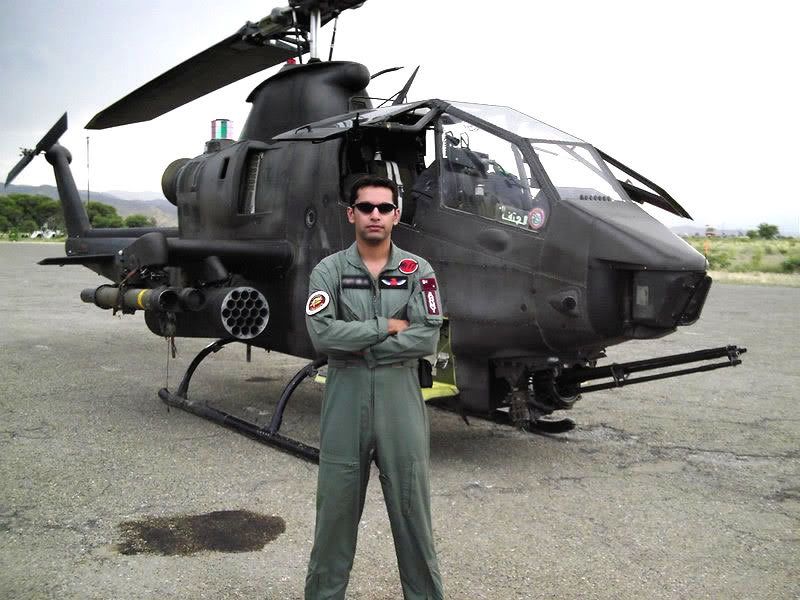
packardCool pic! Funny colour for the AH-1. PAs are usually lighter green, not grey. Is this a surplus US model?
The PA AH-1 camo has always been as shown in that picture. I have never seen a lighter green PA AH-1. :confused:
packardPak Military Aviation’s AH-1 Cobra. Correct me if I’m wrong, PA operates 40 of these with a few more on order.
packard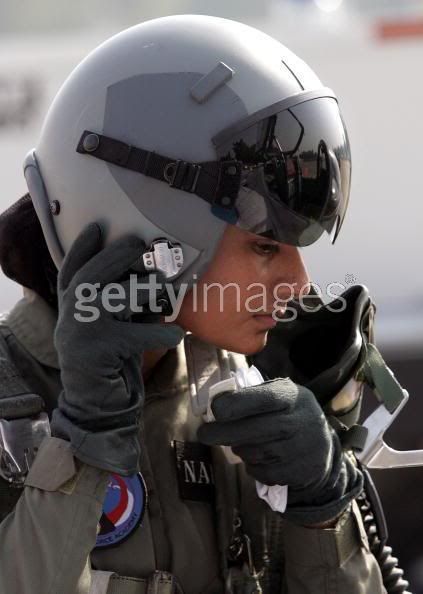
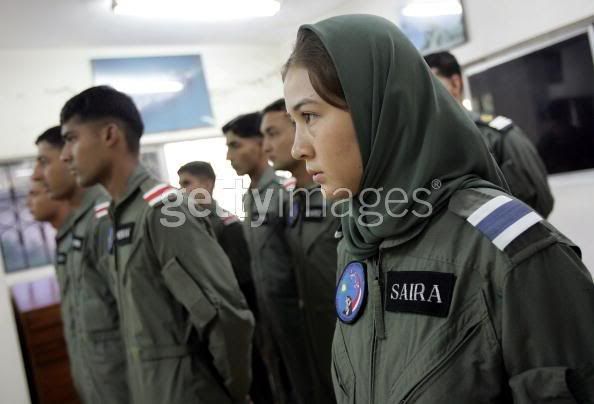
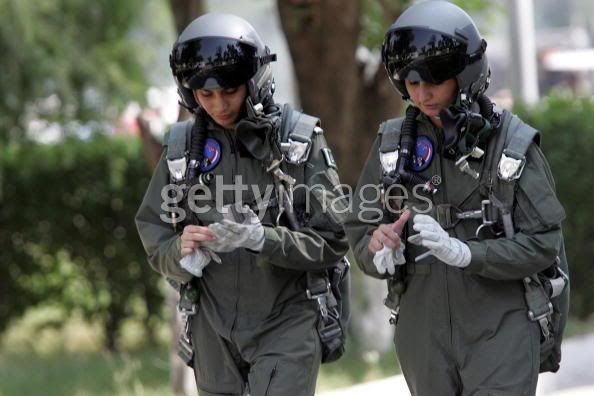
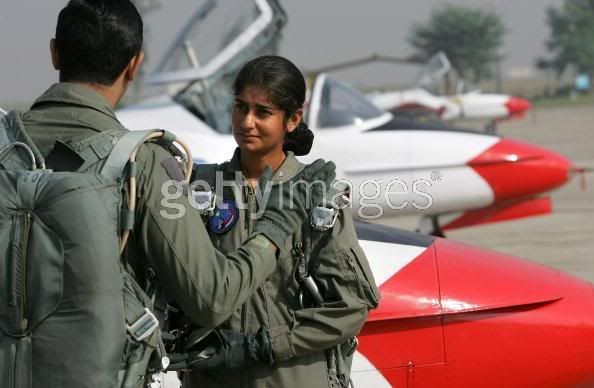
packardU.S. Conducting Joint Naval Exercises with Pakistan
Training aimed at better proficiency, interoperability of U.S., Pakistani forces
Washington — U.S. and Pakistani navies are conducting more than two weeks of joint exercises in the North Arabian Sea and in the territorial waters of Pakistan, a U.S. military source says. The exercises are aimed at building international counterterrorism preparedness and cooperation on the seas.
The naval operations are part of “Inspired Union 2006,” which focuses on training in maritime security operations; amphibious operations; anti-submarine warfare; surface warfare; air defense; electronic warfare; explosive ordnance disposal and command and control, according to the U.S. Navy public affairs office at U.S. Central Command in Florida. The exercises began on September 4 and will conclude September 21.
The bilateral exercises are aimed at enhancing tactical proficiency and interoperability between coalition and regional forces, according to a Navy statement. If successful, these maneuvers may serve as the foundation for regional maritime security operations in support of the global War on Terror. The idea would be to deny international terrorists “use of the maritime environment as a venue for attack,” as well as to transport personnel, weapons, and other material, the Navy says.
Scheduled to participate in the exercises are the Pakistani naval vessels Shahjahan and Babur (both destroyers), Moawin (a tanker), and Saad (an attack submarine). The U.S. Navy has dispatched the USS Nicholas (a frigate), USS McFaul (a destroyer) and USS Albuquerque (a nuclear-powered submarine). Also taking part will be the 24th Marine Expeditionary Unit, and Explosive Ordnance Disposal Unit Six. Any necessary support will be provided by the USS Enterprise Carrier Strike Group, USS Iwo Jima (an amphibious assault ship) Expeditionary Strike Group, and maritime patrol aircraft from both nations, according to the Navy.
During this second annual bilateral exercise, participants will receive classroom training and take part in practical at-sea tasks.
According to the Navy statement, these exercises give U.S. and Pakistani forces opportunities “to refine their conduct of combined maritime security operations,” while also working on amphibious operations, anti-submarine, surface and electronic warfare, explosive ordnance disposal, and command and control. The exercises serve as “an excellent training opportunity” to become more proficient tactically and to improve the interoperability of U.S. and Pakistani forces to deter international terrorist organizations from using the maritime environment.
Coalition maritime forces regularly operate and conduct maritime security exercises throughout the international waters of the Northern Arabian Sea. Pakistan and coalition partners contribute maritime forces such as ships, boarding teams, maritime patrol aircraft, intelligence analysts and other staff to support maritime security operations.
Successful exercises benefit both nations, according to the statement. The United States improves its likelihood of success in conducting coalition maritime security operations. And regional governments and coalition partners also benefit in interoperability, intelligence sharing and assisting with deterrence against international terrorist organizations that pose a threat to their countries.
(Distributed by the Bureau of International Information Programs, U.S. Department of State. Web site: http://usinfo.state.gov)
packardMRTP-33

THE 33 METRE Fast Patrol / Attack Craft
The advanced composite ONUK MRTP®33 Fast Patrol / Attack Craft is the extended and improved version of the 90 tonne ONUK MRTP®29 (“KAAN 29” Class) of the Turkish Coast Guard. ONUK MRTP®33 is developed as a versatile multi role platform for the increasingly tough requirements of the naval and law enforcement forces to control the littoral and the coastal waters.
Internally, the advanced machinery systems and arrangement result in a vessel with greatly enhanced operability, maintainability and accommodation standards.
PRIMARY ROLES
Mastery of the littoral can not be presumed. It does not derive directly from command of the high seas. It is an objective which requires our focused skills and resources. ONUK MRTP®33 “Fast Patrol / Attack Craft” has been designed for this purpose, capable of carrying out a wide range of littoral and coastal water law enforcement-naval duties and open sea rescue, including:
Patrol / Escort / Fast attack
Search and rescue
Anti smuggling
Pollution control
Anti terrorist protection of the coastal and offshore installations
Surveillance / Covert surveillance
Seal insertion-extraction
BACKGROUND:
As of January 2004, 9 units of the “KAAN 29” Class boats (31,70m, 45+ knots) under DNV classification (HSLC Patrol R2) are operational. Boat number 10 of 90 tonne was constructed as the first ONUK MRTP®33 (35,60m, 120 tonne, 47+ knots) as continuation of the project others are under construction at the shipyard.
The new member of the MRTP® (Multi Role Tactical Platform) family of boats, a concept created and developed by Kaan N.Z. Onuk; has improved sea keeping, highly stealthy characteristics, and is able to carry larger mission equipment/payload such as combined 30mm gun and short range SSM stabilized launcher, surface-to-surface medium range F&F fiber guided missiles, EO fire control systems and decoys.
PERFORMANCE:
Speed and seakeeping:
The ONUK MRTP®33 has been developed for a tough professional use with excellent performance qualities at both low and high speeds and strong emphasis on seakeeping. The ONUK OE-01 deep V hull, depending on engine selection and boat configuration, will enable the boat to reach speeds up to 64 knots in calm waters and up to 40 knots in Sea State 4. ONUK MRTP®33 has a soft and dry ride in adverse conditions, offering, thus, an outstanding platform for the various tasks in the brown waters and the open sea.
The MJP water jet drive system provides extreme maneuverability with high precision control and a very shallow draught, enhancing the operation in confined waters or intercepting/boarding larger ships in rough seas.
Stability: Intact-Damaged:
Commercial and Turkish / NATO naval standards have been applied to the ONUK MRTP®33 for the intact and damaged stability. ONUK MRTP®33 meets the DNV standards as well as Turkish Navy and NATO criteria for damaged stability and will remain afloat and upright with flooding in any single main compartment.
CONSTRUCTION AND COMPONENTS:
ONUK MRTP®33 is built in advanced composites to satisfy the very tough requirements of an intensive professional use together with a long service life. The benefits of the advanced composite structure are:
WEIGHT REDUCTION
* Improved Performance
* Increased Payload
* Fuel Savings
CORROSION RESISTANCE
*Longer service life
* Maintenance savings
IMPROVED
* Threat avoidance/detection
* Ballistic protection
REDUCED SIGNATURES
* Machinery vibration/acoustic
* Magnetic signature
* Heat signature
The hull and superstructure are constructed to Det Norske Veritas (DNV) HSLC Patrol R2 classification. All boats of the series are delivered with the relevant DNV Certificates.
The helm station and the interiors have been designed in line with the SAE recommendations for ergonomics to provide the crew with maximum comfort and minimum fatigue in prolonged use in heavy seas.
Machinery and propulsion
The CODAG high-speed propulsion system consists of two MTU 16V2000M90 diesels and a Honeywell TF50 gas turbine; all driving through MJP water jets. The diesels will allow 28 knots patrol speed, while the gas turbine will enable the boat to reach it’s maximum speed. CODOG and all diesel propulsion systems are available on request. Depending on the mission and speed requirements, the ONUK MRTP®33 can be equipped with different components for optimum operational efficiency/price ratio.
The mechanical components are selected with the intensive professional use in mind. They offer a high level of reliability, despite the extreme performance requirements.
MISSION MODULES
ONUK MRTP®33 can be equipped with various mission modules depending on the customer requirements. Despite the size of the platform, these modules have been integrated with the modularity and reconfigurability objectives in mind. Thus, the platform can be reconfigured with different mission modules, increasing dramatically the operational flexibility and reducing the costs. The mission modules would be:
Multi weapon mounts.
– Stabilized naval turret with up to 30 mm. gun
(+ short range SSM).
– Medium range SSM (Total weights up to 5 tons).
– Short range SAM.
– 2 x 12.7 mm. heavy MG.
Multi sensor surveillance unit
(EOD with capabilty of controlling the main gun).
Search and rescue equipment
Decoys
SOF (Special Operation Forces) support/SDV (Seal Delivery Vehicle)
Pollution control
http://www.yonca-onuk.com/mrtp_33.htm
packard


packardUpdated MiGs not flying high for IAF
Rajat Pandit
[ 10 Sep, 2006 0049hrs ISTTIMES NEWS NETWORK ]
RSS Feeds| SMS NEWS to 8888 for latest updates
NEW DELHI: If you thought only the older MiG-21 variants were a headache for IAF, think again. Even the upgraded MiG-21s, called ‘Bisons’, are proving a nightmare for pilots.
At any given time, only one-third of the 113 MiG-21 Bisons inducted into IAF so far are fully operational to undertake combat missions. “The rest are usually grounded for lack of spares, maintenance and overhauling,” say sources.
“The serviceability of Bisons, which IAF will fly till 2020, is as low as 33%. Since the rest cannot be certified to be 100% airworthy, they are now usually not flown to avoid crashes,” they add. Incidentally, three Bisons have already crashed since their induction began in 2001-2002.
IAF would “officially” like to contest the 33% figure. It claims the Bison serviceability has now improved to “around 55-60%” . But even this means almost half the Bison fleet is grounded at all times.
This has serious implications for IAF at a time when Pakistan is on course to acquire more American F-16s and JF-17 ‘Thunder’ jets jointly developed with China, which itself is expanding its air force at a very rapid clip.
As reported first by TOI, IAF has also complained to Hindustan Aeronautics Ltd about the air-unworthiness and tardy serviceability of the around 90 Jaguar deep-penetration strike fighters it has. Similar problems are being faced by the over 100 MiG-27MLs in the fleet.
To top it all, as also reported by TOI earlier, IAF is facing a steady depletion in number of fighter squadrons (each has 12 to 18 jets), which is likely to touch an all-time low of 28 next year from a high of 39.5 two decades ago.
The IAF says “various contracts” have been signed to improve “the spares situation and serviceability” of Bisons. “Supplies have already commenced. In addition, HAL has signed long-term repair agreements with various vendors,” said the IAF spokesperson.
“Repair and overhaul facilities for Russian spares are also being set up at HAL. Lab facilities in all air-bases have been set up for better reliability of the systems. To improve the MTBF (mean-time between failure) of various systems, design deficiencies are being resolved,” he added.
Things have come to such a pass since the indigenous ‘Tejas’ Light Combat Aircraft, which was to replace MiG-21s, is still nowhere near becoming operational.
packardYou think just because India puts pressure, the French will give up the chance to make so much money from a virtually captive customer?
I’d like to take this opportunity to thank India for allowing France to offer Pakistan 3 of the most “lethal” submarines in the world today. Thank you India.
packardANKARA – Turkish Daily News
Pakistan’s Armed Forces Day was marked on Wednesday at a reception at the Pakistani Embassy in Ankara.
Turkey’s top military officials including Chief of General Staff Gen. Yaşar Büyükanıt, Land Forces Commander Gen. İlker Başbuğ, Naval Forces Commander Adm. Yener Karahanoğlu, Air Forces Commander Gen. Faruk Cömert and Deputy Chief of Staff Gen. Ergin Saygun attended the reception. Military attachés from many of the embassies in Ankara were also present.
In an address to the crowd Gen. Büyükanıt said: �Pakistan is a brother country to us, which means even more than friendship. The most important friendships are the ones between the people. There is friendship between the Turkish and Pakistani people in a real sense.
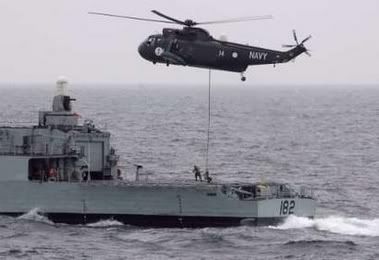
packardA Sea King helicopter drops personnel from Paksitan’s Special Services Group on a ship during Pakistan-U.S. joint naval exercises in Arabian sea near Karachi September 8, 2006. The 15-day U.S.-Pakistan joint naval exercises named ‘ Inspired Union’ which commenced on September 4, are aimed at improving counter-terrorism capabilities, a Pakistan navy spokesman said. REUTERS/Stringer


 Sign In







