For example – in the UK context the Lynx has suppressed engine exhausts but no other helicopters do, even in hot combat zones.
You seem to forget the UK’s Apaches also have suppressed exhausts!
As an aside on the recent channel 5 programme on helicopter warfare in Afghanistan there was quite a lot of IR footage of Blackhawks operating at night. You could see how effective the suppression was on those exhausts.
Check out his other stuff, he has lots more aircraft bits for sale…..
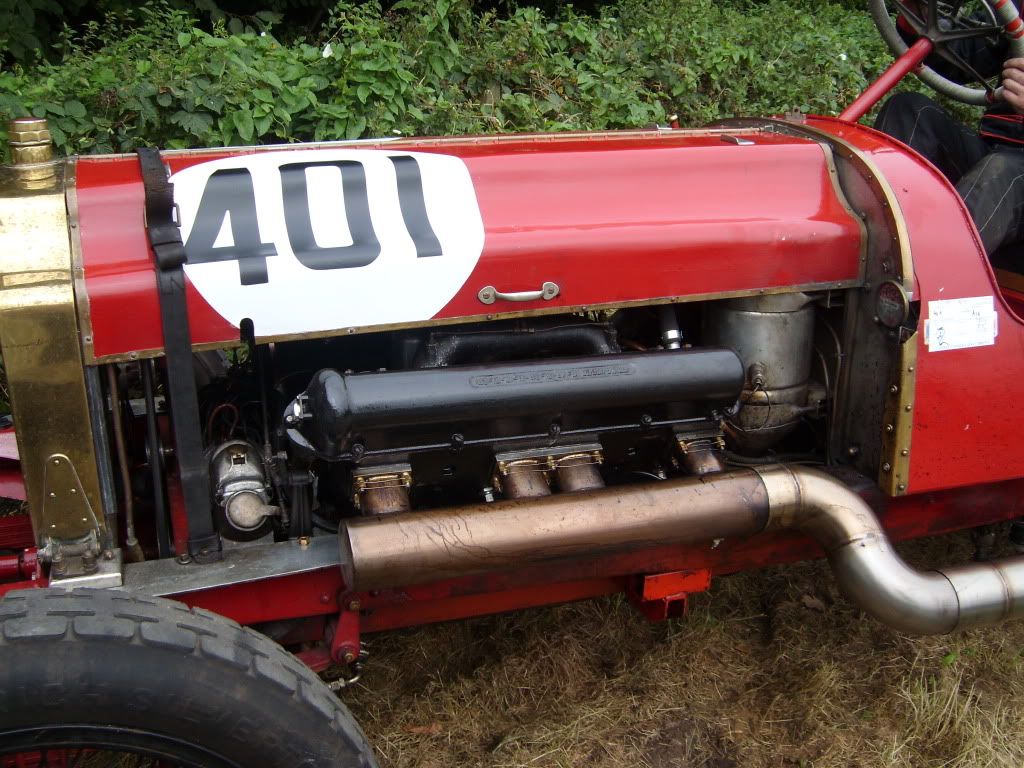
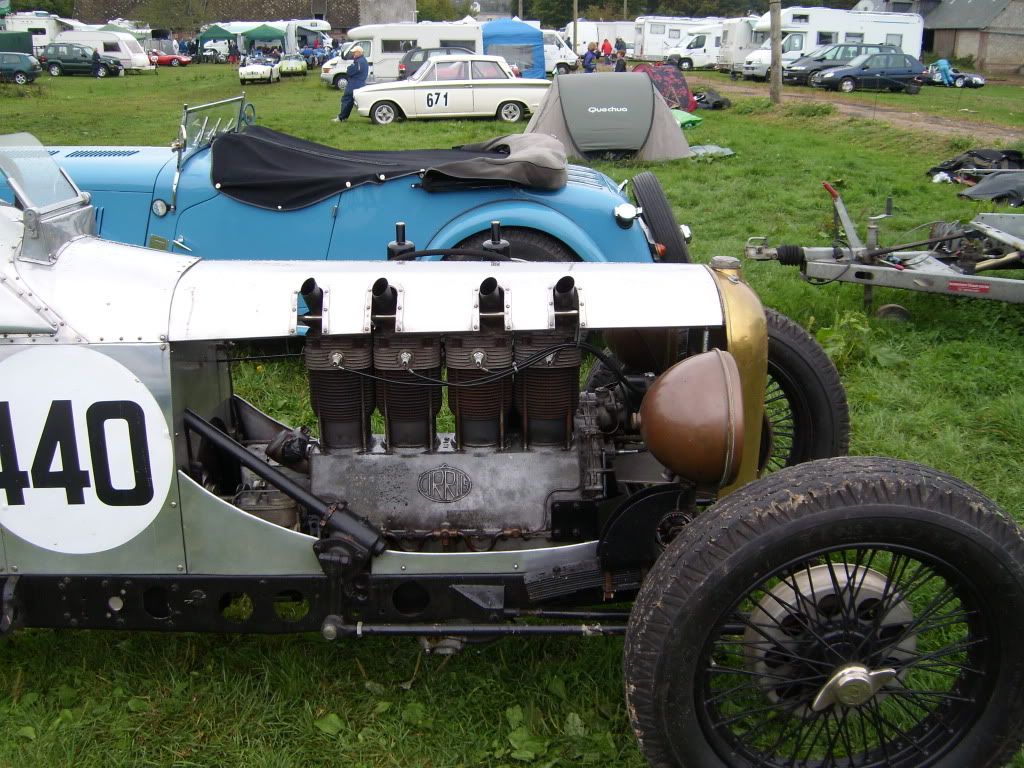
Here’s a couple more shots of the same car at a hillclimb in France last year….


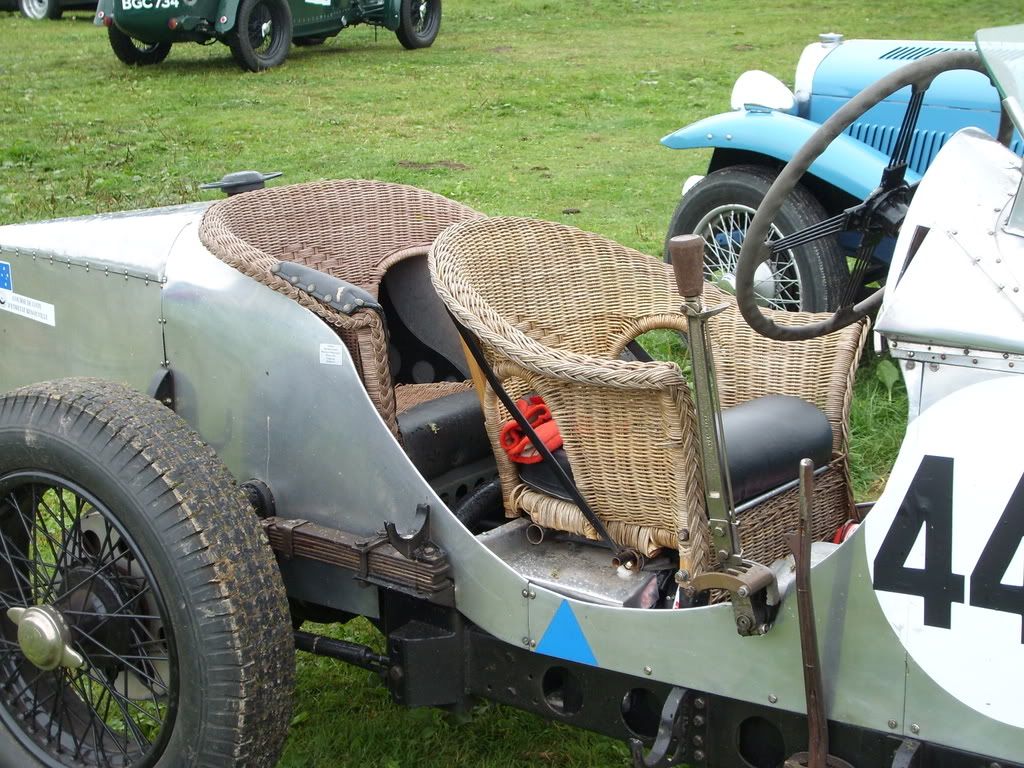
Also there last year was another aero engined car, this time with a Cirrus engine (and seats by Lloyd Loom ! 😀 )


We had a lovely beat up and aero dispaly today at Wattisham by Maurice Hammonds mustang.
(We also had a fly past by a 2 seater Harrier, but that wasn’t nearly as exciting!)
I just found this link looks like maybe nothing is going to happen about it (crosses fingers).
curlyboy
PS good to see a Victor fly again shame i was not there though 🙁
You might want to look at the date on that article before you get too excited! 😉
You might get more replies in the flight sim forum just below this forum…..:D
Any ideas on the aircraft type chaps?
Looks like the rear of a Tornado canopy fairing where it hinges.
, and too unreliable.
I’m not really sure that it was that unreliable compared to it’s main rival the DC-10, it’s just that when the limits were written on what snags could be carried down route, Lockheed edged way on the side of caution.
When I used to work on Tristars much the same sentiments as above were echoed by the the airlines reps, it’s just that if the Tristar had the same, relatively minor snag as a DC-10, the Tristar book would say ground the aircraft and fix it, where as the DC-10 book would say carry it until you got back to your base station.
You have to remember that the last Tristars were built around 1983, that makes them 26 years old. I bet there’s not that many DC-10’s of that age around either.
The C130 doesn’t really use electrics to operate it’s main undercarriage or flaps.
The selection is electric but the ballscrews are operated by hydraulic motors (via drive shafts and gearboxes).There’s a separate hyd motor for each side on the main undercarriage and a single, central one for the flaps.
All three hydraulic motors can be disengaged from the drive system to be hand cranked in the case of hyd failure. The undercarriage can also be disengaged so it free falls.The nose leg operates on a big ram and there are a few ways it can be operated if the main system fails.
The only electrically operated controls are the trim tabs (aileron, elevator and rudder). The air deflector doors and oil cooler flaps also have electric actuators.
That’s an awfully broad spectrum for a single ‘Aircraft taxiing course’.
Just look at all (for example) the different types at Bruntingthorpe, some single engined, some twin engined, some multi engined.
Some will have nosewheel steering, some differential braking. Some types will have really good on the ground visibility, some really poor. CofG will be an important issue on one type but not another……
I’m not sure you could cover the in depth detail on a particular aircraft type to satisfy an insurance company.

If you ever get the chance to see an aircraft painted, just look at the number of 5 litre paint tins that have been used, then imagine trying to carry all of them when they are full of paint!
Paint can be suprisingly heavy, especially when you consider primer then top coat.
Looks like it was a post 1925 Oxford as it seems to have had front wheel brakes.
I’m with the passenger on this one. To suddenly need the toilet but not to be able to get to it is probably the worst feeling in the world! 🙁
Id have thought the wort feeling in the world is to suddenly need the toilet, but no making it in time! 😀
We had a nice flypast by a blue/silver Miles Messenger at Wattisham yesterday.