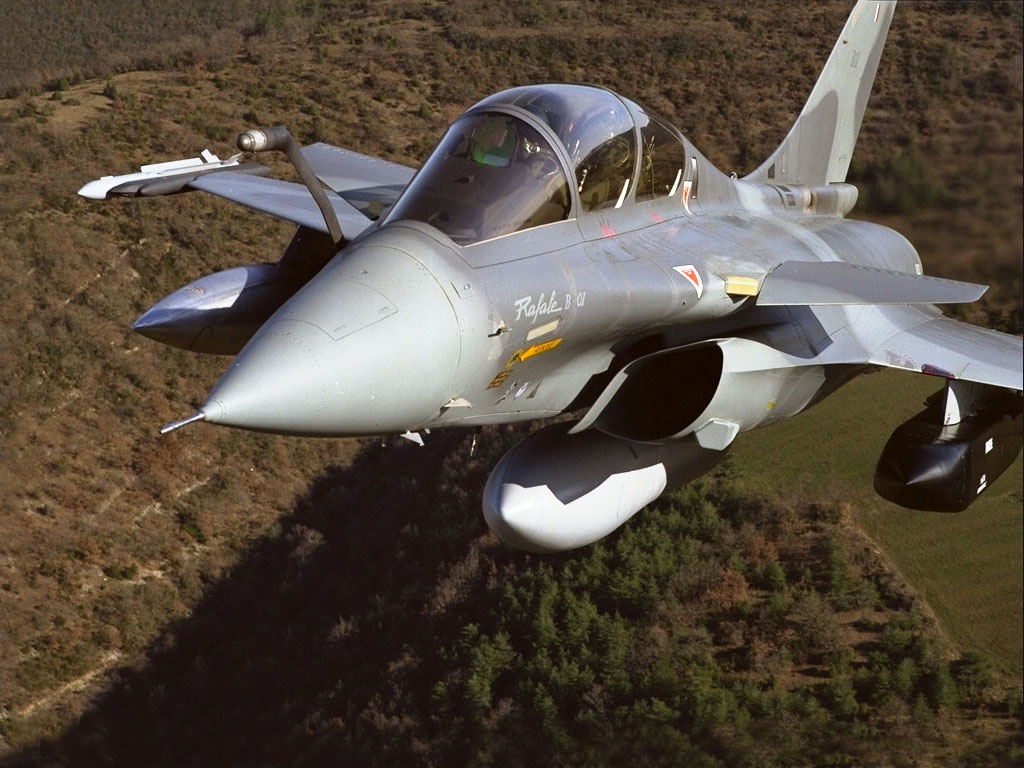
Its certainly no F-15.
Whether its PSed or not, i have no idea. But that would explain a lot of things. 😀
No Eagles except the F-15K and SG have GE engines.
Part of the USAF F-15E fleet (about 90?) is even still flying with older F100 engines rated at about 23000lbs.
Now the GE-132 would make quite a difference on those. 😎
Why do you think that it is supersonic?
Because of the supersonic boom in the video the pics are taken from.
Is that an F-15E or an F-15I. It’s hard to tell, but that almost looks like an IDF/AF bird.
The camo says its an F-15I 😉
Cool stuff man!
It really looks like a very interesting day. 🙂
The sheer versatility of that loadout is astounding, but its radius of action in that configuration will probably suck 😉 No external tanks.
This is a display loadout and thus would never be used. You dont need anti ship missiles, long range anti surface missiles and GPS bombs on a single mission.
Besides, the F-15E still carries about 10400kg of fuel with CFTs. 😉
Here is a loaded Strike Eagle in supersonic flight at low level. 😎
Any intake that allows radar to illuminate rotating compressor blades is naturally unstealthy.. There are many other aircraft like this: F-15, F-16, J-10, EF2000(?)…
I dont think the F-16, J-10 and EF fall into this category, but im not sure…
Hum I’m not too sure if it’s really smaller or not:
Anyway I guess AESA radars are not as dependant as regular radars when it comes to antenna size?
Nic
It certainly looks smaller because the Rafale is a good deal larger than the M2000.
With AESA, size doesnt matter that much, but bigger is still better. More “bricks” mean more tasks at the same time for example. But i dont know too much about radars…
I would like to ask again, my previous post with this question was unanswered:
Does any one know if Rafale’s nose is larger than that of M2K?
Seems like M2K can hold a larger dia radar. I think that is a step backwards for the Rafale. (Despite arguments like Rafale has more modern radar, etc.. )
Thanks.
Yes, it looks smaller.
But the Rafale is not alone there – the F-22s nose is smaller than the F-15s. I guess new radars justify this compromise.
That is for the reason to check the feasibility with the A-model. However, re-engining will first be performed on the B-models. I think it is likely that A-model re-enginening will be reduced to a number of selected airframes. Was in the article stated what the structural evaluation of the one A-model unveilded, were figures givven on the average remaining life-time of the aircraft?
No, but “primary objective of the C-5M is to sustain the USAF fleet of 112 C-5s to a 45’000 hour service life…”
To me that sounds as if they plan to ugrade all C-5s.
Also, retiring the 60 As would create a rather big airlift gap…
I don’t read the AFM. Not because I dislike it but because nobody drops it in front of my house for free (here in france they rather take away the things in front of your house!).
Anyways, I saw an article in the AIR FORCE Magazin of January 2004. It said:
– engine is the CF-680C2
– B-models first (pretty sure), A-model to be decided in 2010
– A-models structural “remaining life time” will be determined by evaluating one airframeThe thing is called RERP (Reliability and Re-engining program).
Please tell me if your information says anything different, especially if the fade of the A-model is already decided (check how your article defines “entire fleet”). Would be great if you could link the article.
I dont have a link. But i could scan the article. Dont know though if that is allowed…
Anyway, theres the AMP (avionics modernisation program) and the RERP. The fleet includes 60 As, 50 Bs and 2 Cs. So i guess the term entire fleet refers to all of them (nothing contrary stated).
Interesting is the fact that the third plane to be reengined is a C-5A.

With such a large fleet of 300+ fighters, my bet is on a split buy betweenn Eurofighter and F-35. So everybody (EU, US and Turkey of course) is happy 😉
Read the AFM and you know it:
– the new engines will come after testing, first for the B models
– structural strenghening depends on the status, the wing surely is the best of the whole airframe by now
– if A models get an update will be decided earliest in some years, more likely is phasing out
– first of all will be avionics updateIf we talk of different AFM articles please link the new article.
– of course testing comes first with lrip in 2007.
– i think the strengthening is because of the engines.
– article says the entire fleet will be upgraded and complete by 2019.
– yes.
Im talking about the article in the april issue on page 14.
The C-5 have a little (not a big) problem with reliability. This of course only in peace-time service as in times of war or crises some safety restrictions are lifted. The AMC goal of 75% reliability is failed by the Galaxys, which only achieve 65 to 70%. However, the Galaxy is valuable because it is there. The airframe has a lot of hours left. Problematic are its engines. The 40 year old TF-39 are not the best turbo-fans, the Galaxy is seriously underpowered if flying with max peacetime MTOW (349t). I think the B-models will get an upgrade while the A-models will on the long be shifted to AMARC.
All C-5A, C-5B and C-5C are getting new engines. These are CF6-80C2-L1F or F138-GE-100 turbofans. They provide a 22% increase in thrust.
Wings are being strengthened too. As read in the latest afm 😉