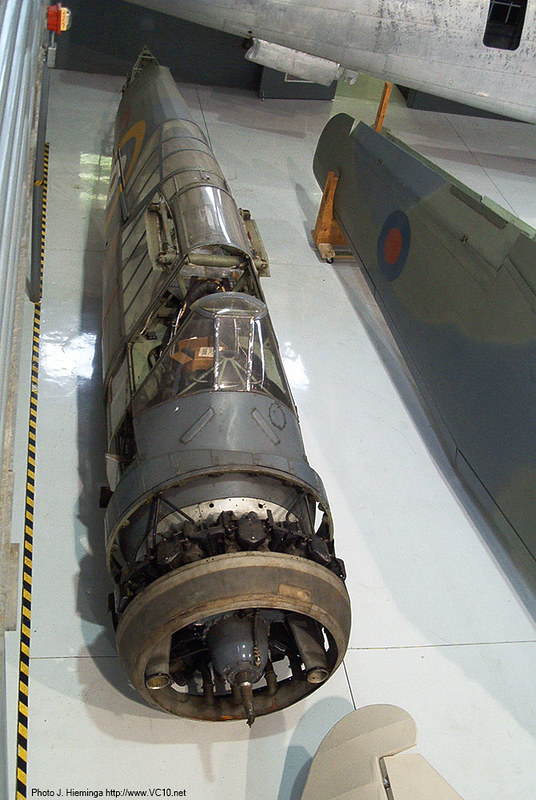
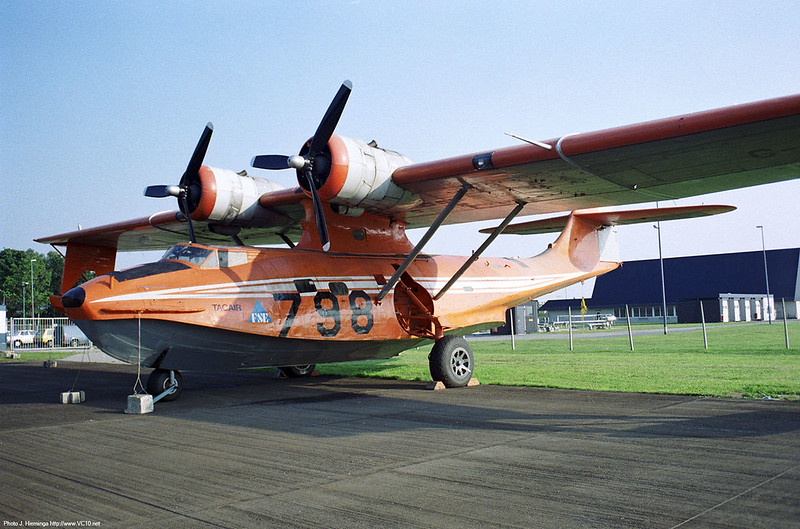
I think that it is V9312 in my photo. I took that photo in March 2002 and according to the article trumper linked to, V9312 moved to ARCo in December 2003, via Fantasy of Flight. Also, if you compare the photo on V9312’s Warbird Registry page here: http://www.warbirdregistry.org/lizzieregistry/lizzie-v9312.html with mine, I can see some similarities.
That article states that it’s the Canadian example that’s for sale. The Sabena Old Timers foundation does have a partially restored Lodestar for sale but I cannot find anything recent about their Lysander.
I took this photo at Kermit’s Fantasy of Flight in 2002, I guess this was V9312 before ARCo got their hands on it.
IM000827_resize by Jelle Hieminga, on Flickr
The second B-25 is the DBAF’s example. At that point it carried only a basic olive drab/grey RAF scheme and was marked NO-V / HD346. In early 1994 invasion stripes were added so this photo was taken before then.
Traditionally, ‘coffin corner’ is used to denote the area of the flight envelope where conditions are such that the stall speed and maximum airspeed are very close together, leaving only a small range of airspeed to operate in. Normally this will be at higher altitudes. In this case, going by what has been published about the accident, the aircraft appeared to be operating close to its stall speed and inadvertently crossed that line.
Thanks! It was probably the wine cooler…. 😀
The exhaust stack could be from a B-25 as well…. but I’m not sure. See here: https://www.worthpoint.com/worthopedia/north-american-b-25-exhaust-short-stack-wwii
I’ve took a bunch of pics of the Hughes B25 being taken apart.
Some very interesting modifications, but it may not be to everyone’s taste. Is that second photo behind the flight deck? What did they put behind that door with the air holes? It must cover the tunnel to the nose if I’m not mistaken.
What happened to the belt that drives the bomb when it is dropped? Was it pulled away when the arms released the bomb?
I’m not sure but I think this Cat carried the grey colours, shown above in my photos, from the day it arrived in The Netherlands or shortly after. There was an orange Cat in the Netherlands in the late eighties and/or early nineties (now in a museum in Norway) but I can’t tell you if that one ever flew a display at Duxford. If you know an approximate year, you could search through the scramble showreports for Duxford here: http://www.scramble.nl/showreports
Edit: I took the photo below in 1991. This one was flying as C-FIZO at the time, see here for more about this airframe: http://www.warbirdregistry.org/pbyregistry/pby-46645.html
Cat_EHV_1_resize by Jelle Hieminga, on Flickr
Dutch news reports that the Cat has now developed an engine problem. As a new engine isn’t expected to arrive until August 22nd, a commemorative flight planned for August 15th will be cancelled, along with two other planned flights that were to be the last ones for this Cat in The Netherlands.
She did! According to a post on their Twitter feed. The canopy went walkabout though…
Ironically the Catalina was the first historic type (or one of the first) to transfer to the Dutch register after new regulations came into force. These allow types that can’t have an EASA type certificate to operate under a special, national, certificate. Before that the Cat carried its former, Canadian registration. Over the years, the aircraft has also inspired several internship projects for university students, looking into composite floor panels and wireless intercom systems for example. I’m happy to know that it’ll go to a good home, but it’s a shame that it will leave The Netherlands. It will also cause a decrease in the number of active seaplanes in this country by 50%.
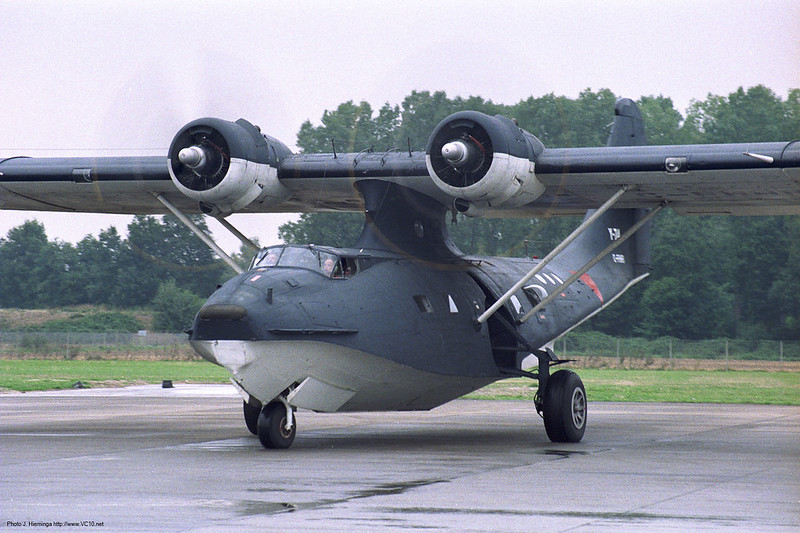
Cat_EHV_1995 by Jelle Hieminga, on Flickr
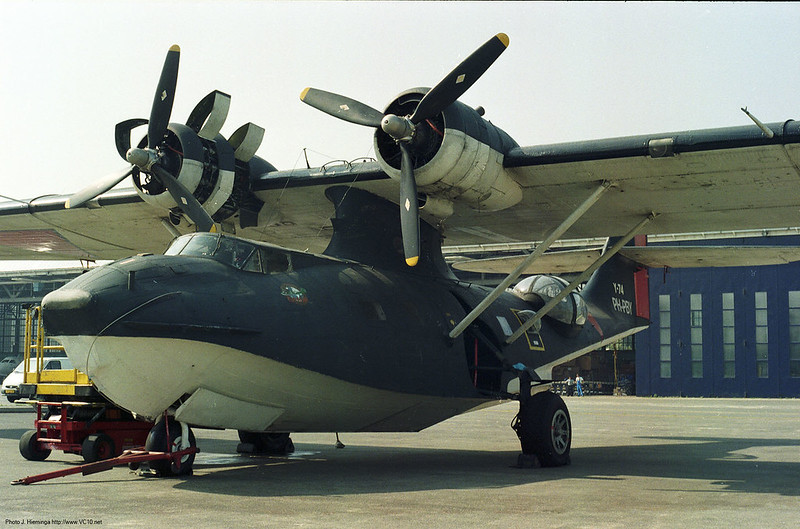
Cat_SPL_May1998 by Jelle Hieminga, on Flickr

Nothing to do with the EU, the Cat and other aircraft are registered under Dutch regulations, specially written for historic aircraft. The problem is that although the rules haven’t changed, they are being interpreted differently by the authorities.
Interesting conversion! A shame that the classic ‘Cub’ tail has been changed as that would help with recognising it as a Cub conversion.