I thought it was relevant due to the association of the type with the Suez campaign and as a reminder of Anglo-French air force cooperation at the time.
Problem being that by quoting me he is inferring that I knew that the information on that site was allegedly taken from another source. I do use Air Britain publications as and when I can afford them. I had/have no idea that the aforementioned site is using Air Britain’s material in this way.
Regards,
kev35
Kev
I think you’re being unduly sensitive – as a reader of the posts I didn’t take that inference and saw you as just being helpful and that the criticism was of the website and not your actions. Like Lee I don’t take kindly to original researchers’ efforts apparently being plagiarized. I’ve been involved with A-B for 40 years and empathise with his comments as he’s one of the renowned experts in the FAA field.
Best wishes
Tim
Oh dear, stepped on a nerve have we?
……………………………………..
If you have a problem with the people who run that website I suggest you take issue with them and not with me. …………………………..
Regards,
kev35
Looked to me like that’s exactly what Lee was doing so what’s the problem?:confused:
Putting technical considerations to one side, I still have a soft spot for the unsung Valiant. My nostalgia is triggered by having seen them at Gaydon over the years then later having witnessed them ignominiously trucked in chunks to a “scrappie” in my home city. But I digress …
In addition to the points made by Moggy, IMHO the Vulcan’s popularity may be a result of its imposing presence. The planform of a large delta at low level literally dominates the sky and when coupled with agility the Vulcan astounded those who expected only a lumbering performance. When displayed at USAF bases it was common to hear whoops of astonishment from Americans who had never seen large jet hardware take the display stage with such panache. Having seen demos of stream take-off by Victors and Vulcans I can confirm they were both memorable but the Vulcan was truly awesome.

Could be funded by three week’s work if a certain footballer in the news tonight were to be interested in this example of UK heritage:rolleyes:
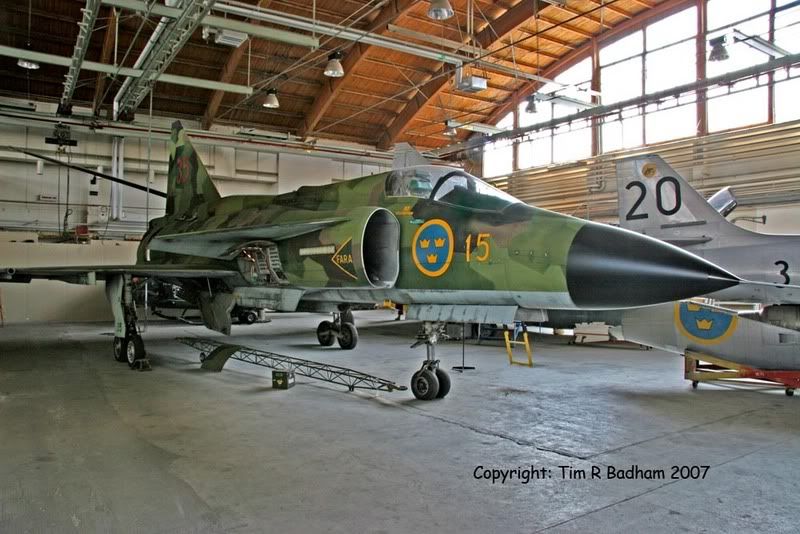
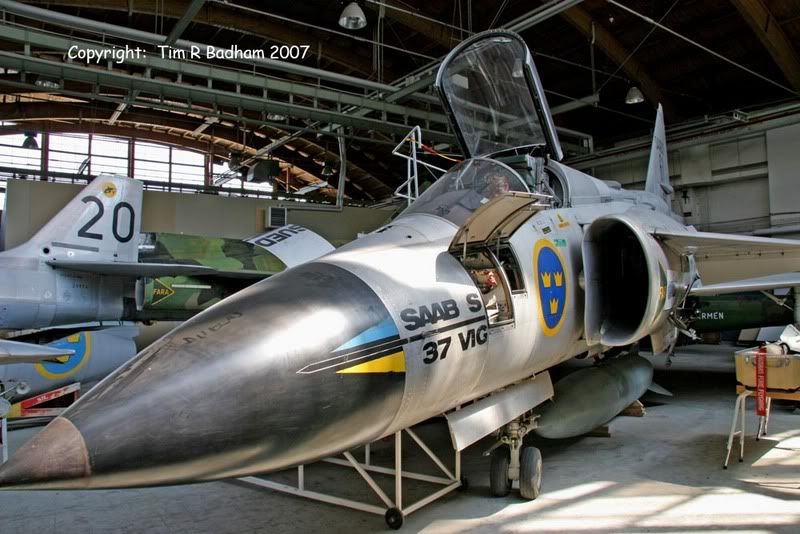
Here are individual shots of the two Viggens that you enquired about:


Tim
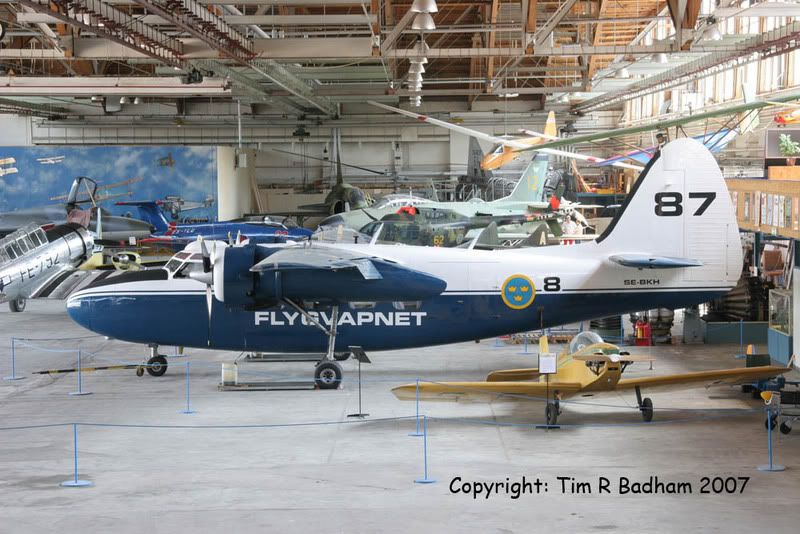
I photographed everything that was there in August – anything in particular you’d like me to post a view of ? Here’s an overview with the ex RAF Pembroke in the foregound – you’ll see the TWO Viggens are in the very rear of shot – one Viggen is part sectioned to show its construction.

Tim
[QUOTE=David Burke;……….Some would argue that the Sea Vixen whilst a beautiful design didn’t really fire a shot in anger and is more technically interesting than anything else.[/QUOTE]
The Torrey Canyon wouldn’t agree:D
As no-one has illustrated the type in civil scheme in this thread here’s a scan of a slide from my collection. I have a better static shot I took when G-ALUA was in a silver scheme which I’ll post when I can find it!

That’s not St Athan, Consul! You can see a shadow, implying sunlight. The only normal shadows at the real St Athan are rain shadows under wings that you shelter in… 😀
Thinks – should I seek an entry in the GBOR as I once (AND ONLY ONCE) observed a great fiery ball in the sky over Wales:p
Hi.
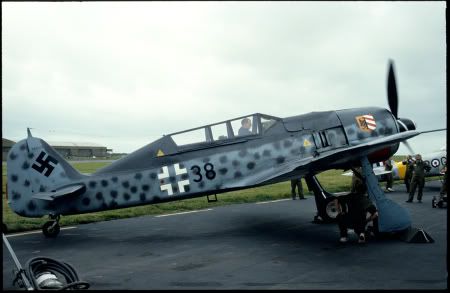
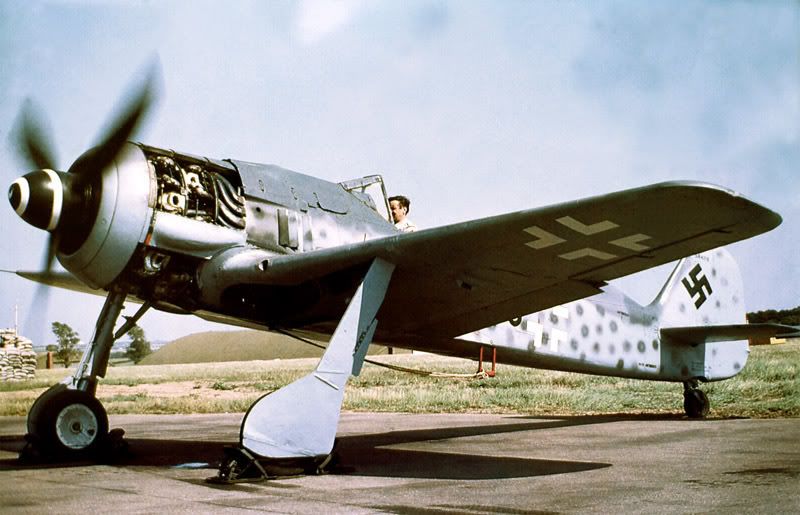
This is a another one the Fw 190 at St Athan just before Hurricane Annie
went through the place.:D
Regards Phil.
Just to add some variety – here’s another shot this time from my collection of the St Athan Fw190 running up, taken from the other side:)

Superb detective work pogno – looking at the evidence, I’m converted:)
Brings back memories of a Battle of Britain airshow I attended at RAF Gaydon in 1962 when one of the flying display items was Lincoln RF461 that flew across from its base at …….Watton 🙂
Hi REF,
I’ll try and help you a little more :rolleyes:
Their identities are:
Jeddah machine = Beech TC-45H N9535Z which had been used by a mining company until the early 1970s but when the US owner declined to pay storage fees it was utilized for display here.
Djibouti = Beech D18S F-BEHI.
The source for this information is the superb “Beech 18 – a civilian and military history” by the renowned (and very helpful) Beech 18 guru Bob Parmeter.
Regards
Tim
I’d concur on it being a Battle, if the caption is considered to be valid. Low wing, single fin – what are the alternatives?
Compare with this shot – particularly the position of the tail wheel and the aileron actuator fairing on the upper surface of the wing just inboard from the wingtip.
http://www.jaapteeuwen.com/ww2aircraft/pictures/jpg/fairey%20battle.jpg
I did some similar comparisons with other illustrations and plans and I’m with web pilot on this one and think his references tally with it being a Battle.