Receivers received at the tail, not the nose.
Thanks for the info. It is all a mystery indeed!
on this site it mentions
http://modelingmadness.com/review/allies/gb/attardlanctk.htm
Thanks – hadn’t appreciated from the pic I saw that there appears to be a cut-out in the nose. It’s really visible in the top pic on the site you link to and doesn’t look glazed over. I gather these aircraft were also receivers of fuel. Could that possibly be where it received the fuel into? Would possibly explain the need for unobstructed downward visibility from the cockpit.
some of the engine test bed aircraft had a very short nose with an engine poking out the front
I can see what you mean – it’s certainly very similar to a test bed with the front engine off. A real possibility.
Love the window tax quip – hope that idea is never resurrected!
THIS IS THE DUMP IN 1977, AN MR3 A T4 AND THE REMAINS OF ANOTHER BADLY BURNT
Quoting the “Scotland Scanned” book of that same year – “WB847 Shackleton T.4 (8020M) coded B arrived in 1968, ex MOTU, as a potential gate guardian – still largely complete on the fire dump.
A similar aircraft WB846 “Z” was finally burnt out in 1975.
WR953 Shackleton MR2C “F” of 205 sqn – burnt out shell remains on dump.
XF730 Shackleton MR3/3 “F” arrived 24/6/71 from 42 sqn – the last Shackleton produced for the RAF is still fairly intact on the fire dump.”
A pity there seems to have been a change of mind re the gate guardian idea.

about 25 Westland Lysanders went to the USAAF in the UK.”
Lol – I thought they only used one! Would these have been from one block of serials or just random? The aircraft in the photo certainly appears to be from the V9… range.
I suspect it is V9817 used by 1 Gunnery and Tow Target Flight, 8th Air Force in 1944. It carried RAF markings apart from the fuselage roundels. Not sure of location though possibly Templeton as seen here –
Certainly sounds like a fair bit of the funding will be used to increase the number and quality of the participants. There’s a short radio interview here –
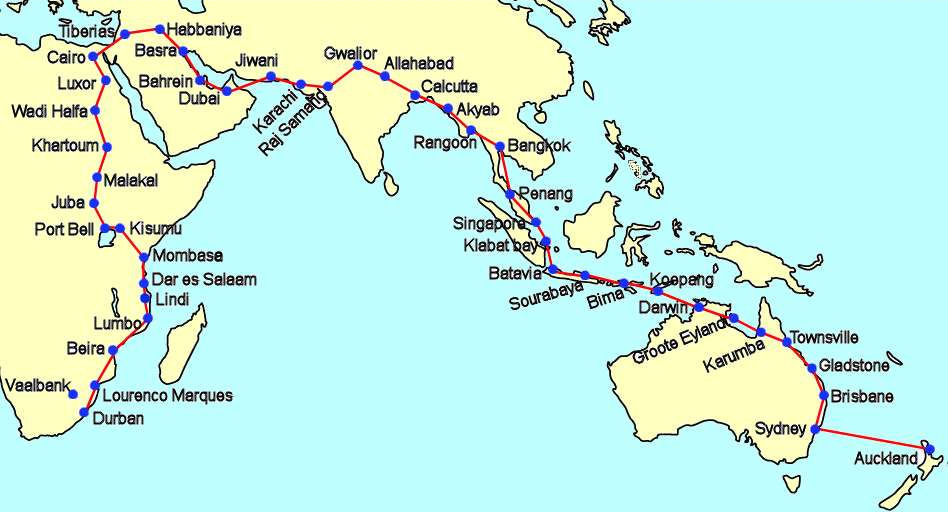
Can’t help with an exact location but Canopus is in wartime camouflage and is probably therefore on the “Horseshoe route” adopted when it became impossible to operate safely over the Med. This route varied from time to time as the war progressed but the map here gives a good idea of the bases originally used and the photo may have been taken at one of the coastal locations shown –
Assuming (hopefully) that this was written by the same gentleman back in 2012 – http://villageonline.co.uk/village/features/fullhistory/the_wreck_of_w5356
it may yet be possible to contact him through that magazine or alternatively here –
http://www.aviationarchaeology.org.uk/marg/index.htm
Best of luck.
Further info on the pilot here –
L2981 was flown by Squadron Leader Cecil Christian Clark. It crashed on 30th November 1939 at Fareham Creek. Information re the crash is given under Sqdn Ldr Clark’s entry on this page –
You’ll have waited in vain this evening.
Thanks for clarifying that – thought I’d managed to nod off between all the excitement 🙂 Nice shot of the DH51 at the start at least.
So rare to see old, civil aircraft on tv at all that I will be watching this for the first time. Will mute it till the good bits appear if I have to lol 🙂
Anyway – after 50 years I was finally reunited with the Shunting Engine that I previously mentioned,it was based at Cupar Sugar Factory (fife) when I was a wee lad.
I visited Brechin a week or so ago – unfortunately the ‘steaming’ season had finished but she was being prepped for a private run : )
Hi Baz, there is an identical engine to the Brechin-based one on the Royal Deeside Railway at Banchory in Kincardineshire. Called “Salmon” to commemorate the submarine HMS Salmon which was lost off Aberdeen in 1940 the steam engine was built a fair bit later than the Brechin one (1942 as opposed to 1926) but there seems very little difference between them – even the controls seem unchanged.
I saw the Spit in the Museum of Transport years ago, when it first arrived in Glasgow. I take it that’s not the same place?
That would have been at the Kelvin Hall, Daren. LA198 was moved to the Kelvingrove Art Gallery when it was refurbished in, I think, 2006 or 07. The MoT moved to the Riverside site in 2011 –
http://www.glasgowlife.org.uk/museums/riverside/Pages/default.aspx