 PeterVerney
During the early part of the war I can remember seeing Italian prisoners of war digging out our snowbound road.
In 1948 I worked on a farm with a German ex-PoW. I understood he had to do 5 years working where directed and would then be granted English citizenship.
PeterVerneyAs an ex, post war trained, nav, this is a fascinating thread.
For my threepennorth it depended on the chart/map used. It was common practice to use the Ordnance survey maps scaled in miles in the early days for map reading. However Mercator projection navigational charts were drawn up using Latitude and Longitude. This is far more convenient for navigation, i.e. Long lines are parallels and so lines drawn straight on the chart maintain a constant bearing, and, equally important, one degree of Lat is 60 nautical miles, so making measuring distances simple.
I am amazed that it took the RAF so long to change over from mph to knots, perhaps it was the perceived slight of taking orders from the Senior Service that upset their touchy sensibilities.
PeterVerneyI understand that some crew members were prepared by the security services. In the event of them being taken prisoner they already had training in organising escapes, contacts etc. Possibly even codes and equipment concealed about their person.
PeterVerneyI took part in one proper one and two “games”, there were never any groundcrew involved in any of those.
First “game” was from the nav school at Hullavington. We were dropped off about 10pm in pairs from a lorry near Stonehenge and were briefed to get to a house in Calne?, by about 5 pm next day. It started raining at about midnight and kept up a continuous heavy rain until about 4am. Wearing an overall over battledress meant soaked to the skin, it rubbed the hair off the outside of my legs. Met up with several others and phoned to be rescued about 9am. Wimps, but never wanting to claim a medal.
Second game was from the Air electronics school at Swanton Morley. Dopey organiser set us down 2pm, near the south side of the Stanford Battle Area in Norfolk. Instructions were to get to a pub on the north side, about 7 miles away, by 6pm. There were only 6 NCO aircrew and we arranged to be dropped off consecutively so we could meet up. Needless to say none of us were at all enthusiastic. Instead of walking in to the battle area we looked about for a bus stop, but luckily came upon an army lorry, the driver was persuaded to drive us to the pub.
WingCo Flying was a very unhappy bunny on finding us all ensconced on our second pint before they drifted in.
The real deal was 40 miles across Cyprus with the army after us and the civilian population warned. One of our pilots was shot by a nervous Turk returning from market. Our man spent a couple of days having shotgun pellets winkled out of his backside. My pilot and I made it to within about 3 miles, and could see the house we had to reach, before capture. We finished up with about four others, dressed only in our underpants, handcuffed together in the back of an open truck, being driven some 35 miles to Nicosia. They told us that is how the Russians would treat us.
Sorry gone on a bit, but there are several funny? stories out of Exercise Short Stroll.
PeterVerneySimply jettisoning the canopy would affect the airflow and possibly result in the recovery from the spin.
The hood on the Meteor T7 and the NF series was reputed to give sufficient lift as to keep the aircraft airborn at speeds in excess of 350 knots. This was to ensure that the hood lifted cleanly off the fuselage when jettisoned. (Being hopeful as always).
Certainly the hood was the first thing to stall and the back seater could plainly hear the airflow breaking away over his head, particularly in high G turns.
PeterVerneyCreaking Door, many thanks.
That site for calculating distance and bearing from Lat Longs is a super resource.
Why the hell didn’t yhe RAF provide it when I was playing at being a nav/rad, would have saved no end of bother.
PeterVerneyI used to hang over the fence at Lympne and watch the original Silver City operations. I well remember an occasion when all three of the fleet returned in formation to Lympne one evening and performed a very smart break and landing. I believe the crews were all ex night fighter people, anyone know the truth of this?
PeterVerney[QUOTE=Batman;1547847]Nimrod nav TACCO could be captain, and the guy on the flightdeck in the left seat was PIC.
See the book “Man is not lost” by Gp Capt “Dickie” Richardson, who pioneered proper navigation in the RAF. He introduced this when flying very long sorties with Coastal Command. They carried two pilots and one nav, but he realised that the nav was responsible for conducting the mission.
To be facetious, pilots were generally public school “orifices” and had servants from the lower orders to perform the menial tasks.
PeterVerneyBut surely the original quote from Brooklands was
“The right crowd, and no crowding”
PeterVerneySounds like the bar in Nicosia which had a large sign
“FREE BEER TOMORROW”
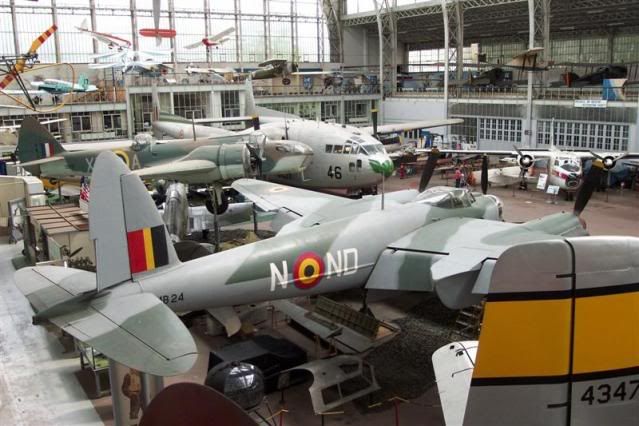
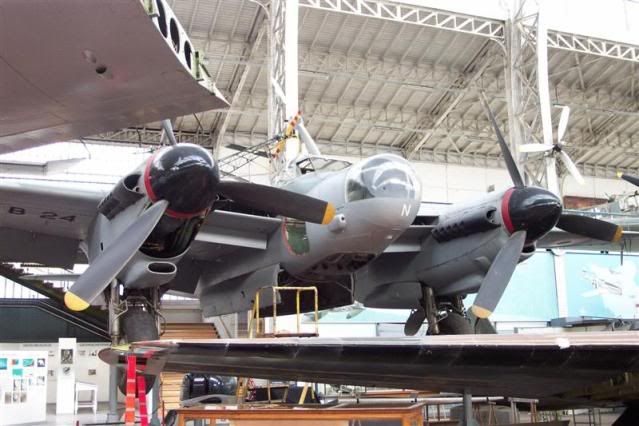
PeterVerneyYes, I did do a weekend trip to Brussels a few years ago, primarily to see their NF30. They were in the process of cleaning it up. I spoke to the fellow responsible as I was interested in the fate of the AI Mk 10 which was fitted to it, but it was last in storage somewhere.
They were making a good job under cramped conditions
PeterVerneyAs I recall (Reading histories – not experience) The Gut was Silema-side of Grand Harbour?
Any (printable) tales from there Peter?
Moggy
They’re all printable, it’s a question of how strong the paper is.
As I recall there were two Guts, Valetta was I think, Straight Street:rolleyes:.
This included a bar housing a character called “The Sparrow”. Sailors would drink directly from the bottle after she had played with it :eek::eek:
I also recall a sailor being cheered on by his mates while otherwise engaged with a young:confused: lady on a table in the corner.:rolleyes::rolleyes:
Sliema Gut was something else 😎 I was taken to Bobbys Bar where a young lady did a very passable Carmen Miranda act (an ancient film star for the uninitiated). Then the sailors were dancing with other presentable young ladies :p, and I was a bit confused as the sailors seemed to hold their partners very low down. After some time it was gently explained to me that there was not one female in the place, and I was reminded to keep my back firmly against the wall.
For taxis does anyone remember the gharries. Little covered carriages drawn by weary horses. Can remember two being reluctantly persuaded to race.
Sorry moderators, but we never got off the ground.
PeterVerneyOne of the few delights we had when in the Canal Zone was to be told. “Off you go Friday afternoon to Luqa for a navigation exercise, be back by 0900 Monday”.
It meant a trip down the Gut,:D:D, Simmons, Farsons and Cisk bottled beer, and a proper steak.
I can also remember our other Pole buying a coffee with a dollop of cream floating on top and gently pouring sugar on it till it sank. Well he had spent two years in a gulag (1939-41) and the last 9 months of the war in a German POW camp.
It was also the first place that I sampled a cream bun, oh the delights of wartime rationing.
PeterVerneyYour welcome Mr Verney.
Are there any more of your aircraft still around ?Ben
None to my knowledge, unfortunately. Such a shame that none of the Mossie NF36s was preserved.
PeterVerneyThanks benyboy for the excellent pic of WS788. Surprised to notice that, although the radar indicator box has been removed, they still appear to have retained the fitting above holding the ASI and altimeter, put up there to frighten us poor nav/rads.


 Sign In







